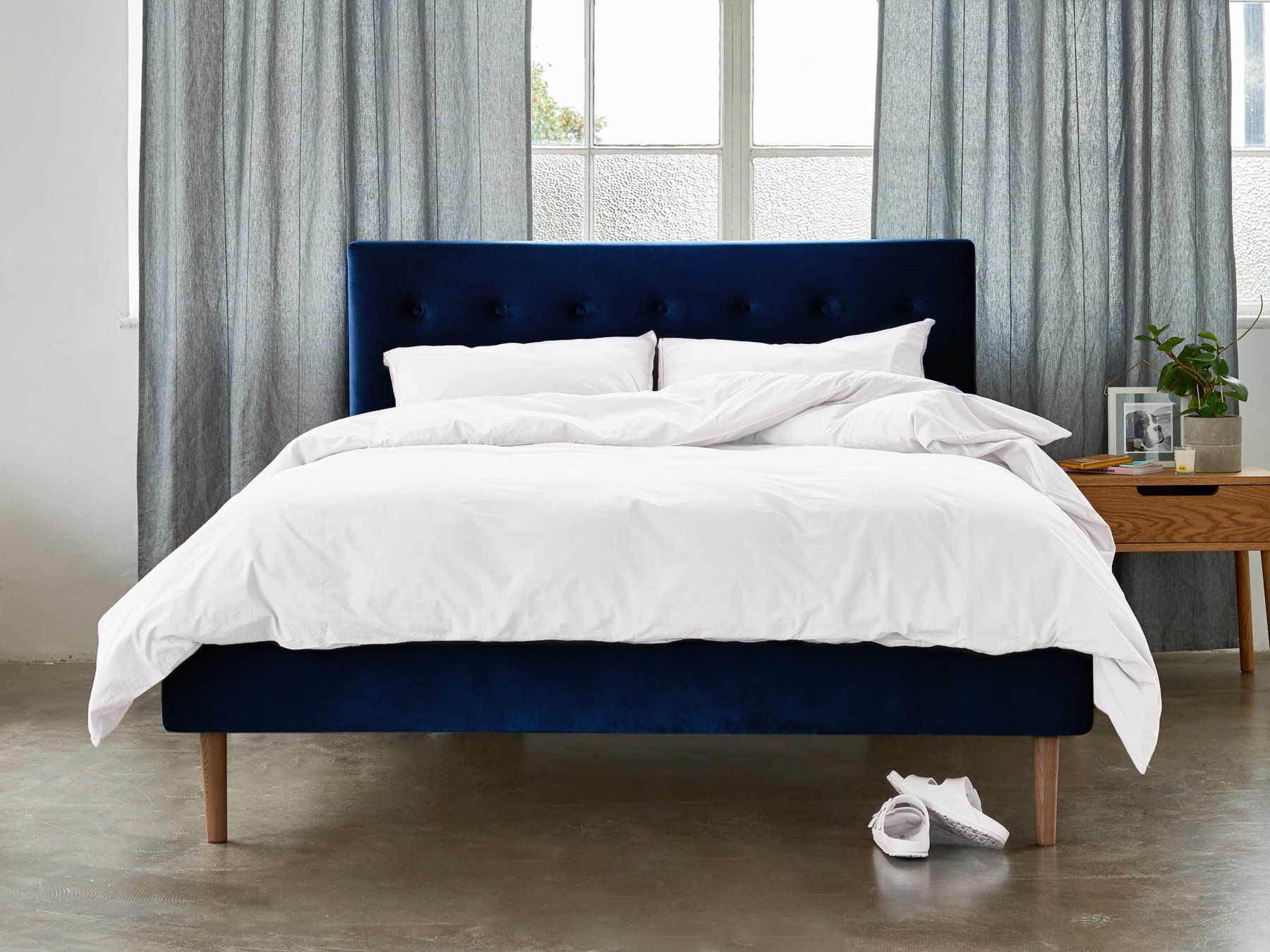
Choosing the right bed frame is essential for achieving restorative sleep, protecting your mattress investment, and aligning your bedroom layout with your physical and aesthetic needs. Different sleeping positions—whether you sleep on your back, side, stomach, or frequently toss and turn—place varying demands on your body, while your room size and lifestyle dictate your technical structural requirements.
Understanding the Relationship Between Sleep Styles and Bed Frames
The search for the ultimate bed frame often begins and ends with mattress selection, but the platform underneath plays an equally critical role in spinal alignment, pressure relief, and microclimate regulation. While a mattress provides the primary cushioning layer, the underlying frame dictates edge support, motion isolation, and structural rigidity. If a foundation sags, even the most advanced memory foam or hybrid mattress will lose its ergonomic integrity, forcing your lumbar spine into unnatural curves throughout the night.
Furthermore, different sleep styles interact with bed frames through weight distribution and movement. Side sleepers often require pressure-relieving foam or latex mattresses paired with a solid, unyielding foundation to prevent hip and shoulder bottoming out. Back and stomach sleepers rely on firm, level support to keep the spine neutral, meaning their bed frames must not flex under concentrated body weight. Understanding your primary sleep posture is the first step toward selecting a supportive framework that complements your physiological requirements.
1. The Heavy-Duty Platform Bed for Combination Sleepers
Combination sleepers—those who shift between back, side, and stomach positions throughout the night—require a bed frame that offers absolute stability and uniform weight distribution. A heavy-duty wooden or steel platform bed is the premier choice for this sleep style because it eliminates the need for a box spring while providing an unyielding surface.
Technical Specifications and Construction
Modern heavy-duty platform beds typically feature solid wood slats spaced no more than two to three inches apart, or a reinforced steel grid matrix. This tight spacing prevents mattress sagging, which is crucial when tossing and turning shifts pressure points across different zones of the bed. Look for frames constructed from kiln-dried hardwoods like acacia or rubberwood, or heavy-gauge powder-coated steel with center support legs.
Pros and Cons for Combination Sleepers
- Pros: Exceptional motion isolation, eliminates squeaking during position changes, compatible with all mattress types (memory foam, latex, innerspring), and often includes under-bed clearance for storage.
- Cons: Heavy and difficult to disassemble during moves; rigid surface can feel too firm if paired with a thin mattress.
2. The Upholstered Storage Bed for Side Sleepers Prone to Joint Pressure
Side sleepers place concentrated pressure on their shoulders and hips, often requiring plush, contouring mattresses. To complement this setup, an upholstered storage bed provides a supportive foundation wrapped in soft, padded textiles that soften accidental bumps against hard wooden corners during nocturnal restlessness.
Maximizing Bedroom Utility Without Sacrificing Support
Storage beds integrate hydraulic lift mechanisms or pull-out drawers beneath the mattress platform. For side sleepers who often accumulate extra pillows, weighted blankets, and seasonal bedding to support spinal alignment, this built-in storage optimizes bedroom space. When evaluating hydraulic lift models, ensure the piston mechanism features a safety lock to prevent accidental closure while accessing stored items.
Key Evaluation Criteria
When shopping for an upholstered storage bed, examine the internal frame reinforcement. Particleboard frames wrapped in fabric can warp under heavy latex or hybrid mattresses. Prioritize models featuring a solid pine or steel skeleton beneath the upholstered exterior to ensure long-term durability.
3. The Adjustable Base for Back Sleepers with Chronic Lumbar Pain
Back sleepers benefit immensely from sleeping on a flat, supportive surface, but those dealing with lower back pain, acid reflux, or snoring find transformative relief using an adjustable bed frame. These motorized foundations elevate the head and feet independently, encouraging a neutral spinal posture that mimics a zero-gravity environment.
Ergonomic Benefits and Mechanical Considerations
An adjustable base alters the angle of the torso and knees, reducing pressure on the sciatic nerve and improving nocturnal circulation. When selecting an adjustable base, verify its wall-hugging technology, which slides the mattress backward as the head rises, keeping your nightstand within arm's reach.
| Feature / Specification | Standard Platform Bed | Motorized Adjustable Base |
|---|---|---|
| Primary Sleep Style | Combination & Stomach Sleepers | Back Sleepers & Pain Sufferers |
| Mattress Compatibility | Foam, Latex, Innerspring, Hybrid | Flexible Foam, Hybrid (Check Spring) |
| Under-Bed Storage | High (Open clearance or drawers) | Low to None (due to motor housing) |
| Assembly Complexity | Moderate (Bolts, slats, frame joints) | High (Heavy motor components, wiring) |
Limitations to Keep in Mind
Adjustable bases are significantly heavier than traditional frames, making them difficult to relocate. They also require a compatible mattress—typically all-foam or specialized hybrid models designed to bend without internal damage—and eliminate traditional under-bed storage space due to the mechanical housing underneath.
4. The Solid Hardwood Slat Bed for Strict Stomach Sleepers
Stomach sleeping is widely considered the most demanding posture for spinal health, as it forces the neck to twist and can cause the pelvis to sink into a soft mattress. Stomach sleepers require an exceptionally firm, breathable foundation to prevent unnatural spinal hyperextension.
Breathability and Moisture Regulation
Stomach sleepers tend to press a larger surface area of their bodies directly against the mattress, increasing heat retention and perspiration. A solid hardwood slat bed promotes optimal airflow beneath the mattress, preventing moisture accumulation and mold growth. Slats should be made of durable woods like oak, beech, or birch, which possess natural flex-resistance.
Maintenance and Care
Hardwood frames require periodic maintenance, such as checking and tightening bolt connections every six months to prevent loosening caused by nightly micro-movements. Applying a natural beeswax or furniture oil annually protects the wood grain from humidity fluctuations in your bedroom environment.
5. The Minimalist Metal Frame for Hot Sleepers and Minimalists
For individuals who suffer from night sweats or overheating during sleep, thermal regulation is just as important as mechanical support. Minimalist metal bed frames offer an open-air architecture that maximizes ventilation around and underneath the mattress.
Thermal Dynamics and Airflow
Unlike solid-panel platform beds that trap heat against the bottom of the mattress, wire grid and open-slat metal frames allow ambient air to circulate freely. This passive cooling effect helps regulate core body temperature, keeping deep and REM sleep cycles uninterrupted by thermal discomfort.
Structural Integrity and Noise Prevention
When purchasing a metal frame, inspect the joint connections. Models featuring rubber gaskets or interlocking brackets prevent the metallic friction that causes annoying squeaks. Powder-coated finishes also protect against rust and scratches, ensuring the frame maintains its structural and visual appeal over decades of use.
6. The Low-Profile Panel Bed for Compact Rooms and Light Sleepers
Light sleepers who are easily disturbed by room vibrations, partner movements, or creaking furniture often find solace in a low-profile panel bed. Resting closer to the floor reduces the leverage effect that amplifies structural shakes in taller bed frames.
Space Optimization and Safety
Low-profile frames sit closer to the ground, making them ideal for bedrooms with sloped ceilings, attic conversions, or compact square footage. The reduced height also eliminates sharp elevation drops, making these frames a practical option for households with pets or children who frequently climb into bed.
Material Selection for Acoustic Dampening
To achieve absolute silence, look for panel beds equipped with EVA foam tape along the slat ledges. This simple addition absorbs friction between the wooden slats and the main frame, ensuring total motion isolation and quiet operation throughout the night.
7. The Canopy Bed for Grand Scale and Vertical Room Balancing
While primarily chosen for aesthetic impact, canopy bed frames serve a functional purpose in large, high-ceilinged master suites by creating a defined micro-environment that fosters a sense of psychological security and coziness conducive to sleep.
Architectural Presence and Weight Distribution
Canopy beds require substantial floor space and sturdy corner posts to support the upper overhead framing. They are exceptionally well-suited for calm back and side sleepers who prefer a majestic aesthetic without sacrificing structural solidity. Ensure your ceiling height accommodates the vertical clearance before purchase, leaving at least six inches of breathing room between the top of the canopy and light fixtures or ceiling fans.
Styling and Accessory Integration
Beyond traditional drapery, modern canopy frames can be outfitted with blackout curtains to shield light-sensitive sleepers from early morning sunlight or street lamps, effectively transforming the bed into a private sleep sanctuary.
Comparative Overview of Bed Frame Types
| Bed Frame Type | Best For Sleep Style | Key Advantage | Primary Limitation |
|---|---|---|---|
| Heavy-Duty Platform | Combination Sleepers | Maximum stability, zero sag | Heavy and rigid |
| Upholstered Storage | Side Sleepers | Padded edges, built-in storage | Requires careful fabric care |
| Adjustable Base | Back Sleepers / Pain Relief | Ergonomic elevation | Heavy, expensive, no storage |
| Solid Hardwood Slat | Stomach Sleepers | Superior airflow, firm support | Requires periodic tightening |
| Minimalist Metal | Hot Sleepers | Maximum ventilation | Can squeak if joints lack gaskets |
| Low-Profile Panel | Light / Restless Sleepers | Low center of gravity, quiet | Low clearance for storage |
| Canopy Bed | Grand / High-Ceiling Rooms | Psychological coziness, style | Requires large footprint |
Frequently Asked Questions
Do I need a box spring with a modern platform bed?
No, modern platform beds are specifically engineered to eliminate the need for a box spring. They feature closely spaced wooden slats or a steel grid that provides direct, uniform support for your mattress. Using a box spring on top of a platform bed is generally discouraged because it raises the sleeping height excessively and can destabilize the mattress.
How do I stop my bed frame from squeaking?
Bed frames typically squeak due to friction between metal joints, loose bolts, or wooden slats rubbing against the side rails. To resolve this, tighten all hardware using a socket wrench or Allen key. Apply beeswax, paraffin wax, or rubber padding between joints and slat ledges to absorb friction and eliminate noise permanently.
Can an adjustable base fit inside my existing traditional bed frame?
Many adjustable bases are designed as "zero-clearance" models, meaning they can drop directly inside standard wooden or upholstered bed frames while retaining their functionality. However, you must remove any existing interior slats and legs so the adjustable base rests firmly on the floor. Always verify the inner dimensions of your current frame before purchasing an insert.
What is the best bed frame material for heavy individuals?
Heavy-gauge steel and kiln-dried hardwoods such as oak, maple, or rubberwood are the most durable materials for heavier individuals. Avoid particleboard, hollow aluminum tubing, and frames with wide slat gaps exceeding three inches, as these materials are prone to bowing, bending, and structural fatigue under concentrated loads.
How does slat spacing affect mattress longevity?
Mattress manufacturers typically void warranties if slat spacing exceeds three to four inches, particularly for memory foam and latex models. If slats are spaced too far apart, the foam pushes down into the gaps, causing premature sagging, loss of contouring support, and lumbar misalignment.
Conclusion and Next Action
Selecting the ideal bed frame requires balancing your primary sleep posture, room dimensions, thermal preferences, and structural requirements. Assess your physical needs first—such as lumbar support or joint pressure relief—then measure your bedroom space to determine clearance allowances. Prioritize solid slat construction or certified steel frames to protect your mattress warranty and ensure restorative, uninterrupted sleep for years to come.