At age 65, life insurance premiums often reach a point where policyholders look for ways to optimize their coverage and reduce monthly expenditures. While life insurance rates generally increase with age, it is possible for individuals at 65 to lower their costs by adjusting policy terms, improving health profiles, or exploring alternative coverage types that better align with their current financial situation and legacy goals.
Understanding the Factors Behind Premiums at 65
To lower life insurance costs, you must first understand why they are priced the way they are. Life insurance underwriting for a 65-year-old is primarily driven by actuarial data, which calculates the statistical probability of a death benefit claim. Unlike younger applicants, who may be evaluated based on long-term health projections, 65-year-old applicants face a shorter life expectancy window and higher rates of age-related health conditions.
Insurance carriers evaluate "mortality risk" based on your medical history, current prescriptions, BMI, smoking status, and family history. When you were younger, these factors had a smaller impact on your premium. At 65, any minor health fluctuation can result in significant "rate classes" shifts, moving you from "preferred" to "standard" or even "substandard" (table-rated) status. Understanding that age is a static factor allows you to focus on the dynamic factors—those within your control—to lower your costs.
Strategies to Reduce Premiums for Seniors
If your current premium feels unsustainable, you do not necessarily have to cancel your coverage and lose your protection. Several strategic adjustments can make your insurance more affordable.
1. Reducing the Death Benefit
The most direct way to lower a premium is to decrease the face amount (death benefit) of the policy. If you purchased a $500,000 policy when you were 45 to cover a mortgage and children’s college costs, you likely no longer need that level of coverage at 65. If the mortgage is paid off and your children are financially independent, reducing your benefit to $100,000 or $200,000—a sum sufficient for funeral costs and final expenses—will result in an immediate decrease in your monthly premiums.
2. Switching from Permanent to Term Coverage
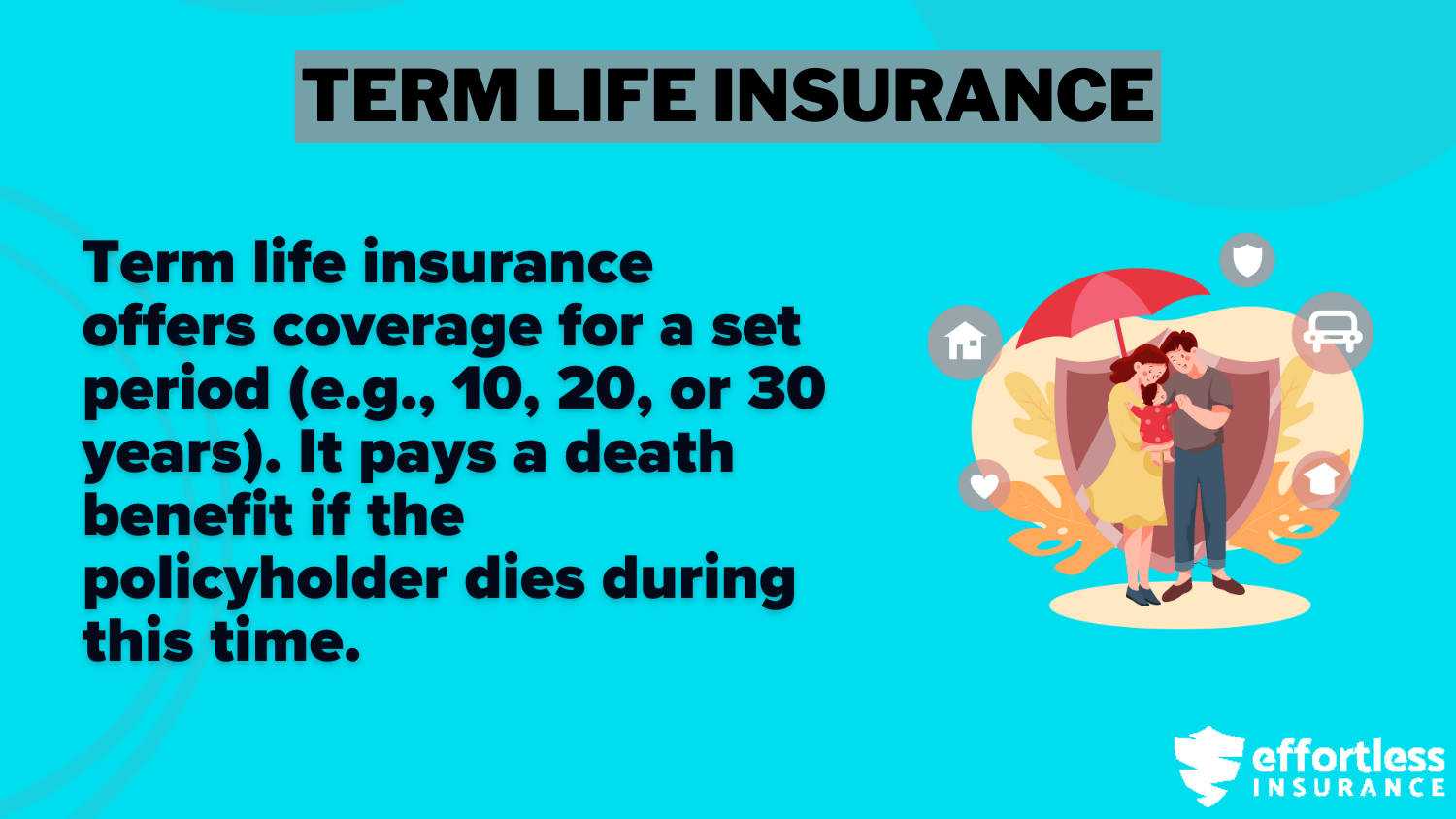
If you hold a "Whole Life" or "Universal Life" policy, you are likely paying for both the death benefit and a cash value component. If the cash value is no longer a priority, you might consider converting or replacing this with a "Term" life insurance policy. Term insurance is pure protection without the savings component, making it significantly cheaper. However, be cautious: a term policy will eventually expire, so ensure the term length is appropriate for your long-term needs.
3. Improving Health and Underwriting Status
If your policy was issued years ago when you were a smoker or had health issues that have since resolved, you might qualify for a "reconsideration of rating." If you have quit smoking for at least 12 months or have shown significant improvement in chronic conditions like high blood pressure or diabetes through medication and lifestyle, you can request that your insurer re-evaluate your risk class. A move from a "smoker" rating to a "non-smoker" rating can cut your premiums by more than half in some instances.
Comparing Coverage Options for Seniors
When evaluating whether to lower costs, it is essential to compare the different types of insurance available at age 65.
| Policy Type | Cost Structure | Primary Purpose | Suitability at 65 |
|---|---|---|---|
| Term Life | Low, fixed premiums | Income replacement | High (if debt exists) |
| Whole Life | High, fixed premiums | Permanent protection | Moderate (if assets exist) |
| Universal Life | Flexible | Adjustable coverage | Moderate (if managed) |
| Final Expense | Low death benefit | Funeral costs | High (for simplicity) |
Important Prerequisites Before Canceling or Modifying
Before you attempt to lower your insurance costs by modifying your existing policy, you must proceed with extreme caution. Life insurance is a legal contract; once you cancel a policy or significantly alter its terms, you cannot simply "undo" that decision later.
- Check for Incontestability: Most life insurance policies have a two-year incontestability period. If you are considering replacing your policy, remember that a new policy will start a new contestability period, during which the insurer can challenge claims.
- Surrender Charges: Many permanent life insurance policies have surrender charges that apply if you cancel the policy within the first 10 to 15 years. Check your policy document for the "surrender schedule" to ensure you are not losing a substantial amount of cash value in fees.
- Medical Underwriting: Never cancel your current policy until a new, cheaper policy has been formally issued and placed in force. If you cancel first and then find out you cannot qualify for a new policy due to a hidden health issue, you will be left with no coverage at all.
Common Mistakes to Avoid
Many seniors mistakenly believe that they must maintain the same level of coverage they purchased decades ago. This "sunk cost" mindset is a common financial trap. Another frequent error is failing to disclose recent health improvements. Some policyholders assume that because they were rated as "high risk" 20 years ago, they will always be considered high risk. The reality is that underwriters look at your health "as it stands today." Providing updated medical records can sometimes lead to a reduction in premiums without needing to change policies at all.
Additionally, avoid the mistake of letting a policy lapse unintentionally. If you miss premium payments, you might trigger a "lapse," which terminates your death benefit. If you are struggling to make payments, always contact your insurance carrier first to discuss "reduced paid-up" options or premium waivers before simply stopping payment.
FAQ: Addressing Common Concerns
Can I switch to a cheaper policy if I have health issues? It is possible, but difficult. If you have significant health issues, your current policy is likely your best asset because it was issued when you were healthier. You may find that a new policy is more expensive than your old one. Always compare the quotes for a new policy against your current premium before making any changes.
Is it worth keeping a cash-value policy at 65? It depends on your financial goal. If the policy was purchased as a tax-advantaged investment, check the current cash value growth. If the growth is stagnant, you might be better off taking the cash value and moving it into a more liquid, higher-yield asset, but consult with a financial advisor to understand the tax implications of withdrawing these funds.
Does age 65 qualify me for special senior rates? There are no "senior discounts" in life insurance. Instead, there are specific products designed for seniors, such as "Final Expense" or "Burial Insurance." These are typically simplified-issue policies with smaller death benefits (usually $5,000 to $25,000) that do not require a medical exam.
How do I find out if I am over-insured? Calculate your "human life value." If your children are self-sufficient, your mortgage is paid off, and you have enough savings to cover your spouse's living expenses in the event of your death, you may only need enough insurance to cover final expenses (funerals, estate taxes, or legal fees). Anything above that amount may be unnecessary.
What is a "reduced paid-up" option? This is a non-forfeiture provision in many permanent policies. It allows you to stop paying premiums entirely while keeping a smaller, fully paid-up death benefit. You no longer pay for the policy, but the face value is lowered, and you forfeit the chance to increase it later.
Final Next Actions
To begin the process of lowering your life insurance costs, follow these steps in order:
- Review your current policy: Find your policy jacket or contract. Note the face amount, the type of policy, the current premium, and any surrender charges.
- Assess your current need: Determine exactly how much coverage you require today, not what you needed 20 years ago.
- Contact your current carrier: Ask for a "benefit illustration" showing what happens if you lower your face amount. Ask them specifically if you qualify for a "non-smoker" or "preferred" rating if your health has improved.
- Consult an independent broker: If you decide to look for a new policy, work with an independent broker who can shop multiple carriers. Because medical underwriting varies significantly between companies, one carrier may view your medical history more favorably than another.
Disclaimer: This information is for educational purposes only and does not constitute financial or legal advice. Life insurance regulations and underwriting guidelines can vary by jurisdiction. Always consult with a licensed insurance professional or a qualified financial advisor before making changes to your existing insurance policies.