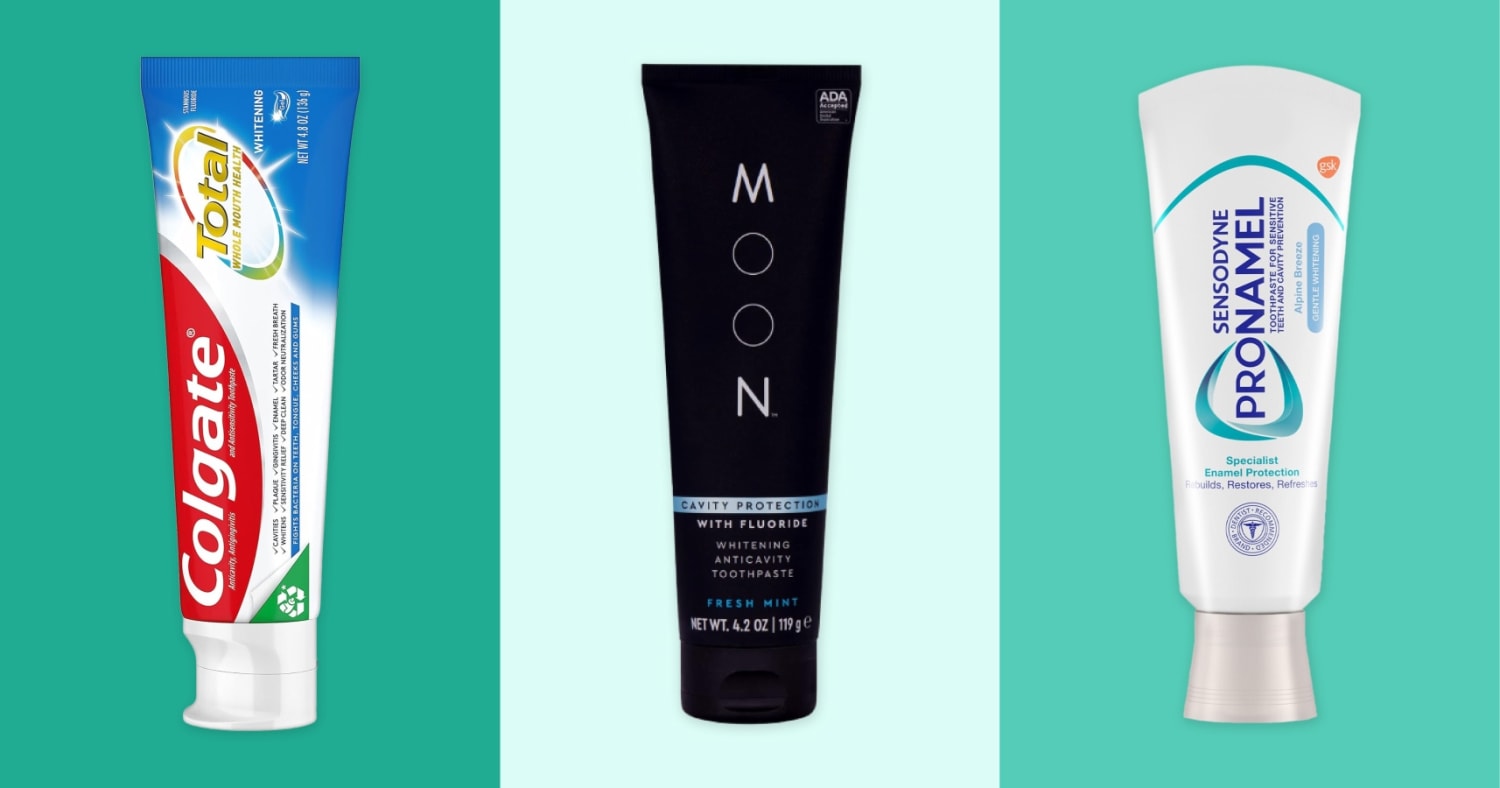
Choosing the best value toothpaste involves balancing clinical efficacy, ingredient safety, and the price-per-ounce. In 2026, the most effective value picks are those that provide high-concentration fluoride or nano-hydroxyapatite for enamel repair while remaining under $0.80 per ounce for budget options and under $2.50 per ounce for premium, specialized formulations.
Defining Value in Oral Hygiene
Value is frequently mistaken for the lowest price tag on the shelf. However, in the context of oral health, "value" represents a calculation of preventative power versus the long-term cost of dental intervention. A $2 tube of toothpaste that fails to prevent a $500 cavity is significantly more expensive than a $10 tube that maintains enamel integrity over several years.
When evaluating toothpaste value in 2026, we look at three primary factors: the active ingredient concentration, the Relative Dentin Abrasivity (RDA) score, and the delivery system efficiency. High-value products utilize ingredients like stannous fluoride or nano-hydroxyapatite (nHA), which offer multi-benefit protection against gingivitis, sensitivity, and decay.
Furthermore, the physical packaging has become a value metric. With the 2026 industry standards moving toward fully recyclable tubes, brands that have successfully transitioned without passing massive costs to the consumer offer higher "lifecycle value." This guide identifies five distinct picks that maximize these benefits across varying price points, from ultra-budget bulk buys to high-tech enamel restorers.
1. The Budget Champion: Colgate Cavity Protection (Bulk Format)
For households prioritizing the lowest possible cost without sacrificing basic clinical protection, the standard Colgate Cavity Protection remains the gold standard for value. As of 2026, this product continues to be the primary recommendation for public health initiatives due to its reliable sodium monofluorophosphate formulation.
Why It Represents Value
The value here is found in the price-to-volume ratio. When purchased in multi-packs (typically 6-ounce tubes in sets of three or five), the cost often drops below $0.50 per ounce. Despite the low price, it carries the ADA Seal of Acceptance, ensuring that the fluoride content is stable and biologically available to the teeth.
Technical Performance
This toothpaste features a relatively low RDA score (around 68-70), meaning it is gentle on the enamel compared to whitening-specific formulas. It focuses entirely on "the basics": cleaning debris and delivering fluoride. It does not contain advanced desensitizing agents like potassium nitrate or the antibacterial benefits of stannous fluoride, but for a healthy mouth with no specific sensitivities, it provides 100% of the necessary daily protection.
Who Should Buy It?
It is the ideal choice for large families or individuals who have a low risk of gum disease and no history of tooth sensitivity. It is a "no-frills" utility product that performs its primary function—cavity prevention—as well as products five times its price.
2. The Mid-Range Workhorse: Crest Pro-Health Advanced
Crest Pro-Health Advanced represents the "sweet spot" for most consumers in 2026. It utilizes stannous fluoride, a multi-tasking ingredient that addresses more than just cavities. While sodium fluoride primarily strengthens enamel, stannous fluoride provides an antibacterial layer that protects against gingivitis and creates a shield against sensitivity.
The Science of Stannous Fluoride
Stannous fluoride is notoriously difficult to stabilize in a tube. For decades, it was prone to causing minor surface staining or having a gritty texture. However, the 2026 formulations of Pro-Health Advanced have refined the stabilization process, offering a smooth user experience. By choosing this "Mid-Range" pick, consumers are essentially buying a "pharmacy in a tube," reducing the need for separate sensitivity treatments or specialized gingivitis rinses.
Value Comparison
While the price per ounce is higher than basic Colgate (averaging $1.20 to $1.50 per ounce), the value is found in the prevention of secondary issues. If you have mild gum redness or occasional sensitivity to cold, upgrading to this level of toothpaste can prevent the need for more expensive prescription-strength pastes or periodontal deep cleanings.
Practical Considerations
Users should note that stannous fluoride formulations can sometimes feel slightly more astringent than sodium fluoride pastes. This is the "cleaning" sensation many dental professionals associate with the reduction of plaque-forming bacteria.
3. The Specialized Value: Arm & Hammer Advance White Extreme Whitening
Whitening toothpastes are often overpriced marketing gimmicks that use high-abrasion silica to "scrub" the teeth, which can eventually lead to enamel thinning. Arm & Hammer Advance White is the 2026 exception, offering a unique value proposition through the use of dental-grade baking soda (sodium bicarbonate).
The Baking Soda Advantage
Baking soda is a naturally low-abrasive cleaner. It has an RDA of about 7, which is incredibly low compared to the 100+ RDA found in many "charcoal" or "extra white" pastes. It works by neutralizing plaque acids and gently dissolving surface stains rather than grinding them away.
Cost-Effectiveness
In 2026, you can often find 2-packs of this toothpaste for under $8.00. Because baking soda is an inexpensive raw material, Arm & Hammer is able to include high concentrations of it without inflating the retail price. This provides a "whitening" effect that is safe for daily, long-term use—something many expensive "boutique" whitening brands cannot claim.
pH Balancing
Beyond whitening, the baking soda in this paste creates an alkaline environment in the mouth. High acidity (from coffee, soda, or citrus) is the primary driver of enamel erosion. By neutralizing these acids instantly, this toothpaste provides a secondary layer of protection that many higher-priced "cosmetic" pastes ignore.
4. The High-Tech Value: Boka Toothpaste (Nano-Hydroxyapatite)
For those looking to move away from fluoride or seeking the latest in dental technology, Boka’s nano-hydroxyapatite (nHA) toothpaste represents the best value in the "Premium/Bio-Tech" category. While a single tube may cost $12.00, it uses the same material that makes up 97% of your tooth enamel.
Enamel Remineralization
Nano-hydroxyapatite was originally developed by NASA to help astronauts maintain bone and tooth density in zero gravity. Unlike fluoride, which creates a new, harder surface (fluorapatite), nHA actually plugs the microscopic holes (tubules) in your teeth with the tooth's original building blocks. This makes it exceptionally effective for people with severe sensitivity.
Why It’s a "Value" Pick
In 2026, many nHA toothpastes from Japan or Europe cost upwards of $20 per tube. Boka has managed to scale production to keep costs closer to $2.00 per ounce. Furthermore, because nHA is non-toxic if swallowed, it is an "all-in-one" value for households with young children who haven't yet mastered spitting, eliminating the need to buy separate "training" toothpastes and adult pastes.
Sensory Experience
Boka also omits Sodium Lauryl Sulfate (SLS), the foaming agent that causes "orange juice taste" and can trigger canker sores in sensitive individuals. The lack of SLS means a less foamy experience, which may take some adjustment, but the health benefits to the oral microbiome are significant.
5. The Eco-Conscious Value: Bite Toothpaste Bits
As we look at the 2026 landscape, environmental taxes and plastic waste reduction have become part of the consumer's cost calculation. Bite Toothpaste Bits offer the best value for the "zero-waste" consumer by using a tablet-based delivery system.
Eliminating the "Tube Tax"
Traditional toothpaste tubes are made of layers of plastic and aluminum that are nearly impossible to recycle. Bite uses glass jars and compostable refill pouches. While the initial "entry price" for a jar might seem high, the subscription model and bulk refills bring the cost-per-brush down to levels competitive with mid-range tube pastes.
Formula and Efficacy
Bite uses nHA (nano-hydroxyapatite) rather than fluoride, targeting the same remineralization benefits mentioned in the Boka analysis. The tablets are pre-portioned, which prevents "over-squeezing"—a common source of waste where consumers use 30% more toothpaste than necessary.
Travel and Storage Value
For frequent travelers, these bits are a massive value-add. They are not classified as liquids or gels, meaning they bypass TSA restrictions and won't leak in a gym bag. The "value" here is found in the convenience, the lack of waste, and the long-term sustainability of the refill model.
2026 Toothpaste Comparison Table
| Product Name | Primary Active | Best For | Price Tier | RDA (Abrasivity) |
|---|---|---|---|---|
| Colgate Cavity Protection | Sodium Monofluorophosphate | General Protection | Budget ($) | Low (68) |
| Crest Pro-Health Adv. | Stannous Fluoride | Gums & Sensitivity | Mid-Range ($$) | Medium (90-110) |
| Arm & Hammer Adv. White | Baking Soda + Fluoride | Safe Whitening | Budget ($) | Very Low (7) |
| Boka (nHA) | Nano-Hydroxyapatite | Enamel Repair | Premium ($$$) | Low (Around 60) |
| Bite Toothpaste Bits | Nano-Hydroxyapatite | Eco-Conscious | Mid-Range ($$) | Low (Around 70) |
Factors That Influence Long-Term Value
When choosing between these five picks, several hidden factors can influence which one is truly the best value for your specific situation.
The RDA Score (Abrasivity)
The Relative Dentin Abrasivity (RDA) scale is a standardized measurement of how much a toothpaste wears down the dentin of your teeth. The FDA limit is 200, and the ADA recommends staying under 250. However, for long-term value, you want a toothpaste with an RDA under 100. High-abrasion pastes (often marketed as "Max White" or "Charcoal") can wear down enamel over decades, leading to the need for expensive veneers or crowns in the future. Choosing a low-RDA paste like Arm & Hammer or Boka is an investment in your tooth structure's longevity.
Concentration of Active Ingredients
Not all fluoride is created equal. In 2026, stannous fluoride is preferred for its antimicrobial properties, but it is more expensive to formulate. If you have "bleeding gums" (gingivitis), spending the extra $2 on Crest Pro-Health is a higher value than buying the cheapest tube because the stannous fluoride directly treats the inflammation.
The Role of SLS (Sodium Lauryl Sulfate)
SLS is the surfactant that creates foam. It has no cleaning benefit; it is purely for the "mouthfeel." However, SLS is a known irritant. For the 15-20% of the population prone to aphthous ulcers (canker sores), buying an SLS-free paste like Boka or Bite provides immense value by reducing the frequency of painful mouth sores and the subsequent cost of topical numbing gels.
Common Mistakes When Seeking Value
- Using Too Much Product: The "swirl" of toothpaste seen in commercials is roughly three times more than you actually need. A pea-sized amount is sufficient for an adult. By using the correct amount, a single tube of high-end paste like Boka can last twice as long, effectively cutting your cost in half.
- Chasing "Charcoal" Trends: In 2026, the dental community has largely moved away from charcoal. While it looks "natural," it is often highly abrasive and can actually trap bacteria against the gum line if not rinsed perfectly. It rarely offers a better value than a standard baking soda paste.
- Ignoring the "Seal": Always check for the ADA Seal of Acceptance. This ensures that the manufacturer's claims about fluoride delivery and cavity prevention have been independently verified. Many "artisan" or "natural" brands skip this testing to save money, but the lack of verification means you may not be getting the protection you're paying for.
Frequently Asked Questions
Is fluoride-free toothpaste a good value?
Fluoride-free toothpaste is only a good value if it contains a verified alternative like nano-hydroxyapatite (nHA). If a toothpaste is "free of everything" and contains only glycerin, oils, and mild abrasives, it will not remineralize your teeth. This can lead to expensive dental repairs later, making "cheap" natural pastes a poor long-term value.
Why is stannous fluoride more expensive than sodium fluoride?
Stannous fluoride is chemically unstable in water-based pastes. It requires specialized stabilizers (like zinc citrate or gluconate) to prevent it from breaking down or staining teeth. The cost of these stabilizing agents and the complex manufacturing process is reflected in the slightly higher price of mid-range pastes.
Can I save money by making my own toothpaste?
While DIY recipes using coconut oil and baking soda are popular, they are generally not recommended as a "value" strategy. Professional toothpastes are formulated to have a specific pH and particle size. DIY pastes can be too abrasive or too acidic, and they lack the ionic minerals (Fluoride or nHA) necessary to actually repair enamel.
Does toothpaste really expire?
Yes. Fluoride has a shelf life of about two years. After this, the fluoride ions may bind to other ingredients in the tube, making them ineffective at protecting your teeth. Buying a "10-year supply" of toothpaste is not a good value because the active ingredients will fail before you can use them.
Are subscription toothpaste services worth it?
Subscription services like Bite or Boka can be a great value if they offer a discount of 10-20% off the retail price. They ensure you never run out, preventing "emergency" trips to the drug store where you might buy a more expensive, less effective product out of necessity.
Final Recommendation: Which One Should You Choose?
The "best" value depends on your current oral health status as of 2026:
- If you have a "perfect" mouth with no history of cavities or sensitivity, stick with Colgate Cavity Protection in bulk. It is the most cost-efficient way to maintain the status quo.
- If you have sensitive teeth or aging enamel, the best value is Boka. The $12 investment prevents the discomfort and high cost of sensitivity treatments and provides the most advanced enamel-building technology available to consumers.
- If you want whiter teeth without the damage, choose Arm & Hammer Advance White. It is arguably the best "hidden gem" in the toothpaste aisle, providing professional-level pH balancing and stain removal for under $5.