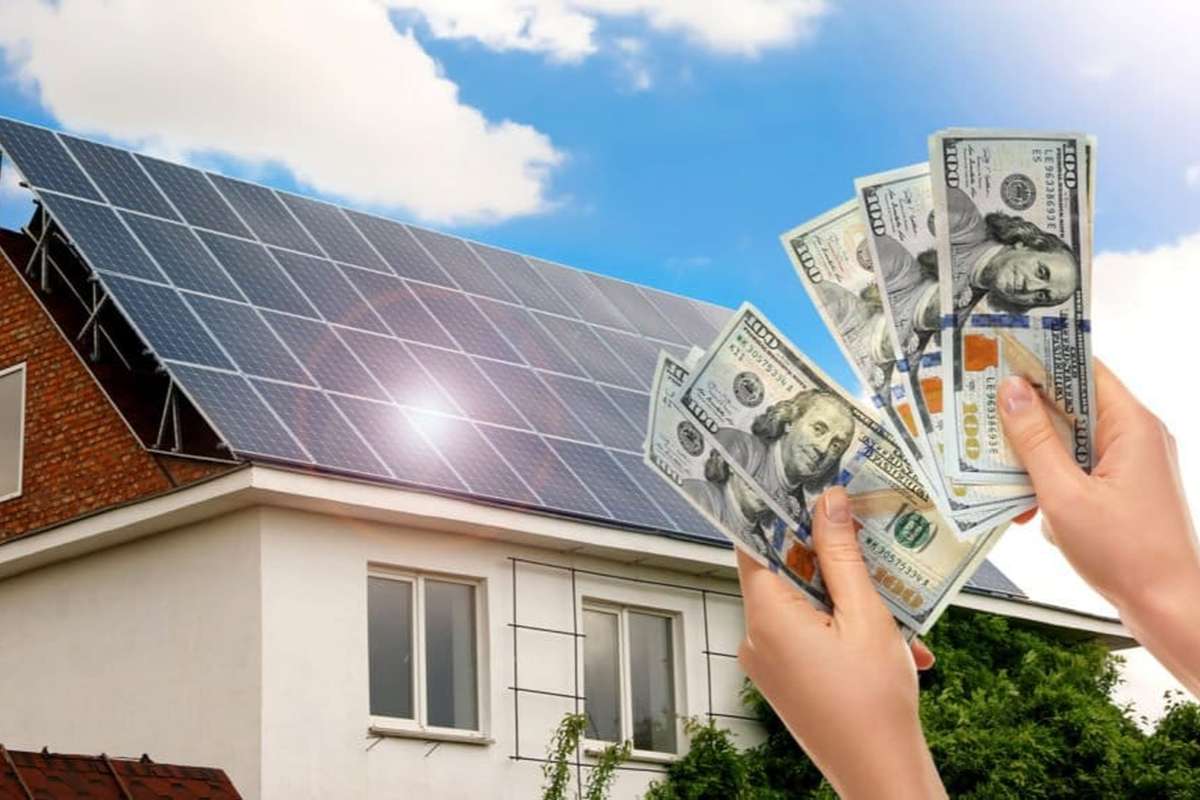
Financing a photovoltaic solar system requires evaluating options like home equity loans, HELOCs, dedicated solar loans from specialized lenders, and government-backed programs such as FHA Title I or Fannie Mae HomeStyle energy mortgages. The best financing choice depends on your credit profile, home equity, local incentives, and whether you prefer fixed monthly payments or unsecured borrowing.
Transitioning a residential property to renewable energy represents one of the most substantial capital investments a homeowner can make. While falling hardware costs have made solar panels more accessible, the upfront capital required for a complete photovoltaic (PV) array—often ranging from $15,000 to $30,000 before incentives—means that most property owners look beyond out-of-pocket cash. Choosing the right financing vehicle is critical to maximizing your return on investment (ROI), ensuring long-term utility savings, and maintaining financial flexibility.
When evaluating solar loans, borrowers must look past simple promotional interest rates to analyze total loan costs, dealer fees, origination charges, and how the financing structure interacts with the federal Residential Clean Energy Credit. Because the solar lending market includes specialized fintech lenders, traditional credit unions, and government-backed programs, navigating the landscape requires a clear understanding of your financial profile and property equity.
Understanding Solar Financing: Cash vs. Loans vs. Leases
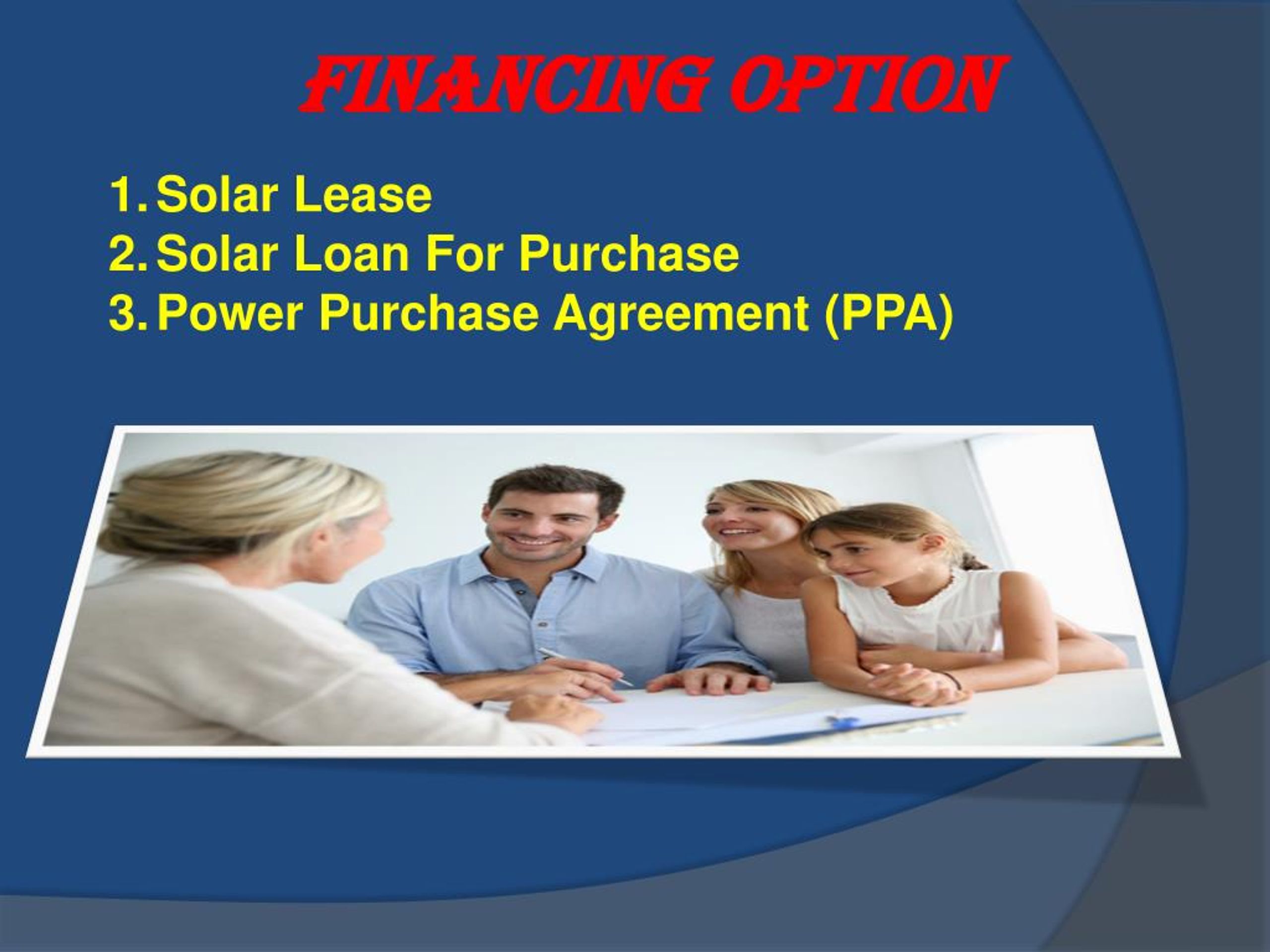
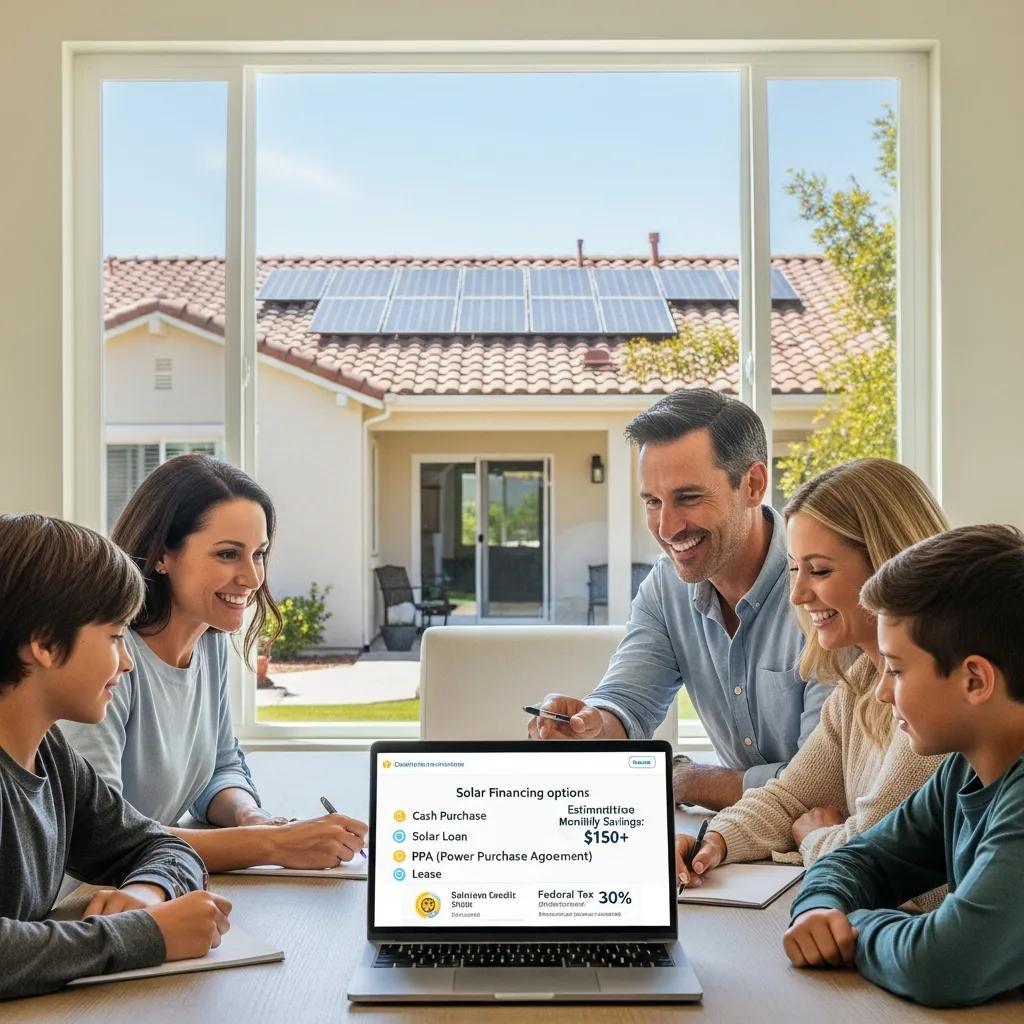
Before selecting a specific loan product, it is helpful to understand how loans compare to other payment methods. While cash purchases offer the fastest path to payback by eliminating interest and fees, they require significant liquid capital. Conversely, third-party ownership models such as solar leases and Power Purchase Agreements (PPAs) allow homeowners to install systems with little to no money down, but they forfeit eligibility for federal tax incentives and can complicate future home sales.
Solar loans bridge this gap. By financing the system through a loan, the homeowner retains legal ownership of the hardware. This ownership is the prerequisite for claiming the federal solar tax credit (Section 25D), which allows taxpayers to deduct a significant percentage of the installation cost from their federal tax liability. Furthermore, owned solar systems add permanent appraised value to the property, whereas leased systems often require buyout negotiations or lease transfers when selling a home.
1. Home Equity Loans (HELOs)
A home equity loan allows homeowners to borrow a lump sum against the equity built up in their property. These loans typically feature fixed interest rates and predictable, equal monthly payments over a set repayment term, usually ranging from 5 to 30 years.
How Home Equity Loans Work for Solar
When you secure a home equity loan, the lender places a second lien on your property. Because the loan is secured by real estate, interest rates are generally lower than those associated with unsecured personal loans or contractor-arranged financing. Once the loan is funded, you receive the cash upfront to pay the solar installer directly, positioning you as a cash buyer during negotiations.
Advantages and Considerations
- Tax Deductibility: Under current IRS guidelines, interest paid on home equity loans may be tax-deductible if the funds are used to substantially improve the qualified residence (consult a certified tax professional for individual guidance).
- Lower Interest Rates: Secured borrowing inherently carries less risk for the lender, translating to more favorable APRs for qualified borrowers.
- Closing Costs and Appraisal Fees: Establishing a home equity loan often incurs appraisal fees, title searches, and administrative closing costs that can add hundreds of dollars to the upfront expense.
- Property Risk: Because your home serves as collateral, failure to make monthly payments puts you at risk of foreclosure.
2. Home Equity Lines of Credit (HELOCs)
A Home Equity Line of Credit functions as a revolving credit line, much like a credit card, but is secured by your home's equity. HELOCs typically feature a "draw period" (often 5 to 10 years) during which you can borrow as needed and make interest-only payments, followed by a "repayment period" (often 10 to 20 years) where principal and interest are amortized.
Utilizing a HELOC for Photovoltaic Projects
A HELOC provides unique flexibility for solar installations, particularly if your project involves phased upgrades—such as combining panels with a home battery storage system or an electric vehicle (EV) charging station. You draw funds only as installation milestones are completed, minimizing the interest accrued during the construction phase. Many HELOCs also offer the option to convert variable-rate draws into fixed-rate tranches, providing stability against rising interest rate environments.
Pros and Cons
- Flexibility: Draw funds incrementally and pay interest only on what you use during the installation phase.
- Introductory Rates: Lenders frequently offer competitive promotional rates for the first 6 to 12 months.
- Variable Interest Rates: Most HELOCs feature variable rates tied to the prime rate, meaning your monthly payments can increase over time.
- Complex Repayment Structure: The transition from interest-only payments to principal-plus-interest can result in "payment shock" if not managed carefully.
3. Specialized Unsecured Solar Loans
Many financial technology companies and credit unions offer specialized unsecured personal loans specifically tailored for home energy improvements. Unlike HELOCs or home equity loans, these products do not require a lien on your property, protecting your home equity while streamlining the approval process.
Characteristics of Dedicated Solar Loans
Specialized solar loans often feature rapid approval times—sometimes within minutes—and do not require a home appraisal. Loan amounts generally range from $10,000 to $100,000 with repayment terms spanning 5 to 25 years. However, because these loans are unsecured, lenders rely heavily on your credit score and debt-to-income (DTI) ratio to determine your APR.
The Dealer Fee Caveat
When working with solar installation companies that offer "in-house" financing, homeowners must be vigilant regarding dealer fees. Installers often partner with lenders to offer low promotional rates (e.g., 1.99% or 2.99%), but these low rates are subsidized by upfront dealer fees ranging from 10% to 30% of the total project cost. Borrowers should always request a cash price versus a financed price to determine whether a higher-rate loan with zero dealer fees provides a more cost-effective total outcome.
4. FHA Title I Property Improvement Loans
For homeowners who lack substantial equity or traditional prime credit scores, government-backed programs provide a viable alternative. The Federal Housing Administration (FHA) administers the Title I loan program, which insures loans made by private lenders for home improvements that substantially protect or improve the basic livability or utility of a property, including solar energy systems.
Program Requirements and Structure
FHA Title I loans can be secured or unsecured, depending on the borrowed amount. Loans under $7,500 are typically unsecured, while larger loans (up to $25,000 for single-family homes) require a property lien or deed of trust. Repayment terms extend up to 20 years.
To qualify, borrowers must demonstrate a stable income and the ability to make monthly payments, but credit score thresholds are often more flexible than those enforced by conventional prime lenders. Furthermore, these loans are assumable under certain conditions, which can be an attractive feature if you sell your home.
5. Fannie Mae HomeStyle Energy Mortgages
Fannie Mae’s HomeStyle Energy financing program is designed to help borrowers incorporate energy-efficiency improvements, including solar panel installations, into a purchase or refinance mortgage transaction.
Leveraging Mortgage Financing for Solar
Instead of taking out a separate secondary loan, HomeStyle Energy allows you to finance up to 15% of the "as-completed" appraised value of the property for energy upgrades. By rolling the cost of the solar installation into a primary mortgage, homeowners secure long-term, fixed-rate financing (typically 15 or 30 years) with interest rates that closely mirror prevailing primary mortgage rates.
This approach is particularly powerful for home buyers purchasing a property with the intent to install solar immediately, as it avoids the need to stack multiple loan payments. It also leverages the lower interest rates associated with primary real estate debt compared to unsecured consumer loans.
Comparison of Solar Financing Options
| Loan Type | Typical APR Range | Collateral Required | Best Suited For | Key Consideration |
|---|---|---|---|---|
| Home Equity Loan | Moderate (Fixed) | Yes (Second Lien) | Homeowners with strong equity seeking predictable lump-sum funding. | Incurs closing costs and puts home equity at risk. |
| HELOC | Variable to Fixed | Yes (Second Lien) | Phased projects (solar + batteries) needing flexible draw periods. | Variable rates can rise; risk of payment shock after draw period. |
| Unsecured Solar Loan | Higher (Fixed) | No | Borrowers wanting fast approval without risking property equity. | Watch out for high dealer fees hidden in promotional rates. |
| FHA Title I Loan | Moderate to High | Varies by Amount | Borrowers with moderate credit or limited home equity. | Capped loan limits ($25,000 for single-family homes). |
| HomeStyle Energy Mortgage | Low to Moderate | Yes (First Mortgage) | Home buyers purchasing a home or refinancing an existing mortgage. | Involves refinancing costs and mortgage underwriting timelines. |
Key Factors to Evaluate Before Signing
Navigating loan documents requires careful attention to detail. Before committing to any solar financing agreement, evaluate the following parameters:
- Total Cost of Ownership: Calculate the total sum of all monthly payments, interest, origination fees, and dealer fees over the life of the loan. Compare this figure against your projected utility bill savings.
- Tax Credit Integration: Ensure the loan structure allows you to claim the federal residential clean energy credit. If you receive a tax credit lump sum, verify whether your lender requires a "re-amortization" (re-recycling the tax credit into the principal to lower future monthly payments) or if you keep the funds outright.
- Prepayment Penalties: Select a loan that does not penalize you for paying off the balance early. The ability to make extra principal payments or clear the debt after receiving your tax refund or state rebates is a valuable financial safeguard.
- Installer Reliability: Verify that the lender works with certified, reputable installers holding valid state contractor licenses and good standing with the Better Business Bureau.
Frequently Asked Questions
Can I get a solar loan with bad credit?
Yes, options exist for borrowers with less-than-perfect credit, though interest rates will be higher. FHA Title I loans and specialized consumer lenders often evaluate overall financial stability and debt-to-income ratio rather than relying solely on FICO scores. Homeowners with lower credit scores should carefully weigh whether high interest rates erode the financial benefits of going solar.
How does the federal tax credit work with solar loans?
When you own the solar system through a cash purchase or a loan, you are eligible for the federal residential clean energy credit. This tax credit equals a percentage of the total installed cost. You claim this credit on your federal tax return for the year the installation is completed. Some lenders allow you to pay a lower monthly payment for the first 12 to 18 months, anticipating that you will apply your tax refund directly toward the loan principal.
Are there hidden fees in solar financing?
The most common hidden costs in solar lending are dealer fees. When a solar contractor quotes an unusually low interest rate (such as 0.99% or 1.99%), they are often paying a massive fee to the lender behind the scenes, which is quietly added to the gross cost of your solar contract. Always ask your installer for a transparent breakdown showing the cash price versus the financed price.
What happens to my solar loan if I sell my house?
If you sell your home before the solar loan is fully paid off, you generally have two choices: pay off the remaining loan balance using the proceeds from the home sale, or have the buyer assume the loan (subject to lender approval). Because owned solar systems increase home appraisal values, many sellers incorporate the remaining loan balance into the final sale price.
Next Steps and Professional Guidance
To begin your solar financing journey, start by obtaining at least three independent quotes from licensed local solar contractors. Request a detailed breakdown of cash pricing, projected energy production, equipment specifications, and available financing structures. Consult with a qualified financial advisor or tax professional to review your tax liability, equity position, and how a prospective loan aligns with your long-term financial plan.