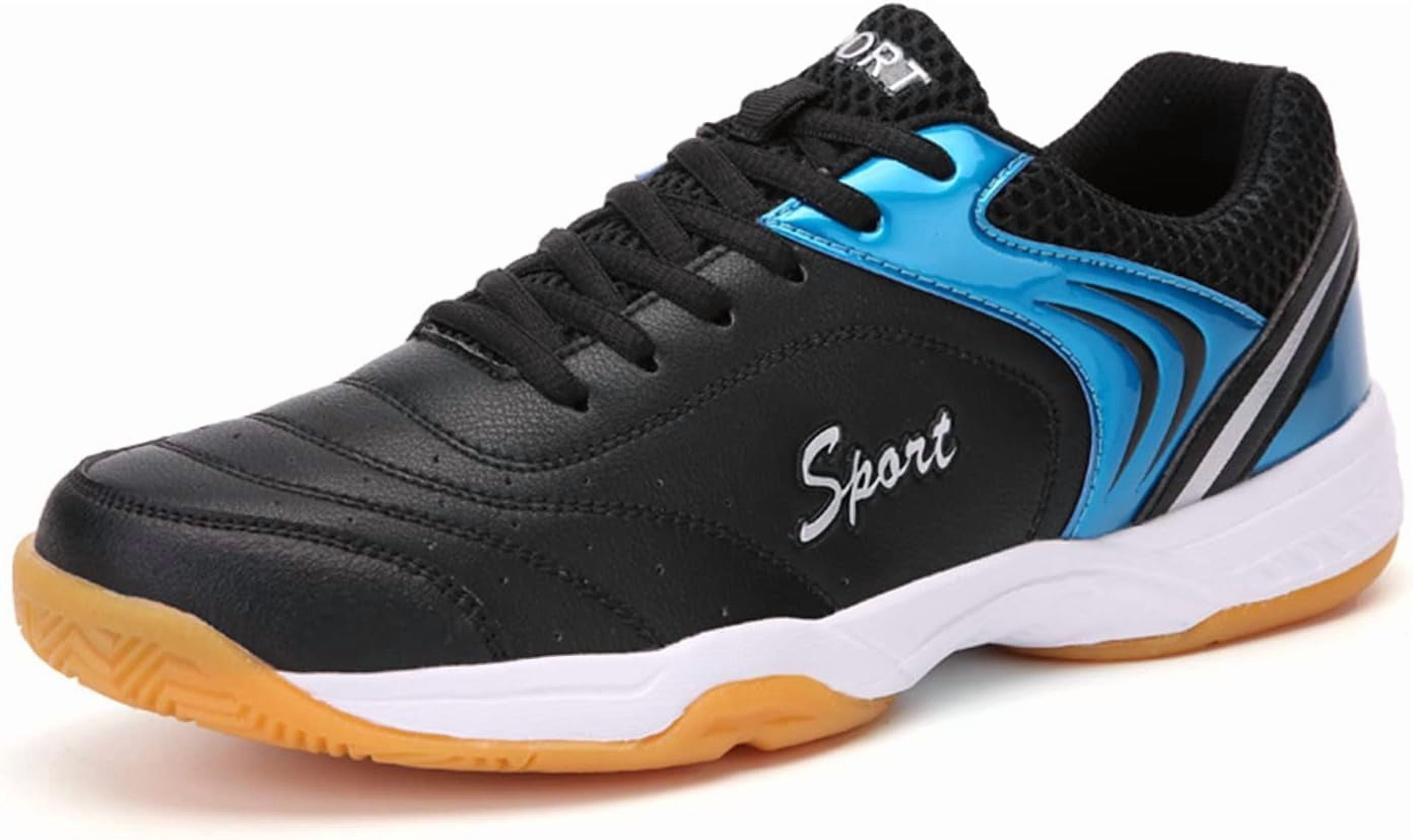
Finding the right indoor court shoes requires balancing traction, lateral support, cushioning, and durability to match your specific sport and playing style. Whether you play badminton, squash, pickleball, volleyball, or table tennis, proper footwear prevents injuries, enhances agility, and maximizes court performance on hardwood and synthetic surfaces.
Choosing the ideal pair of indoor court shoes can feel overwhelming given the vast array of options available on the market. Unlike running shoes designed for linear, forward-motion impact, indoor court shoes are engineered to withstand multidirectional forces, quick pivots, hard stops, and explosive lateral movements. When you step onto a basketball court, gymnasium floor, or dedicated squash court, your feet demand a unique combination of gum-rubber outsoles for non-marking grip, reinforced sidewalls for lateral stability, and targeted midsole cushioning to absorb shock upon landing. Because every racket or team sport player has a different biomechanical profile, foot width, and positional demand, a single universal shoe does not exist. Instead, manufacturers design specialized models targeting speed, stability, impact absorption, or all-around versatility. Evaluating your primary sport, court surface condition, and personal foot anatomy will guide you toward the best investment for your game.
Understanding Indoor Court Shoe Anatomy
Before evaluating specific footwear models, understanding the core structural components of an indoor court shoe helps clarify why running or cross-training shoes fail on indoor surfaces. Outdoor running shoes prioritize vertical cushioning and heel-to-toe drop, featuring outsoles with deep treads optimized for dirt, asphalt, or concrete. Conversely, indoor court shoes feature flat, low-to-the-ground profiles that lower your center of gravity, drastically reducing the risk of ankle rolls during sudden lateral cuts.
The outsole represents the most critical element of any indoor shoe. Premium indoor models utilize specialized gum rubber or high-traction rubber compounds designed not to leave scuff marks on polished hardwood or synthetic polyurethane floors. The tread patterns usually feature herringbone, circular pivot points, or multi-directional geometric grooves. These patterns maximize surface contact, channeling away dust and sweat to maintain friction during explosive sprints and sudden decelerations.
Upper construction and lateral stabilization systems work hand-in-hand to keep your foot locked securely over the footbed. Brands integrate synthetic overlays, welded TPU (Thermoplastic Polyurethane) cages, and reinforced mesh to prevent the foot from sliding sideways over the midsole edge during aggressive lateral movements. Cushioning technologies vary widely; lightweight foam variants like EVA, proprietary polyurethane blends, or pressurized air units provide varying degrees of energy return and joint protection. Heavy players or volleyball jumpers generally require thicker shock absorption, while agile badminton and squash players favor minimal, responsive cushioning for lightning-fast court coverage.
Evaluating the Top 5 Indoor Court Shoes
Selecting the top performers requires examining real-world court demands, grip reliability, durability under friction, and ergonomic fit. The following selection represents five distinct categories of footwear tailored to diverse player preferences and athletic profiles.
1. Best for Agility and Speed: Asics Netburner Ballistic FF 3
The Asics Netburner Ballistic FF 3 is engineered for dynamic indoor athletes who prioritize speed, quick transitions, and explosive vertical jumps. Primarily designed for volleyball and net sports, this shoe incorporates Asics' signature FlyteFoam Propel technology in the midsole, delivering responsive bounce and lightweight cushioning.
- Key Technologies: FlyteFoam Propel, 3D Space Construction for stability, and Twistruss technology for enhanced cutting speed.
- Outsole Performance: The NC Rubber outsole utilizes a modified herringbone pattern that bites aggressively into wooden gymnasium floors without sacrificing the ability to pivot smoothly.
- Fit and Comfort: Features a snug, anatomical fit with a padded collar. Players with extra-wide feet may need to size up or look for wide-specific variants.
- Ideal Player Profile: Wing spikers, setters, and agile pickleball or badminton players who make rapid multi-directional adjustments.
2. Best for Maximum Stability and Lateral Support: Adidas Crazyflight 5
For players who execute heavy landings and powerful lateral stops, the Adidas Crazyflight 5 offers elite structural integrity. Adidas integrates its responsive Boost or Lightstrike cushioning platforms, providing high energy return while maintaining a stable, wide platform under the forefoot.
- Key Technologies: Lightstrike cushioning, durable mesh upper made with recycled materials, and integrated midfoot stabilization bands.
- Outsole Performance: High-traction rubber outsole wraps slightly up the medial side, offering extended grip zones during deep lunges and sliding defensive recoveries.
- Fit and Comfort: True-to-size length with a generous toe box, making it comfortable for players who experience forefoot cramping in narrow athletic shoes.
- Ideal Player Profile: Middle blockers, aggressive squash players, and indoor soccer or futsal enthusiasts requiring robust ankle and arch support.
3. Best for Racket Sports and Quick Footwork: Yonex Power Cushion Aerus Z2
When ounces matter and fractions of a second dictate whether you reach a drop shot or a smash, the Yonex Power Cushion Aerus Z2 stands out as one of the lightest badminton shoes on the market. Weighing significantly less than standard court shoes, it reduces leg fatigue over long tournament matches.
- Key Technologies: Power Cushion+ midsole material designed to absorb shock and reverse impact energy into forward propulsion, alongside a seamless upper design.
- Outsole Performance: Hexagrip rubber outsole pattern provides agile, non-slip traction that facilitates instantaneous 360-degree footwork rotations.
- Fit and Comfort: Ultra-lightweight mesh creates a glove-like, minimalist fit with minimal break-in time required.
- Ideal Player Profile: Competitive badminton, squash, and table tennis players who rely on blindingly fast foot speed and lightweight agility.
4. Best All-Around Versatility: Nike Zoom Vapor Pro 2 (Hard Court / Indoor Adaptation)
While often categorized as a tennis shoe, the modified-tread versions of the Nike Zoom Vapor Pro 2 perform exceptionally well on indoor tennis, pickleball, and multipurpose gymnasium surfaces. It bridges the gap between low-profile speed and responsive cushioning.
- Key Technologies: Zoom Air unit in the forefoot for springy responsiveness, reinforced asymmetrical lacing, and a supportive sleeve construction.
- Outsole Performance: Modified herringbone rubber designed to balance sliding control with immediate grip on indoor acrylic and wood surfaces.
- Fit and Comfort: Low-profile design that hugs the foot tightly. Players with high arches may want to swap out the stock insoles for specialized orthotics.
- Ideal Player Profile: Pickleball players, tennis enthusiasts playing indoor club leagues, and multi-sport athletes seeking sleek aesthetics paired with proven performance.
5. Best Value and Durability: Mizuno Wave Lightning Z7
Mizuno has long been a staple in indoor court sports, and the Wave Lightning Z7 delivers exceptional durability and impact distribution without an exorbitant price tag. Its signature Parallel Wave plate disperses shock uniformly across the sole rather than concentrating force on the heel or ball of the foot.
- Key Technologies: Mizuno Wave plate technology, D-Flex Groove for natural foot flexing during fast acceleration, and DynamotionFit upper.
- Outsole Performance: Non-marking rubber outsole with optimized flex grooves that bend naturally with the foot arch during lunges and sprints.
- Fit and Comfort: Balanced medium width with a secure heel counter that eliminates slippage and blistering.
- Ideal Player Profile: Recreational and competitive league players who need a durable, reliable shoe that withstands heavy weekly court usage.
Comparison of Top Indoor Court Shoes
| Shoe Model | Primary Sport Focus | Outsole Traction Type | Cushioning Technology | Weight Category | Best For |
|---|---|---|---|---|---|
| Asics Netburner Ballistic FF 3 | Volleyball / Net Sports | Modified Herringbone | FlyteFoam Propel | Medium-Light | Vertical jumps & speed |
| Adidas Crazyflight 5 | Multi-Sport / Volleyball | Wrapped High-Traction | Lightstrike / Boost | Medium-Heavy | Maximum lateral stability |
| Yonex Power Cushion Aerus Z2 | Badminton / Racket Sports | Hexagrip Rubber | Power Cushion+ | Ultra-Light | Lightning-fast footwork |
| Nike Zoom Vapor Pro 2 | Pickleball / Tennis | Modified Herringbone | Zoom Air | Medium | All-around court agility |
| Mizuno Wave Lightning Z7 | Indoor Team Sports | Flex-Groove Rubber | Mizuno Wave Plate | Medium | Durability & shock dispersion |
How to Choose the Right Pair for Your Playing Style
Selecting the correct model requires matching your physical build, playing style, and injury history with the structural traits of the footwear. A heavy-set player or someone recovering from patellar tendinitis requires a shoe featuring advanced shock absorption, such as the Adidas Crazyflight or Mizuno Wave Lightning, to cushion impact forces upon landing. Conversely, a nimble, lightweight player focused on rapid lateral cuts in badminton or squash will benefit immensely from the featherlight construction of the Yonex Power Cushion Aerus Z2.
Furthermore, consider your foot morphology. Brands like Asics and Nike often feature a narrower, more tapered fit, whereas Adidas and Mizuno frequently accommodate standard to slightly wider forefeet. Trying shoes on later in the day—when your feet are naturally slightly swollen from activity—ensures a more accurate sizing assessment. Always wear the exact sports socks you intend to use during matches when testing new court shoes to gauge proper toe box clearance and heel lock.
Maintenance and Care for Indoor Court Shoes
To maximize the lifespan and performance of your indoor court shoes, proper maintenance is essential. Outdoor debris, dust, and gravel can permanently degrade soft gum-rubber outsoles, reducing traction and causing dangerous slips on polished wooden floors.
- Dedicate Shoes Exclusively to Indoor Use: Never wear your indoor court shoes outdoors on asphalt or concrete. Doing so rapidly wears down the specialized soft rubber tread, blunts the grip pattern, and introduces abrasive grit into the gym.
- Clean the Outsoles Regularly: Wipe the bottom of your shoes with a damp cloth or a specialized sticky traction pad before stepping onto the court. Dust accumulation is the primary cause of slipping on indoor surfaces.
- Air Them Out: Remove the insoles after heavy matches and allow the shoes to air dry in a well-ventilated room. Avoid machine washing or using high-heat dryers, as excessive heat degrades midsole foam integrity and weakens adhesive bonds.
Frequently Asked Questions
Can I use running shoes for indoor court sports?
No, running shoes are strictly discouraged for indoor court sports. Running shoes feature high heels, narrow bases, and aggressive outdoor tread patterns designed for forward motion. This design dramatically increases the risk of ankle sprains, rolls, and instability during lateral cuts, stops, and pivots common in court sports.
Why do indoor court shoes feature gum rubber outsoles?
Gum rubber and specialized non-marking rubber compounds provide maximum friction and grip on smooth indoor surfaces like hardwood, polyurethane, and sport tiles without leaving unsightly scuff marks or streaks behind.
How often should I replace my indoor court shoes?
For regular players competing two to three times a week, indoor court shoes typically last between six to twelve months. Signs that replacement is necessary include flattened midsole cushioning, worn-out tread patterns resulting in sliding, and fraying upper materials that compromise lateral foot containment.
Are badminton shoes suitable for pickleball or volleyball?
Yes, badminton and squash shoes make excellent choices for pickleball and fast-paced indoor sports because they prioritize extreme agility, low-to-the-ground court feel, and multi-directional grip. However, players needing heavy vertical cushioning for high-impact volleyball jumps may prefer dedicated volleyball models.
How tight should indoor court shoes fit?
Indoor court shoes should fit snugly around the midfoot and heel to prevent internal sliding during sharp cuts, while leaving roughly a thumb's width of space between your longest toe and the front of the shoe to prevent jammed toes during aggressive stops.
Final Recommendation
Investing in a dedicated pair of indoor court shoes transforms your on-court performance, enhances your agility, and protects your joints from repetitive impact. If you need maximum speed and lightweight agility, choose the Yonex Power Cushion Aerus Z2. For an ideal balance of responsive cushioning, robust stability, and all-around durability, the Asics Netburner Ballistic FF 3 or Mizuno Wave Lightning Z7 provide exceptional value and performance for dedicated athletes. Assess your specific sport demands, check your foot shape, and select a model that keeps you secure and confident on every step of the court.