Uruguay offers a stable democracy, low crime rates, high economic freedom, and a relaxed coastal lifestyle, making it one of the most attractive destinations in South America for expatriates, retirees, and remote workers. Selecting the right place to live depends on whether you seek urban sophistication, a quiet beachside retreat, or a traditional agricultural community.
Uruguay is widely recognized as one of the most politically stable and economically sound nations in Latin America. For individuals considering a relocation—whether for retirement, remote work, or a change of pace—the country offers a unique blend of European-style infrastructure, modern healthcare, and a tranquil, unhurried culture known locally as tranquilo. However, because lifestyle preferences and financial realities vary significantly from person to person, choosing the right city is a crucial step in ensuring a successful transition.
This guide examines the five best cities to live in Uruguay, evaluating their unique characteristics, cost of living, infrastructure, healthcare access, and lifestyle appeal to help you determine which location matches your personal goals.
1. Montevideo: The Cosmopolitan Capital
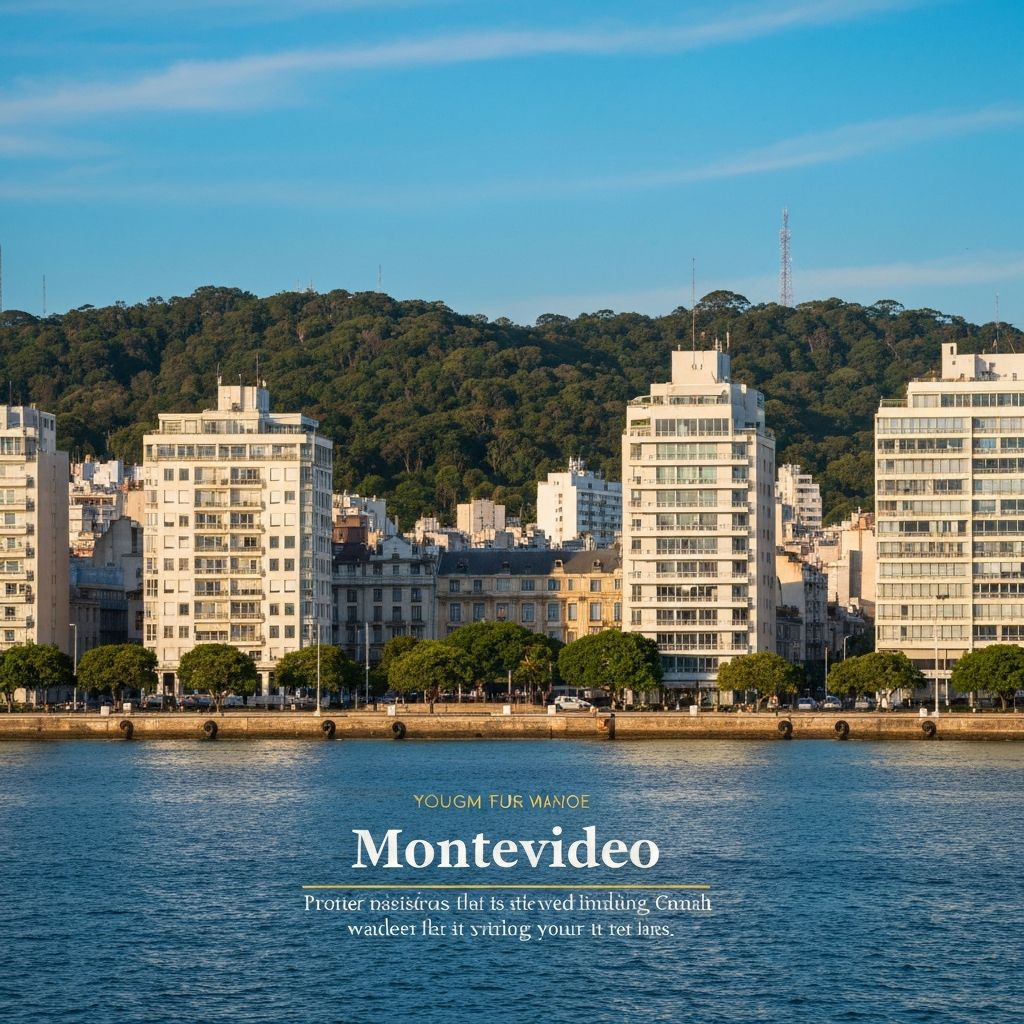
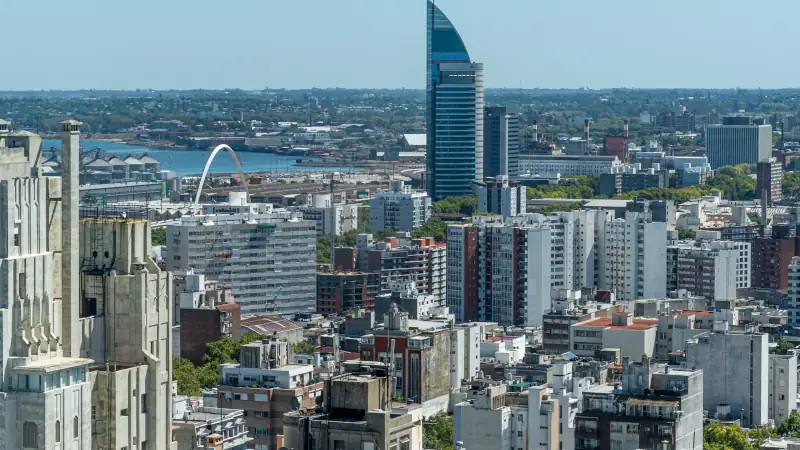
As the capital and largest city, Montevideo is home to roughly one-third of the country's population. It functions as the cultural, economic, and political heart of Uruguay. For newcomers who prefer a bustling urban environment with theaters, museums, large shopping malls, and international dining, Montevideo is the primary destination.
Lifestyle and Neighborhoods
Montevideo stretches along the Río de la Plata, boasting a 22-kilometer-long coastal promenade known as the Rambla. Residents use the Rambla daily for walking, running, cycling, and socializing. Distinct neighborhoods offer vastly different atmospheres:
- Pocitos and Punta Carretas: These are the most popular neighborhoods for expatriates and upper-middle-class locals. They feature high-rise apartment buildings, trendy cafes, boutique shopping, and immediate proximity to the beach.
- Ciudad Vieja: The historic downtown district is ideal for those who appreciate colonial architecture, art galleries, and a bohemian vibe, though it tends to quiet down significantly after business hours.
- Carrasco: Located further east toward the airport, Carrasco offers a quiet, upscale suburban feel with leafy streets, stately mansions, and high-end boutiques.
Infrastructure and Healthcare
Montevideo features the most advanced infrastructure in the country. It has reliable public transportation, high-speed fiber-optic internet, and an extensive network of private and public healthcare facilities. Major private hospitals, such as the Hospital de Clínicas and the Asociación Española, provide world-class medical care that rivals North American and European standards, often accessible via affordable private health insurance plans (emergencia móvil and mutualistas).
Cost of Living
Living in Montevideo is more expensive than in the rest of the country. Rent for a modern one- or two-bedroom apartment in Pocitos or Punta Carretas ranges from $800 to $1,500 USD per month, excluding utilities. Imported goods, dining out, and entertainment carry a higher price tag due to national import tariffs.
2. Punta del Este: The Glamorous Coastal Haven
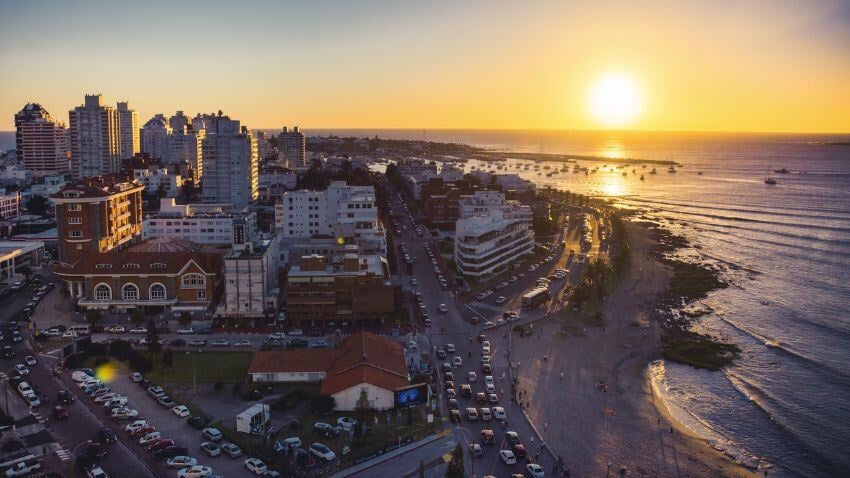
Punta del Este is internationally renowned as South America’s premier luxury beach resort. Located in the Maldonado Department where the Río de la Plata meets the Atlantic Ocean, it attracts wealthy tourists, celebrities, and international investors during the Southern Hemisphere summer (December to February). However, beyond its high-end seasonal reputation, it has evolved into a thriving year-round community for expatriates.
Lifestyle and Neighborhoods
Punta del Este is divided into distinct zones. The peninsula itself marks the point where the calm waters of the river meet the rougher waves of the ocean.
- La Peninsula: The commercial and historical center, featuring avenues lined with shops, restaurants, and the famous La Mano sculpture emerging from the sand.
- La Barra and Jose Ignacio: Located further east, these areas offer an artsy, bohemian-chic atmosphere with designer boutiques, surf culture, and upscale rural dining.
- Playa Mansa and Playa Brava: The two primary beaches flanking the peninsula, offering calm waters on the west side and dramatic waves on the east side.
Infrastructure and Expatriate Community
Punta del Este features exceptionally modern infrastructure, including well-maintained roads, reliable utilities, and private international schools. The healthcare system is robust, anchored by private facilities like the Sanatorio Cantegril. The city hosts a large, well-established international community, making it easy for non-Spanish speakers to integrate, find English-speaking professionals, and build social networks.
Cost of Living
Punta del Este is arguably the most expensive place to live in Uruguay. Real estate prices—both for purchasing and renting—peak here, particularly near the coast. While property rentals drop significantly during the off-season (March to November), daily living costs, dining, and services remain high year-round.
3. Colonia del Sacramento: Historic Charm and Strategic Proximity
Colonia del Sacramento sits on the banks of the Río de la Plata, directly across the water from Buenos Aires, Argentina. Founded by the Portuguese in 1680, its historic quarter—Barrio Histórico—is a UNESCO World Heritage site characterized by cobblestone streets, colonial-era stone walls, and old-growth plane trees.
Lifestyle and Atmosphere
Colonia offers an exceptionally peaceful, slow-paced lifestyle. It is ideal for retirees, writers, artists, and remote workers who want a picturesque historic environment without the congestion of a major metropolis. Life here revolves around leisurely walks along the river, dining at small family-owned bistros, and enjoying breathtaking sunsets over the water.
Connectivity and Transport
One of Colonia's greatest advantages is its strategic location. High-speed ferry services operated by Buquebus and Colonia Express connect the city to Buenos Aires in just over an hour. This makes it exceptionally convenient for residents who need access to a major international hub, specialized medical specialists, or cultural events in Argentina. Furthermore, Montevideo is less than a two-hour drive away via Route 1.
Healthcare and Cost of Living
Colonia features adequate local healthcare facilities, including private clinics (asistenciales), though major complex medical procedures are typically referred to Montevideo. The cost of living is noticeably lower than in Montevideo and Punta del Este. Renting a charming home or apartment in or near the historic district is generally more affordable, and everyday expenses such as groceries and local services reflect a modest provincial budget.
4. Salto: Thermal Waters and Northern Culture
Located in the northwestern region of Uruguay along the Uruguay River, Salto is the country's second-most populous city. Unlike the coastal orientation of Montevideo and Punta del Este, Salto offers a distinctly inland, regional character influenced by its proximity to Argentina and its agricultural roots.
Lifestyle and Attractions
Salto is famous for its thermal water springs (aguas termales), particularly the complex at Daymán, which draws visitors seeking relaxation and wellness tourism. The city itself features classic neoclassical architecture, lively public plazas, and a strong sense of local community. It is a warmer region climatically than southern Uruguay, experiencing hot summers and mild winters.
Economy and Infrastructure
Salto serves as an economic hub for northern Uruguay, supported by citrus farming, cattle ranching, and the nearby Salto Grande hydroelectric dam. While public infrastructure is solid, the city feels less international than Montevideo or Punta del Este, meaning that speaking conversational Spanish is much more important for daily life here.
Healthcare and Cost of Living
Salto boasts major medical institutions, including the Hospital Regional de Salto and private sanatoriums that serve the entire northern region of the country. The cost of living in Salto is significantly lower than in the capital. Real estate, local produce, dining out, and domestic services offer excellent value, making it an attractive destination for budget-conscious expatriates seeking authentic integration into Uruguayan culture.
5. La Paloma: The Laid-Back Atlantic Surf Town
Situated in the Rocha Department along the Atlantic coast, La Paloma is a rugged, nature-focused beach town. It appeals directly to those who want to escape urban life entirely and live surrounded by maritime pine forests, sand dunes, and pristine beaches.
Lifestyle and Environment
La Paloma is far less developed and commercialized than Punta del Este. Life here is deeply tied to the natural environment. Surfing, fishing, bird watching, and long walks along uncrowded beaches define the daily routine. The town retains a rustic, village-like charm where neighbors know one another and environmental preservation is a local priority.
Seasonal Dynamics
Like many coastal towns in Rocha, La Paloma experiences a sharp contrast between seasons. During the peak summer months of January and February, vacationers from Uruguay and Argentina fill the rental properties and beaches. From March through November, the town quiets down dramatically, offering absolute peace and solitude, though some local businesses reduce their operating hours.
Infrastructure and Cost of Living
Infrastructure in La Paloma is basic compared to Montevideo. While essential services, grocery stores, and local clinics are readily available, specialized medical care and large commercial centers require a trip to the nearby departmental capital of Rocha or further south to Maldonado. The cost of living is moderate; while coastal real estate can command high prices during peak season, long-term rental contracts for houses nestled in the pine trees are generally quite reasonable.
Comparative Overview of Uruguay's Top Cities
To help determine which city aligns with your lifestyle and budget, the following table compares key metrics across all five locations:
| City | Primary Vibe | Cost of Living | Healthcare Access | Expatriate Community | Best Suited For |
|---|---|---|---|---|---|
| Montevideo | Cosmopolitan, urban, cultural | High | Excellent (Private & Public) | Large and established | Professionals, urbanites, families |
| Punta del Este | Glamorous, beachside, luxury | Very High | Excellent (Private clinics) | Very large and diverse | Luxury seekers, investors, retirees |
| Colonia del Sacramento | Historic, quiet, riverside | Moderate | Good (Local clinics, easy transit) | Moderate | Writers, retirees, cross-border commuters |
| Salto | Regional, thermal springs, warm | Low to Moderate | Good (Regional hub) | Small | Budget-conscious retirees, nature lovers |
| La Paloma | Rustic, surf culture, natural | Moderate | Basic (Local clinics) | Small and growing | Surfers, nature enthusiasts, solitude seekers |
Frequently Asked Questions
What is the safest city to live in Uruguay?
Uruguay generally maintains the lowest crime rates in South America, and virtually all major cities and towns enjoy high levels of public safety compared to neighboring nations. Smaller towns and coastal villages in the Rocha department, such as La Paloma, as well as historic interior cities like Colonia del Sacramento, are frequently cited by residents as exceptionally safe and peaceful. However, standard urban precautions are still recommended in larger neighborhoods of Montevideo.
Can foreigners easily buy property in Uruguay?
Yes. Uruguayan law places virtually no restrictions on foreign nationals purchasing real estate. Foreign buyers enjoy the same legal property rights as citizens, requiring only a valid passport and a tax identification number (RUT or Cédula if a resident) to complete transactions. Working with a reputable local real estate attorney (escribano) is standard practice to ensure title clearance.
Do I need to speak Spanish to live in Uruguay?
While major expat hubs like Punta del Este and parts of Montevideo feature English-speaking professionals, real estate agents, and medical staff, Spanish is essential for daily life. In smaller cities like Salto, Colonia, and La Paloma, English is rarely spoken. Learning conversational Spanish significantly eases integration, administrative tasks, and social interactions.
What is the healthcare system like for foreign residents?
Uruguay operates a dual healthcare system comprising public hospitals (ASSE) and private networks (mutualistas). Legal residents are eligible to enroll in the national health insurance system (FONASA if employed) or purchase private coverage directly. Private healthcare in Uruguay is modern, efficient, and significantly more affordable than comparable care in the United States.
Next Steps for Relocating to Uruguay
Choosing where to live in Uruguay is the first step in a rewarding international transition. If you are seriously considering a move, start by visiting your top two choices during different times of the year—particularly experiencing both the high summer season and the quieter winter months. Consult with an immigration attorney to review residency visa requirements, such as the legal retirement income program (jubilados) or tax residency incentives. By conducting thorough on-the-ground research, you can secure a location that matches your financial plan and lifestyle aspirations.