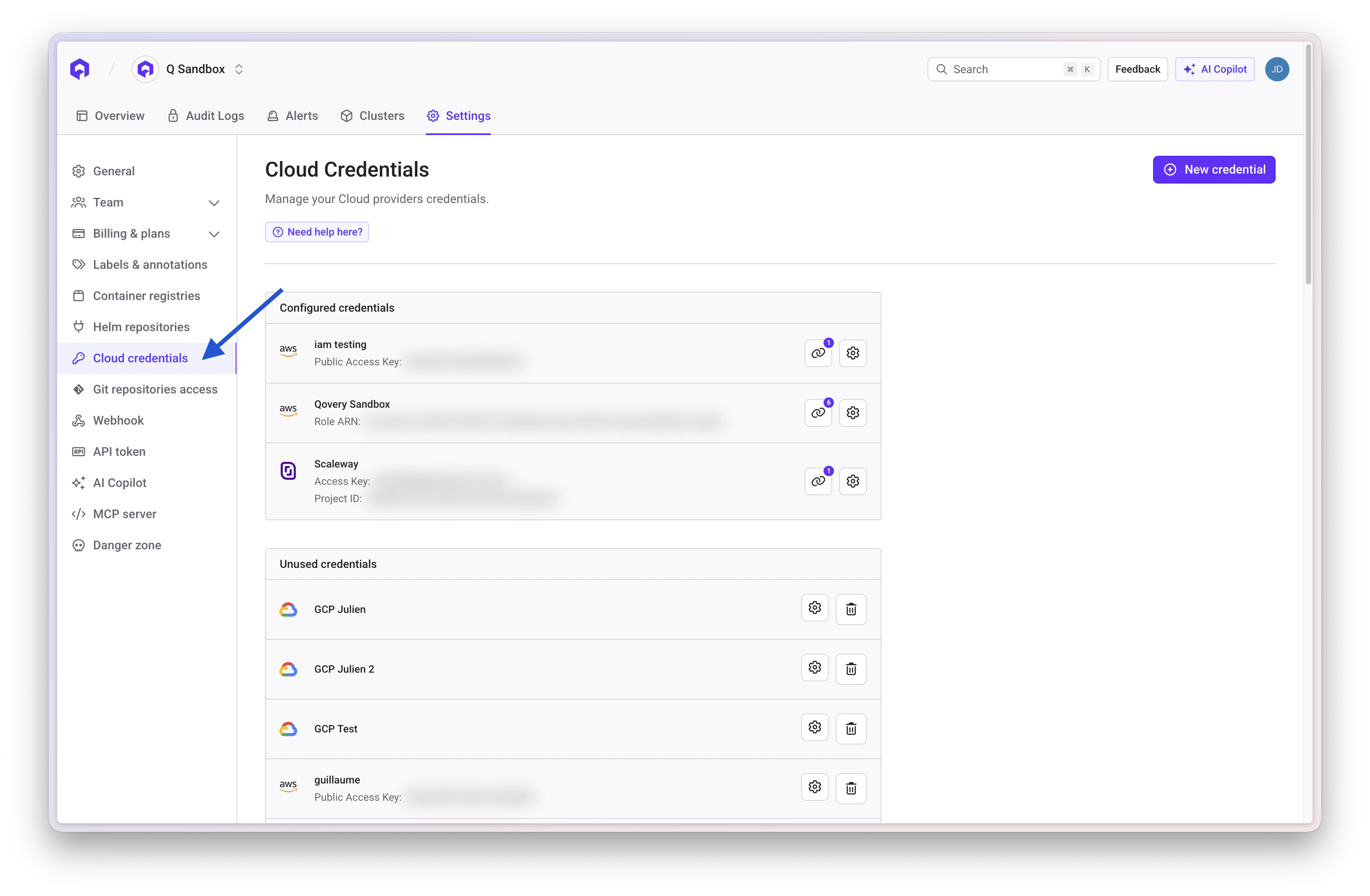
Securing cloud architecture requires balancing strict cryptographic credentials management with multi-layered defensive strategies, compliance mappings, and rigorous identity controls. Establishing robust security protocols protects sensitive enterprise data, prevents unauthorized access, and maintains system integrity across dynamic, distributed environments.
Modern enterprise systems demand precise orchestration of identity access management, automated credential rotation, and perimeter defense layers. As cloud infrastructures expand to handle complex workloads, organizations face the ongoing challenge of securing authentication tokens, cryptographic keys, and application-to-application credentials. Understanding how these elements interact within a cohesive cloud architecture framework prevents configuration drift and mitigates the risk of catastrophic data breaches.
The Foundations of Cloud Architecture Security
Cloud architecture security is built upon the premise that traditional perimeter defenses are no longer sufficient. Perimeter-based models assume that everything inside the corporate network can be trusted, a philosophy rendered obsolete by remote workforces, multi-cloud deployments, and software-as-a-service integrations. Modern cloud environments require a zero-trust architecture, where every request—whether originating from inside or outside the network perimeter—must be authenticated, authorized, and encrypted.
At the core of this model lies identity and access management (IAM). IAM services act as the gatekeeper for all cloud resources, dictating which users, services, and applications can interact with specific databases, storage buckets, and compute instances. Implementing least-privilege access ensures that entities possess only the permissions strictly necessary to perform their designated functions, minimizing the potential blast radius of a compromised credential.
Furthermore, cloud security must be treated as code. Infrastructure as Code (IaC) templates allow security policies, network topologies, and access control lists to be defined, version-controlled, and audited alongside application source code. This approach ensures consistency across development, staging, and production environments, eliminating configuration drift that often introduces critical vulnerabilities.
---\
Credential Management and Lifecycle Controls
Credentials are the primary keys to any cloud environment. Whether dealing with passwords, API keys, SSH keys, or JSON Web Tokens (JWTs), improper handling of credentials remains one of the leading vectors for cloud security breaches.
Types of Cloud Credentials
Enterprise cloud environments typically utilize several distinct categories of credentials:
- User Credentials: Passwords and multi-factor authentication (MFA) tokens assigned to human operators, administrators, and developers.
- Service Account Keys: Long-lived credentials assigned to applications or virtual machines to allow programmatic interaction with cloud APIs.
- Cryptographic Keys (KMS): Master keys, symmetric keys, and asymmetric key pairs used to encrypt data at rest and in transit.
- OAuth and Federation Tokens: Short-lived tokens issued by identity providers (IdPs) like Okta, Azure AD, or Google Workspace to grant temporary access.
Automated Lifecycle Management
Relying on manual credential rotation is inherently prone to human error and oversight. Organizations must implement automated lifecycle management policies that enforce regular rotation schedules for high-privilege credentials. Secret management services—such as HashiCorp Vault, AWS Secrets Manager, or Azure Key Vault—provide centralized repositories where applications can fetch credentials dynamically at runtime rather than storing them statically in configuration files or environment variables.
- Application Runtime (Requests Short-Lived Token)
- Central Secret Vault (Issues Dynamic Token)
- Cloud API / Resource (Validates & Grants Temporary Access)
When an application requires access to a database or external API, it authenticates to the secret manager using a secure, machine-identity mechanism (such as an instance profile or a managed identity). The secret manager then generates a short-lived, ephemeral credential with an expiration time measured in minutes or hours. Once the task is complete, the credential expires automatically, neutralizing the threat posed by stolen or leaked tokens.
Architectural Paradigms and Security Controls
Deploying a secure cloud architecture involves segmenting workloads, implementing defense-in-depth strategies, and continuously monitoring resource states. Organizations must architect their environments with resiliency and visibility in mind.
Network Segmentation and Virtual Private Clouds (VPCs)
A flat network architecture allows lateral movement across servers if a single node is compromised. Modern cloud architecture relies on granular network segmentation using Virtual Private Clouds (VPCs), subnets, and security groups.
- Public Subnets: House resources that require direct interaction with the public internet, such as load balancers and edge proxies. These resources are tightly hardened and monitored.
- Private Subnets: Contain application servers and backend logic. These resources have no direct route to or from the internet and rely on NAT gateways for outbound updates.
- Isolated Subnets: Store highly sensitive data repositories, such as core databases and internal caching layers. These subnets are barred from any inbound internet access and accept traffic exclusively from authorized private application subnets.
Encryption Standards for Data Protection
Data protection must be maintained across three states: data at rest, data in transit, and data in use.
- Data at Rest: All persistent storage volumes, object stores, and database instances must be encrypted using robust algorithms such as Advanced Encryption Standard (AES-256). Enterprises should manage their own encryption keys through Cloud Key Management Services rather than relying entirely on default provider-managed keys, ensuring total revocation authority.
- Data in Transit: All communications between microservices, users, and external endpoints must be encrypted using Transport Layer Security (TLS 1.3 preferred). Mutual TLS (mTLS) should be enforced for service-to-service communication within the cluster to verify the identity of both client and server applications.
- Data in Use: Emerging technologies such as confidential computing utilize hardware-based trusted execution environments (TEEs) to encrypt data while it is being processed in memory, protecting against hypervisor-level attacks or malicious host administrators.
Compliance Frameworks and Governance
Aligning cloud architecture with recognized security frameworks ensures that technical controls meet legal, regulatory, and industry standards. Organizations must navigate a complex landscape of compliance mandates depending on their geographic operation and industry vertical.
| Framework / Standard | Primary Focus | Key Security Requirements |
|---|---|---|
| SOC 2 Type II | Service Organizations / SaaS | Security, availability, processing integrity, confidentiality, and privacy controls over a sustained period. |
| ISO/IEC 27001 | Information Security Management | Comprehensive risk management, continuous asset tracking, and rigorous security policy enforcement. |
| PCI-DSS | Payment Card Industry | Strict data isolation, encryption of cardholder data, continuous vulnerability scanning, and strict access controls. |
| HIPAA / HITECH | Healthcare Data Protection | End-to-end encryption of electronic protected health information (ePHI), audit logging, and signed Business Associate Agreements (BAAs). |
Governance tools such as Cloud Security Posture Management (CSPM) platforms continuously scan cloud environments against these compliance frameworks. They flag misconfigurations—such as publicly accessible storage buckets, overly permissive IAM roles, or unencrypted database volumes—and trigger automated remediation workflows to restore compliance posture instantly.
Common Security Pitfalls and Troubleshooting
Even with advanced tooling, architectural missteps can introduce critical vulnerabilities into cloud deployments. Identifying and resolving these failure points is essential for maintaining a resilient infrastructure.
Hardcoded Secrets in Source Code
A persistent vulnerability in cloud development is the inadvertent commitment of API keys, database connection strings, and private keys into public or private version control repositories.
- Impact: Attackers scrape repositories continuously, exploiting exposed credentials within minutes of publication to provision crypto-mining resources or exfiltrate customer data.
- Mitigation: Implement pre-commit hooks (such as GitGuardian or TruffleHog) to scan codebases locally before commits are pushed. Utilize centralized secret managers and ensure that code relies exclusively on runtime environment injection.
Overly Permissive IAM Policies
Developers often assign wildcard permissions ("Action": "*", "Resource": "*") during the initial development phase to expedite debugging, but these policies frequently make their way into production environments.
- Impact: A compromised application component gains total administrative control over the entire cloud infrastructure.
- Mitigation: Conduct regular automated IAM policy analysis. Use policy simulators provided by cloud vendors to test permissions against actual usage logs and strip away unused privileges.
Inadequate Audit Logging and Monitoring
Security teams cannot defend systems they cannot see. Failing to enable centralized audit logging—such as AWS CloudTrail, Google Cloud Audit Logs, or Azure Activity Logs—leaves organizations blind to unauthorized access attempts.
- Impact: Incident responders cannot reconstruct attack timelines, determine the scope of a data breach, or satisfy forensic requirements during compliance audits.
- Mitigation: Route all audit logs to an immutable, write-once-read-many (WORM) storage bucket. Integrate log streams with Security Information and Event Management (SIEM) systems and configure real-time anomaly detection alerts for suspicious API calls, such as mass data downloads or administrative role creations.
Frequently Asked Questions
What is the most critical security priority when designing a new cloud architecture?
The most critical priority is establishing a zero-trust identity perimeter combined with least-privilege access controls. Every component—human or machine—must be explicitly authenticated and authorized for every interaction, ensuring that a single compromised endpoint does not grant lateral access to the broader system.
How often should cloud credentials and cryptographic keys be rotated?
High-privilege administrative credentials and service account keys should be rotated automatically every 30 to 90 days. Cryptographic keys managed via a Key Management Service should generally be rotated annually, or immediately if an administrator with access to the key departs the organization or if a compromise is suspected.
What is the difference between data encryption at rest and data in transit?
Data at rest refers to static data stored in databases, object storage, or disk volumes, which is protected via algorithms like AES-256. Data in transit refers to data actively moving across public networks or internal subnets, which is secured using cryptographic protocols like TLS to prevent interception and tampering.
How can organizations prevent developers from hardcoding API keys in application code?
Organizations can prevent hardcoded secrets by integrating automated secret-scanning tools into the CI/CD pipeline, enforcing pre-commit checks, and adopting secret management services that inject credentials dynamically into application memory at runtime.
Why is network segmentation essential in a multi-tier cloud application?
Network segmentation limits the blast radius of a security breach. By isolating databases and backend processing layers into private subnets without direct internet access, organizations ensure that an attacker who compromises a public-facing web server cannot directly access or exfiltrate core data repositories.
Conclusion and Next Actions
Securing cloud architecture requires a continuous, disciplined commitment to identity management, automated credential lifecycle controls, strict network segmentation, and proactive compliance monitoring. Security is not a one-time configuration milestone but an ongoing operational posture that evolves alongside threat landscapes and business requirements.
To strengthen your organization's cloud posture immediately, conduct a comprehensive audit of all active IAM roles and service account keys to identify and eliminate overly permissive or abandoned credentials. Next, verify that centralized audit logging is active and immutable across all environments. Finally, integrate automated secret scanning into your development pipelines to ensure credentials never reside statically in source code repositories.