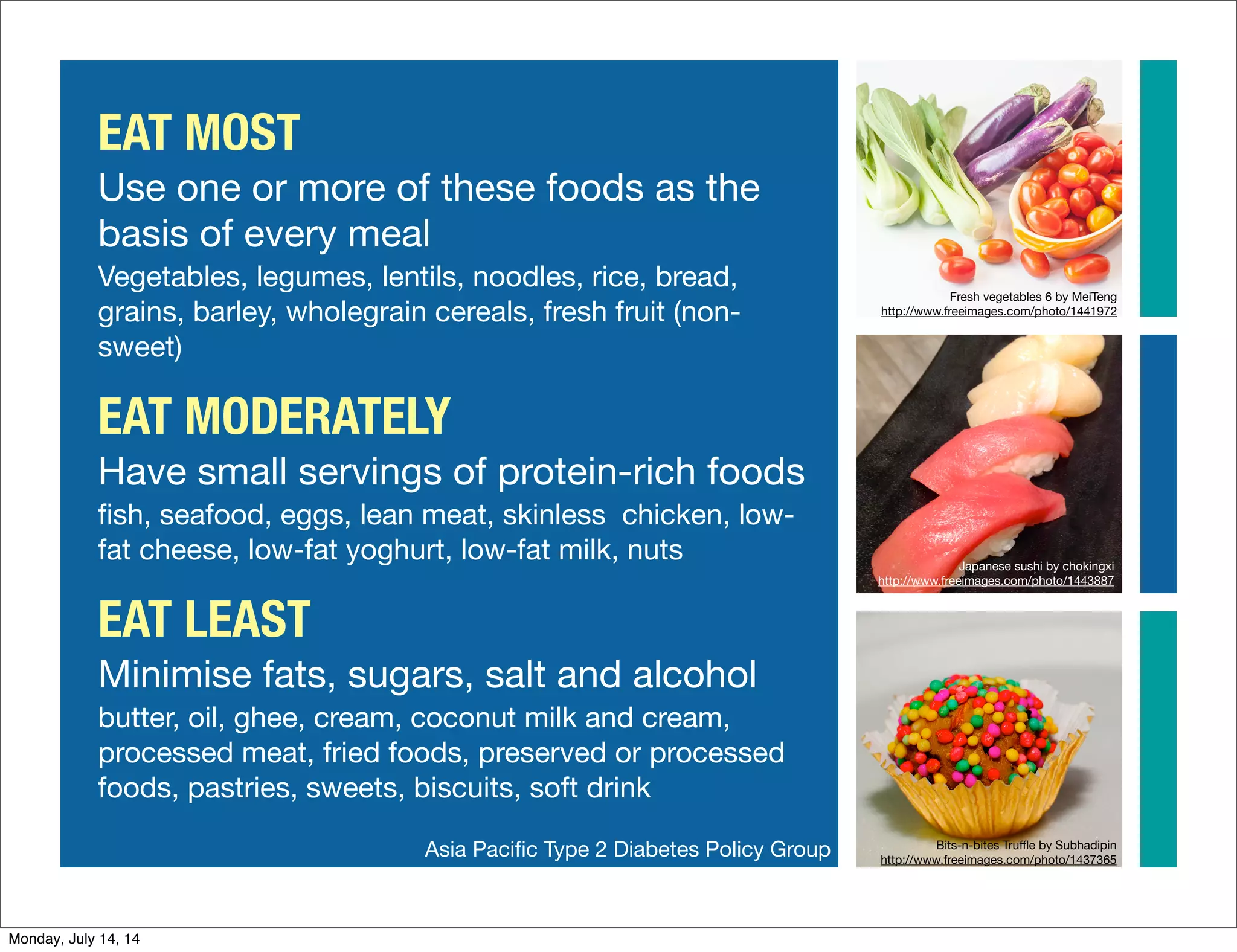
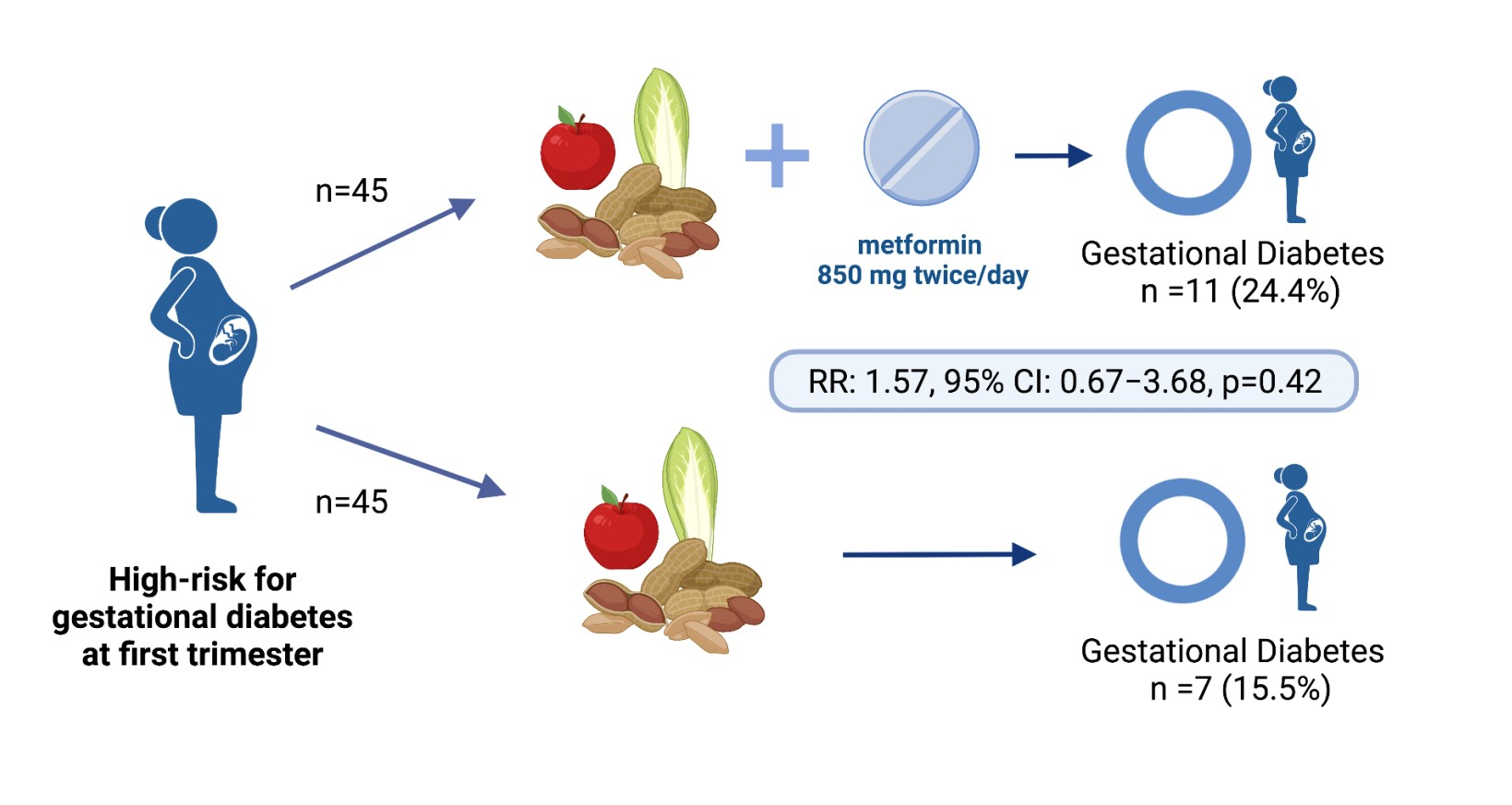
Medical nutrition therapy for type 2 diabetes has undergone a paradigm shift, moving away from rigid, one-size-fits-all carbohydrate restrictions toward personalized eating patterns, flexible macronutrient distributions, and an emphasis on overall metabolic health. This evolution reflects a deeper clinical understanding of how diverse dietary frameworks impact glycemic control, insulin resistance, and long-term cardiovascular outcomes.
Introduction to the Evolution of Medical Nutrition Therapy
For decades, the standard nutritional prescription for individuals diagnosed with type 2 diabetes centered heavily on calorie-restricted, low-fat diets designed primarily for weight loss, accompanied by strict, uniform limits on dietary carbohydrates. While these traditional approaches yielded short-term improvements in blood glucose levels for some patients, clinical data accumulated over the years demonstrated that universal dietary prescriptions frequently fail to achieve sustainable metabolic control. Patients struggled with adherence, and the rigid nature of these plans often overlooked individual metabolic responses, cultural food preferences, and socioeconomic barriers.
In response to these clinical challenges, leading health organizations—including the American Diabetes Association (ADA) and the European Association for the Study of Diabetes (EASD)—have continuously updated their consensus reports. These modern guidelines emphasize that there is no single ideal percentage of calories from carbohydrate, protein, and fat for all people with type 2 diabetes. Instead, contemporary medical nutrition therapy (MNT) prioritizes individualized eating plans that support metabolic goals while accommodating personal preferences and lifestyle factors.
Understanding these updates is essential for patients, clinicians, and registered dietitian nutritionists seeking to optimize care. Below is an exploration of the three foundational shifts transforming contemporary Mnt for type 2 diabetes, detailing the clinical rationale, practical applications, and physiological impacts of each transition.
Shift 1: From Universal Carbohydrate Restrictions to Individualized Eating Patterns
The most visible departure from historical diabetes care is the rejection of a universal carbohydrate ceiling. Traditional approaches frequently imposed a rigid cap on daily carbohydrate grams, often treating all carbohydrates identically and discouraging nutrient-dense foods like whole grains, legumes, and fruits simply because they contained starches or natural sugars.
Contemporary MNT recognizes that the quality and source of carbohydrates matter significantly more than an arbitrary quantitative restriction. Furthermore, modern clinical practice embraces a diverse array of eating patterns rather than promoting a single dietary dogma.
The Role of Evidence-Based Dietary Patterns
Current consensus guidelines support several flexible eating patterns that have demonstrated efficacy in clinical trials for managing type 2 diabetes:
- Mediterranean Diet: Characterized by high intakes of monounsaturated fats (primarily from extra virgin olive oil), nuts, seeds, fruits, vegetables, and whole grains, alongside moderate consumption of fish and poultry, and low intake of red and processed meats. Numerous clinical trials, such as the PREDIMED study, have highlighted its superior impact on glycemic control and cardiovascular risk reduction.
- Low-Carbohydrate and Very Low-Carbohydrate Eating Patterns: For patients seeking robust reductions in glycated hemoglobin (HbA1c) and medication burden, low-carbohydrate (typically 26% to 45% of total energy) and very low-carbohydrate or ketogenic diets (under 10% of total energy) can be highly effective. These patterns require careful clinical supervision to monitor for hypoglycemia, particularly in patients taking insulin or insulin secretagogues.
- Plant-Based and Vegetarian/Vegan Diets: Emphasizing unrefined plant foods improves insulin sensitivity, reduces systemic inflammation, and supports weight management through higher fiber density and lower energy density.
- DASH Diet: Originally designed to lower blood pressure, the Dietary Approaches to Stop Hypertension eating pattern is exceptionally rich in potassium, calcium, magnesium, and fiber, making it highly beneficial for individuals with type 2 diabetes who frequently present with concurrent hypertension.
Carbohydrate Quality and Glycemic Impact
When designing personalized nutrition therapy, registered dietitian nutritionists focus heavily on the glycemic index (GI) and glycemic load (GL) of foods, alongside total fiber content. High-fiber, minimally processed carbohydrate sources slow gastric emptying, blunt postprandial glucose excursions, and foster a healthy gastrointestinal microbiome. Conversely, ultra-processed foods and sugar-sweetened beverages—regardless of their carbohydrate classification—promote rapid glucose spikes, chronic systemic inflammation, and ectopic fat deposition in the liver and pancreas.
Shift 2: Prioritizing Quality Over Quantity in Macronutrient Distribution
Historically, diabetes nutrition placed disproportionate emphasis on macro-level calorie counting and fat reduction. Today, MNT emphasizes that the biochemical source and structural matrix of macronutrients dictate their metabolic consequences. This qualitative shift transforms how clinicians evaluate dietary fats and proteins in the context of insulin resistance.
The Nuance of Dietary Fats
In the past, low-fat diets dominated diabetes management recommendations, often resulting in the replacement of healthy fats with refined carbohydrates and added sugars. Modern nutritional science has definitively dismantled this practice.
- Monounsaturated and Polyunsaturated Fats: Replacing saturated fats with cis-polyunsaturated and monounsaturated fats (found in avocados, nuts, seeds, and fatty fish rich in omega-3 fatty acids) improves lipid profiles, reduces cardiovascular morbidity, and enhances insulin sensitivity.
- Saturated and Trans Fats: Limiting intake of industrial trans fats and minimizing excessive saturated fats remains important, particularly for patients with elevated low-density lipoprotein (LDL) cholesterol or established atherosclerotic cardiovascular disease.
Protein Intake and Renal Considerations
Protein requirements for individuals with type 2 diabetes are also viewed through a personalized lens. While standard recommended daily allowances apply to most adults, higher-protein eating patterns (within safe physiological limits) can enhance satiety, preserve lean muscle mass during weight loss, and assist with glycemic stabilization by stimulating insulin secretion without significantly raising blood glucose. However, clinicians must carefully evaluate renal function; for patients exhibiting early signs of diabetic kidney disease (microalbuminuria or reduced estimated glomerular filtration rate), moderation of protein intake may be clinically indicated to reduce hyperfiltration stress on the nephrons.
| Eating Pattern | Primary Focus | Potential Benefits | Clinical Considerations |
|---|---|---|---|
| Mediterranean | Olive oil, fish, vegetables, nuts, whole grains | Improved glycemic control, cardiovascular protection | Requires guidance on portion control for calorie-dense fats |
| Low-Carbohydrate | Minimal grains/sugars, higher healthy fats/proteins | Rapid HbA1c reduction, weight loss, decreased medication | Requires medication adjustment to prevent hypoglycemia |
| Plant-Based | Whole fruits, vegetables, legumes, grains | High fiber, enhanced insulin sensitivity, lipid reduction | Requires planning for adequate vitamin B12, iron, and zinc |
| DASH | Low sodium, high potassium/magnesium, fruits/veg | Blood pressure reduction, improved microvascular health | May require behavioral support for sodium reduction |
Shift 3: Integrating Lifestyle, Behavioral Support, and Continuous Metabolic Tracking
Nutritional recommendations, no matter how scientifically sound, fail if they cannot be sustained by the individual. The third major shift in medical nutrition therapy is the integration of behavioral psychology, lifestyle medicine, and modern continuous glucose monitoring (CGM) technology to empower self-management.
The Shift from Prescription to Collaborative Counseling
Older dietary interventions often relied on didactic instruction—giving patients a list of foods to avoid. Modern MNT utilizes a collaborative, patient-centered counseling style, such as motivational interviewing. Registered dietitians work alongside patients to identify barriers, explore emotional eating triggers, and establish achievable, incremental behavioral goals. This approach acknowledges that food choices are deeply tied to culture, economics, time constraints, and mental health.
The Role of Technology and Continuous Glucose Monitoring
The proliferation of continuous glucose monitoring devices has revolutionized how patients interact with food. Historically, individuals relied on finger-stick blood glucose meters that provided isolated, static data points. Today, CGM systems offer dynamic, real-time insights into how specific meals, combinations of macronutrients, sleep, stress, and physical activity impact interstitial glucose levels.
By observing postprandial spikes directly on a smartphone app, patients develop an intuitive understanding of their unique metabolic responses. This biofeedback loop transforms abstract nutritional advice into concrete, personalized learning experiences, allowing individuals to fine-tune their meal composition for optimal glycemic control without enduring prolonged trial and error.
Practical Implementation and Interdisciplinary Collaboration
Implementing these three key shifts requires a coordinated, multidisciplinary care team consisting of primary care physicians, endocrinologists, certified diabetes care and education specialists (CDCES), and registered dietitian nutritionists (RDNs).
- Initial Comprehensive Assessment: The RDN evaluates the patient's current eating patterns, glycemic logs, medication regimen, physical activity levels, cultural background, food security, and psychological readiness for change.
- Collaborative Goal Setting: Rather than imposing a restrictive diet, the clinician and patient co-create realistic targets, such as incorporating a daily vegetable serving at lunch or replacing sugary beverages with water or unsweetened tea.
- Iterative Monitoring and Adjustments: Utilizing CGM data and lab markers (such as HbA1c and lipid panels), the nutrition plan is dynamically adjusted over time. If a patient initiates a low-carbohydrate approach, the prescribing physician must proactively titrate insulin or sulfonylureas downward to mitigate the risk of dangerous hypoglycemia.
Disclaimer: Medical nutrition therapy should always be personalized and supervised by qualified healthcare professionals. Changes in diet, particularly carbohydrate restriction or elimination, can significantly alter medication requirements and metabolic status.
Frequently Asked Questions
What is Medical Nutrition Therapy (MNT) for type 2 diabetes?
Medical nutrition therapy is an evidence-based, individualized nutritional approach provided by a registered dietitian nutritionist to manage type 2 diabetes. It involves a comprehensive nutritional assessment, ongoing lifestyle counseling, and the creation of a customized eating plan designed to optimize glycemic control, manage cardiovascular risk factors, and support overall health.
Why did diabetes nutrition guidelines move away from universal low-fat diets?
Universal low-fat diets often led to an overconsumption of refined carbohydrates and added sugars to compensate for lost flavor and texture, which exacerbated insulin resistance and postprandial hyperglycemia. Modern science demonstrates that the quality of fats and carbohydrates is far more critical for metabolic health than a simple low-fat prescription.
Can type 2 diabetes be managed with diet alone?
For many individuals, particularly in the early stages of type 2 diabetes, lifestyle modifications and medical nutrition therapy can achieve and sustain normal or near-normal blood glucose levels without pharmacological intervention. However, type 2 diabetes is a progressive condition, and many patients ultimately require a combination of nutrition therapy, physical activity, and medication to maintain optimal control.
How do continuous glucose monitors (CGMs) enhance medical nutrition therapy?
CGMs provide real-time data on interstitial glucose fluctuations throughout the day and night. This technology allows patients and clinicians to see immediate physiological feedback regarding how specific foods, meal sequences, and portion sizes affect blood sugar levels, facilitating personalized and rapid dietary adjustments.
How often should a patient meet with a registered dietitian for diabetes care?
The frequency of visits depends on individual clinical needs, but standard protocols typically include an initial comprehensive evaluation followed by multiple follow-up sessions during the first year to ensure behavioral sustainability, reinforce education, and adjust the nutrition plan as metabolic needs evolve.