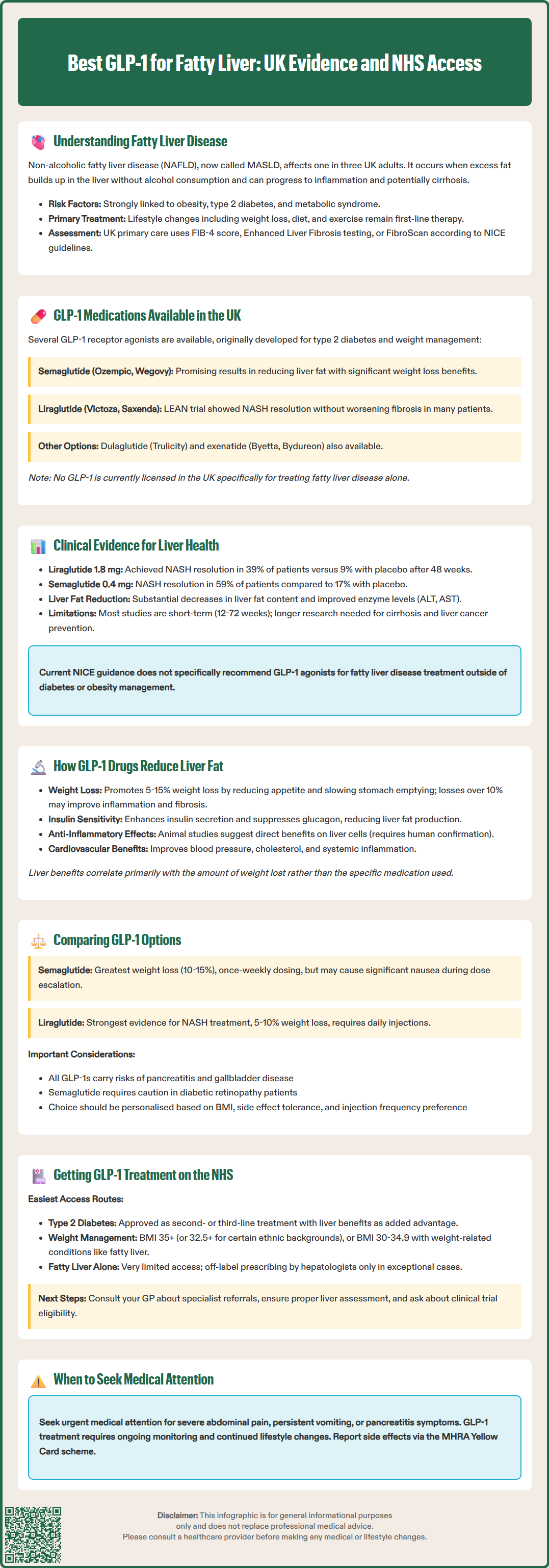
Recent clinical data reveals that glucagon-like peptide-1 receptor agonists (GLP-1 RAs), originally developed for type 2 diabetes and obesity management, demonstrate substantial promise in treating metabolic dysfunction-associated steatohepatitis (MASH), formerly known as non-alcoholic steatohepatitis (NASH), by reducing hepatic fat accumulation, mitigating inflammation, and slowing fibrosis progression.
Understanding Fatty Liver Disease and Metabolic Syndrome
Metabolic dysfunction-associated steatotic liver disease (MASLD)—and its more advanced, inflammatory form, MASH—represents a major global health challenge. Characterized by the excessive accumulation of triglycerides within hepatocytes (liver cells) in individuals who consume little to no alcohol, MASLD is deeply intertwined with systemic metabolic dysfunction. Insulin resistance, visceral adiposity, systemic low-grade inflammation, and dyslipidemia drive the pathogenesis of the condition. As excess free fatty acids flood the liver, they trigger oxidative stress, cellular injury, and eventual scar tissue formation or fibrosis.
For decades, the therapeutic arsenal against MASLD and MASH was primarily limited to lifestyle modifications, including sustained caloric restriction, structured exercise, and gradual weight loss. While effective when implemented rigorously, achieving and maintaining the requisite 7% to 10% total body weight loss to reverse hepatic inflammation and fibrosis proves exceptionally difficult for a vast majority of patients. Consequently, researchers and clinicians have intensified their search for pharmacological agents that can target the underlying metabolic pathways driving hepatic steatosis while providing durable organ protection.
The intersection of metabolic disease and hepatology has shifted dramatically with the advent of incretin-based therapies. Because the liver acts as a central hub for glucose and lipid metabolism, extra-hepatic organ systems heavily influence its health. Addressing the systemic drivers of metabolic syndrome—such as impaired insulin signaling, chronic hyperglycemia, and adipose tissue dysfunction—creates an environment where the liver can begin to heal. This physiological bridge forms the foundation for why therapies like GLP-1 receptor agonists have emerged as front-line subjects of intense clinical investigation in modern hepatology.
Insight 1: Direct and Indirect Mechanisms of Hepatic Fat Reduction
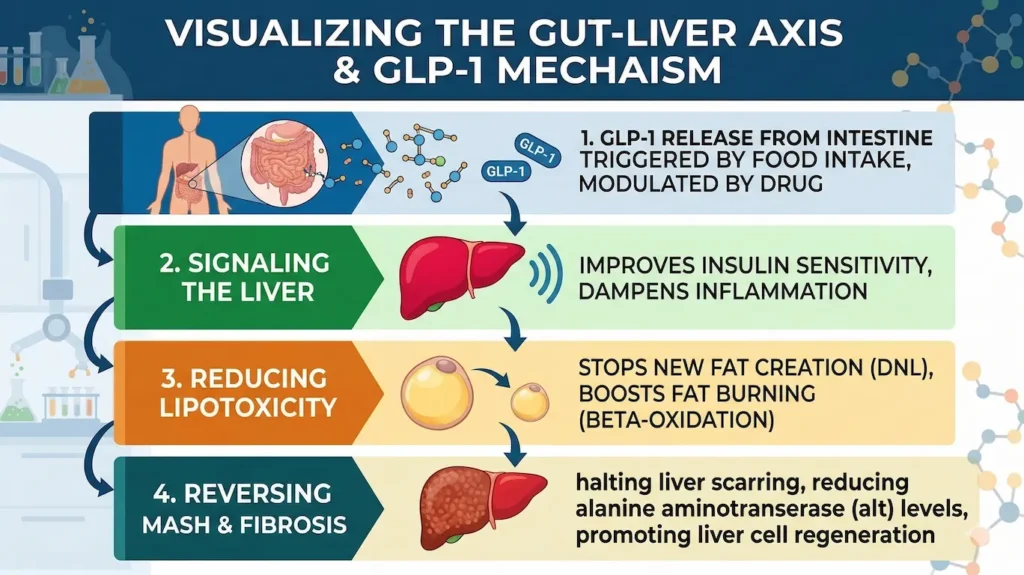
The first major insight regarding GLP-1 receptor agonists and fatty liver disease involves understanding how these medications reduce liver fat content through both indirect systemic changes and direct hepatic pathways. Weight loss remains a powerful driver of histological improvement in MASH. When patients achieve significant weight reduction via GLP-1 receptor stimulation, adipose tissue mass decreases, reducing the chronic flux of free fatty acids delivered to the liver via the portal circulation. This reduction in lipid substrate availability naturally alleviates the lipotoxic burden on hepatocytes.
Beyond simple weight-loss-driven changes, emerging evidence suggests that GLP-1 receptor activation exerts direct metabolic effects on hepatic tissue. Although hepatic expression of the canonical GLP-1 receptor is modest compared to the pancreas or brain, preclinical models and human biopsy studies indicate that these agents modulate hepatic lipid metabolism. Specifically, GLP-1 RAs help downregulate de novo lipogenesis—the synthesis of new fatty acids within the liver—while concurrently upregulating fatty acid oxidation, the cellular process of breaking down stored fats for energy.
Furthermore, these therapies improve glycemic control and systemic insulin sensitivity. Because hyperinsulinemia and insulin resistance promote hepatic fat accumulation by stimulating lipogenic transcription factors (such as SREBP-1c), restoring normal insulin signaling dampens this pathological pathway. By reducing intrahepatic triglycerides and lipotoxicity, GLP-1 RAs halt the signaling cascades that lead to hepatocyte apoptosis (programmed cell death) and subsequent activation of hepatic stellate cells, which are responsible for laying down fibrotic scar tissue.
Insight 2: Histological Resolution of MASH and Fibrosis Progression
While reducing liver fat (steatosis) is an encouraging milestone, the true benchmark of therapeutic success in advanced fatty liver disease is the resolution of MASH without worsening of fibrosis, alongside the regression of existing fibrosis stages. The transition from simple steatosis to MASH involves persistent lobular inflammation and ballooning of hepatocytes, which can progress inexorably to cirrhosis, liver failure, and hepatocellular carcinoma. Clinical trials evaluating various GLP-1 receptor agonists have increasingly focused on these hard histological endpoints derived from paired liver biopsies.
Recent phase 2 and phase 3 clinical trials investigating agents such as semaglutide and tirzepatide (a dual GIP/GLP-1 receptor agonist) have demonstrated notable efficacy in achieving MASH resolution. Patients treated with these therapies show statistically significant improvements in ballooning injury and lobular inflammation compared to placebo cohorts. This histological clearance is critical because sustained resolution of inflammation removes the chronic stimulus that drives scar tissue formation, thereby interrupting the natural history of the disease toward cirrhosis.
| Feature / Metric | Lifestyle Intervention Alone | GLP-1 Receptor Agonist Therapy |
|---|---|---|
| Primary Mechanism | Caloric restriction and physical activity | Incretin mimetic, appetite regulation, and metabolic optimization |
| Average Weight Loss | Typically 3% to 5% (challenging to sustain) | Frequently 10% to 15%+ (dose-dependent) |
| MASH Resolution Rate | Variable, dependent on strict adherence | Demonstrated superior rates in clinical trials vs. placebo |
| Fibrosis Improvement | Dependent on magnitude of sustained weight loss | Potential direct and indirect antifibrotic effects |
| Cardiovascular Benefit | Indirect via risk factor modification | Established risk reduction for major adverse cardiovascular events |
When evaluating fibrosis staging—typically graded from F0 (no fibrosis) to F4 (cirrhosis)—reversing established scar tissue has historically been considered exceedingly difficult. While GLP-1 RAs show robust capability in halting fibrosis progression and occasionally inducing regression by one or more stages, current clinical consensus emphasizes that preventing advancement to cirrhosis remains the most clinically actionable goal. Patients with advanced fibrosis (F3) stand to gain the most long-term clinical benefit from halting disease progression, thereby avoiding liver transplantation and portal hypertension complications.
Insight 3: Cardiovascular and Metabolic Concomitants in Fatty Liver Patients
The third critical insight centers on the interconnected nature of metabolic disease, where fatty liver rarely exists in isolation. The leading cause of mortality among individuals with MASLD and MASH is not liver failure, but rather cardiovascular disease. Insulin resistance, atherogenic dyslipidemia (characterized by elevated triglycerides and low HDL cholesterol), chronic systemic inflammation, and hypertension cluster together in metabolic syndrome, creating an exceptionally high cardiovascular risk profile for these patients.
GLP-1 receptor agonists offer a distinct therapeutic advantage in this population because their cardiovascular safety and efficacy profiles are well-documented. Large-scale cardiovascular outcome trials (CVOTs) have consistently demonstrated that specific GLP-1 RAs significantly reduce the risk of major adverse cardiovascular events (MACE), including non-fatal myocardial infarction, stroke, and cardiovascular death. For a patient presenting with both type 2 diabetes or obesity and MASH, initiating a GLP-1 RA addresses multiple pathological fronts simultaneously: glycaemic control, weight management, hepatic inflammation, and vascular protection.
Managing multi-system disease requires careful clinical coordination between primary care physicians, endocrinologists, and hepatologists. Because gastrointestinal side effects—such as nausea, vomiting, diarrhea, and constipation—are common during the titration phase of GLP-1 receptor agonists, clinicians must carefully manage dosing schedules to ensure treatment adherence. Furthermore, regular monitoring of liver function tests, metabolic panels, and occasionally non-invasive imaging or biomarker scores (such as FibroScan or ELF tests) helps track therapeutic response over time, ensuring that both hepatic and systemic health metrics move in a positive direction.
Frequently Asked Questions
Can GLP-1 medications completely cure fatty liver disease?
While GLP-1 receptor agonists demonstrate a remarkable ability to resolve MASH and reduce liver fat, they should be viewed as part of a long-term management strategy rather than a simple cure. Stopping the medication often results in weight regain and a subsequent return of hepatic steatosis, meaning sustained therapy alongside lifestyle modifications is typically required to maintain clinical gains.
Are all GLP-1 receptor agonists equally effective for liver health?
Not all agents have been studied to the same extent for hepatic histology. Compounds like semaglutide have extensive phase 2 and phase 3 trial data specifically targeting MASH resolution, while newer dual-incretin molecules show promising results in early-phase trials. Selection of a specific agent depends on individual patient comorbidities, regulatory approvals, and clinical guidance.
How is improvement in fatty liver measured during treatment?
While liver enzymes (such as ALT and AST) offer a general screening baseline, they do not reliably correlate with the severity of MASH or fibrosis. Clinicians utilize non-invasive tests such as vibration-controlled transient elastography (FibroScan), blood biomarker panels, or, in clinical trial settings, gold-standard liver biopsies to accurately assess changes in steatosis and fibrosis.
Do patients without diabetes or obesity qualify for GLP-1 therapy for fatty liver?
Regulatory approvals and clinical guidelines vary by jurisdiction and specific drug indications. Currently, many GLP-1 therapies are specifically indicated for type 2 diabetes mellitus or chronic weight management, with MASH-specific indications continuing to evolve as regulatory bodies review ongoing phase 3 clinical trial data.
What are the primary side effects to anticipate when starting these medications?
The most frequently reported side effects are gastrointestinal in nature, including nausea, early satiety, vomiting, diarrhea, and constipation. These symptoms are typically dose-dependent and most pronounced during initial dose escalation, which can be mitigated by slow titration protocols managed by a prescribing clinician.
Practical Next Steps for Patients and Clinicians
For individuals diagnosed with or suspected of having fatty liver disease, the path forward begins with a comprehensive evaluation by a qualified healthcare professional, such as a primary care provider, endocrinologist, or hepatologist. Patients should request a thorough risk stratification that looks beyond basic liver enzymes to assess overall metabolic health, cardiovascular risk, and fibrosis stage using non-invasive modalities.
If considering pharmacotherapy such as a GLP-1 receptor agonist, patients must discuss insurance coverage, local regulatory eligibility criteria, and potential contraindications with their medical team. Integrating structured nutritional counseling and sustainable physical activity plans alongside pharmacological management ensures a holistic approach to halting metabolic liver disease and protecting long-term cardiovascular and hepatic health.