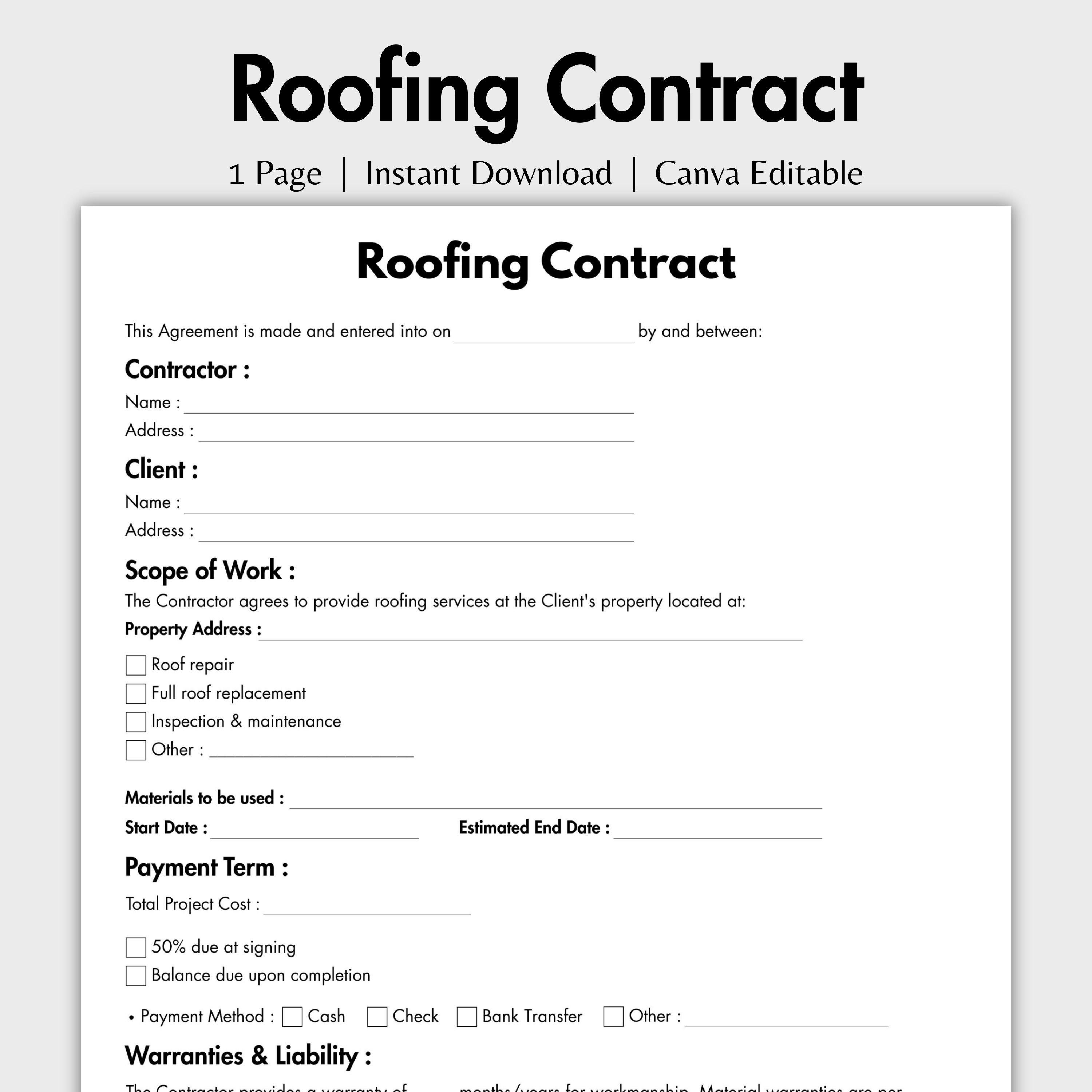
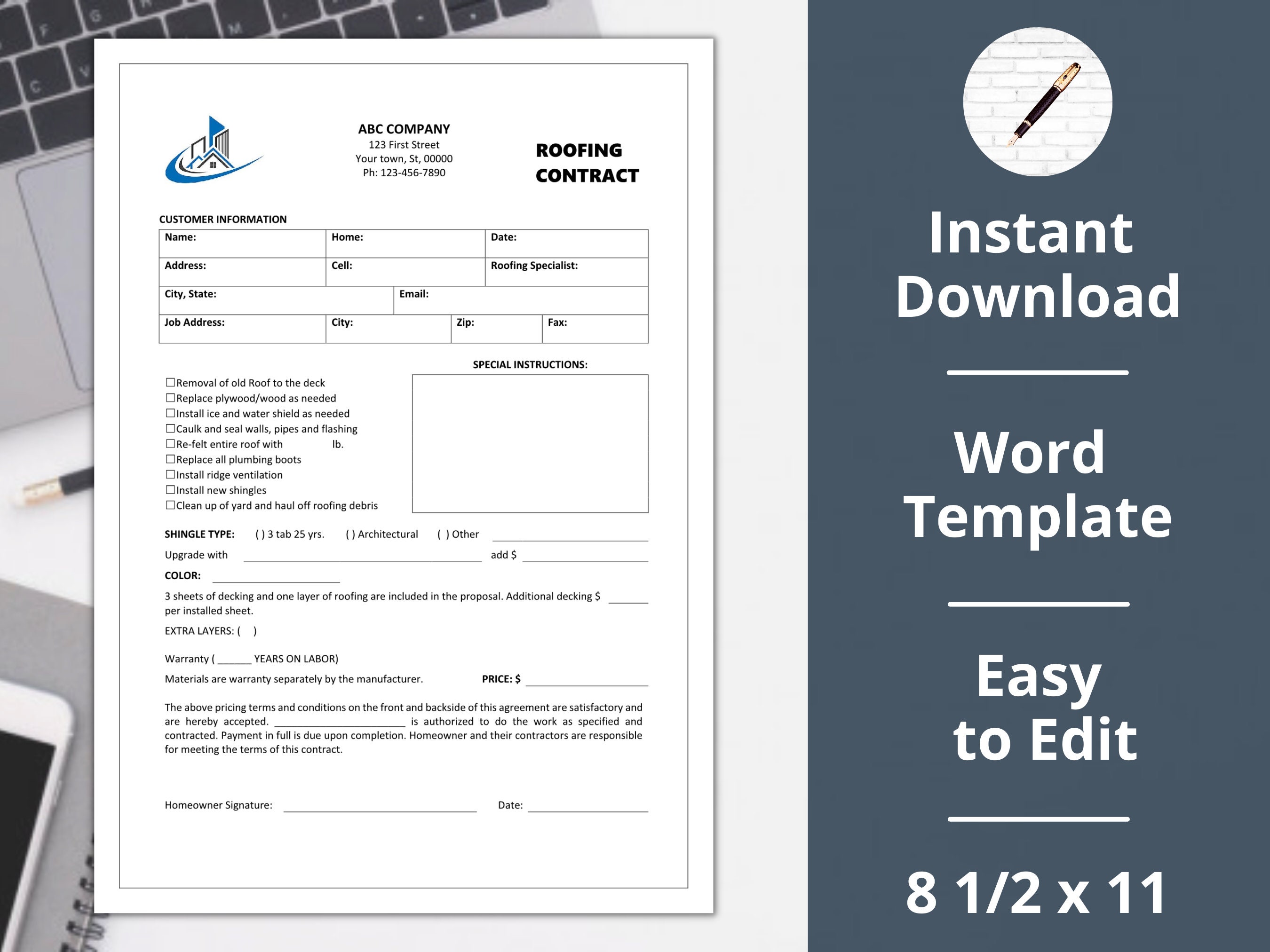
The 2025 roofing program contract details typically encompass structured municipal, state, or utility-backed home improvement agreements designed to subsidize, finance, or regulate residential roof replacements and energy-efficiency upgrades. These contracts establish strict scopes of work, mandatory material standards, financial disclosure obligations, consumer protection provisions, and specific compliance milestones that both participating property owners and certified contractors must legally satisfy.
Navigating home improvement contracts tied to official municipal, state, or federal grant initiatives requires a precise understanding of legal obligations, financial terms, and operational frameworks. Programs initiated or carrying structural adjustments into 2025 introduce specific nuances regarding material specifications, contractor licensing, and grant disbursement milestones.
Whether you are a property owner seeking to upgrade your building envelope or a contractor participating in approved municipal networks, a meticulous review of the contractual parameters is essential to prevent costly disputes, project delays, or forfeiture of financial assistance. This guide breaks down the core components of 2025 roofing program contracts, examining administrative prerequisites, financial structures, scope definitions, consumer safeguards, and common compliance pitfalls.
The Administrative Framework of 2025 Roofing Programs
Official roofing initiatives are typically administered through local housing authorities, state energy offices, or federal community development block grants (CDBG). The overarching objective is to bolster structural resilience against severe weather events, improve thermal insulation, and reduce urban heat island effects through cool-roof technologies.
When a property owner applies for and receives approval through a structured roofing program, the relationship shifts from a standard consumer-contractor dynamic to a tri-party or heavily regulated agreement involving the administering agency, the contractor, and the homeowner.
Key Administrative Entities and Their Roles
- The Administering Agency: Usually a city development agency or state housing finance corporation. They set the baseline rules, disburse funds (or manage low-interest loan financing), and conduct quality assurance inspections.
- The Approved Contractor: A licensed, bonded, and insured roofing professional who has met specific vetting criteria to be placed on the program’s roster. They must adhere strictly to program guidelines, pricing caps, and scheduling constraints.
- The Property Owner: The applicant who holds the deed to the property. They bear responsibility for providing access, signing off on milestones, and ensuring they meet income-qualification or structural-eligibility criteria.
Understanding this framework is vital because a 2025 roofing program contract is rarely a standard, off-the-shelf proposal template. It usually incorporates municipal riders, prevailing wage requirements (in certain public-private partnership models), and strict material compliance mandates.
Core Components of a 2025 Roofing Program Contract
A legally sound and program-compliant contract must articulate every phase of the construction lifecycle. Ambiguity in these documents often leads to failed inspections, withheld funds, or legal liability for unexpected cost overruns.
1. Detailed Scope of Work (SOW)
The Scope of Work section must go far beyond a simple note stating "replace roof." It must specify:
- Removal and Disposal: Explicit details regarding the stripping of existing layers, disposal fees, dumpster placements, and adherence to local environmental regulations (e.g., asbestos or lead-paint mitigation if applicable).
- Decking Inspection and Repair: Clear pricing formulas for replacing rotted or compromised plywood decking. Contracts must state whether decking replacement is billed per square foot or at a fixed pre-approved unit price.
- Material Specifications: Exact manufacturer names, product lines, wind-resistance ratings (e.g., ASTM D3161 or UL 2218 Class 4 impact resistance), underlayment types, flashing materials, and ventilation requirements. Program guidelines frequently mandate specific solar reflectance index (SRI) ratings for energy efficiency.
2. Financial Breakdown and Disbursement Schedules
Unlike private contracts where 50% down payments are common, government-backed or subsidized programs enforce strict disbursement controls to protect public funds.
- Total Project Cost: Itemized pricing for labor, materials, permits, and overhead.
- Funding Source Integration: Clear documentation of how much of the cost is covered by grants, how much is financed through low-interest loans, and what portion (if any) represents the homeowner's out-of-pocket co-pay.
- Milestone Payments: Funds are typically held in escrow or released by the agency upon verified completion of specific milestones (e.g., material delivery, completion of dry-in, final inspection sign-off).
3. Timeline and Schedule of Performance
Delays are among the most frequent points of contention in construction. Program contracts mandate strict start and completion dates, often tied to fiscal year funding expiration deadlines.
- Commencement Window: The timeframe within which the contractor must pull permits and mobilize on-site after contract execution.
- Weather Delays and Extensions: Clauses outlining how unexpected meteorological events impact the timeline without triggering default penalties.
Comparative Overview: Standard Private Roofing vs. Program-Backed Contracts
To better understand the unique operational constraints of a 2025 roofing program contract, consider how it differs from a standard commercial or private residential roofing agreement.
| Contract Feature | Standard Private Roofing Agreement | 2025 Program-Backed Roofing Contract |
|---|---|---|
| Pricing Structure | Determined entirely by market rates and private negotiation. | Subject to program-mandated price caps and competitive bidding guidelines. |
| Material Approval | Chosen solely by the homeowner and contractor. | Restricted to pre-approved energy-efficient, high-durability product lists. |
| Inspection Process | Standard municipal building code inspection. | Dual inspection: municipal code compliance plus program administrative review. |
| Disbursement Method | Direct payment via cash, credit, or private home equity loan. | Phased disbursement controlled by the administering agency or escrow agent. |
| Dispute Resolution | Handled via private mediation, arbitration, or civil court. | Subject to administrative appeals through the housing authority or agency. |
Consumer Protections and Regulatory Compliance
One of the primary advantages of entering into a structured roofing program contract is the inclusion of enhanced consumer protections that are rarely found in standard contractor agreements.
Mandatory Warranties
Program contracts typically require a dual-layer warranty structure:
- Workmanship Warranty: The contractor must guarantee their labor against defects for a specified minimum period (often ranging from 2 to 10 years, depending on the program parameters).
- Manufacturer Warranty: The materials must carry the manufacturer's enhanced warranty, often requiring the contractor to be a certified installer for that specific brand to validate the coverage.
Lien Waivers and Financial Indemnity
To protect homeowners from mechanic's liens filed by unpaid subcontractors or material suppliers, 2025 program contracts mandate the execution of conditional and unconditional lien waivers alongside every payment disbursement. Furthermore, contractors must provide proof of active general liability insurance and workers' compensation coverage directly to the administering agency before contract execution.
Common Pitfalls and Troubleshooting Contract Disputes
Even with rigorous oversight, disputes can arise during the execution of a program-backed roofing project. Recognizing common friction points helps stakeholders mitigate risks before signing.
1. Scope Creep and Hidden Damage
A frequent issue involves hidden structural damage discovered only after the old shingles are stripped—such as compromised rafters or extensive water rot.
- The Problem: Contractors may attempt to charge exorbitant out-of-pocket rates for repairs not explicitly covered in the initial program award.
- The Solution: Ensure the contract contains a pre-negotiated "change order rider" establishing unit costs for structural repairs, and require agency approval before any unbudgeted work proceeds.
2. Communication Breakdowns Between Homeowner and Agency
Homeowners sometimes assume the administering agency manages the day-to-day construction process, while contractors assume the homeowner speaks on behalf of the agency.
- The Solution: Clarify communication channels in writing. Designate a single project manager from the contracting firm and a designated housing specialist from the agency as the primary points of contact.
Frequently Asked Questions
Can I modify a 2025 roofing program contract after it has been signed?
Modifications are generally permissible only through a formal written change order signed by all three parties: the homeowner, the contractor, and the administering agency. Informal verbal agreements regarding material changes or extra work will not be recognized by the program administration and may jeopardize funding disbursement.
What happens if the contractor fails to complete the project before the program deadline?
Official programs operate under strict fiscal calendars. If a contractor misses deadlines due to avoidable negligence, they may be in default, and the agency can withhold funds, remove the contractor from the approved roster, or reallocate the grant to a different provider. Review the default and termination clause closely for specific cure periods.
Are permits and municipal fees included in the contract total?
In most legitimate municipal and state-backed programs, the contract must explicitly itemize permit fees and ensure they are covered within the total project budget, preventing contractors from passing unexpected municipal fees to the homeowner.
How are disagreements over workmanship quality resolved?
If a homeowner disputes the quality of the installation, the administering agency’s independent inspector typically acts as an objective arbiter. The contractor is legally obligated to rectify any deficiencies identified during the program's final punch-list inspection before final payment is released.
Conclusion and Next Actions
Reviewing and executing a 2025 roofing program contract requires careful attention to administrative rules, financial disclosures, and technical specifications. Before signing any agreement, verify that the contractor is actively listed on the official program roster, ensure all material grades match energy-efficiency and durability standards, and confirm that payment schedules align strictly with verified inspection milestones. For next actions, request a complete, unexecuted draft of the contract from your program administrator, cross-reference the scope of work with your initial application approval, and consult with the administering agency if any clauses regarding liability or change orders remain unclear.