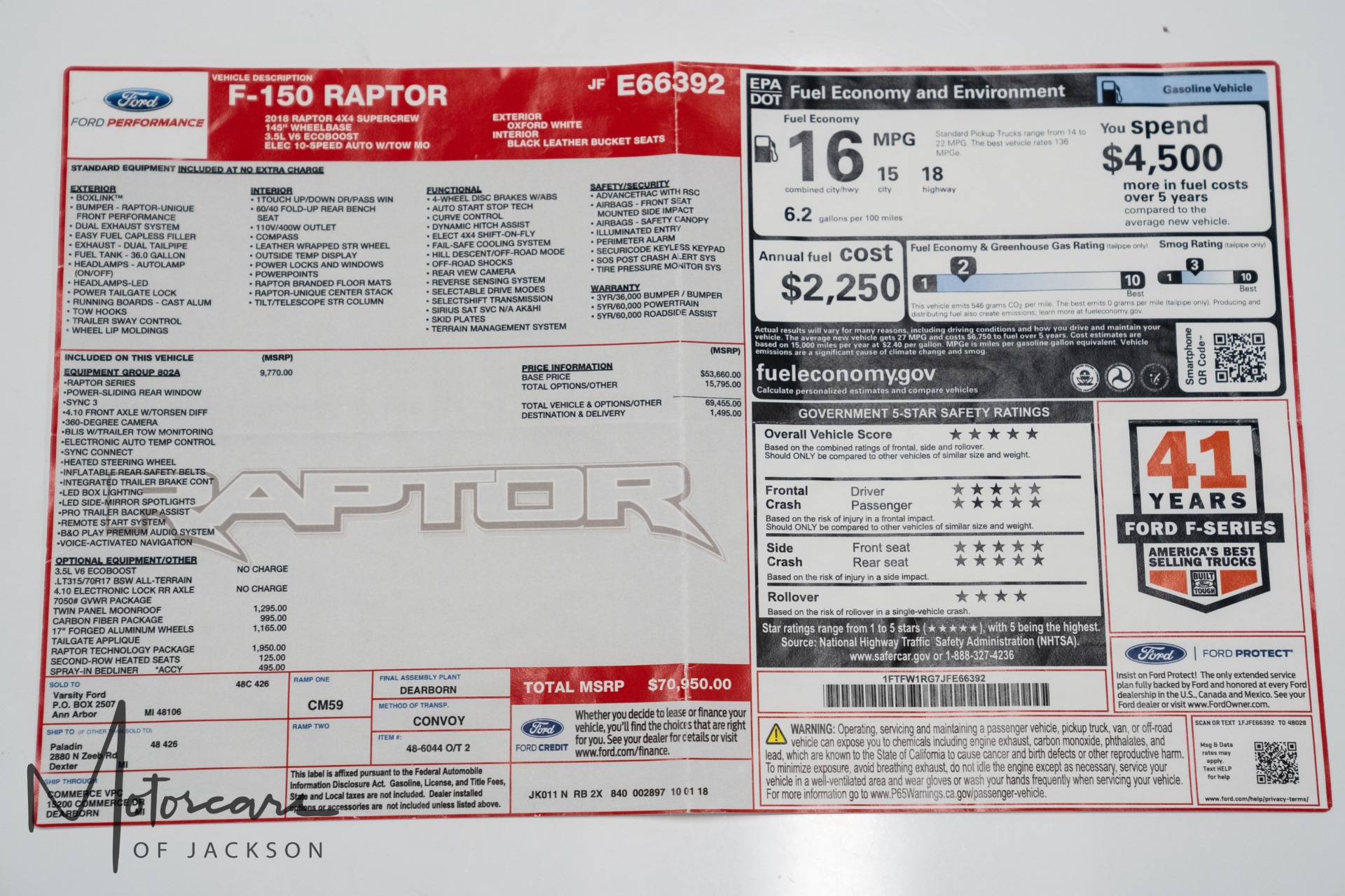
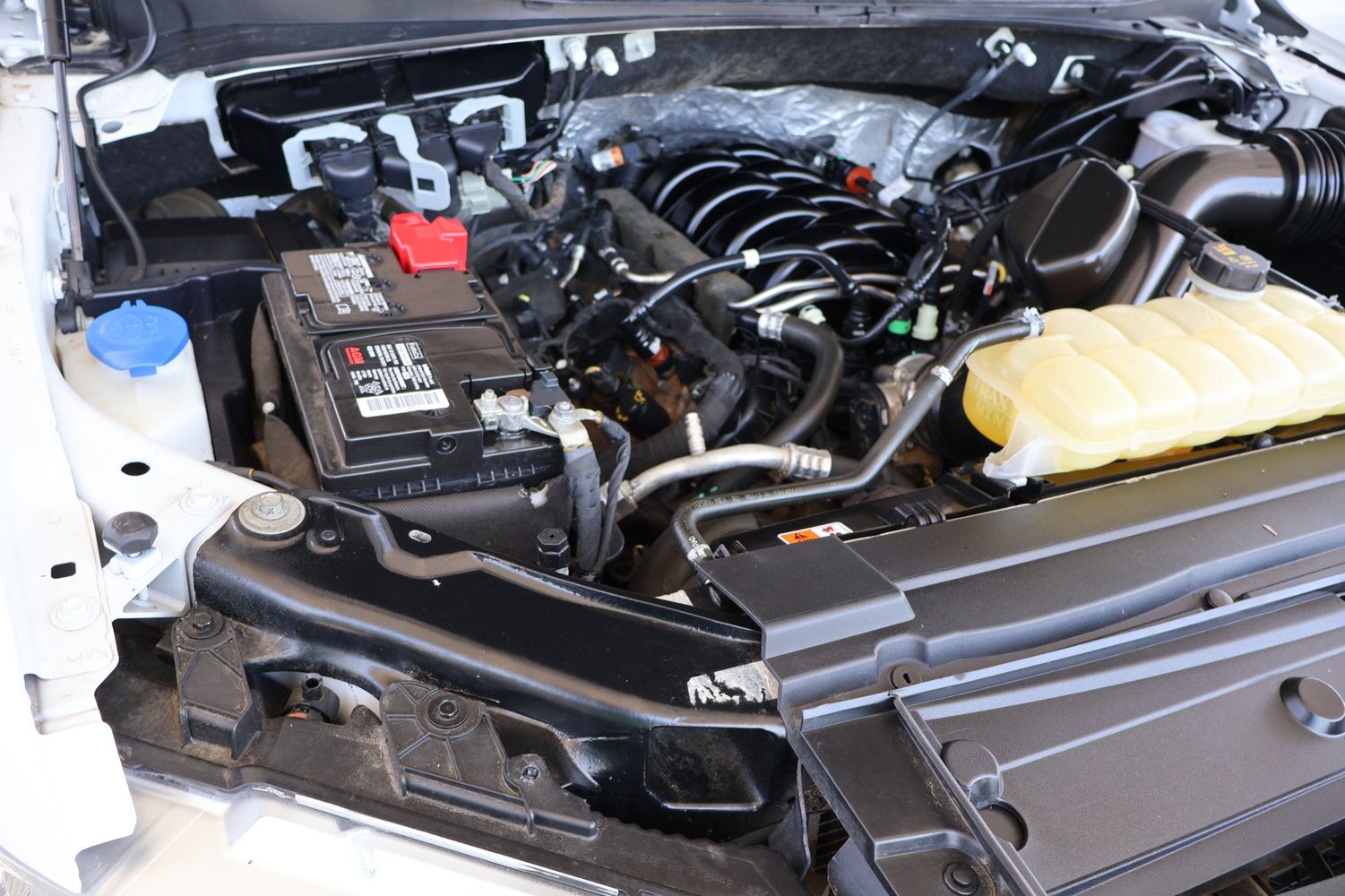
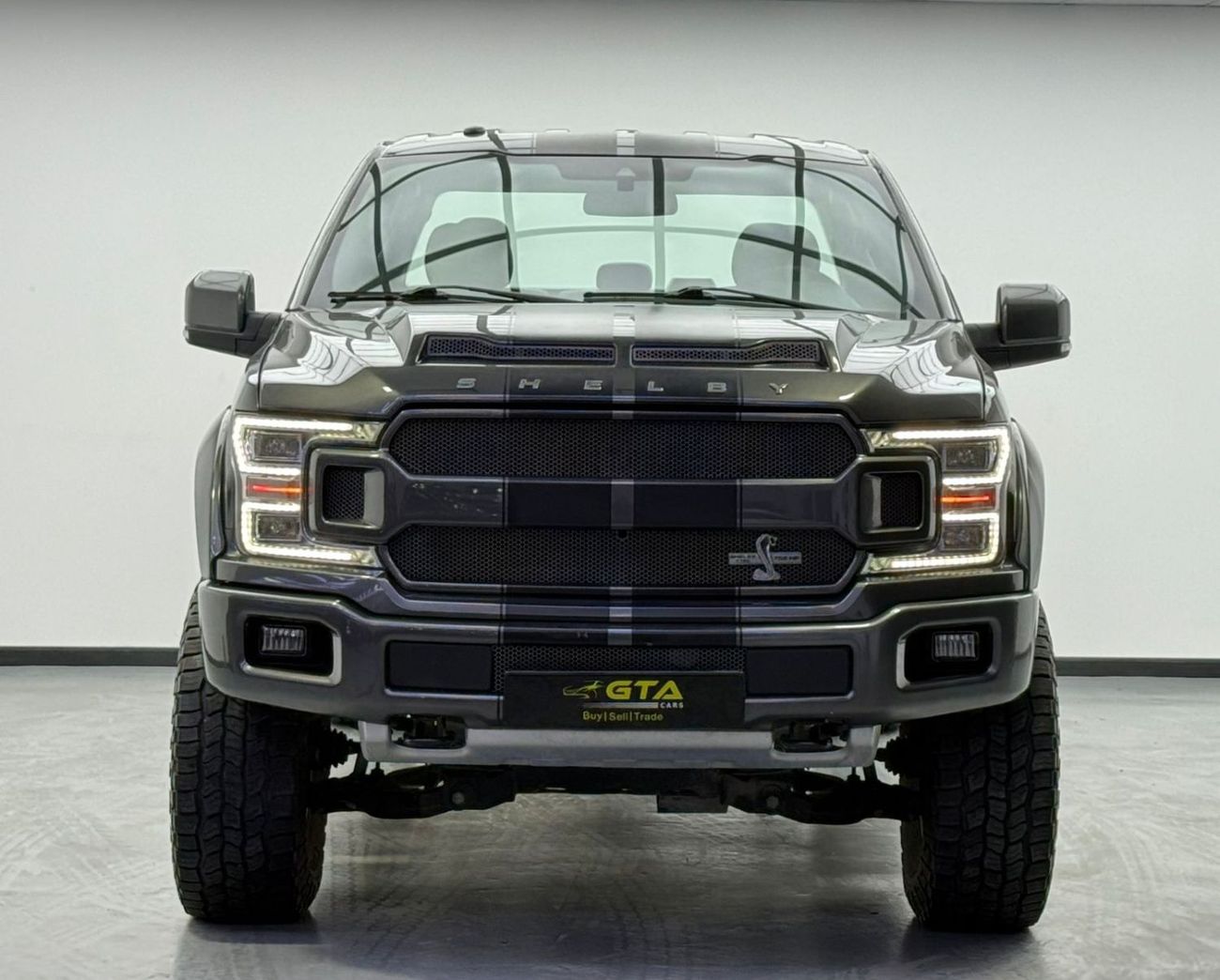
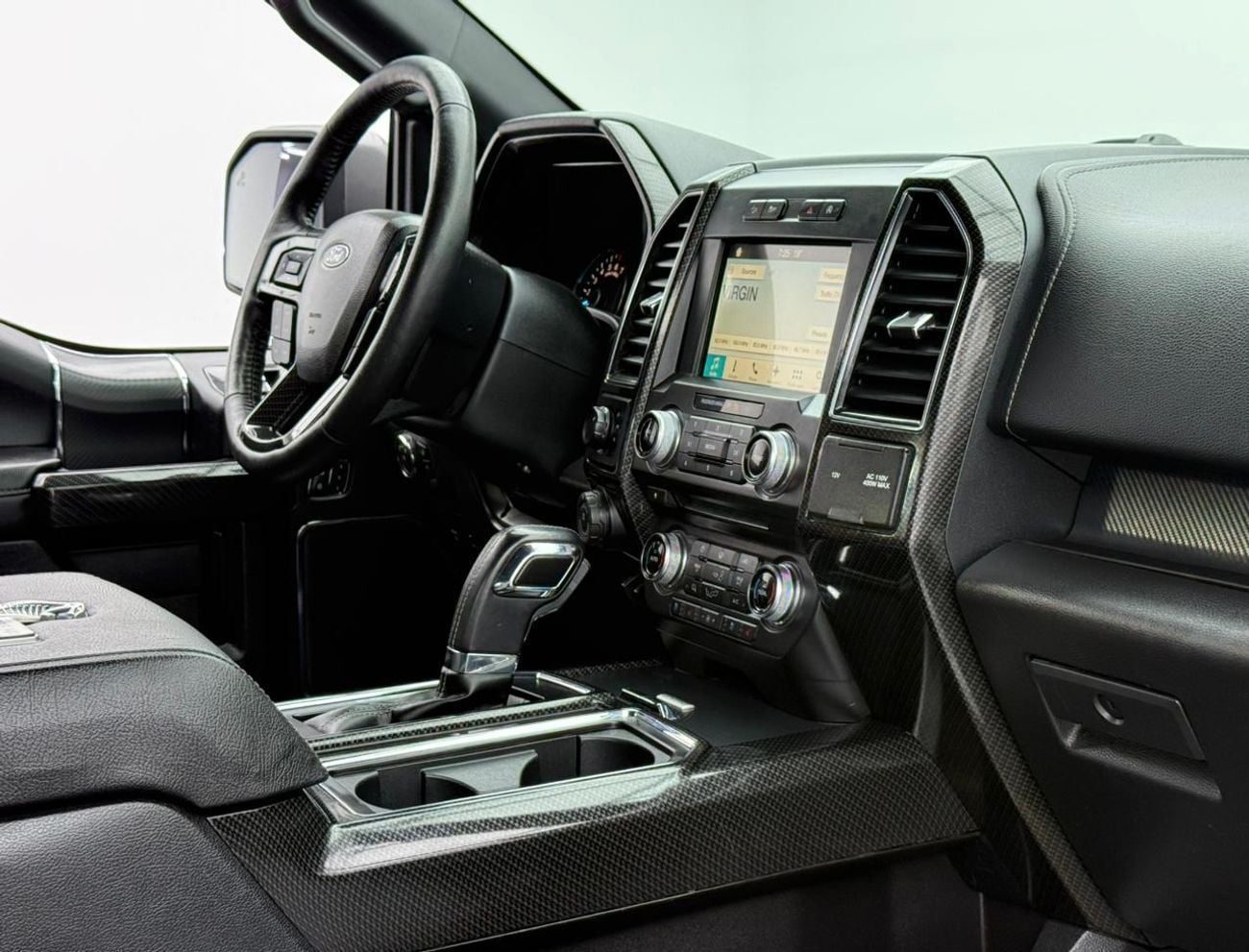
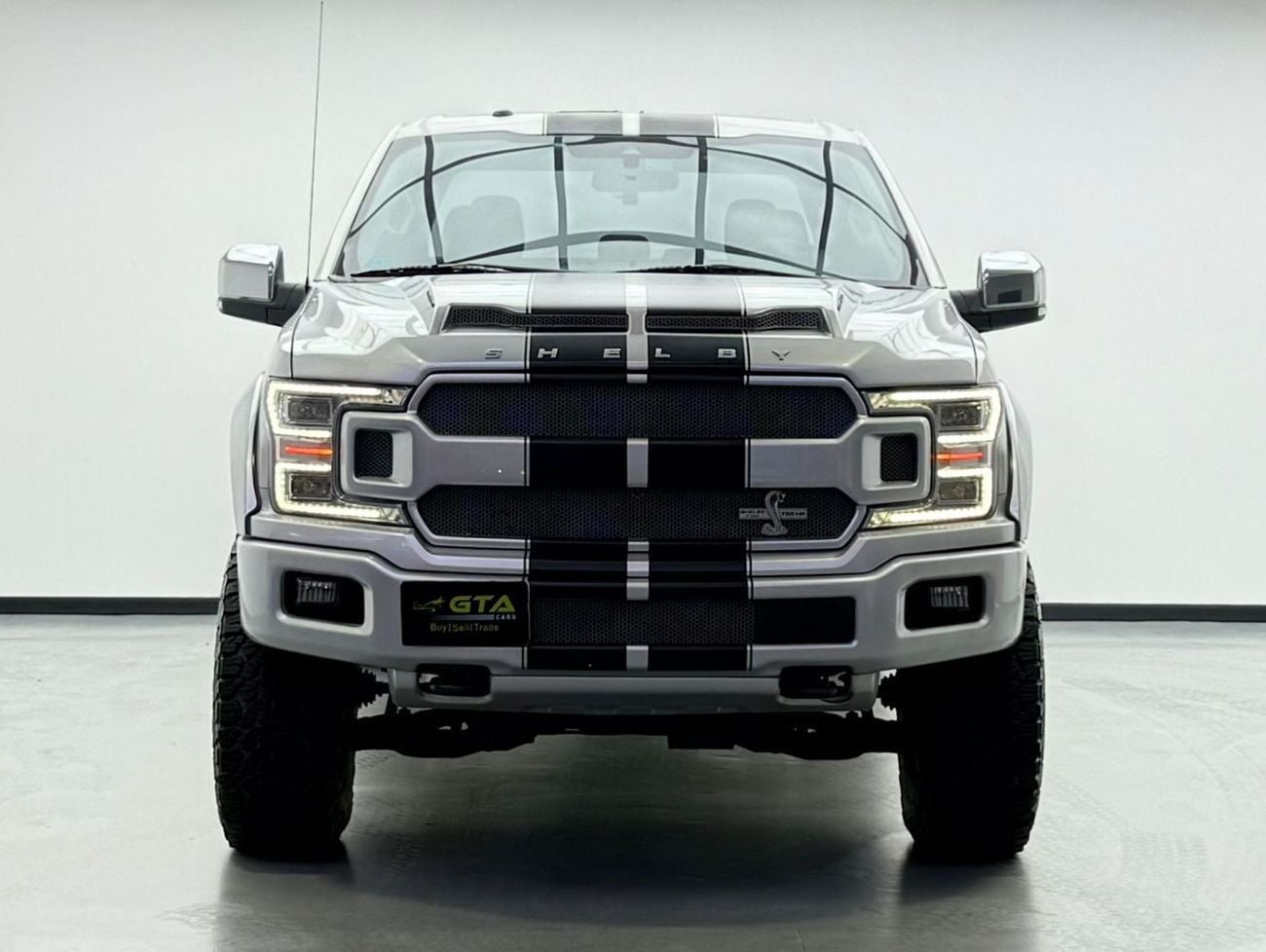
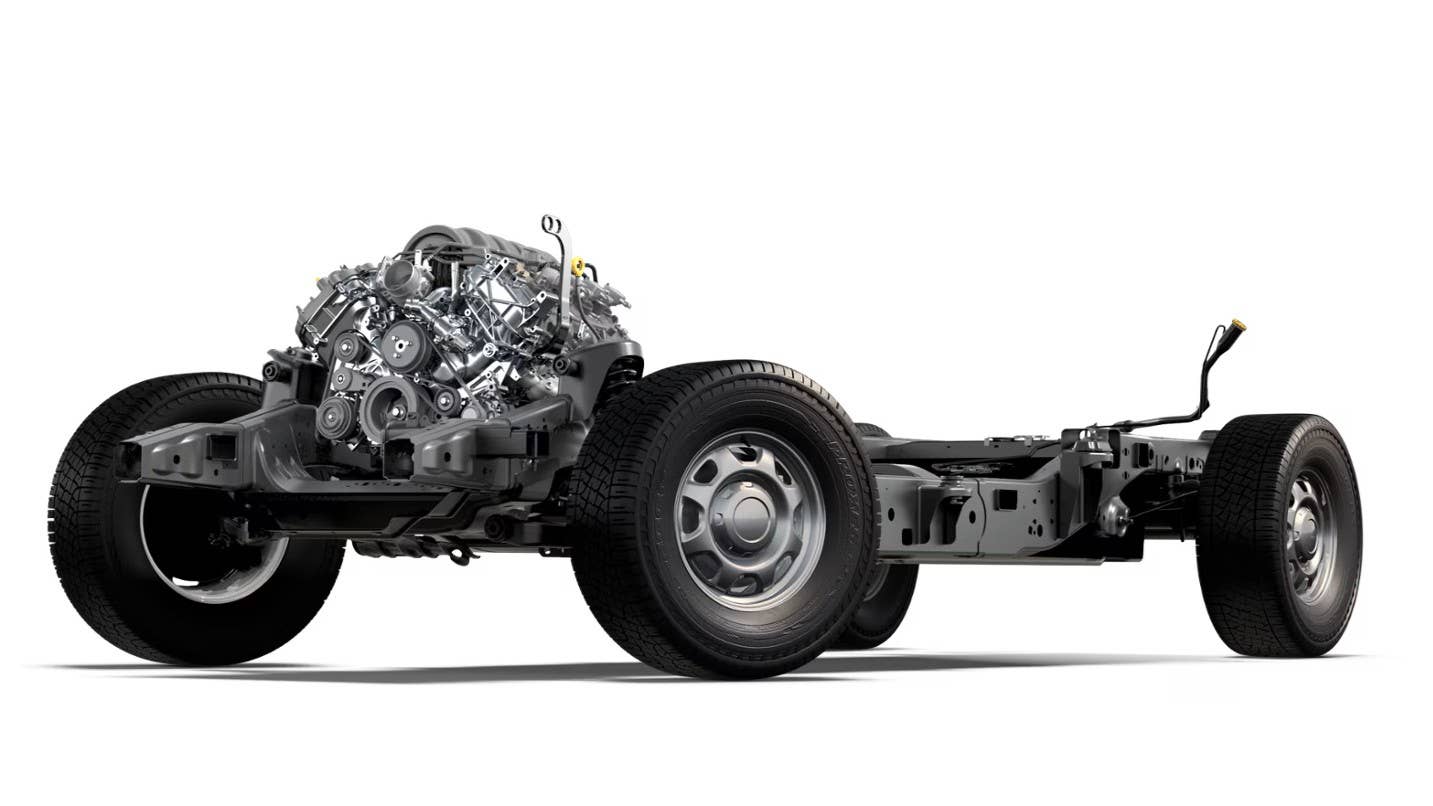
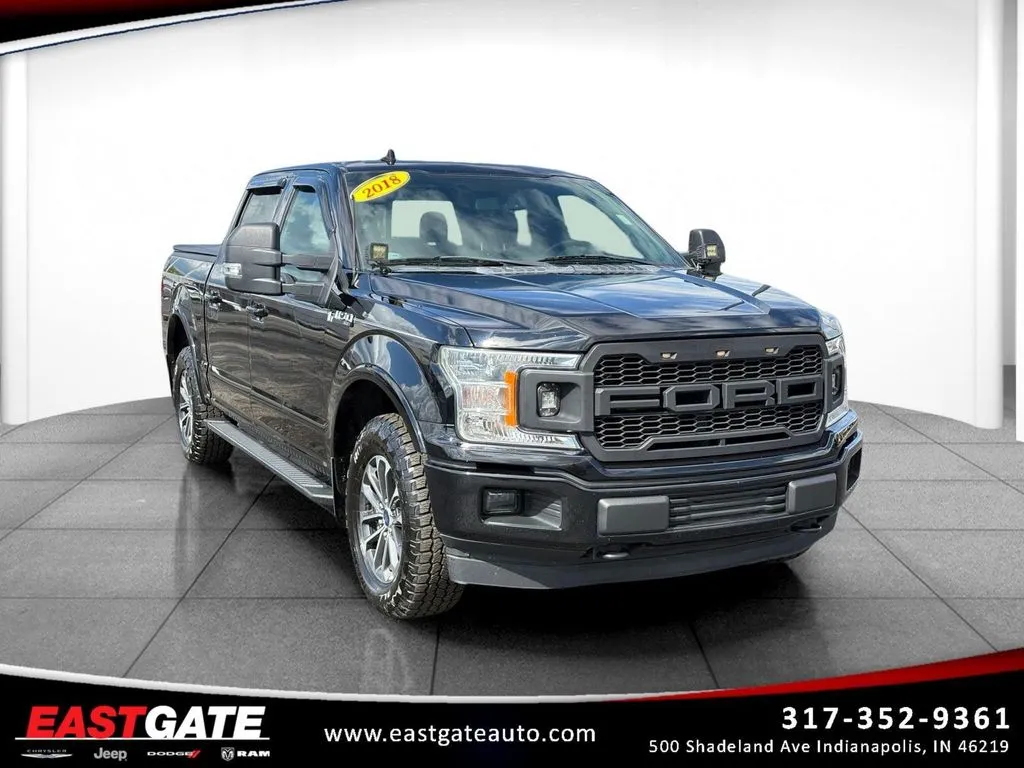
The 2018 Ford F-150 featuring the 5.0L Ti-VCT V8 engine delivers 395 horsepower at 5,750 RPM and 400 lb-ft of torque at 4,500 RPM, paired with a 10-speed automatic transmission. This powertrain configuration provides a maximum towing capacity of up to 11,600 pounds and a peak payload capacity of 3,270 pounds when properly equipped.
Choosing a half-ton pickup truck requires a careful review of engine specifications, mechanical updates, and real-world capabilities. The 2018 model year marked a significant turning point for the Ford F-150, introducing a heavily revised Coyote V8 engine alongside an advanced 10-speed automatic transmission. For truck buyers, fleet managers, and automotive enthusiasts, understanding these technical details helps determine whether this specific configuration meets modern hauling, towing, and daily driving demands.
Evolution of the 5.0L Coyote V8 for 2018
Ford introduced major updates to the second-generation 5.0L Coyote V8 engine for the 2018 model year, moving away from traditional iron-liner engine blocks in favor of advanced manufacturing processes borrowed directly from the Ford Shelby GT350 Mustang program.
Plasma-Transferred Wire Arc (PTWA) Spray Coating
One of the most consequential internal changes to the 2018 5.0L V8 was the elimination of traditional cast-iron cylinder liners. Ford replaced them with a Plasma-Transferred Wire Arc (PTWA) spray coating. This technology applies an ultra-thin layer of alloy material onto the cylinder walls through a plasma arc, creating a low-friction metallic bond that is far thinner than cast-iron sleeves.
The primary advantages of PTWA include:
- Reduced Weight: Eliminating heavy iron liners shed vital pounds from the front end of the truck, improving weight distribution and handling responsiveness.
- Enhanced Cooling: The direct bonding between the cylinder wall and the aluminum block transfers heat significantly faster, reducing the risk of engine hot spots and detonation.
- Friction Reduction: Reduced piston ring friction yields marginal improvements in fuel efficiency and smoother high-RPM operation.
Direct Injection and Port Fuel Injection (PFDI)
The 2018 5.0L V8 also adopted Ford's dual-fuel, high-pressure direct-injection (DI) and low-pressure port-fuel-injection (PFI) system. Operating with two injectors per cylinder—one positioned inside the combustion chamber and one in the intake runner—the engine dynamically manages fuel delivery based on operating conditions.
Under heavy acceleration or high load, direct injection provides precise fuel metering and charge cooling, maximizing power output. During light-load cruising or idle states, port injection takes over to clean intake valves of carbon buildup and optimize efficiency. This dual approach resolves the carbon accumulation issues common to early direct-injection-only engines.
Detailed Engine and Transmission Specifications
Performance figures tell only part of the story; the integration between the engine's power band and the transmission's gear ratios dictates how the truck actually performs under load. The 2018 model year replaced the older 6-speed automatic with a collaborative Ford-General Motors designed 10-speed automatic transmission across nearly all V8 models.
| Specification Category | 2018 Ford F-150 5.0L V8 Details |
|---|---|
| Displacement | 5.0 Liters (302 cubic inches) |
| Valvetrain | DOHC, 4 valves per cylinder, Twin Independent Variable Cam Timing (Ti-VCT) |
| Horsepower | 395 hp @ 5,750 RPM |
| Torque | 400 lb-ft @ 4,500 RPM |
| Compression Ratio | 12.0:1 |
| Bore x Stroke | 93.0 mm x 92.7 mm |
| Fuel System | Port Fuel Injection with Direct Injection (PFDI) |
| Transmission | 10R80 10-speed SelectShift automatic |
| Max Towing Capacity | Up to 11,600 lbs (properly equipped) |
| Max Payload Capacity | Up to 3,270 lbs (Regular Cab, long bed, heavy-duty payload package) |
The 10R80 10-Speed Transmission Dynamics
The inclusion of the 10R80 10-speed automatic transmission fundamentally changed how the 5.0L V8 delivers power. With closer gear steps, the transmission keeps the engine operating within its optimal power band during acceleration and towing. This is especially useful when pulling heavy trailers up steep inclines, as the transmission can drop down a single gear rather than executing a harsh multi-gear downshift.
The transmission features selectable drive modes—including Normal, Tow/Haul, Snow/Wet, Eco, and Sport—that alter shift schedules, throttle mapping, and traction control parameters to match environmental conditions or driver intent.
Towing, Hauling, and Payload Capabilities
Capability remains the defining metric for full-size pickup trucks. The 2018 Ford F-150 5.0L V8 balances high horsepower with substantial structural rigidity, utilizing a high-strength, military-grade, aluminum-alloy body mounted on a fully boxed high-strength steel frame.
Towing Performance
When properly configured with the correct axle ratio (typically the 3.73 electronic-locking rear axle) and the Trailer Tow Package or Max Trailer Tow Package, the 2018 F-150 5.0L V8 achieves a maximum towing capacity of 11,600 pounds.
Drivers hauling heavy loads benefit from standard and optional technologies such as:
- Pro Trailer Backup Assist: Allows the driver to steer trailers in reverse using a dedicated dashboard knob while the truck controls the steering wheel.
- Dynamic Hitch Assist: Provides a dynamic guideline on the rearview camera screen to simplify hitching trailers without a spotter.
- BLIS with Cross-Traffic Alert and Trailer Coverage: Extends blind-spot monitoring to cover the length of the towed trailer.
Payload Capacity
While EcoBoost V6 engines often attract attention for low-end torque, the naturally aspirated 5.0L V8 remains a favorite for commercial applications and high-payload requirements. Depending on cab configuration (Regular, SuperCab, or SuperCrew), bed length, and the inclusion of the Heavy-Duty Payload Package, payload capacity reaches up to 3,270 pounds. Operators loading heavy tools, building supplies, or slide-in truck campers must verify the specific door-jamb sticker (GVWR and payload rating) for their exact trim level, as heavy luxury trims (like Lariat, King Ranch, or Platinum) reduce total payload capacity due to added interior weight.
Fuel Economy and Real-World Efficiency
Fuel economy for the 2018 Ford F-150 5.0L V8 varies significantly based on body style, four-wheel-drive (4WD) versus rear-wheel-drive (RWD) layouts, and rear axle ratio selections.
According to United States Environmental Protection Agency (EPA) estimates published by the U.S. Department of Energy Fuel Economy Guide, a standard RWD configuration with the 5.0L engine achieves approximately:
- City: 16 to 17 MPG
- Highway: 22 to 23 MPG
- Combined: 18 to 19 MPG
Selecting 4WD and lower axle ratios (such as the 3.73 gear set designed for maximum towing) drops city and highway figures by roughly 1 to 2 MPG. Real-world fuel economy heavily depends on driving habits, tire selection (all-terrain versus highway-terrain tires), and whether the truck is operating under heavy towing loads.
Common Mechanical Considerations and Owner Guidance
While the 2018–2020 generation of the Coyote V8 is celebrated for its soundtrack, durability, and lack of turbocharger complexity, second-generation models brought unique mechanical tendencies that prospective buyers and current owners should monitor.
Oil Consumption
A well-documented characteristic of the 2018 5.0L V8 engine involves potential oil consumption. Because of the low-friction PTWA cylinder coatings and low-tension piston rings designed to maximize fuel efficiency, some engines consume oil between standard service intervals.
- Monitoring: Owners should check their engine oil levels manually every fuel fill-up or at least every 1,000 miles, particularly during the first 50,000 miles of the vehicle's lifecycle.
- Service Bulletins: Ford issued Technical Service Bulletins (TSBs) regarding this concern, which included updated Powertrain Control Module (PCM) calibrations and revised dipsticks to alter oil level monitoring standards.
Cam Phaser and Timing Chain Noise
Like many modern overhead-cam engines, the 5.0L relies on complex variable valve timing mechanisms. Some owners report timing chain rattle or cam phaser tick upon cold startups. Ensuring regular oil change intervals using Ford-approved full-synthetic 5W-20 motor oil is vital to maintaining hydraulic pressure within the phaser units and preventing premature wear.
Frequently Asked Questions
What is the horsepower of the 2018 Ford F-150 5.0L V8?
The 2018 Ford F-150 5.0L V8 produces 395 horsepower at 5,750 RPM. This represents an increase of 10 horsepower over the 2017 model year due to the introduction of direct fuel injection and structural internal updates.
What transmission is paired with the 2018 Ford F-150 5.0L V8?
It is paired with a 10-speed SelectShift automatic transmission (designated 10R80). This transmission features multiple drive modes, including Tow/Haul and Sport, to optimize gear selection for varying driving conditions.
What is the maximum towing capacity for this truck?
When properly equipped with the appropriate axle ratio and towing packages, the maximum towing capacity for the 2018 F-150 5.0L V8 reaches 11,600 pounds. Always consult the towing guide and vehicle VIN sticker to verify specific limits.
Does the 2018 5.0L V8 have turbochargers?
No. Unlike Ford's 2.7L and 3.5L EcoBoost V6 engines, the 5.0L Coyote engine is naturally aspirated. It relies on displacement, variable valve timing, and high-revving capability to generate power without forced induction.
Why do some 2018 5.0L engines consume oil?
The second-generation Coyote engine uses low-tension piston rings and plasma-transferred wire arc cylinder coatings designed to reduce mechanical friction. Under certain high-vacuum or high-RPM operating conditions, this setup can allow small amounts of oil to enter the combustion chamber. Regular manual fluid checks help mitigate this issue.
Final Recommendations for Buyers
For buyers evaluating a used 2018 Ford F-150 with the 5.0L V8 engine, thorough pre-purchase inspections are essential. Verify the service history to ensure oil changes were performed consistently at or before 5,000-mile intervals. Check the vehicle's maintenance records for any historical warranty claims related to oil consumption or timing components. If the truck meets your payload and towing requirements, the naturally aspirated V8 paired with the 10-speed transmission provides a durable, responsive, and capable platform for long-term ownership.