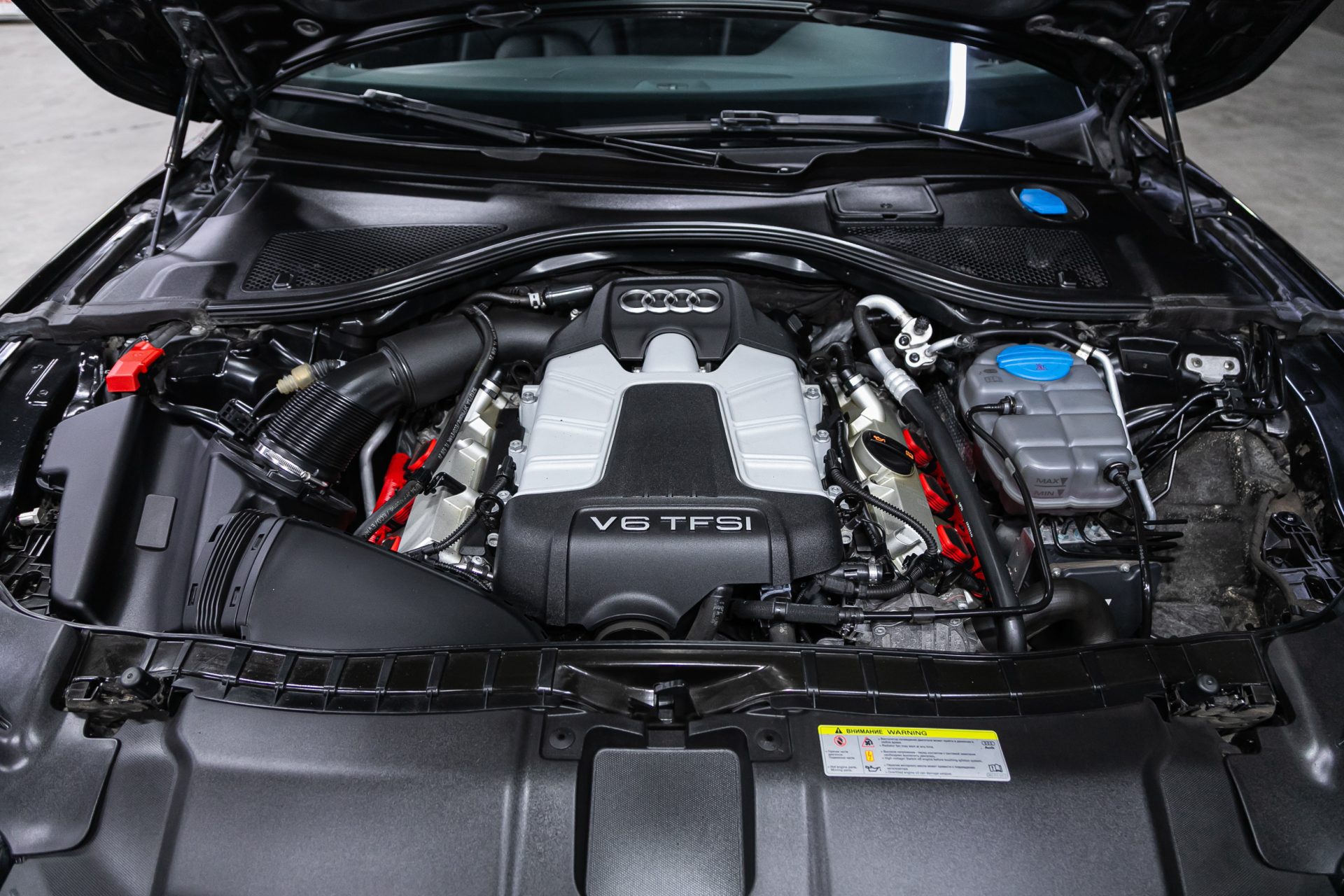
The 2015 Audi A4 (B8 facelift generation) is generally praised for its sharp handling, upscale interior, and refined ride quality, but it is not without mechanical flaws. Prospective buyers and current owners frequently encounter issues related to excessive oil consumption in the 2.0-liter turbocharged engine, timing chain tensioner wear, coolant leaks, and occasional failures in the multimedia interface or transmission components. Understanding these common pain points helps owners budget for preventative maintenance and allows used car shoppers to perform targeted inspections before making a purchase.
Introduction to the 2015 Audi A4 Platform
The 2015 model year represents the final phase of the B8 generation of the Audi A4, specifically the B8.5 facelifted variant that arrived for the 2013 model year. During this production run, Audi attempted to address many of the severe reliability shortcomings that plagued earlier models from 2009 to 2012, particularly concerning piston ring design and timing chain vulnerabilities.
Even with these factory updates, the 2015 Audi A4 remains a complex German luxury vehicle. It relies heavily on advanced electronics, high-pressure direct fuel injection, and a tightly packaged turbocharged powertrain. When properly maintained, these vehicles can achieve high mileage without catastrophic failure. However, neglecting routine service intervals or ignoring early warning signs of mechanical wear often results in expensive repair bills that can quickly eclipse the market value of the car.
Engine and Powertrain Complications
The heart of the 2015 Audi A4 is the 2.0-liter EA888 turbocharged four-cylinder engine, paired with either a manual transmission, an 8-speed Tiptronic automatic (on Quattro all-wheel-drive models), or a Multitronic CVT (on front-wheel-drive variants). While this engine provides a strong balance of efficiency and power, it has several well-documented mechanical trouble spots.
Excessive Oil Consumption
Excessive oil consumption is historically one of the most prominent concerns associated with Audi's 2.0T engines. While Audi updated the piston rings and piston design in the later stages of the B8 generation to mitigate the massive oil consumption failures seen in 2009–2012 models, 2015 models can still experience higher-than-average oil loss as mileage climbs.
- The Cause: Carbon buildup on the oil control rings can cause them to stick in their grooves, preventing them from scraping oil off the cylinder walls efficiently. The oil is subsequently burned during the combustion process.
- Symptoms: Frequent low-oil warnings on the dashboard, blue smoke from the exhaust upon startup or acceleration, and dark residue on the rear bumper.
- Prevention and Solution: Owners should check their oil levels manually every fuel fill-up rather than relying solely on the electronic sensor. If consumption exceeds normal thresholds (typically defined by manufacturers as more than one quart per 1,000 miles, though many owners prefer much lower rates), professional piston ring replacement or engine decarbonization may be required.
Timing Chain and Tensioner Wear
While Audi revised the timing chain tensioner in later B8.5 models to feature a more robust latching mechanism compared to the failure-prone 2009–2012 versions, timing chain stretch remains a potential risk for high-mileage 2015 units.
- The Mechanism: The timing chain links the crankshaft to the camshafts. Over time, friction and load cause the chain to elongate, while the hydraulic tensioner loses its ability to maintain proper pressure.
- Symptoms: A rattling noise from the passenger side of the engine bay upon cold startup, erratic idling, or in severe cases, catastrophic engine interference where valves strike the pistons.
- Inspection: Technicians can check the timing chain stretch via diagnostic software by reading the camshaft adaptation value. If this value exceeds approximately -4 to -5 degrees, the chain and tensioner require immediate replacement.
Carbon Buildup on Intake Valves
Because the 2015 Audi A4 utilizes direct fuel injection (where fuel is sprayed directly into the combustion chamber rather than through the intake manifold), fuel never washes over the back of the intake valves.
- The Issue: Oil vapor from the positive crankcase ventilation (PCV) system and exhaust gas recirculation deposits on the hot intake valves, baking into a hard carbon crust over time.
- Symptoms: Rough idling, engine misfires (often throwing diagnostic trouble codes like P0300), sluggish throttle response, and decreased fuel economy.
- Solution: Walnut blasting—a process where crushed walnut shells are blasted against the valves under pressure—is the industry standard method for cleaning the intake ports without damaging the metal.
Cooling System and Fluid Leaks
The cooling system on the 2015 Audi A4 relies heavily on plastic components, gaskets, and hoses that degrade under the continuous thermal cycling of a turbocharged engine bay. Coolant leaks are a frequent point of frustration for owners.
- Water Pump and Thermostat Housing: The thermostat housing and water pump assembly are integrated into a single plastic unit on the 2015 A4. Plastic warping and hairline cracks are common, leading to slow coolant loss or sudden pooling under the vehicle.
- Coolant Flanges: Plastic coolant distribution flanges located at the rear of the engine block become brittle with age and frequently leak coolant directly onto hot exhaust components, producing a sweet, distinct burning smell.
- Turbocharger Coolant Lines: The rubber and metal lines feeding coolant and oil to and from the turbocharger are susceptible to O-ring degradation and leaks.
Transmission and Drivetrain Issues
Transmission reliability varies significantly depending on whether the vehicle is equipped with front-wheel drive or Quattro all-wheel drive.
- Multitronic CVT (Front-Wheel Drive): The Continuously Variable Transmission used in FWD models has a history of shuddering, delayed engagement, and premature component wear. Fluid changes every 35,000 to 40,000 miles are mandatory, but even with maintenance, these units are more prone to failure than traditional automatics.
- Tiptronic Automatic (Quattro): The ZF 8-speed automatic transmission found in Quattro models is widely regarded as robust and dependable. However, neglect can lead to harsh shifting or valve body wear. Fluid service is recommended despite lifetime fluid claims by the manufacturer.
- Clutch and Flywheel (Manual): Manual transmission models may experience dual-mass flywheel failure or premature clutch wear, particularly in vehicles subjected to aggressive driving or heavy city traffic.
Electrical and Interior Accessories
Modern Audi vehicles feature extensive electrical architectures, and the 2015 A4 is no exception. While major electrical harness failures are rare, accessory and convenience features frequently present minor headaches.
| System / Component | Common Issue | Potential Impact | Suggested Action |
|---|---|---|---|
| MMI Infotainment | Screen freezing, Bluetooth connectivity drops, or controller knob failure. | Loss of navigation, audio controls, and vehicle settings. | Perform a system reboot or update software at a dealership. |
| Door Lock Actuators | Internal electronic motors fail inside one or more door latches. | Doors fail to lock or unlock via the key fob or interior switch. | Replace the failed door latch assembly. |
| Ignition Coils | Factory coils can breakdown under high thermal load. | Engine misfires, flashing check engine light, limp mode. | Replace with updated OEM or high-performance aftermarket coil packs. |
| PCV Valve (Oil Separator) | Diaphragm tears inside the crankcase breather valve. | Vacuum leaks, erratic idle, high-pitched whistling, oil consumption. | Replace the PCV assembly immediately to protect rear main seals. |
Suspension and Steering Wear
The multi-link front suspension design of the Audi A4 provides exceptional steering precision and ride compliance, but it utilizes numerous rubber bushings and control arms that wear out over time.
- Control Arm Bushings: Hydraulic and rubber bushings within the upper and lower control arms tear or dry out, leading to clunking noises when going over bumps, vague steering feel, and uneven front tire wear.
- Wheel Bearings: High mileage A4s frequently develop humming or roaring noises from the wheel hubs, indicating failing wheel bearings that require pressing out and replacing.
- Power Steering: The 2015 A4 utilizes electromechanical power steering. While hydraulic fluid leaks are eliminated, software glitches or internal motor failures can occasionally trigger steering warning lights on the instrument cluster.
Maintenance Checklist for Used Buyers
Purchasing a used 2015 Audi A4 requires a meticulous pre-purchase inspection (PPI) performed by a mechanic specializing in German automobiles. Buyers should request comprehensive service records verifying that oil changes were performed at strict 5,000-mile intervals rather than the factory-recommended 10,000-mile schedule, which many enthusiasts consider too long for a turbocharged direct-injection engine.
- Verify whether the timing chain tensioner and guides have been inspected or replaced.
- Check for any active fluid leaks around the water pump, thermostat housing, and oil filter housing.
- Test all electronic accessories, including the MMI screen, dual-zone climate control, power windows, and sunroof mechanisms.
- Scan the vehicle's computer for stored or cleared diagnostic trouble codes (DTCs) that may indicate masked intermittent faults.
Frequently Asked Questions
Is the 2015 Audi A4 a reliable car overall?
The 2015 Audi A4 offers above-average reliability for a German luxury sedan when it has been meticulously maintained. However, it demands stricter adherence to preventative maintenance schedules than equivalent Japanese competitors. Neglecting routine services quickly leads to expensive repairs.
How often should the oil be changed on a 2015 Audi A4?
It is strongly recommended to change the synthetic engine oil and filter every 5,000 miles or six months, whichever comes first. Relying on the factory 10,000-mile interval increases the risk of carbon buildup and oil consumption issues.
How can I tell if a 2015 Audi A4 has oil consumption problems?
Monitor the electronic oil level gauge on the MMI screen regularly and check the dipstick (if aftermarket installed) or physical oil consumption between services. Excessive consumption is typically classified as burning more than one quart of oil every 1,000 to 1,500 miles.
Are manual transmission models of the 2015 Audi A4 available in all markets?
Manual transmissions were available in North America for the 2015 model year in limited quantities, primarily paired with the Quattro all-wheel-drive system. Front-wheel-drive variants relied on the Multitronic CVT, while automatic Quattro models used the 8-speed Tiptronic.
What is the most expensive common repair on a 2015 Audi A4?
Timing chain replacement and addressing severe oil consumption (requiring piston ring replacement or engine rebuild) represent the most costly potential repairs, often ranging from $2,000 to over $4,000 depending on labor rates at independent shops versus dealerships.
Conclusion and Next Actions
The 2015 Audi A4 remains an attractive pre-owned luxury option for drivers who prioritize driving dynamics and interior craftsmanship. Potential owners and current drivers can prevent catastrophic mechanical failures by prioritizing proactive maintenance, monitoring fluid levels weekly, addressing coolant leaks immediately, and scheduling professional inspections for timing chain wear and carbon buildup before issues escalate into costly repairs.