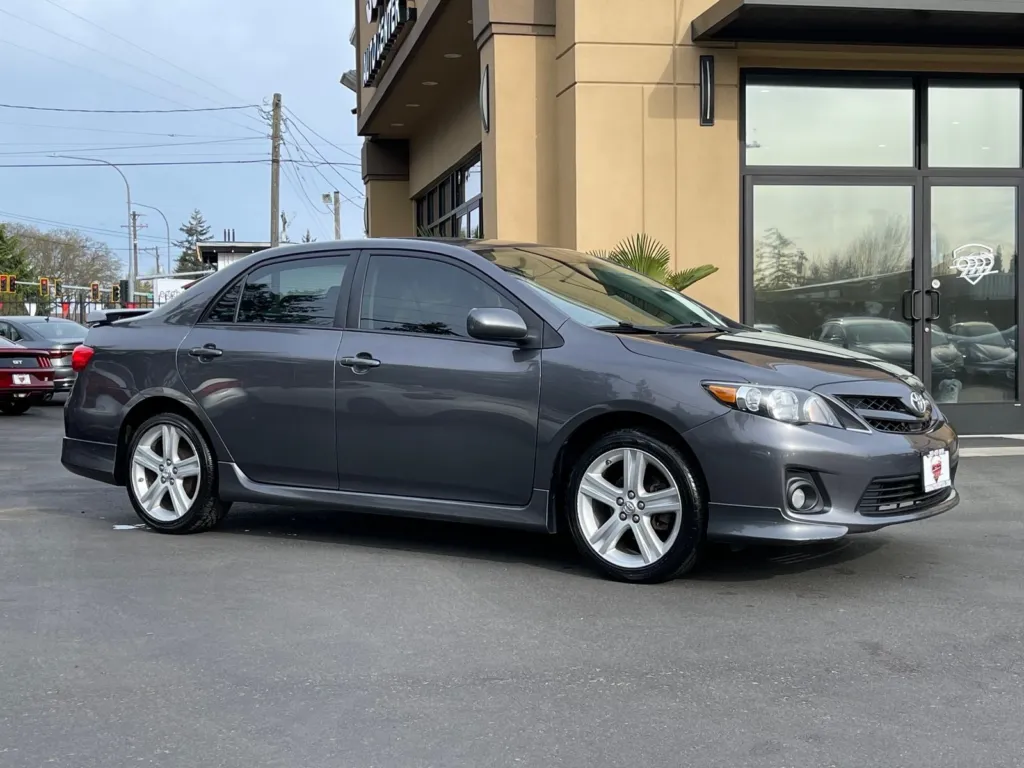
The 2013 Toyota Corolla S is powered by the 1.8-liter 2ZR-FE inline four-cylinder engine, a cornerstone of Toyota’s reputation for longevity. This dual overhead cam (DOHC) powerplant produces 132 horsepower and 128 lb-ft of torque, featuring Dual Variable Valve Timing with intelligence (VVT-i) to optimize efficiency and response across the RPM range.
Architecture of the 1.8L 2ZR-FE Engine
The heart of the 2013 Corolla S is the 2ZR-FE engine, which replaced the older 1ZZ-FE series. By 2013, this engine had been refined through several years of production, making it one of the most stable iterations in the Corolla’s history. The engine block is constructed from die-cast aluminum alloy, which significantly reduces the overall weight of the front end, improving handling and fuel economy compared to traditional iron blocks.
Within the block, Toyota utilized "spiny-type" cylinder liners. These liners have a rough outer surface that increases the contact area with the cooling jacket, allowing for superior heat dissipation. This thermal management is critical for preventing long-term fatigue in the piston rings and head gasket, common failure points in lesser-engineered economy engines.
The cylinder head is also aluminum, housing 16 valves (four per cylinder). The move to a double overhead camshaft (DOHC) design allowed Toyota engineers to implement the Dual VVT-i system. Unlike earlier systems that only adjusted the intake valves, Dual VVT-i independently controls the timing of both the intake and exhaust camshafts. This allows the engine to "breathe" better at high speeds while maintaining a smooth, stable idle and reducing emissions during cold starts.
Understanding the "S" Trim Power Dynamics
A common point of confusion for used car buyers in 2026 is whether the "S" in Corolla S stands for a performance-tuned engine. In the 2013 model year, the "S" trim—standing for Sport—primarily offered aesthetic and interior upgrades rather than a mechanical overhaul.
Under the hood, the Corolla S utilizes the exact same 1.8L 2ZR-FE engine found in the base L and mid-grade LE trims. While earlier generations of the Corolla offered a high-output "XRS" variant with a larger 2.4L engine, that option was discontinued for the North American market by 2013. Consequently, the "S" provides the same 132 horsepower as its siblings.
The sportiness of the 2013 Corolla S is found in its peripheral systems. It features a front strut tower brace and slightly firmer suspension tuning, which changes how the engine’s power is felt through the chassis. When cornering, the S trim feels more composed, allowing the driver to maintain higher momentum, which compensates for the modest power output of the 1.8L naturally aspirated engine.
Transmission Pairings and Power Delivery
The engine’s performance is heavily influenced by the transmission it is mated to. In 2013, Toyota offered two primary options for the S trim:
- 5-Speed Manual Transmission: This is the preferred choice for enthusiasts. It allows the driver to keep the 2ZR-FE within its power band (which peaks at 6,000 RPM for horsepower and 4,400 RPM for torque). The manual transmission is known for a light clutch feel and mechanical durability.
- 4-Speed Electronically Controlled Automatic (ECT): While considered "old-school" even in 2013, this 4-speed unit is legendary for its reliability. It features an overdrive gear to keep highway RPMs low, though the wide gaps between the four gears can make the engine feel slightly sluggish during steep uphill climbs or heavy merging maneuvers.
The 2013 model notably lacks the CVT (Continuously Variable Transmission) that became standard in later years. For many long-term owners in 2026, the traditional geared automatic is seen as a benefit due to its predictable maintenance and lower failure rates compared to early-generation CVTs.
Technical Specifications and Capacities
To understand the 2013 Corolla S engine's capabilities, one must look at the specific engineering tolerances and fluid requirements that have allowed these vehicles to reach the 200,000-mile mark so frequently.
| Feature | Specification |
|---|---|
| Engine Code | 2ZR-FE |
| Configuration | Inline 4-Cylinder, 16-Valve DOHC |
| Displacement | 1,798 cc (1.8 Liters) |
| Horsepower | 132 hp @ 6,000 rpm |
| Torque | 128 lb-ft @ 4,400 rpm |
| Bore x Stroke | 80.5 mm x 88.3 mm |
| Compression Ratio | 10.0:1 |
| Fuel System | Sequential Multi-port Fuel Injection (SFI) |
| Ignition System | DIS (Direct Ignition System) / Iridium Plugs |
| Timing Drive | Maintenance-free Steel Timing Chain |
| Oil Grade | SAE 0W-20 (Synthetic recommended) |
| Oil Capacity | 4.4 Quarts (with filter) |
Reliability and Common Maintenance Concerns
By 2026, many 2013 Corollas have entered their "high-mileage" phase. The 2ZR-FE is generally considered a "bulletproof" engine, but it is not without its specific quirks.
The Timing Chain Advantage
One of the most significant advantages of this engine overview is the confirmation of a timing chain rather than a timing belt. Timing belts usually require expensive replacement every 60,000 to 90,000 miles. The steel chain in the 2013 Corolla S is designed to last the life of the engine, provided that oil changes are performed regularly. Chain tensioners rely on oil pressure, so neglecting oil changes can lead to "chain slap" or premature wear.
Water Pump Longevity
The most common mechanical failure on the 2ZR-FE involves the water pump. Owners should inspect the area around the engine pulleys for pinkish crusty residue, which indicates a slow coolant leak. These pumps often fail between 80,000 and 120,000 miles. Replacing the water pump is a standard procedure and relatively affordable compared to more complex engine repairs.
Oil Consumption
While the 2009–2011 models were sometimes criticized for oil consumption, by 2013, Toyota had largely addressed the piston ring design issues. However, as these engines age toward 2026, high-mileage units may still consume a small amount of oil between changes. It is vital to use the specified 0W-20 synthetic oil to ensure the VVT-i solenoids remain clear of sludge.
Fuel Efficiency and Environmental Impact
The 2013 Corolla S was designed during an era of increasing fuel prices, and its engine reflects a priority on efficiency over raw speed. The EPA ratings for the 2013 model year were approximately 26 MPG city and 34 MPG highway for the automatic transmission.
The engine uses a plastic intake manifold, which reduces weight and heat soak. By keeping the intake air cooler, the engine can maintain a more efficient combustion cycle. Additionally, the electronic throttle control (ETCS-i) manages the relationship between the gas pedal and the engine’s air intake to maximize fuel economy, even if it results in a slight "laggy" feel that some drivers find less than sporty.
Real-World Driving Performance in 2026
When evaluating the 2013 Corolla S engine today, it is important to set realistic expectations. This engine was never designed to compete with turbocharged sport compacts. Instead, it offers linear, predictable power.
In urban environments, the 128 lb-ft of torque is sufficient for quick "point-and-shoot" maneuvers. On the highway, the engine remains relatively quiet until you pass the 4,000 RPM mark, where the VVT-i system fully opens the valves for maximum flow. At this point, the engine note becomes more audible, but it lacks the harsh vibration found in many other economy fours from the same era.
The S trim’s engine bay is also notably easy to work on. For DIY mechanics, the spark plugs are easily accessible under the plastic beauty cover, and the oil filter (a cartridge-style on many 2ZR-FE units) is located on the bottom of the engine for straightforward access.
Comparison: Why the 2013 Model Stands Out
In the timeline of the 10th-generation Corolla (2009–2013), the 2013 model is often viewed as the "pinnacle" of that chassis. Toyota had corrected the early-production software glitches and mechanical recalls by this point.
Compared to the 2014 Corolla (the 11th generation), the 2013 S model offers a more mechanical, connected feel. The 2014 and later models moved toward CVTs and more intrusive electronic power steering. For a driver who wants a simple, naturally aspirated engine that is easy to diagnose and cheap to maintain, the 2013 2ZR-FE remains a top-tier choice in the used market.
Frequently Asked Questions
Does the 2013 Corolla S engine have a timing belt or a timing chain?
The 2013 Toyota Corolla S uses a timing chain. Unlike a belt, the chain is constructed of high-strength steel and is designed to last for the entire lifespan of the engine. It does not require periodic replacement, though it is dependent on clean engine oil for proper lubrication and tensioner function.
What is the best oil for the 2013 Corolla S?
Toyota recommends SAE 0W-20 synthetic oil for the 2ZR-FE engine. This low-viscosity oil is essential for the proper operation of the Dual VVT-i system and helps maximize fuel efficiency. Using heavier oils can lead to reduced fuel economy and potential "check engine" lights related to camshaft timing.
Can I upgrade the engine in my Corolla S for more horsepower?
While the 1.8L engine is highly reliable, it is not very responsive to "bolt-on" performance mods. Cold air intakes and exhaust systems may improve the sound but rarely provide a noticeable increase in horsepower. For significant gains, internal engine work or forced induction would be required, but most experts recommend simply maintaining the stock reliability.
Is the 2013 Corolla S engine "Interference" or "Non-Interference"?
The 2ZR-FE is an interference engine. This means that if the timing chain were to fail or jump time significantly, the pistons could strike the valves, causing catastrophic internal damage. However, because it uses a chain rather than a belt, such failures are extremely rare and usually only occur due to severe oil neglect.
Why is my 2013 Corolla S engine making a rattling noise on start-up?
A brief rattle on start-up often points to the VVT-i gear or the timing chain tensioner. If the oil is dirty or the wrong viscosity is used, the phaser may not lock correctly until oil pressure builds up. While often annoying, it is usually a sign that an oil change or a VVT-i solenoid cleaning is needed.
Final Recommendation for Owners and Buyers
The 2013 Toyota Corolla S engine is a masterclass in pragmatic engineering. It does not provide the thrill of a sports car, but it offers a level of mechanical certainty that is rare in the automotive world. For those looking to purchase one in 2026, prioritize vehicles with a documented history of 5,000 to 7,500-mile synthetic oil changes.
If you already own a 2013 Corolla S, your primary focus should be the cooling system. Ensure the coolant is flushed according to the manual (usually every 100,000 miles or 10 years) and keep a close eye on the water pump. With these minor precautions, the 2ZR-FE engine is fully capable of exceeding 250,000 miles with no major internal repairs.