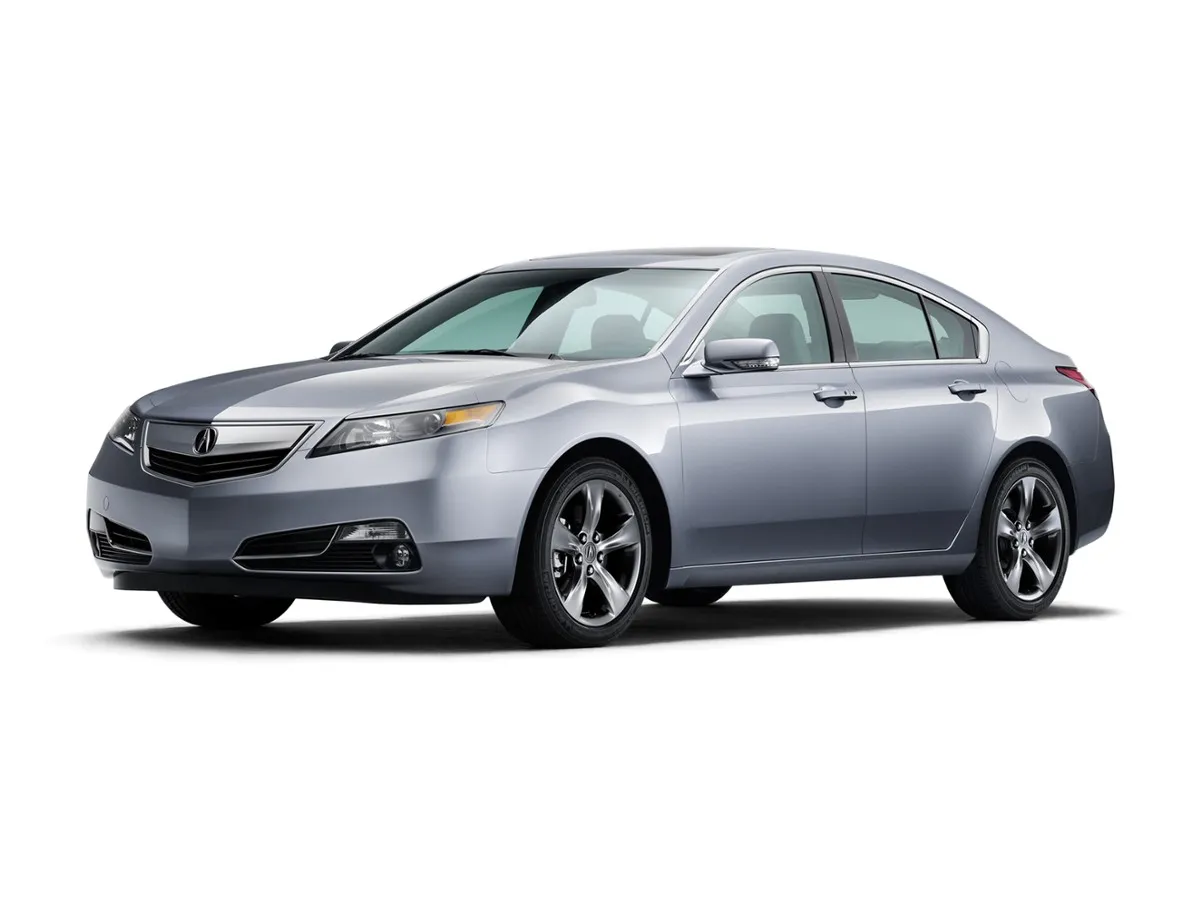
The 2012 Acura TL SH-AWD delivers a 0-60 mph time of approximately 5.3 to 5.5 seconds when equipped with the rare 6-speed manual transmission, while the 6-speed automatic version typically clocks in between 6.0 and 6.2 seconds. These figures are achieved thanks to the 305-horsepower 3.7L V6 engine and the sophisticated Super Handling All-Wheel Drive system, which optimizes traction during aggressive launches.
As we look at this vehicle from the perspective of 2026, the 2012 Acura TL SH-AWD remains a significant touchstone in the history of Japanese luxury sport sedans. It represented the pinnacle of the fourth-generation (UA9) TL, featuring a mid-cycle refresh that refined its aesthetics and upgraded its drivetrain. To understand its 0-60 performance, one must look beyond the raw numbers and examine the mechanical synergy of the J-series engine, the torque-vectoring AWD system, and the practical considerations of maintaining such performance fourteen years after it left the showroom.
The Mechanical Heart: The 3.7L VTEC V6 Engine
The core of the 2012 Acura TL SH-AWD’s performance is the J37A4 engine. This 3.7-liter, SOHC, 24-valve V6 was, at the time, the most powerful engine Acura had ever produced for a production sedan. It utilizes Acura's signature VTEC (Variable Valve Timing and Lift Electronic Control) on both the intake and exhaust valves, a feature that distinguishes it from the 3.5-liter engine found in the front-wheel-drive base models of that era.
Power Output and Power Delivery
The engine produces 305 horsepower at 6,300 rpm and 273 lb-ft of torque at 5,000 rpm. What makes this engine unique for its time is the use of high-strength, lightweight aluminum-alloy cylinder liners (Alusil) and a high compression ratio of 11.2:1.
In a 0-60 mph sprint, the power delivery is characterized by a linear surge. Unlike modern turbocharged engines that provide a "wall" of torque at low RPMs, the J37 engine requires the driver to climb the tachometer. The VTEC transition occurs around 4,700 to 5,000 rpm, providing a noticeable change in engine note and a secondary "kick" of acceleration that helps the car cross the 60 mph threshold efficiently.
Cooling and Airflow
To sustain these performance levels, Acura engineered a high-flow intake system and a dual-exhaust setup. However, for enthusiasts in 2026 looking to replicate those factory 0-60 times, the condition of the intake manifold and the cleanliness of the throttle body are paramount. Carbon buildup over fourteen years can slightly diminish the engine's breathing capacity, potentially adding tenths of a second to acceleration times.
Understanding SH-AWD (Super Handling All-Wheel Drive)
The "SH-AWD" suffix is not merely a marketing term; it is the defining technological feature of the 2012 TL. While many AWD systems are designed primarily for winter traction, Super Handling All-Wheel Drive was designed specifically to enhance performance and cornering.
Impact on Straight-Line Acceleration
In a 0-60 mph context, SH-AWD provides a massive advantage over the base front-wheel-drive TL. When the driver floors the accelerator from a standstill, the system can send up to 70% of the engine's torque to the rear wheels. This prevents front-wheel spin, which is common in high-powered FWD cars, and allows the TL to "hook up" immediately.
Furthermore, the system features an electromagnetic clutch in the rear differential that can distribute 100% of that rearward torque to either the left or right wheel. While this is most noticeable in high-speed cornering, it aids stability during the initial launch phase, ensuring that the car tracks straight even if the road surface has varying grip levels.
The Weight Penalty
The primary trade-off for this sophisticated grip is weight. The 2012 Acura TL SH-AWD has a curb weight of approximately 3,900 to 4,000 pounds, depending on the equipment (Technology or Advance packages). This is roughly 200–250 pounds heavier than the front-wheel-drive variant. This weight is the primary reason why the TL SH-AWD, despite having 305 horsepower, isn't significantly faster in a straight line than some of its lighter, rear-wheel-drive competitors.
Transmission Impact: Manual vs. Automatic
One of the most critical factors in the 0-60 performance of the 2012 TL is the choice of transmission. 2012 was a pivotal year for the model, as it introduced the Sequential SportShift 6-speed automatic, replacing the aging 5-speed unit from previous years.
The Rare 6-Speed Manual (6MT)
For those seeking the fastest possible 0-60 times, the 6-speed manual is the gold standard. This transmission was paired with a unique suspension tuning and more aggressive gear ratios.
- Performance: Pro-driver testing in 2012 consistently placed the 6MT in the 5.3 to 5.5-second range.
- Driver Engagement: The manual allows for a high-RPM launch (dropping the clutch at approximately 3,500–4,000 RPM), which is essential to keeping the engine in its power band.
- Scarcity: In 2026, finding an SH-AWD with a manual transmission is difficult, as they accounted for only a small percentage of total production.
The 6-Speed Automatic (6AT)
The 6-speed automatic introduced in 2012 featured "Straight-Gate" shifting and steering-wheel-mounted paddle shifters.
- Performance: The automatic typically records 0-60 times in the low 6-second range (6.0–6.2).
- Logic: The 2012 refresh included a new "downshift rev-matching" feature, which helps with performance driving but doesn't significantly impact the 0-60 sprint.
- Efficiency: The extra gear helped the 2012 model achieve better fuel economy than the 2011 version while keeping the engine closer to its peak torque during acceleration.
Technical Specifications Comparison
To provide context on how the SH-AWD model compares to the base model and its primary rivals of that era, the following table breaks down the key performance metrics.
| Feature | 2012 TL (Base FWD) | 2012 TL SH-AWD (Automatic) | 2012 TL SH-AWD (Manual) |
|---|---|---|---|
| Engine | 3.5L V6 (J35Z5) | 3.7L V6 (J37A4) | 3.7L V6 (J37A4) |
| Horsepower | 280 hp @ 6,200 rpm | 305 hp @ 6,300 rpm | 305 hp @ 6,300 rpm |
| Torque | 254 lb-ft @ 5,000 rpm | 273 lb-ft @ 5,000 rpm | 273 lb-ft @ 5,000 rpm |
| 0-60 MPH | ~6.5 Seconds | ~6.1 Seconds | ~5.4 Seconds |
| Curb Weight | ~3,720 lbs | ~3,980 lbs | ~3,850 lbs |
| Drive Type | Front-Wheel Drive | SH-AWD | SH-AWD |
| Tire Size | 17" or 18" | 18" or 19" | 19" (Standard) |
Real-World Performance Considerations in 2026
If you are evaluating a 2012 Acura TL SH-AWD today, several factors will influence whether the car can still achieve its original performance specifications. As vehicles age, "mechanical sympathy" becomes a factor in performance testing.
1. Oil Consumption Issues
The 3.7L J37 engine is known in the enthusiast community for oil consumption issues. This is often attributed to the Alusil cylinder liners wearing over time. Low oil levels can affect the VTEC engagement and overall engine health. Before attempting performance runs, ensuring the piston rings are in good condition and the oil is at the correct level is mandatory. Many 2012 models received warranty repairs for this issue, so checking service records for "piston ring replacement" is a wise move.
2. Drivetrain Fluid Maintenance
The SH-AWD system relies on high-quality fluid to operate the rear clutch packs. If the rear differential fluid (specifically Acura All-Wheel Drive Fluid - DPSF) hasn't been changed every 30,000 miles, the system may not distribute torque effectively, leading to wheel spin or "shuddering" during a hard launch, which will negatively impact 0-60 times.
3. Tire Selection
The 2012 TL SH-AWD was often sold with Michelin Pilot Sport or similar high-performance all-season tires. In 2026, the performance of this car is highly dependent on modern rubber. A 2012 TL on budget all-season tires will likely struggle to break 6.5 seconds to 60 mph due to lack of grip, whereas a set of modern ultra-high-performance (UHP) summer tires can help the car feel more planted than it did when new.
4. Fuel Grade Requirement
The J37 engine requires 91 octane premium fuel as a minimum. Using 87 octane will cause the engine’s Knock Sensor to retard ignition timing to prevent "pinging," which results in a significant loss of horsepower and torque. In 2026, with varying fuel qualities, using top-tier premium fuel is essential for hitting factory performance numbers.
Comparative Performance Context
To truly understand the "context" of the 2012 TL SH-AWD's performance, one must compare it to its contemporaries and how it holds up against modern 2026 vehicles.
Against 2012 Competitors
- BMW 335i (E90/F30): The BMW 335i of the same era was generally faster, with 0-60 times in the high 4-second to low 5-second range, thanks to its turbocharged torque. However, the Acura offered a more reliable naturally aspirated experience and a more sophisticated AWD system for cornering.
- Infiniti G37x: The G37x was the TL's closest Japanese rival. It featured a 3.7L V6 and AWD, with 0-60 times very similar to the TL (around 5.8 to 6.0 seconds for the automatic).
- Audi S4: The supercharged Audi S4 was significantly faster (sub-5 seconds) but occupied a higher price bracket when new.
Against 2026 Standards
In 2026, a 5.5 to 6.0-second 0-60 time is considered "brisk" rather than "fast." Many modern electric vehicles and even mid-range turbocharged four-cylinder sedans can achieve these numbers. However, the TL SH-AWD offers a mechanical, visceral feel—the sound of a high-revving V6 and the physical sensation of torque vectoring—that many modern, digitally-isolated cars lack.
Enhancing Performance: Tuning the 2012 TL
For owners who find the stock 0-60 times insufficient, the 4th Gen TL has a healthy aftermarket. Because the J37 is naturally aspirated, gains are modest compared to turbo cars, but they improve the "area under the curve."
- J-Pipe Upgrade: Replacing the restrictive factory J-pipe with a high-flow aftermarket unit is the most common modification. This can yield 10–15 horsepower and improve mid-range torque.
- Intake Systems: A cold air intake (CAI) provides a more aggressive VTEC crossover sound and slightly better throttle response.
- KTuner/Hondata: Electronic tuning can lower the VTEC engagement point and sharpen throttle maps. While this doesn't drastically change the 0-60 time, it makes the car feel much more responsive in daily driving.
- Weight Reduction: Removing the spare tire and opting for lightweight aftermarket wheels can shave 50–100 lbs off the car, which is one of the few ways to improve the power-to-weight ratio of this relatively heavy sedan.
Frequently Asked Questions
Is the 2012 Acura TL SH-AWD faster than the 2011 model?
Mechanically, the engine remained the same (305 hp), but the 2012 model's 6-speed automatic transmission is generally more efficient and offers better gear spacing than the 2011's 5-speed. This results in slightly better real-world acceleration and improved fuel economy.
Does the SH-AWD system require special maintenance for performance?
Yes. The Super Handling All-Wheel Drive system is fluid-dependent. The rear differential fluid (DPSF) and the transfer case fluid must be changed at the recommended intervals (usually every 30k miles) to ensure the electromagnetic clutches can transfer torque quickly enough for an optimal 0-60 launch.
What is the top speed of the 2012 Acura TL SH-AWD?
The 2012 TL SH-AWD is electronically limited to approximately 130 mph. While the engine has enough power to push the car further, Acura limited the speed based on the speed rating of the factory tires and the aerodynamic profile of the car.
Why is the manual transmission version so much faster to 60 mph?
The manual transmission version is faster for three reasons: it is approximately 100 pounds lighter, it has more aggressive gearing in the first three gears, and it allows the driver to "launch" the car at a higher RPM, whereas the automatic is limited by the torque converter's stall speed.
Is the 2012 TL SH-AWD a good "project car" in 2026?
It is an excellent choice for someone who values mechanical reliability and "old school" feel. While it won't beat modern performance EVs in a drag race, its handling characteristics and the reliability of the J-series V6 make it a rewarding car to own and maintain.
Final Recommendation
The 2012 Acura TL SH-AWD is a balanced performance machine that offers a respectable 0-60 time of 6.0 seconds (AT) or 5.4 seconds (MT). To maintain this level of performance in 2026, focus on three key areas: verify that the oil consumption issue has been addressed, ensure the SH-AWD differential fluid is fresh, and equip the car with modern, high-performance summer tires. For those who prioritize a raw, mechanical connection to the road over sheer digital speed, this vehicle remains one of the best value-for-money sport sedans from the early 2010s.