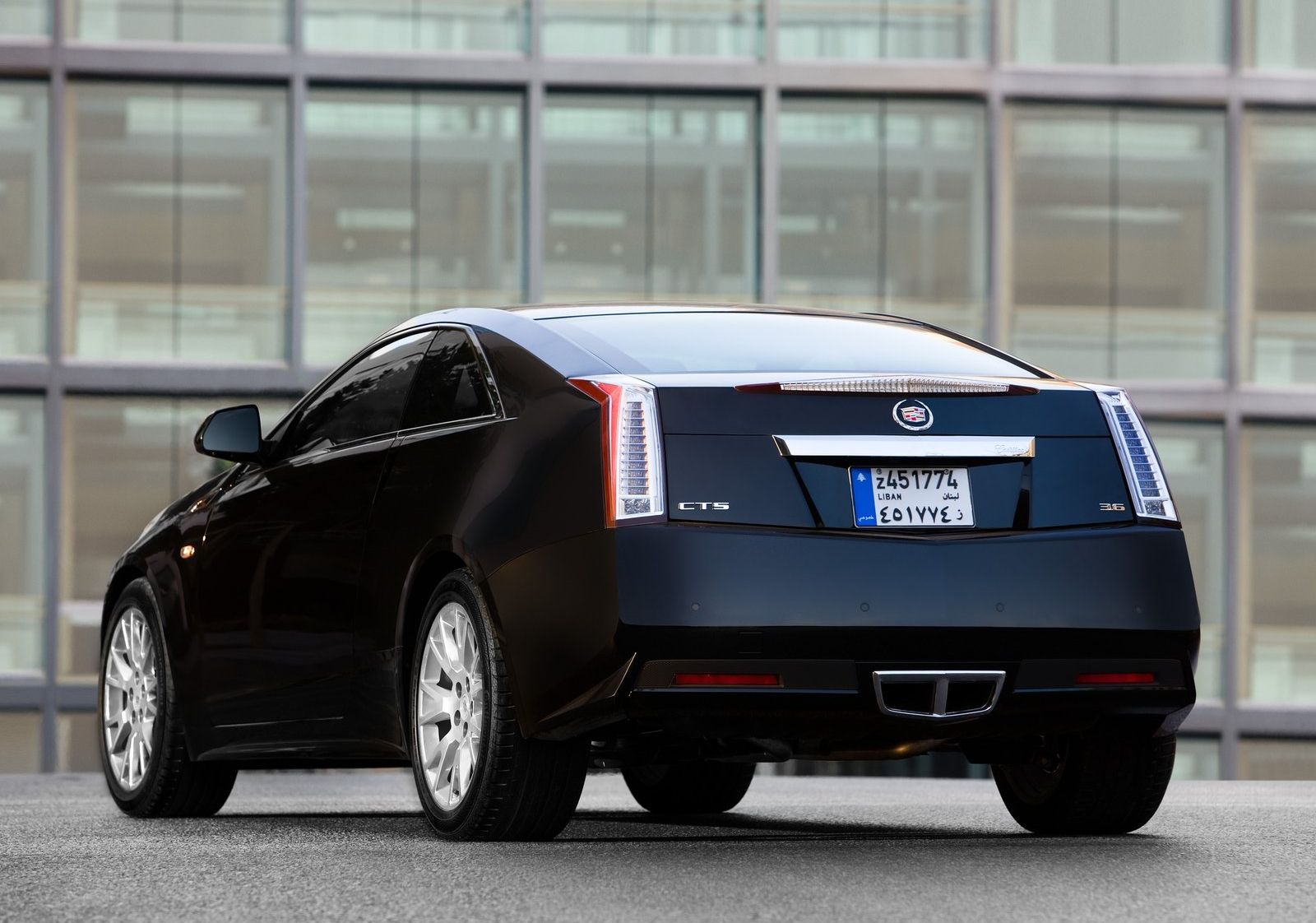
The 2011 Cadillac CTS interior is characterized by a "cut-and-sew" approach to cabin construction, featuring high-quality soft-touch materials, hand-stitched leather accents, and a cockpit-oriented layout. Designed to compete with premium European luxury sedans, the interior balances integrated technology, such as the pop-up navigation system, with an emphasis on driver ergonomics and sophisticated, modern aesthetics.
Evolution of the Cadillac CTS Interior Design
The 2011 model year represents a refined iteration of the second-generation Cadillac CTS, which debuted in 2008. By 2011, Cadillac had successfully transitioned the CTS away from the austere, plasticky interiors that plagued American luxury vehicles in the 1990s. The 2011 cabin was engineered to provide a tactile sense of luxury, utilizing materials that felt substantial and premium to the touch.
The design philosophy focused on the "V-shape" center stack, which served as the anchor for the vehicle's secondary controls. This architecture was designed to flow seamlessly into the center console, effectively separating the driver and passenger zones. For the 2011 model, Cadillac offered various interior trims, including sapele wood veneers and brushed metallic finishes, which allowed owners to customize the atmosphere of the cabin from sporty and technical to traditional and opulent.
Key Interior Features and Technological Integration
One of the defining aspects of the 2011 Cadillac CTS interior is its integration of then-state-of-the-art infotainment systems. Unlike many of its contemporaries, the CTS utilized a retractable navigation screen that emerged from the top of the dashboard. This motorized feature was both a design statement and a functional choice, as it allowed the screen to remain hidden when not in use, preserving the clean lines of the instrument panel.
Infotainment and Audio
The 2011 CTS was widely equipped with a Bose 5.1 Surround Sound audio system. This system was specifically engineered for the interior acoustics of the CTS sedan, utilizing multiple speakers strategically placed throughout the cabin to create a concert-like experience. Standard on many trims, the system included a hard-drive-based music storage system, allowing drivers to record and playback content directly from the head unit.
Seating Comfort and Ergonomics
The seating in the 2011 Cadillac CTS was designed with a focus on long-distance touring comfort. The front bucket seats provided significant lateral support, essential for the handling capabilities of the CTS chassis. High-end trim levels included heated and ventilated seats, which were notable for their speed of operation and effectiveness. The rear seating area, while criticized by some for being slightly tight in terms of headroom compared to class leaders like the BMW 5 Series, offered generous legroom and high-quality upholstery options, including full leather seating surfaces.
Technical Specifications and Material Quality
The cabin environment is defined by its material selection. Cadillac emphasized the "cut-and-sew" method, where leather pieces were hand-wrapped over the dashboard and door panels. This process eliminated the uneven gaps and visible molding seams common in mass-produced vehicles of the era.
| Feature Category | Component Specification |
|---|---|
| Upholstery | Leather, Suede/Microfiber, or Premium Vinyl |
| Wood Trim | Authentic Sapele Wood or Piano Black Accents |
| Instrumentation | Analog Gauges with Driver Information Center (DIC) |
| Connectivity | Bluetooth Hands-Free, USB/Auxiliary Inputs |
| Storage | Center Console Bin, Dual Glovebox, Door Pockets |
The instrument cluster features high-visibility analog gauges that are backlit with white LEDs, ensuring clarity during day and night driving. The Driver Information Center (DIC) situated within the cluster provides critical vehicle diagnostics, including oil life, tire pressure monitoring, and fuel economy data.
Practical Maintenance and Care
Maintaining the interior of a 2011 Cadillac CTS requires attention to the specific materials used. Because the dashboard and door panels feature wrapped leather or soft-touch materials, avoiding harsh chemical cleaners is paramount.
Leather and Upholstery Care
The leather seats in the 2011 CTS are susceptible to drying and cracking over the course of 15 years. To preserve the original aesthetic, owners should utilize a high-quality leather conditioner every six months. Avoid silicone-based sprays, which can create a greasy residue that attracts dust and degrades the finish of the steering wheel and shift knob.
Electronics Troubleshooting
As the vehicle ages, the motorized navigation screen is the most common point of failure. If the screen fails to rise, the issue is often related to a blown fuse or a stripped gear within the motorized housing. Regularly exercising the mechanism—opening and closing it periodically—can prevent the grease on the tracks from hardening. Furthermore, the Bluetooth modules from this era were designed for older communication standards; modern smartphones may experience intermittent connectivity issues, which can often be mitigated by using a dedicated Bluetooth-to-Auxiliary adapter.
Comparison of Trim Packages
Cadillac categorized the 2011 CTS into distinct trim levels, each offering different interior appointments. Understanding these helps in identifying the specific feature set of a particular vehicle.
- Base (Standard) Trim: Features high-quality vinyl and cloth combinations. It is the most durable, though it lacks the luxury feel of the higher tiers.
- Luxury Collection: Includes leather seating surfaces, 8-way power front seats, and the memory package for the driver's seat, mirrors, and steering column.
- Performance Collection: Adds sport-tuned suspension components alongside interior upgrades like adaptive forward lighting and upgraded interior ambient lighting.
- Premium Collection: Represents the pinnacle of the 2011 interior, featuring heated and ventilated seats, a heated steering wheel, a power-adjustable steering column, and the premium navigation system with a rearview camera.
Common Interior Issues and Solutions
While the build quality was a significant step forward for Cadillac, several recurring issues are known to owners of the 2011 model.
- Dashboard Delamination: In hot climates, the adhesive holding the soft-touch dashboard material can weaken, leading to bubbling or peeling. This is often a cosmetic issue but requires professional interior upholstery repair to fix properly.
- HVAC Blend Door Actuator: If the passenger side vents blow hot air while the driver's side blows cold (or vice versa), the blend door actuator—the motor that controls the mixing of air temperatures—has likely failed. This is a labor-intensive repair as it often requires partial removal of the dash.
- Interior Lighting: The white LED backlighting in the center stack and door buttons can occasionally flicker or fail. Since these are integrated into the circuit boards, a full replacement of the control module is often required.
Safety and Environmental Considerations
The interior was designed with a focus on occupant safety, featuring a full suite of airbags including front, side-impact, and side-curtain airbags. The placement of the airbag modules was engineered to preserve the interior styling, ensuring that the safety components remain hidden behind the dashboard and pillar covers until deployment.
For owners in 2026, it is worth noting that the 2011 Cadillac CTS does not support modern vehicle-to-infrastructure (V2I) communication. However, the cabin remains remarkably quiet at highway speeds due to significant acoustic dampening materials applied behind the door panels and under the carpet, a hallmark of the premium luxury segment of that era.
Frequently Asked Questions
Can I upgrade the 2011 CTS infotainment system to support Apple CarPlay or Android Auto? The factory unit does not support these protocols. However, several aftermarket companies offer "plug-and-play" modules that integrate with the factory screen, allowing for smartphone projection without replacing the entire dash assembly.
What is the best way to clean the Sapele wood trim? Use a slightly damp microfiber cloth to remove dust. Because the wood is often finished with a clear coat, do not use furniture polishes or wax, as these can leave a hazy film on the surface.
How do I replace a burnt-out bulb in the instrument cluster? The 2011 CTS uses soldered-in LEDs for the instrument cluster. Replacing these requires advanced soldering skills and the disassembly of the cluster housing. If you are not comfortable with circuit board repair, it is recommended to have a professional auto electronics technician handle this task.
Are the interior door handles prone to breaking? The interior door handles are robust, but the cable housing inside the door panel can stretch over time. If the handle feels loose or requires a longer pull to open the door, the latch cable may need adjustment or replacement.
Does the 2011 CTS interior contain flammable materials? Like all vehicles, the interior is constructed using materials that meet federal motor vehicle safety standards for flame retardancy. However, as the vehicle ages, the dry, aging foams and fabrics may become more susceptible to combustion if exposed to high-heat sources.
Recommendation for Prospective Buyers and Owners
If you are currently owning or evaluating a 2011 Cadillac CTS, the interior remains a highlight of the vehicle’s value proposition. Focus your maintenance efforts on the leather surfaces and the mechanical integrity of the navigation screen, as these are the components that most significantly influence the "perceived luxury" of the car. When inspecting a pre-owned vehicle, prioritize those with documented service histories, specifically regarding the HVAC system and interior electronics, to avoid potential high-cost repairs down the road. By keeping the cabin clean and addressing minor wear items promptly, you can maintain the sophisticated character that defined the CTS in the luxury market.