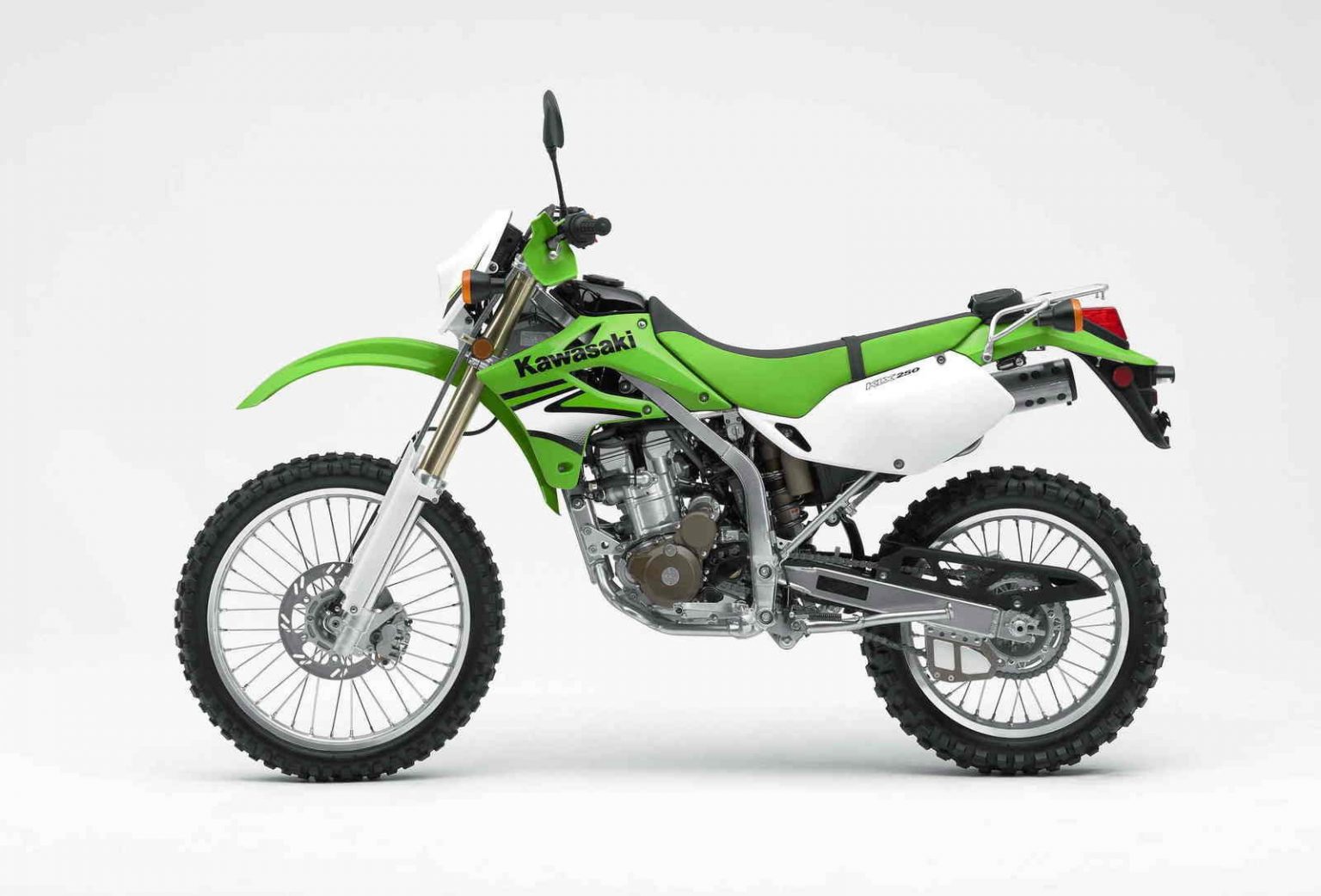
The 2010 Kawasaki KLX250S is a versatile dual-sport motorcycle engineered to balance on-road commuting with reliable off-road capability. Featuring a liquid-cooled 249cc four-stroke engine, perimeter frame, and long-travel suspension, it provides a lightweight, manageable platform for entry-level riders and a dependable workhorse for experienced trail enthusiasts seeking a street-legal machine.
Understanding the 2010 Kawasaki KLX250S Concept
The KLX250S occupies a unique space in the motorcycle market. Unlike dedicated motocross bikes, which are strictly for closed-course racing, or heavy adventure bikes designed for long-distance pavement touring, the KLX250S is a true "50/50" dual-sport. In 2010, Kawasaki refined this platform to cater to riders who needed a machine capable of handling urban traffic and highway speed limits while remaining agile enough to navigate technical forest trails.
For the rider, the bike’s primary appeal lies in its accessibility. With a seat height that can be intimidating to the absolute beginner but is well-balanced for the average adult, the ergonomics are designed for upright visibility and control. The 2010 model specifically benefits from the engine refinements introduced in earlier iterations of the "S" series, offering a smooth power delivery that avoids the "snatchy" throttle response often found in race-derived engines.
Core Technical Specifications
To understand what this motorcycle can—and cannot—do, riders must examine its mechanical foundation. The following specifications outline the core architecture of the 2010 model, serving as a baseline for maintenance and performance expectations.
| Feature | Specification |
|---|---|
| Engine Type | Liquid-cooled, 4-stroke single |
| Displacement | 249cc |
| Bore x Stroke | 72.0 x 61.2 mm |
| Compression Ratio | 11.0:1 |
| Fuel System | Keihin CVK34 carburetor |
| Transmission | 6-speed |
| Final Drive | Chain |
| Frame Type | High-tensile steel, perimeter design |
| Front Suspension | 43mm inverted cartridge fork, 16-way adjustable compression |
| Rear Suspension | Uni-Trak, adjustable preload/rebound |
| Curb Weight | Approx. 297.7 lbs (135 kg) |
Engine Performance and Power Delivery
The heart of the 2010 KLX250S is its 249cc engine. While enthusiasts often look for high-horsepower figures, this motor is focused on torque and usability. Because it is a single-cylinder engine, it vibrates more than a multi-cylinder street bike, but the counter-balancer helps mitigate this at highway speeds.
The power delivery is linear, making it predictable on loose surfaces like dirt or gravel. In technical trail riding, this predictability is a safety feature; it allows the rider to modulate the clutch and throttle with precision. However, riders should be aware of the "factory lean" condition. To meet EPA emissions standards for the 2010 model year, Kawasaki tuned the Keihin CVK34 carburetor to run somewhat lean. Many riders observe that the engine runs hot at idle and can feel hesitant during cold starts. While these are not mechanical failures, they are common characteristics that riders often address through jetting kits or intake modifications to improve throttle response.
Suspension and Handling Dynamics
The suspension is arguably the most impressive technical component of the 2010 KLX250S. The 43mm inverted front forks offer a level of rigidity and adjustability that was ahead of its class at the time. With 16-way adjustable compression damping, riders can tune the front end to suit their weight and the specific type of terrain they are tackling.
The rear Uni-Trak linkage system provides a progressive feel, meaning it stays supple over small bumps but firms up to prevent bottoming out on larger hits. For riders over 200 pounds, the stock springs may feel soft. This is a common point of adjustment; many owners choose to install firmer aftermarket springs to prevent the bike from "sagging" too much under their weight, which significantly improves cornering confidence on pavement and stability in the woods.
Ergonomics and Rider Comfort
The seat height of 35 inches is standard for dual-sport motorcycles, but it is high enough that shorter riders may find themselves on their tiptoes at stoplights. The ergonomics are "neutral," placing the rider in an upright position with a comfortable reach to the handlebars. This position is ideal for scanning trail conditions or navigating city traffic.
However, the stock seat is notoriously firm. Designed for the rider to move around while standing on the pegs during off-road sections, it lacks the plush cushioning required for multi-hour highway rides. If your intention is to use the KLX250S for commuting, investing in an aftermarket seat or a gel pad is a recommended upgrade to extend your range before fatigue sets in.
Maintenance and Reliability Considerations
As a 2010 model, reliability is excellent, provided the maintenance schedule is followed. The engine features a liquid-cooling system, which is a significant advantage over air-cooled alternatives. This allows the bike to handle prolonged idling in traffic or slow-speed technical crawling without overheating.
Key maintenance items to monitor include:
- Air Filter: Being a dual-sport, this bike is often exposed to dust and grit. The air filter should be cleaned or replaced more frequently than on a dedicated street bike.
- Chain Tension: Off-road use puts significant stress on the chain. Keeping it properly lubricated and at the correct tension is vital for shifting quality and chain longevity.
- Valve Clearances: The KLX engine is known for longevity, but the valve clearances must be checked at the service intervals specified in the owner’s manual to prevent premature wear.
- Coolant Flush: Even if the bike has low mileage, coolant degrades over time. Ensure the cooling system is free of debris and that the coolant is fresh to maintain engine efficiency.
Limitations and Practical Use Cases
It is important to manage expectations regarding the 2010 KLX250S. It is not a highway tourer, nor is it a lightweight enduro racer. If you attempt to ride it at sustained speeds of 70 mph or higher for hours at a time, you will find the bike strained. The light weight, which is an asset on trails, becomes a liability on highways, where the bike can be buffeted by crosswinds or the "wake" of large trucks.
Conversely, in its element—tight, winding backroads and moderate forest trails—it is difficult to beat. The 6-speed transmission allows the rider to keep the engine in its optimal power band on the street, while the low first gear provides the necessary torque for steep, rocky climbs.
Frequently Asked Questions
Is the 2010 KLX250S suitable for a beginner? Yes, the KLX250S is widely considered an excellent learner bike. Its power delivery is manageable, it is lightweight, and the center of gravity is well-positioned for learning bike control. The main challenge for beginners is the seat height, which can be mitigated with a lowering link or by developing proper stopping techniques.
What is the top speed of this motorcycle? The 2010 KLX250S can reach speeds of approximately 75–80 mph, though the bike is most comfortable between 55 and 65 mph. Sustained high-speed riding is not recommended for long periods as it can increase engine wear and reduce rider comfort significantly.
Can I modify the KLX250S for more power? Many riders choose to perform "stage one" modifications, such as installing a slip-on exhaust, a high-flow air filter, and a jet kit for the carburetor. These changes can improve throttle response and low-end torque, though they will not turn the bike into a high-performance machine.
What fuel should I use? The 2010 KLX250S is designed to run on high-octane gasoline (91 octane or higher is recommended) due to its 11.0:1 compression ratio. Using lower-octane fuel can lead to engine knocking under load, which may cause long-term damage to the internal components.
How do I check the oil level accurately? Because the engine has a small oil capacity, accurate checking is essential. Ensure the bike is on level ground and held vertically (not on the side stand). Use the sight glass on the side of the engine case to ensure the oil level is between the two marks. Never overfill the crankcase, as this can lead to excessive crankcase pressure and oil leaks.
Final Recommendation
The 2010 Kawasaki KLX250S remains a benchmark for reliable, versatile dual-sport transportation. If you are looking for a machine that can take you from your driveway to the trailhead without needing to be transported on a trailer, this motorcycle is a premier choice. Prior to purchase, prioritize verifying the condition of the tires, the chain, and the coolant system. A well-maintained KLX250S offers years of utility, provided you respect its design limitations and perform regular, proactive maintenance.