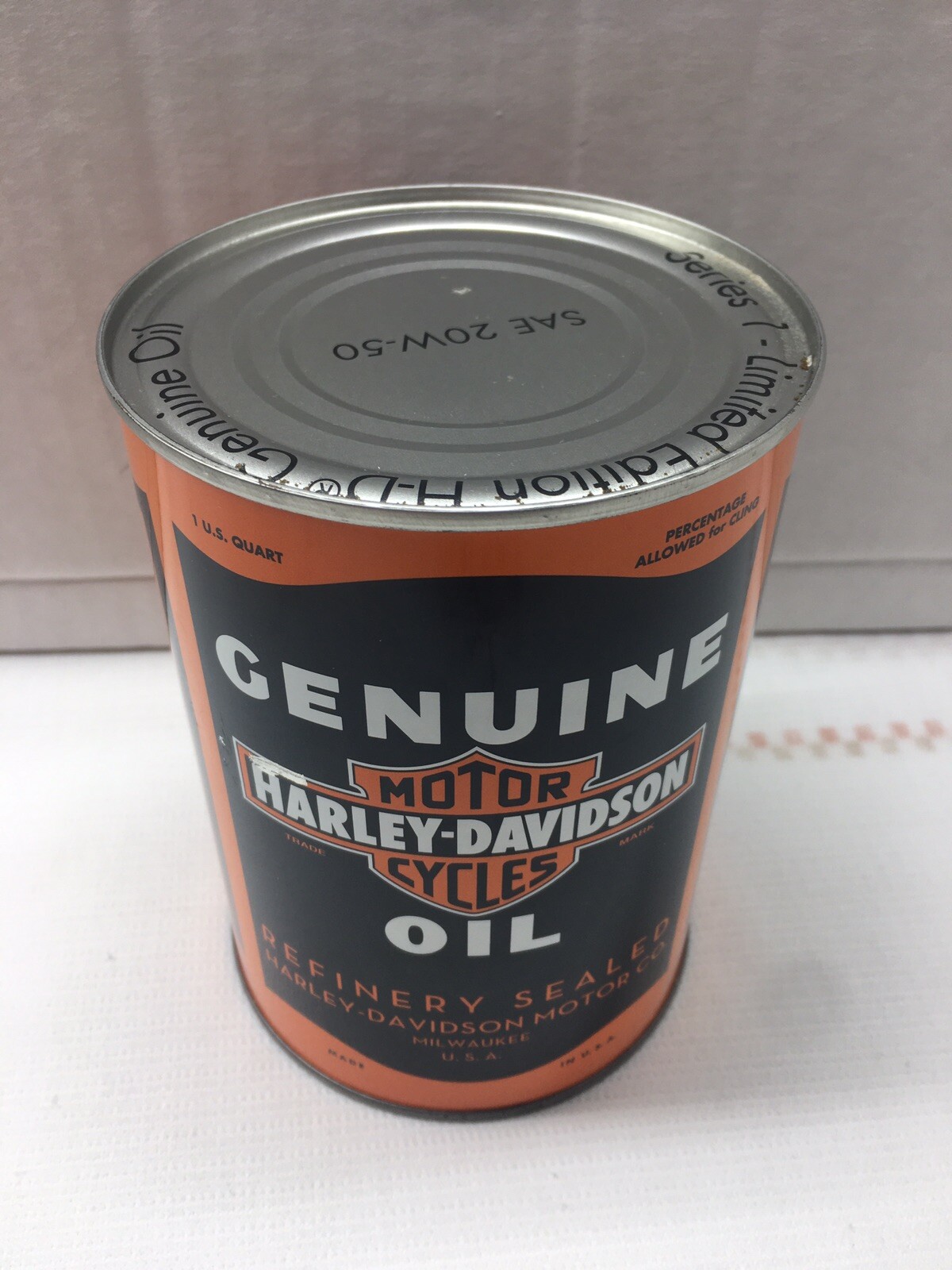
20W-50 Harley oil is a high-viscosity multi-grade lubricant specifically formulated to withstand the intense thermal loads and mechanical shearing forces generated by Harley-Davidson V-twin engines, primary chaincases, and transmissions. Selecting the correct formulation ensures proper component cooling, wear protection, and wet-clutch performance across varied operating conditions.
Introduction to Harley-Davidson V-Twin Lubrication Demands
Harley-Davidson motorcycles utilize large-displacement air-cooled and twin-cooled V-twin engines that operate at significantly higher temperatures than standard automotive engines. Because these powerplants lack liquid jackets surrounding every critical area, they rely heavily on engine oil not only for friction reduction and cleaning, but also as a vital thermal transfer medium. The massive heat rejection required of the lubricant demands a robust fluid structure that can maintain film strength under extreme stress.
Furthermore, many traditional Harley-Davidson setups share lubrication properties or place severe shear demands on the oil within the transmission gears and primary chaincase. The designation "20W-50" indicates a multi-grade oil designed to flow efficiently at lower ambient temperatures while retaining the high-temperature viscosity of a heavier 50-weight oil when operating at normal engine temperatures. Understanding the technical nuances of these oils, including base stock compositions and additive packages, is essential for preserving engine longevity and avoiding premature mechanical failure.
Decoding the 20W-50 Viscosity Rating
The numbers in 20W-50 represent the kinematic viscosity of the oil across different temperature ranges, categorized by the Society of Automotive Engineers (SAE).
- The "20W" (Winter) Rating: This indicates how the oil flows at lower temperatures, typically tested around -15°C to -20°C. A lower number means quicker fluid circulation during cold starts, minimizing dry-start wear on valve trains and oil pumps.
- The "50" Rating: This specifies the operational viscosity of the oil at 100°C (212°F), simulating normal operating engine temperatures. A 50-weight rating ensures that the oil film remains thick enough to cushion high-stress components like roller bearings, pushrods, and cylinder walls when the engine is thoroughly heat-soaked.
Modern 20W-50 oils achieve this dual behavior through the use of viscosity index improvers—long-chain polymers that expand as temperatures rise, preventing the oil from thinning out excessively under extreme heat. For Harley-Davidson platforms, this stability is non-negotiable, as oil that thinned out too much at high temperatures would fail to maintain the necessary hydraulic pressure and protective barrier.
Mineral, Semi-Synthetic, and Synthetic Formulations
When choosing a 20W-50 oil for a Harley-Davidson motorcycle, riders must decide between conventional mineral oils, semi-synthetic blends, and full synthetic formulations. Each category offers distinct operational characteristics, production methods, and price points.
| Feature | Conventional Mineral | Semi-Synthetic Blend | Full Synthetic |
|---|---|---|---|
| Base Stock | Crude petroleum refined | Mineral + Synthetic mix | Chemically engineered |
| Thermal Stability | Moderate | Good | Exceptional |
| Change Interval | Shorter (Frequent) | Moderate | Extended |
| High-Temp Shear | Standard | Enhanced | Maximum resistance |
Conventional Mineral Oils
Derived directly from crude oil through fractional distillation, conventional mineral oils have lubricated motorcycle engines for decades. They offer reliable performance and are often preferred during engine break-in periods because their natural frictional properties allow piston rings to properly seat against cylinder walls. However, mineral oils break down faster under high thermal cycles, leading to viscosity loss and varnish accumulation.
Full Synthetic Oils
Engineered in a laboratory, synthetic oils utilize chemically altered base stocks that feature uniform molecular structures. This uniformity provides superior resistance to thermal breakdown, lower volatility (reduced oil consumption), and exceptional flow properties at extreme temperatures. Synthetic 20W-50 oils maintain their protective film much longer than conventional options, making them ideal for riders who encounter heavy traffic, high ambient temperatures, or long-distance touring.
Semi-Synthetic Blends
Bridging the gap between conventional and synthetic options, semi-synthetic oils combine mineral base stocks with synthetic additives. They offer an economical middle ground, providing better thermal stability than straight mineral oil without the higher cost of a 100% synthetic formulation.
Engine Oil vs. Primary Fluid vs. Transmission Gear Oil
One of the most common points of confusion for Harley-Davidson owners involves fluid application. While some riders use a single 20W-50 multi-grade oil across all three compartments (engine, primary, and transmission), factory specifications and engineering realities suggest a more nuanced approach.
- Engine Compartment: Requires high-detergent, high-temperature 20W-50 oil designed to handle combustion byproducts, extreme heat, and tight clearances.
- Primary Chaincase: Houses the compensating sprocket, primary chain, and clutch assembly. While many owners run dedicated primary fluids, some 20W-50 oils formulated specifically for motorcycles can be used here, provided they do not contain friction modifiers that cause wet clutch slippage.
- Transmission: Contains heavy gear sets that experience extreme shearing forces. While Evolution and Twin Cam transmissions can utilize specific heavy gear oils (like 75W-90 or 85W-140), many modern Harley-Davidson manuals approve a high-quality 20W-50 or dedicated heavy synthetic in the transmission as well, provided it carries appropriate gear-protection ratings. Always consult the specific service manual for your exact model year.
JASO MA and MA2 Certifications: Why They Matter
When purchasing 20W-50 oil for a motorcycle, automotive oils should generally be avoided. Modern automotive oils often contain friction-modifying additives (such as moly) designed to maximize fuel economy by reducing friction in tight-tolerance car engines.
In a motorcycle with a shared wet clutch, these friction modifiers cause the clutch discs to slip, leading to acceleration hesitation and premature clutch wear. To prevent this, look for the JASO MA or JASO MA2 certification on the container. The Japanese Automotive Standards Organization (JASO) developed these ratings specifically for four-stroke motorcycle engines. An MA2 rating indicates that the oil possesses high frictional characteristics suited for wet clutches, ensuring positive engagement without slippage.
Factors to Consider When Selecting 20W-50 Harley Oil
Choosing the right brand and formulation involves balancing several operational factors unique to your riding style and environment:
- Ambient Operating Climate: If you ride primarily in scorching summer heat or heavy stop-and-go urban traffic, a high-quality full synthetic 20W-50 resists thermal breakdown far better than conventional oil.
- Riding Frequency and Mileage: Riders who log high annual mileage benefit from the extended drain intervals permitted by top-tier synthetic formulations. Conversely, if a motorcycle sits for long winter periods, fresh conventional oil changed seasonally may be more cost-effective.
- Engine Modifications: High-compression pistons, performance camshafts, and big-bore kits drastically increase combustion temperatures and mechanical stress. Highly modified engines demand premium synthetic 20W-50 oils with robust anti-wear additive packages (such as high zinc and phosphorus levels, often denoted as ZDDP).
Frequently Asked Questions
Can I use automotive 20W-50 oil in my Harley-Davidson?
Using standard automotive 20W-50 oil is strongly discouraged. Automotive oils frequently contain friction modifiers that compromise motorcycle wet clutches, leading to slippage. Furthermore, automotive oils are not formulated to withstand the severe gear-shearing forces found in motorcycle transmissions and primary drives. Always use a dedicated motorcycle-specific oil bearing JASO MA or MA2 certifications.
How often should I change 20W-50 oil in a Harley-Davidson?
Factory maintenance schedules typically recommend changing engine oil and filter every 5,000 miles (or annually, whichever comes first) for modern Twin Cam and Milwaukee-Eight engines, while older Evolution engines may require more frequent service. If you use conventional mineral oil or frequently ride in dusty, hot, or severe urban environments, shortening the change interval to every 3,000 miles provides added protection.
Is synthetic 20W-50 oil safe for older Harley-Davidson models?
Yes, full synthetic 20W-50 oil can be used safely in older Evolution and Shovelhead engines, provided the engine is in good mechanical condition with healthy gaskets and seals. While an old myth suggested synthetics cause leaks, modern synthetic formulations are fully compatible with traditional gasket materials. However, if an older engine already has worn, brittle seals, switching to a high-detergent synthetic may simply expose pre-existing vulnerabilities.
What is the difference between Genuine Harley-Davidson 20W-50 and aftermarket brands?
Harley-Davidson manufactures and brands its own line of oils (such as SYN3), which are specifically engineered and tested to meet factory warranty requirements across engine, primary, and transmission compartments. Premium aftermarket brands (such as Mobil 1 V-Twin, Red Line, Amsoil, and Castrol Power1) also offer high-performance 20W-50 formulations that frequently meet or exceed factory specifications. Any oil matching the correct viscosity and JASO MA/MA2 requirements will protect the engine effectively.
Does 20W-50 oil reduce engine operating temperatures?
While high-quality synthetic 20W-50 oil resists thermal breakdown better than conventional oil—allowing it to maintain its lubricating viscosity at higher temperatures—it is not a cooling system replacement. Air-cooled V-twin engines rely primarily on ambient airflow and proper tuning (air-fuel ratio) to manage operating temperatures. Using synthetic oil helps manage extreme heat effectively, but resolving high-temperature issues typically requires addressing tuning, exhaust restrictions, or airflow management.
Practical Next Actions and Maintenance Tips
To maximize the performance of your 20W-50 Harley oil, adhere to strict maintenance protocols during every service interval. Always warm the engine to operating temperature before draining the old oil to ensure contaminants and suspended particulates are carried out of the system. Replace the oil filter during every engine oil change using a quality filter with an internal anti-drainback valve. Finally, verify fluid levels on level ground according to your specific model's manual guidelines—some require checking with the bike on the jiffy stand, while others require an upright position.