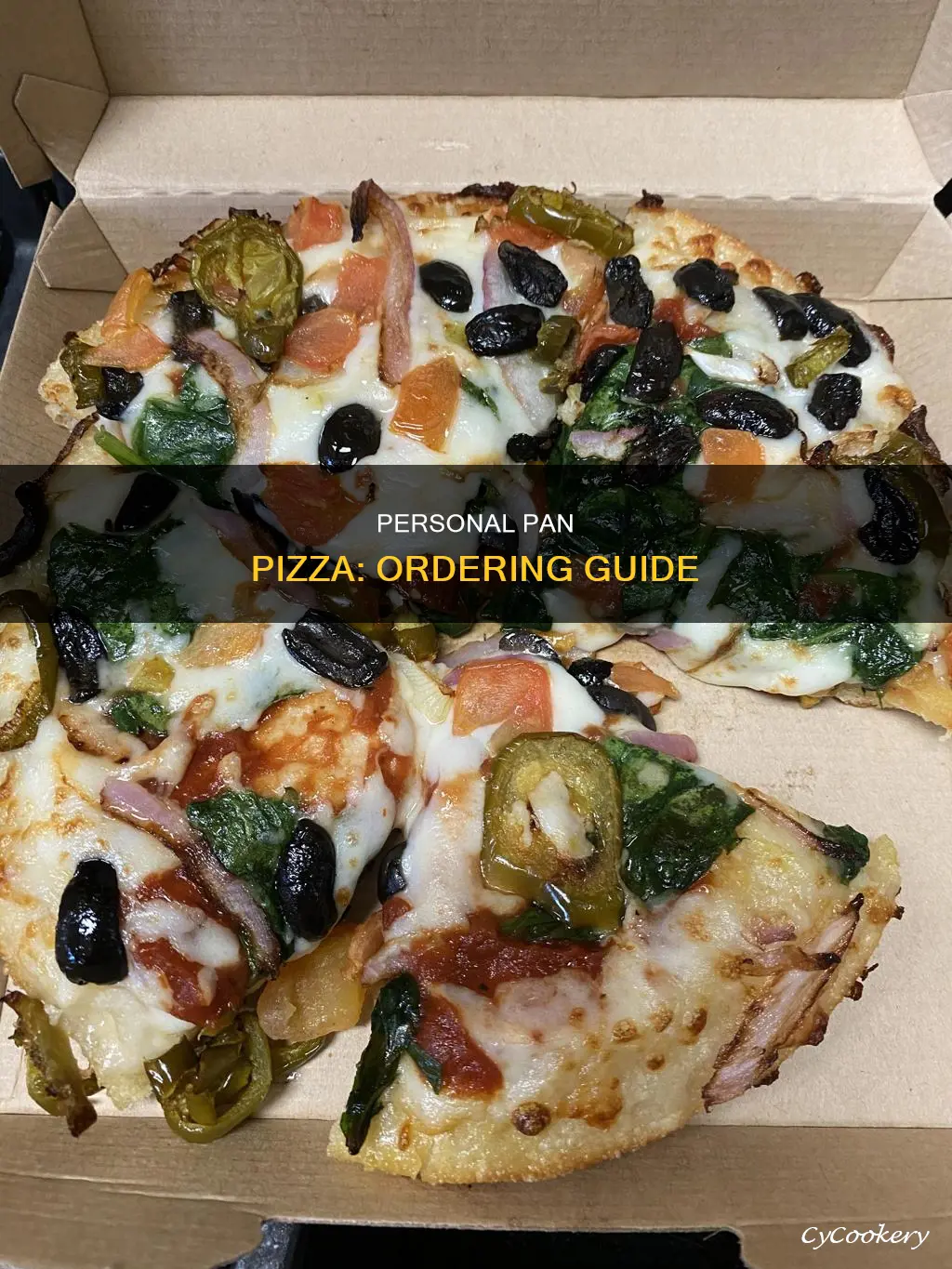
Ordering two personal pan pizzas offers a flexible, highly customizable dining solution for individuals, couples, or small households who want distinct flavor profiles without committing to a single large pie. This approach eliminates flavor compromises, guarantees individualized toppings, and matches portion requirements for single-serving meals or casual sharing.
Understanding the Personal Pan Pizza Format
The personal pan pizza is a distinct category within the fast-casual and quick-service restaurant industry. Unlike standard medium, large, or extra-large pizzas designed to be sliced into eight or twelve wedge portions for a group, the personal pan variant is engineered as a standalone, self-contained meal.
Typically measuring between six and eight inches in diameter, a single personal pan pizza usually yields four distinct slices. This compact format changes how the dough proofs, how the cheese melts, and how heat interacts with the toppings. Because the surface area is smaller, restaurants often use a deep dish or heavy-walled steel pan coated with oil or butter. This technique fries the outer crust while baking the interior crumb, producing a characteristically crisp, golden-brown bottom and edge, paired with a soft, airy center.
Ordering two of these small-format pies changes the math of a standard pizza night. Instead of negotiating a compromise topping list—such as half-pepperoni and half-mushroom—ordering a dual personal pan setup allows for absolute culinary independence. One diner can secure a heavy-sauce, meat-loaded specialty pie, while the other can opt for a thin-crust or pan-baked vegetarian configuration loaded with vegetables and alternative cheeses. This flexibility makes the dual-pizza approach a staple for households with dietary restrictions, picky eaters, or contrasting flavor preferences.
Nutritional Considerations and Portion Control
Evaluating the nutritional impact of consuming two personal pan pizzas requires a close look at ingredient density, portion scaling, and macronutrient profiles. While the word "personal" implies a single, light meal, ordering two units effectively doubles the baseline caloric load, sodium content, and fat intake associated with the standard serving size.
Caloric and Macronutrient Breakdown
A standard commercial personal pan pizza typically ranges from 600 to 900 calories depending on the crust style, cheese volume, and protein toppings. Consequently, consuming two personal pan pizzas places the total energy intake between 1,200 and 1,800 calories for a single sitting.
- Carbohydrates: Driven primarily by the thick, pan-style flour crust, carbohydrate counts are high, often reaching 70 to 90 grams per individual pie. Two pies will easily supply over 150 grams of carbohydrates.
- Fats: The distinctive frying process of a pan crust utilizes vegetable oil, shortening, or butter applied directly to the pan. This adds significant saturated and total fat, frequently pushing individual fat content to 30 or 40 grams per pizza.
- Sodium: Processed meats, cured pepperoni, aged cheeses, and prepared tomato sauces contribute heavily to sodium levels. A single personal pan pizza can account for 50% to 75% of the recommended daily sodium intake, meaning two pies will likely exceed daily nutritional thresholds.
Balancing the Meal
For individuals incorporating two personal pan pizzas into their dietary routine, balance can be achieved through strategic splitting and pairing. Rather than one person consuming both pies, sharing the two pizzas across a couple or family allows everyone to sample multiple flavors while keeping individual caloric consumption within moderate ranges. Pairing the meal with a fibrous, oil-and-vinegar-dressed green salad or steamed non-starchy vegetables adds micronutrients and dietary fiber, which slows digestion and mitigates the glycemic impact of the refined flour crust.
Popular Chain Options and Menu Variations
Several major national and regional pizza chains feature personal pan pizzas on their permanent menus, each utilizing distinct preparation methods and signature flavor profiles.
| Chain / Brand | Crust Style & Texture | Typical Diameter | Primary Advantage |
|---|---|---|---|
| Pizza Hut | Thick, golden-brown pan crust with a fried bottom edge. | 6 inches | Iconic texture, rich butter flavor, and reliable availability. |
| Domino's | Hand-tossed or small-format crust variations (varies by market). | 7-8 inches | Fast delivery infrastructure and robust online customization. |
| Papa John's | Traditional fresh dough with garlic dipping sauce inclusion. | 6 inches | High emphasis on dough quality and garlic-infused flavor profiles. |
| Local Pizzerias | Varies widely (Neapolitan, Detroit-style mini, or Sicilian). | 6-10 inches | Artisanal ingredients, specialized cheeses, and unique flour blends. |
Pizza Hut's Historical Benchmark
Pizza Hut popularized the modern personal pan pizza through its iconic promotion programs in the late 20th century. The signature recipe relies on a dedicated aluminum or steel pan that bakes the dough in a pool of oil, creating a crisp, fried exterior crust that sets it apart from traditional conveyor-belt or deck-oven pizzas. When ordering two personal pan pizzas from this style of menu, customers often take advantage of promotional bundles or "mix and match" deals designed specifically for single-serving configurations.
Cost Analysis: Two Personal Pans vs. One Large Pizza
When evaluating menu pricing, consumers frequently ask whether purchasing two personal pan pizzas provides better financial and culinary value than buying a single large, multi-slice pizza.
Financial Comparison
From a raw surface area perspective, a large pizza (typically 14 inches in diameter) yields approximately 153 square inches of pizza surface. Two 6-inch personal pan pizzas yield a combined surface area of approximately 56 square inches. Despite offering significantly less total food volume, two personal pan pizzas are often priced higher or comparably to a single large standard pizza when factoring in specialty crust upcharges and individual customization fees.
Surface Area Calculation: - Large Pizza (14" diameter): ~153 sq inches - Two Personal Pans (6" diameter each): ~56 sq inches total
Value Drivers
- Customization Premiums: Because each personal pan is built independently, adding premium toppings, extra cheese, or specialized sauces incurs a double charge. On a single large pizza, these same toppings are distributed across one unified surface, often at a lower aggregate cost.
- Waste Reduction: If the alternative is purchasing a large pizza where leftover slices are eventually discarded due to flavor fatigue or spoilage, buying two personal pan pizzas eliminates waste, neutralizing the higher per-ounce cost.
- Promotional Bundles: Many chains offer fixed-price meal deals specifically targeting the individual consumer market, making the dual personal pan purchase economically competitive during promotional windows.
Preparation and Customization Strategies
Maximizing the culinary success of a two personal pan pizza order requires an understanding of how to configure toppings and manage structural integrity.
Structural Integrity of Small Crusts
Because personal pan crusts are smaller and often thicker, overloading them with heavy moisture-releasing ingredients can result in an undercooked, soggy center. When customizing two separate pies, adhere to these structural guidelines:
- Sauce-to-Cheese Ratio: Request a moderate application of tomato sauce. Excess liquid prevents the bottom crust from achieving its trademark crisp texture.
- Protein Placement: Heavy meats like sausage and pepperoni should be sliced relatively thin and distributed evenly to ensure even heat penetration in a compact baking environment.
- Vegetable Management: High-water vegetables such as bell peppers, mushrooms, and onions should be pre-roasted or applied sparingly. Raw vegetables release moisture during baking, which can compromise the cheese melt and dough rise.
Flavor Pairing Ideas for Dual Orders
Ordering two distinct pies unlocks creative flavor pairing combinations that satisfy diverse palates:
- The Contrast Pairing: Pair one rich, savory pie (such as pepperoni, jalapeño, and extra mozzarella) with a lighter, herbaceous pie (such as grilled chicken, garlic, spinach, and a white garlic-parmesan sauce).
- The Textural Pairing: Combine a traditional pan-style meat lovers pizza with a lighter, vegetable-focused thin-crust personal pan to vary mouthfeel and dietary density across the meal.
Common Mistakes to Avoid When Ordering
Navigating digital ordering apps or counter service for two personal pan pizzas can lead to avoidable errors if certain operational details are overlooked.
- Overlooking Crust Upcharges: Many point-of-sale systems default to a standard hand-tossed or thin crust. Verify that the pan crust option is explicitly selected if you are seeking the traditional deep-dish, fried-edge texture.
- Neglecting Sauce Selection: Chains often allow substitutions between traditional marinara, barbecue sauce, creamy garlic sauce, or olive oil bases. Failing to check these options can lead to two identical-tasting pizzas when variety was the primary goal.
- Ignoring Delivery Minimums: If ordering delivery through a third-party app or a restaurant's proprietary service, two personal pan pizzas may fall short of the required minimum order threshold for delivery dispatch, resulting in added fees or requiring order padding with sides or beverages.
- Forgetting Dipping Sauces: Pan pizzas pair exceptionally well with marinara, garlic butter, or ranch dipping sauces. Ordering these as separate line items ahead of time prevents dry crust edges, particularly on the outer perimeters of smaller pans.
Frequently Asked Questions
How many slices are in a standard personal pan pizza?
A standard personal pan pizza, typically measuring six to eight inches across, is usually cut into four distinct slices. Ordering two personal pan pizzas provides a total of eight slices, equivalent in slice count to a medium or large pizza, though the total surface area and dough volume remain smaller.
Can I freeze leftover personal pan pizza?
Yes, leftover personal pan pizza can be frozen. Allow the slices to cool completely, wrap them individually in plastic wrap, and place them inside a heavy-duty freezer-safe bag. To reheat, thaw in the refrigerator overnight and bake in a conventional oven at 375°F (190°C) for 8 to 10 minutes to restore the crisp crust texture. Avoid microwave-only reheating, which makes the pan crust rubbery.
Why do personal pan pizzas cost more per square inch than large pizzas?
Personal pan pizzas require individual preparation, specialized baking pans, dedicated oiling, and separate assembly steps compared to standard large pizzas, which are stretched from a single large dough ball and baked on conveyor screens or deck ovens. These labor and packaging overhead costs are reflected in the per-ounce pricing structure.
Are gluten-free crust options available for personal pan pizzas?
Many national chains and independent pizzerias offer small or personal-sized gluten-free crusts. However, consumers with celiac disease or severe gluten sensitivities should verify whether the restaurant uses a dedicated gluten-free preparation surface, as cross-contamination in high-volume commercial kitchens is common.
What is the best way to reheat a personal pan pizza to keep the crust crispy?
The most effective way to reheat a personal pan pizza is using a preheated skillet on the stovetop over medium-low heat for 3 to 5 minutes with a lid covering the pan. This direct contact with heat recreates the original pan-frying environment, crisping the bottom crust while gently melting the cheese.
Conclusion and Next Action
Ordering two personal pan pizzas is an effective strategy for securing a customizable, portion-controlled meal tailored to individual preferences. To execute your next order successfully, review local menu availability, select complementary flavor profiles to balance richness and texture, and verify crust and sauce selections in the ordering interface before finalizing your purchase.