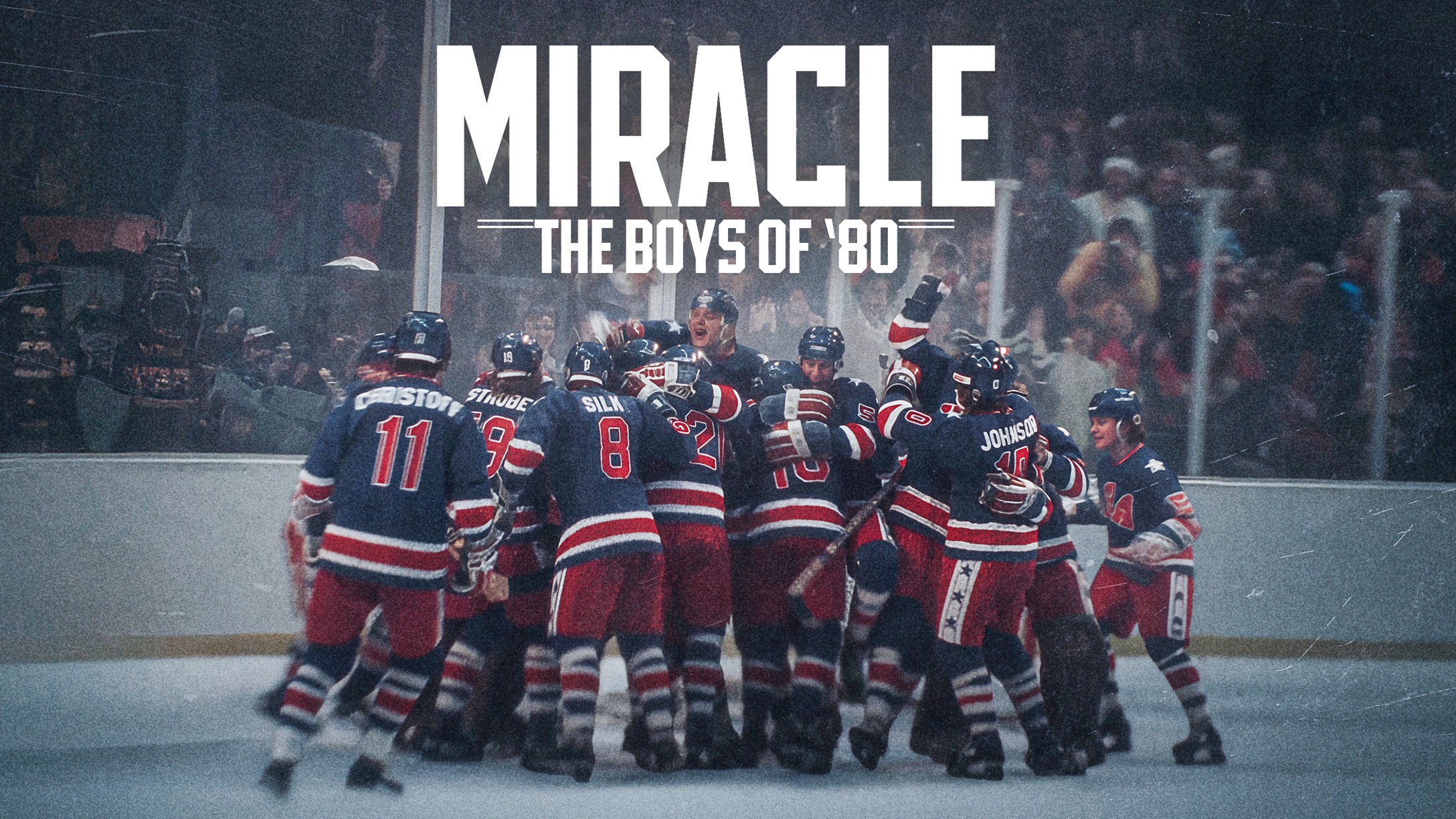
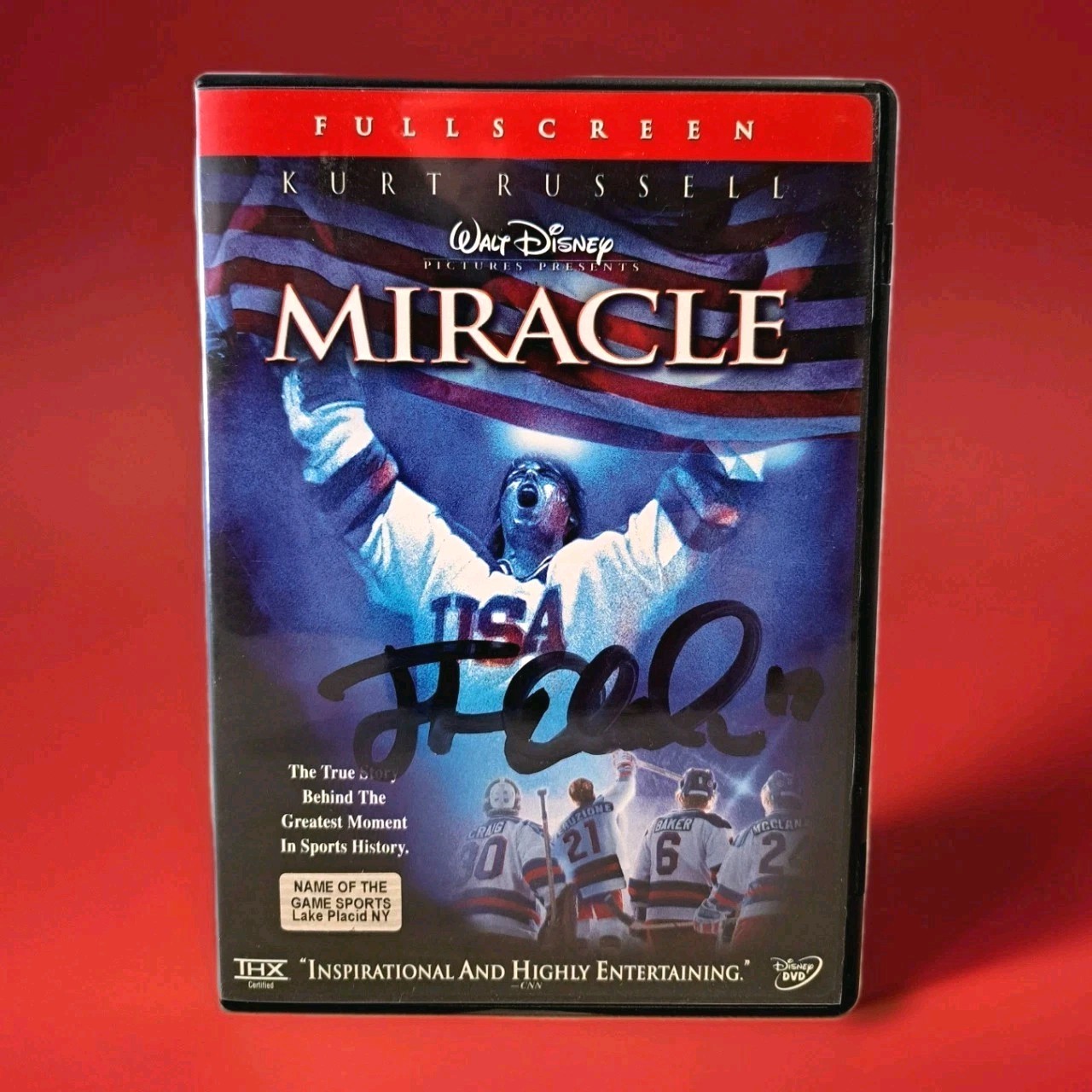
The 1980 "Miracle on Ice" refers to the gold-medal-winning performance of the United States men’s ice hockey team at the Winter Olympics in Lake Placid, New York, where they defeated the heavily favored Soviet Union squad. While there is no major motion picture titled literally "1980 Miracle on Ice," the event is most prominently immortalized in the 2004 Disney film Miracle, which serves as the definitive cinematic account of the match and the cultural phenomenon surrounding it.
Understanding the Cinematic Landscape of the 1980 Miracle on Ice
For fans of sports history and film enthusiasts, distinguishing between the historical event and its various dramatic interpretations is essential. When audiences search for a "1980 Miracle on Ice movie," they are almost universally looking for the 2004 production Miracle. However, the historical significance of the event has also invited other documentary and television treatments over the decades.
Understanding why this specific moment—a preliminary medal-round game during a Cold War era—gained such massive cinematic traction requires acknowledging its status as the greatest sports moment of the 20th century, as voted by Sports Illustrated. The 2004 film is widely regarded as the most accurate and emotionally resonant dramatization, having been produced with deep access to the surviving players and the estate of coach Herb Brooks.
The Defining Film: Miracle (2004)
Directed by Gavin O'Connor and starring Kurt Russell as coach Herb Brooks, Miracle provides an exhaustive look at the selection, training, and ultimate victory of the 1980 U.S. Olympic hockey team. The film is noted for its commitment to technical realism; rather than relying on stunt doubles for the high-intensity hockey sequences, the production cast high-level collegiate hockey players who underwent rigorous training to replicate the specific playing styles of the 1980 squad.
Television Alternatives and Documentaries
While Miracle is the primary narrative film, those seeking a factual or documentary-style approach have alternatives. The 1981 made-for-television movie Miracle on Ice, starring Karl Malden as Herb Brooks, was released shortly after the event. While it offers a unique "period-piece" perspective—feeling more like a product of its time—it lacks the technical cinematic polish and retrospective depth of the 2004 production. Additionally, HBO’s Do You Believe in Miracles? (2001) provides an excellent documentary alternative for viewers who prefer archival footage and interviews over dramatized storytelling.
Technical Analysis of the 2004 Production
The 2004 film Miracle succeeds because of its focus on the psychological and physical transformation of the team. For an audience interested in the "making of" aspect of this story, the film functions as a case study in leadership and team cohesion.
The Role of Kurt Russell as Herb Brooks
The performance of Kurt Russell is central to the film’s efficacy. Russell spent months studying footage of Brooks, including his specific vocabulary, posture, and even his distinct way of handling a hockey stick. By portraying Brooks not as a conventional hero, but as a demanding, often abrasive taskmaster, the film earns the audience's trust. The accuracy of the locker room scenes—where Brooks employs psychological tactics to strip away the collegiate rivalries of his players—is widely cited as the film’s strongest technical achievement.
On-Ice Realism: The Technical Challenge
One of the primary difficulties in filming hockey is the speed of the game. Traditional camera angles often fail to convey the intensity of professional-grade play. The 2004 production crew utilized custom-mounted cameras and innovative skating techniques to capture the "Miracle on Ice" sequences. By filming in real-time with authentic skaters, the production avoided the "choppy" aesthetic that plagues many sports films. This choice ensures that the final game against the Soviet Union retains its tactical tension even for viewers who know the outcome.
Historical Fidelity and Creative License
When assessing any movie based on a real-world event, it is important to categorize what is documented fact and what is dramatized for narrative flow. The events of February 22, 1980, are well-documented, but the film Miracle synthesizes months of grueling training into a cohesive two-hour narrative.
| Feature | Reality | Cinematic Treatment (2004) |
|---|---|---|
| Selection Process | Complex, multi-stage tryouts | Condensed for narrative impact |
| Herb Brooks' Style | Intellectual, demanding, distant | Highly characterized for drama |
| The Final Score | 4-3 in favor of the USA | 4-3 in favor of the USA |
| Game Timing | 60 minutes of real play | Highlighted, high-intensity sequences |
While the film takes liberties with the timeline of specific team disputes and the condensation of player character arcs, it is lauded by historians and team members alike for maintaining the "spirit" of the victory. The players’ personal backgrounds, such as the intense rivalry between the Boston University and University of Minnesota players, are handled with a high degree of fidelity, reflecting the actual friction that existed in the locker room before it was resolved by the coach.
How to View and Analyze These Films Today (2026)
As of 2026, access to high-definition versions of these films is generally reliable through major digital streaming platforms and physical media retailers. If you are preparing to watch or study the "Miracle on Ice" movie, consider the following approach to maximize your understanding of the historical context.
1. Verification of the Source Material
Before committing time to a film, verify the release date and the production studio. If you are seeking the definitive 2004 version, ensure you are not accidentally selecting the 1981 television movie, which is visually and structurally distinct. The 2004 version is widely available on major digital storefronts.
2. Contextualizing the Cold War
The "Miracle" is not just a hockey game; it is a manifestation of the U.S.-Soviet tensions of the late 1970s and early 1980s. To fully appreciate the film, supplement your viewing with a brief overview of the 1979 Soviet invasion of Afghanistan and the general political climate of the 1980 Winter Olympics. The film touches on these, but understanding the geopolitical anxiety of the era adds a layer of depth to the "David vs. Goliath" framing of the matchup.
3. Comparing Perspectives
If you are writing, researching, or simply looking for the most complete experience, view the 2004 movie first, followed by the HBO documentary Do You Believe in Miracles?. This combination of fictionalized drama and primary-source archival footage creates a comprehensive understanding of the event.
Common Misconceptions
Several myths have permeated the legacy of the 1980 team, and it is common for films to occasionally lean into these tropes.
- The "Unbeatable" Soviets: While the Soviet team was indeed a professional-level juggernaut, they were not "untouchable." They had lost games before, and the U.S. team was not as helpless as popular lore often suggests. The film captures this by showing the team's internal progress, rather than relying solely on the "miracle" framing.
- The Gold Medal Match: A common mistake is assuming the game against the Soviet Union was the final game. It was a medal-round game. The U.S. team still had to defeat Finland in a subsequent game to secure the gold medal. The 2004 film correctly depicts this reality, noting that the job wasn't finished after the Soviet upset.
Frequently Asked Questions
Is the 2004 movie "Miracle" historically accurate?
Yes, it is widely considered the most accurate dramatization of the events. While it condenses certain timelines and streamlines character development for pacing, the key tactical decisions, the outcome, and the personal struggles of the players align with historical accounts and interviews with the original team members.
Does the 2004 film show the entire game against the Soviet Union?
The film shows the most pivotal sequences of the game, including the key goals and the defensive stands. While it does not show all 60 minutes of play, it maintains a faithful progression of the score and the tactical shifts that defined the actual game.
Who is the director of the best Miracle on Ice movie?
Gavin O'Connor directed the 2004 film Miracle. His approach focused on "non-actors" for the hockey scenes and a gritty, grounded performance from Kurt Russell, which helped avoid the "cheesy" tropes often found in sports movies.
Can I find the 1981 version of "Miracle on Ice" online?
The 1981 made-for-TV movie is available through select archival services and some digital rental platforms, though it is far less ubiquitous than the 2004 Disney production. It is primarily of interest to viewers who want to compare the 1980s cinematic style with modern filmmaking.
Why was the 1980 win considered a "Miracle"?
The U.S. team consisted of amateur college players, while the Soviet team was a veteran squad of professional, full-time players who had dominated international hockey for years. The sheer disparity in experience, combined with the political tension of the Cold War, made the U.S. victory an overwhelming upset.
Recommendation for Further Exploration
For the best experience, start by watching the 2004 film Miracle. If you are interested in the technical aspects of the game or the real-life people, follow your viewing with a reading of The Boys of Winter by Wayne Coffey, which provides the deep-dive research often missing from even the best-produced movies. If you are conducting research, prioritize the archives of the International Olympic Committee and the United States Olympic & Paralympic Museum, which maintain the official records of the Lake Placid Games.
The legacy of the 1980 team remains a cornerstone of American sports history, and the 2004 film serves as an enduring portal into that moment. Whether you are a historian or a casual viewer, the narrative of hard work, discipline, and the refusal to succumb to overwhelming odds remains as relevant today as it was in 1980.