The phrase "12 years later air bud 2" often reflects a mix-up in franchise timelines, as Air Bud: Golden Receiver was released in 1998 just one year after the original, while the broader Air Bud and Air Buddies universe expanded across decades, seeing notable milestones roughly 12 years after key franchise entries.
Understanding the Air Bud Franchise Timeline and the 1998 Sequel
When audiences talk about Air Bud 2—officially titled Air Bud: Golden Receiver—they are referring to the theatrical sequel released on August 14, 1998. The original film, starring the real-life talented golden retriever Buddy and actor Kevin Zegers as Josh Framm, debuted in theaters in August 1997. The rapid turnaround of a one-year gap between the first film and its sequel highlights how quickly the family-friendly sports comedy formula captured box office attention and home video markets in the late 1990s.
However, looking at the franchise through a multi-decade lens reveals why fans often associate specific milestones with a 12-year window. The original Air Bud kicked off a massive cinematic empire that eventually shifted from theatrical releases centered on Josh Framm and sports to direct-to-video talking-puppy adventures under the Air Buddies banner. Analyzing this timeline requires separating the original core films from the spin-offs that populated the 2000s and 2010s, ensuring historical accuracy regarding production dates, cast members, and distribution shifts.
The Evolution of the Air Bud Universe: From Theatrical Sports to Direct-to-Video Spinoffs
The trajectory of the franchise shifted dramatically following the release of the early films. To understand how timeline gaps occur in viewer perception, it helps to examine how the intellectual property transitioned from a live-action sports drama about a basketball-playing dog into a CGI-heavy talking animal franchise managed by Robert Vince and his production team at Air Bud Entertainment.
The Core Theatrical Era (1997–2002)
The initial phase of the franchise focused on traditional sports narratives where Buddy mastered a new game in each installment.
- Air Bud (1997): Established the premise of an orphaned boy befriending a stray golden retriever who excels at basketball.
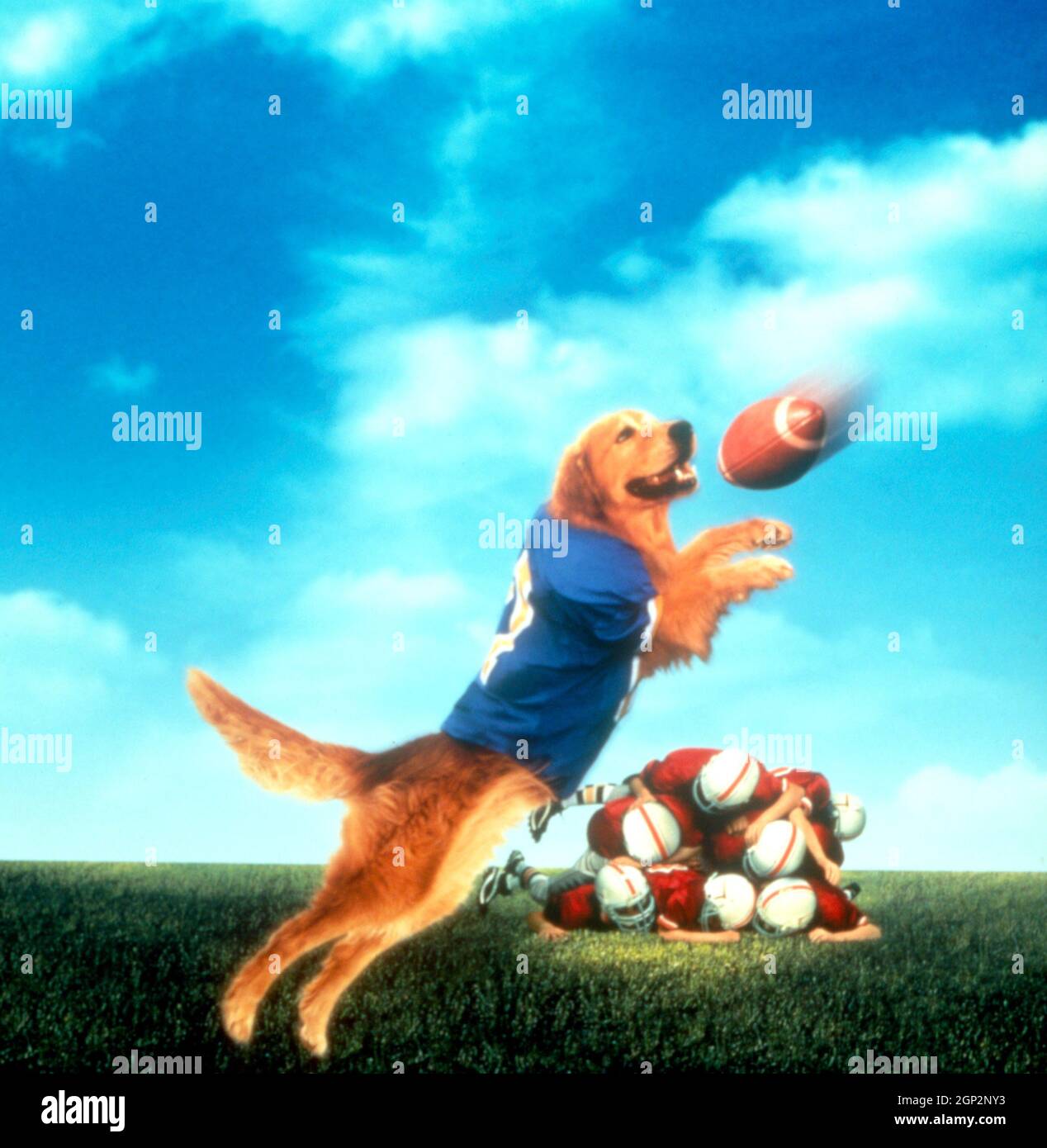
- Air Bud: Golden Receiver (1998): Sent Buddy into the world of American football, introducing a new human cast alongside returning favorites and a new canine rival.
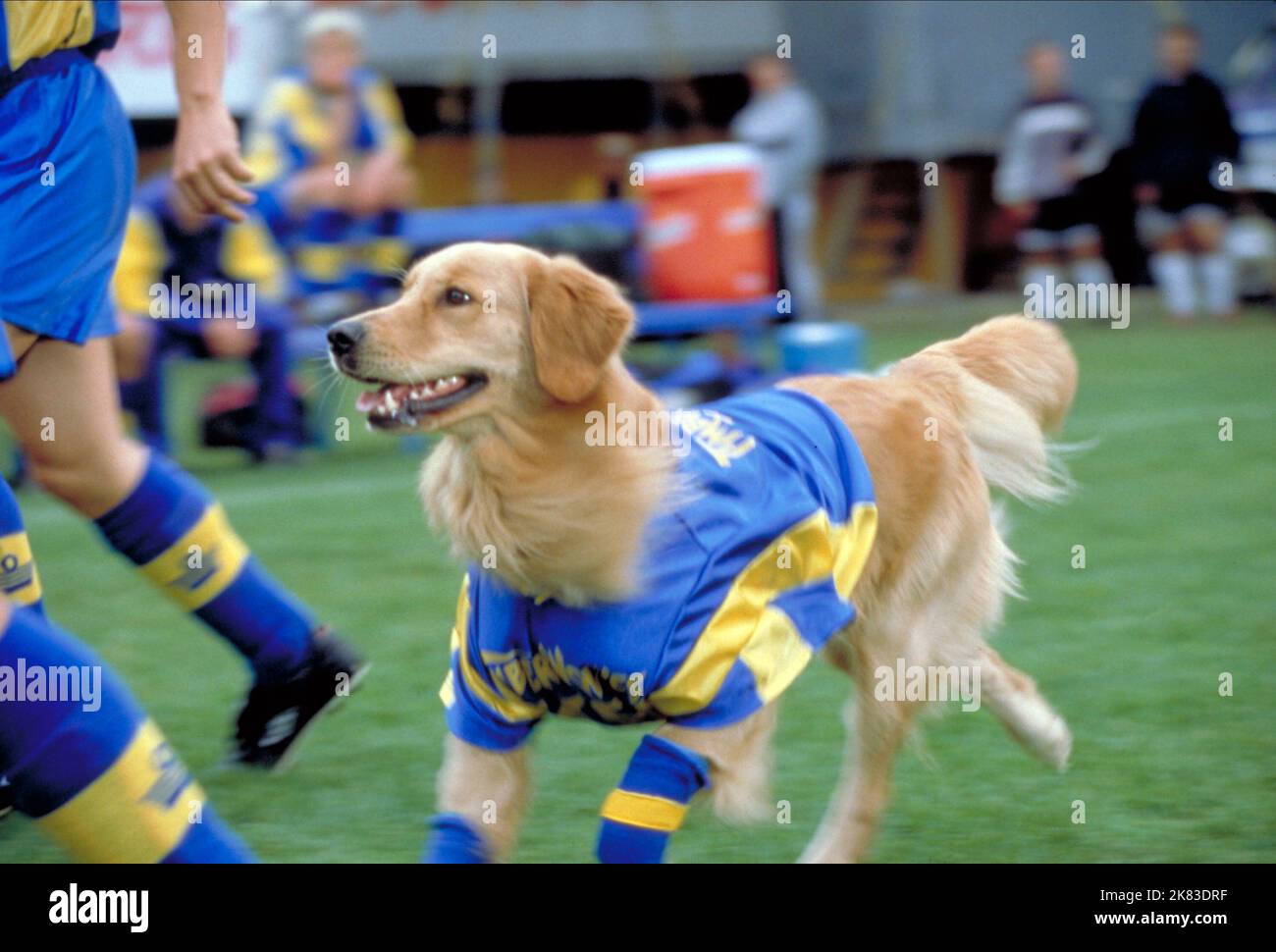
- Air Bud: World Pup (2000): Explored soccer and introduced romantic interests for Buddy, marking the final theatrical entry for the core series.
- Air Bud: Spikes Back (2003): Ventured into volleyball before the franchise pivoted entirely away from traditional theatrical windows.
The Transition to the Buddies Era (2006–2018)
By the mid-2000s, the focus shifted from Buddy himself to his talking offspring. Starting with Air Buddies in 2006, the franchise embraced talking CGI animal mouths and adventure-driven plots aimed at younger children. This era lasted for over a decade, producing numerous direct-to-video movies that explored space, treasure hunting, and holiday themes until the release of Pup Star and related musical spin-offs later on.
| Movie Title | Release Year | Primary Sport / Theme | Distribution Method |
|---|---|---|---|
| Air Bud | 1997 | Basketball | Theatrical |
| Air Bud: Golden Receiver | 1998 | Football | Theatrical |
| Air Bud: World Pup | 2000 | Soccer | Theatrical / Direct-to-Video |
| Air Bud: Spikes Back | 2003 | Volleyball | Direct-to-Video |
| Air Buddies | 2006 | Adventure / Puppies | Direct-to-Video |
Production Realities and Behind-the-Scenes Training
Bringing a sports-playing dog to the screen required meticulous animal training, specialized stunt work, and clever camera angles. Buddy, the original star, was a stray found in the Sierra Nevada mountains by animal trainer Kevin Weatherwax. Trained primarily by Bob Weatherwax, Buddy possessed an unusual aptitude for catching basketballs, catching frisbees, and performing specific cues that made him look like a natural athlete on screen.
By the time Air Bud: Golden Receiver entered production in 1998, the filmmakers had established a refined protocol for safety and animal welfare on set. American Humane Association representatives monitored production to ensure the golden retriever was never overworked or placed in stressful situations. Because digital visual effects were still relatively costly and limited in the late 1990s, the performance relied heavily on practical training, treats, and seamless editing to create the illusion of a dog quarterbacking a football team.
Cultural Impact and Nostalgia in Modern Media
Decades after the release of the original films, the Air Bud series maintains a distinct place in late-90s pop culture nostalgia. Internet culture frequently revisits the premise of the films, popularized by the famous meme observation that "there is no rule in the rulebook that says a dog can't play basketball." This running joke has kept the franchise relevant in digital discourse, bridging the gap between those who watched the theatrical releases in childhood and younger audiences discovering the films through streaming platforms.
Furthermore, the franchise serves as an interesting case study in intellectual property management. What began as a modest independent family film distributed by Miramax evolved into a direct-to-video empire that sustained a production company for decades. The enduring appeal of the golden retriever protagonist demonstrates the timeless market for wholesome animal-centric family entertainment.
Frequently Asked Questions
When was Air Bud 2 released?
Air Bud: Golden Receiver (often referred to as Air Bud 2) was released in theaters on August 14, 1998, exactly one year after the original film premiered in August 1997.
Did the same dog star in Air Bud and its sequels?
The original dog, Buddy, starred in the first film and Air Bud: Golden Receiver. Due to Buddy's health and eventual passing from cancer in 1998, subsequent films utilized different trained dogs, including Buddy's offspring, to carry on the role.
How many movies are in the Air Bud franchise?
Including the original sports films, the Air Buddies spin-offs, and related talking-dog adventures, the broader franchise encompasses more than a dozen feature-length films released over two decades.
Where can I stream the Air Bud movies?
Streaming availability varies by region and shifting licensing agreements between Disney, independent distributors, and subscription video-on-demand services. Viewers should check major digital storefronts or current streaming aggregators to find specific titles.
Next Actions and Viewing Guide
For viewers looking to revisit the franchise or explore its history, the best starting point is watching the original 1997 film followed immediately by Air Bud: Golden Receiver (1998) to experience the peak of the live-action sports era. Those interested in the later evolution of the property can explore the Air Buddies catalog to see how the franchise adapted its formula for home video audiences in the 2000s.