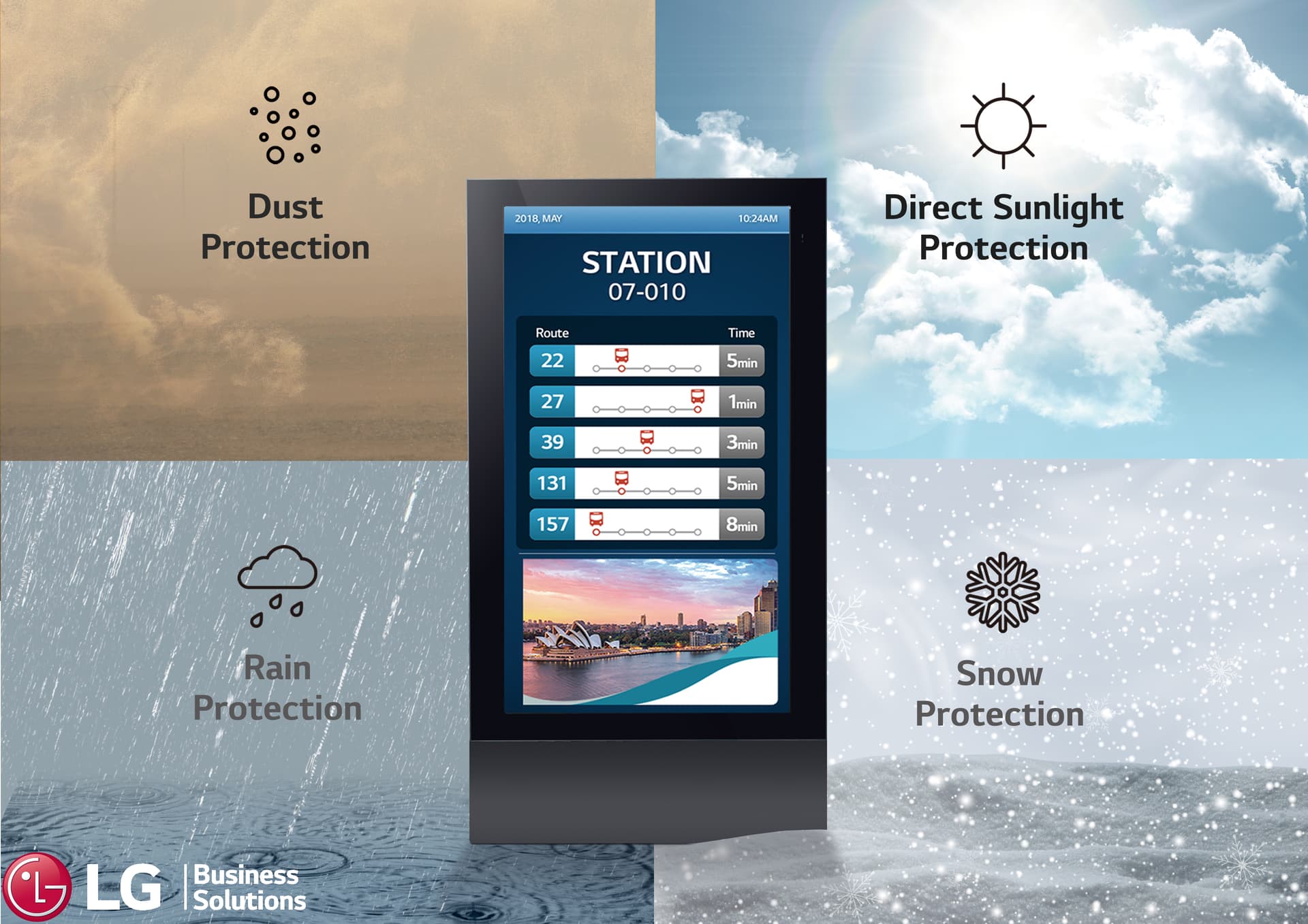
Understanding the IP56 rating requires looking closely at ingress protection standards, which define how effectively electrical enclosures and mechanical devices resist solid objects and moisture. An IP56 rating means a device offers limited protection against dust ingress and strong protection against powerful water jets, making it suitable for demanding industrial and outdoor environments where exposure to moisture and particulate matter is common.
The Ingress Protection (IP) rating system, defined by the International Electrotechnical Commission (IEC) under standard 60529, serves as a universal benchmark for evaluating the durability and environmental resistance of electronic enclosures, machinery, lighting fixtures, and industrial equipment. Navigating these specifications can be complex, as each digit in the two-digit code represents a distinct type of environmental challenge. A thorough comprehension of the IP56 code helps engineers, procurement specialists, and everyday consumers select hardware that will not fail prematurely when subjected to dust, dirt, rain, or powerful cleaning streams. This guide breaks down the IP56 rating into ten distinct analytical perspectives, exploring its structural components, testing methodologies, performance boundaries, and practical applications.
1. Decoding the Anatomy of the IP Code Structure
The foundational step in understanding any IP rating, including IP56, is recognizing how the alphanumeric code is constructed. The letters "IP" stand for Ingress Protection, though they are frequently referred to in international markets as International Protection markings. Following these letters are two separate numeric digits, each carrying an independent scale of environmental defense.
The first digit, which is 5 in IP56, always rates protection against solid foreign objects. This scale ranges from 0 (no protection) up to 6 (complete dust-tightness). The second digit, which is 6 in IP56, rates protection against liquids, specifically water. This scale ranges from 0 up to 9K, covering everything from vertical dripping water to high-pressure, high-temperature steam cleaning.
Crucially, the two digits do not average out, nor do they represent a single cumulative score. A device rated IP56 possesses a specific combination of moderate solid defense and heavy liquid defense. Understanding this anatomy ensures that users do not mistakenly assume an IP56 device shares characteristics with completely different ratings like IP67 or IP54.
2. Analyzing the First Digit: Dust-Protected vs. Dust-Tight
In the IP56 designation, the first digit is 5, which designates the enclosure as "dust-protected." To fully grasp what this means, it is helpful to contrast it with a rating of 6, which denotes a "dust-tight" enclosure.
An IP5X classification means that dust ingress cannot be entirely prevented, but the dust that does enter must not enter in a sufficient quantity to interfere with the satisfactory operation of the equipment or impair safety. Testing for a 5 rating involves placing the test specimen in a dust chamber containing circulating talcum powder or similar fine particulate matter. A vacuum is often applied to create a negative pressure inside the enclosure, pulling air and dust through any potential seams or gasket failures.
For practical purposes, an IP56 device is well-suited for environments with airborne dust, debris, and sawdust, such as workshops or heavy industrial floors. However, it is not certified to exclude extremely fine microscopic dust particles indefinitely under high-pressure conditions. If an application requires absolute immunity to fine particulate invasion over years of deployment, a dust-tight IP6X rating would be necessary.
3. Examining the Second Digit: Defending Against Powerful Water Jets
The second digit in IP56 is 6, which signifies robust protection against powerful water jets. This is where the IP56 rating distinguishes itself significantly from lower moisture-resistance levels like IPX4 (splashing water) or IPX5 (water jets).
According to IEC 60529 testing standards, an IPX6 test requires the enclosure to be sprayed with water from a standard test nozzle with a 12.5 mm inner diameter. The water is delivered at a volume of 100 liters per minute and a pressure of 100 kPa (1.0 bar) at a distance of 2.5 to 3 meters from the specimen for a minimum duration of 3 minutes. The enclosure must withstand this onslaught from all practical directions without harmful quantities of water penetrating the housing or accumulating near live electrical components.
This level of defense makes IP56 equipment highly resilient against heavy rainstorms, maritime splashes, and routine washdown procedures using hoses. It is a critical specification for outdoor security cameras, agricultural machinery control panels, and marine electronics that face forceful wave action or severe weather events.
4. Comparing IP56 with Adjacent Ratings (IP54, IP55, and IP65)
To contextualize the exact capabilities of an IP56 rating, it is essential to compare it directly with neighboring classifications within the IEC 60529 framework. Users frequently weigh IP54, IP55, IP56, and IP65 against one another when budgeting for industrial enclosures or consumer gear.
| Rating | Solid Protection (First Digit) | Liquid Protection (Second Digit) | Typical Practical Environment |
|---|---|---|---|
| IP54 | Dust-Protected (5) | Splashing Water (4) | Indoor workshops, light commercial areas |
| IP55 | Dust-Protected (5) | Water Jets (5) | General outdoor use, moderate washdowns |
| IP56 | Dust-Protected (5) | Powerful Water Jets (6) | Marine decks, heavy rain, severe washdowns |
| IP65 | Dust-Tight (6) | Water Jets (5) | Dusty factories with low-pressure washdown |
As shown in the comparison, stepping from IP55 to IP56 maintains the same level of solid dust protection while significantly upgrading the liquid resistance to handle powerful, high-volume water jets. Conversely, moving from IP56 to IP65 upgrades the dust protection to completely dust-tight while stepping down the water resistance from powerful jets to standard water jets. This trade-off highlights why selecting an IP56 rating requires prioritizing heavy water exposure over absolute microscopic dust exclusion.
5. Identifying Ideal Real-World Applications
Understanding an IP rating is incomplete without examining where and why it is deployed in professional and commercial sectors. The unique balance of dust protection and powerful water jet resistance makes IP56 a standard choice for specific operating environments.
- Marine and Offshore Equipment: Navigation lights, deck-mounted control panels, and radio housings on boats frequently face heavy sea spray, driving rain, and hosing down with deck water, making IP56 a reliable baseline.
- Outdoor Industrial Automation: Enclosures housing programmable logic controllers (PLCs) near chemical processing plants or food manufacturing facilities that undergo frequent high-pressure hose cleanings often rely on IP56 seals.
- Architectural and Stage Lighting: Exterior floodlights and concert stage fixtures must withstand torrential rainstorms and powerful wind-driven moisture without short-circuiting.
- Telecommunications Cabinets: Remote cellular radio units and street-side junction boxes utilize IP56 or higher ratings to survive extreme weather fluctuations over long operational lifespans.
6. Understanding the Limitations of IP56 Ratings
While robust, an IP56 rating does not make a device invincible or universally applicable to every harsh condition. Recognizing these strict performance boundaries prevents costly equipment failures and safety hazards.
First, IP56 ratings do not account for submersion. An IP56 device can handle powerful jets of water hitting it from any angle, but dropping it into a puddle, lake, or pool will likely result in water ingress because immersion creates static pressure dynamics that standard jet tests do not replicate. For submersible equipment, ratings such as IP67 or IP68 are required.
Second, IP56 testing is conducted using fresh, clean water at room temperature. It does not evaluate resistance to chemical solvents, saltwater corrosion, or high-temperature steam. If an industrial environment utilizes acidic washdown chemicals or boiling water, specialized enclosure coatings and material selections (such as marine-grade 316 stainless steel) are necessary alongside the IP rating.
7. Evaluating Gasket Materials and Sealing Technologies
The physical realization of an IP56 rating relies heavily on engineering design, specifically the choice of sealing materials. Enclosures do not achieve water and dust resistance by accident; they require precise mechanical design and high-quality elastomeric gaskets.
Common sealing materials include Ethylene Propylene Diene Monomer (EPDM) rubber, silicone, and neoprene. EPDM is widely favored in industrial outdoor enclosures due to its exceptional resistance to UV radiation, ozone, and extreme temperature fluctuations. Silicone gaskets provide superior flexibility across a broader temperature range and maintain their memory compression over years of service.
When a technician opens an IP56 enclosure for maintenance, the integrity of these gaskets can degrade if they are pinched, misaligned, or contaminated with dirt particles. Proper torque specifications on enclosure screws and regular inspection intervals are vital to ensure that the physical seal continues to meet IP56 standards throughout the operational lifecycle of the asset.
8. Examining Standardized Testing and Compliance Verification
An IP56 rating is not a marketing term that manufacturers can apply arbitrarily; it must be verified through standardized testing protocols performed by accredited independent laboratories or qualified internal testing facilities adhering to IEC 60529 guidelines.
During testing, the enclosure is subjected to the dust chamber and the heavy water jet apparatus under strictly controlled laboratory conditions. For the test to pass, internal inspection must confirm that water has not penetrated in quantities that could compromise insulation, accumulate near live parts, or cause tracking along electrical pathways. If any water has pooled inside or reached sensitive components, the device fails the certification.
For buyers and compliance officers, requesting official test reports or verifying CE, UL, or IEC certification marks ensures that the equipment has genuinely earned its IP56 designation rather than relying on unverified manufacturer claims.
9. Maintenance and Degradation Over Time
An IP56 rating is established when the product leaves the factory brand new, but environmental factors, mechanical wear, and aging materials can degrade protection levels over time. Understanding how enclosures age helps maintenance teams prevent unexpected failures.
Ultraviolet (UV) radiation from sunlight, extreme thermal expansion and contraction, and physical impacts can cause plastic enclosure walls to warp or rubber gaskets to become brittle and crack. When gaskets lose their elasticity, they no longer form the tight seal required to block powerful water jets.
To maintain IP56 compliance in the field, organizations should implement routine maintenance schedules that include:
- Inspecting external seals and O-rings for cracking, hardening, or deformation.
- Checking all cable glands and conduit fittings to ensure they are fully tightened and properly rated.
- Replacing damaged fastening hardware that keeps enclosure doors and covers under uniform compression.
10. Making Informed Purchasing and Installation Decisions
Translating knowledge of the IP56 rating into practical purchasing decisions requires balancing environmental realities against budgetary constraints. Over-specifying an enclosure with an unnecessarily high rating can inflate project costs, while under-specifying leads to premature equipment failure.
When selecting hardware, always assess the maximum severity of the environment. If equipment will be exposed to high-pressure washdown hoses or violent coastal storms, but will never be submerged underwater, IP56 represents an optimal, cost-effective engineering choice.
Furthermore, correct installation is just as important as the rating itself. An IP56-rated enclosure loses its protective capability immediately if a technician drills a cable entry hole in the top or side without installing a matching IP-rated cable gland or conduit fitting. Ensuring that all entry points match the enclosure's environmental rating guarantees that the system performs as intended in the field.
Frequently Asked Questions
Is an IP56 rating waterproof?
An IP56 rating is highly water-resistant, but it is not technically "waterproof" in the sense of being submersible. It protects against powerful water jets and heavy seas, but dropping the device into water will cause liquid to enter.
Can an IP56 device be used in heavy rain?
Yes, IP56 equipment is fully capable of operating outdoors in heavy rainstorms, driving wind, and severe weather conditions where water is propelled forcefully against the housing from any direction.
What is the difference between IP55 and IP56?
Both ratings offer the same level of dust protection (designated by the first digit 5). However, IP56 provides a higher tier of liquid defense, testing against more powerful water jets delivered at a higher volume and pressure than IP55.
Does IP56 protect against fine dust?
IP56 offers dust-protected performance, meaning some fine dust may enter over time, but not enough to interfere with normal operation. It is not fully dust-tight like an IP6X-rated enclosure, which completely prevents dust ingress.
How do I maintain the IP56 seal on my equipment?
You can maintain the seal by regularly inspecting rubber gaskets and O-rings for cracks, ensuring cable glands are tightly secured, and replacing any deformed fasteners or degraded seals during routine maintenance.