Consumer Reports evaluates vehicle dependability by collecting extensive survey data from hundreds of thousands of vehicle owners across the United States. By analyzing problem areas ranging from squeaky brakes and minor trim defects to major transmission overhauls and electronic glitches, the publication compiles an annual reliability ranking. These scores help car buyers distinguish between fleeting automotive trends and mechanical longevity, guiding purchasing decisions toward models that minimize unexpected repair bills and maximize long-term value.
Understanding Consumer Reports Reliability Methodology
The reliability ratings published by Consumer Reports are not based on subjective impressions gathered during brief test drives. Instead, they rely on empirical data sourced directly from real-world drivers. Members complete comprehensive questionnaires detailing the performance of their vehicles across multiple distinct trouble spots over the preceding 12 months.
This methodology captures the everyday experiences of owners navigating diverse climates, driving habits, and maintenance schedules. The survey tracks trouble areas across several specific domains:
- Engine and Transmission: Major and minor mechanical failures, oil leaks, head gasket issues, and transmission slipping or shifting delays.
- Electronics and Accessories: Infotainment freezing, Bluetooth connectivity drops, power window failures, and malfunctioning climate control systems.
- Body and Interior: Water leaks, wind noise, loose trim pieces, and prematurely aging upholstery.
- Drive System and Brakes: Suspension wear, alignment problems, ABS malfunctions, and premature brake pad or rotor wear.
By aggregating these responses, Consumer Reports assigns a predicted reliability score to new models and an overall reliability history score to used vehicles. Brands and models that consistently minimize issues across all categories rise to the top of the rankings, giving prospective buyers a reliable benchmark for vehicle quality.
Top-Performing Automakers and Segment Trends
When evaluating the overarching patterns in recent Consumer Reports studies, Japanese and South Korean manufacturers frequently occupy the highest tiers of reliability. Hybrid and plug-in hybrid electric vehicles (PHEVs) from brands like Toyota, Lexus, and Honda often lead their respective classes, demonstrating that complex powertrain integration does not inherently sacrifice dependability.
Conversely, some luxury brands and manufacturers pushing the envelope with unproven technological features frequently struggle in the rankings. Early-adopter electronics, complex air-suspension systems, and dual-clutch transmissions often introduce points of failure that drag down an otherwise impressive vehicle. Understanding these industry-wide trends allows buyers to approach vehicle selection with a clear understanding of the engineering trade-offs inherent in different classes of cars.
The 10 Most Reliable Cars
While rankings fluctuate slightly year over year based on new model introductions and updated owner surveys, several nameplates consistently dominate the upper echelon of Consumer Reports reliability ratings. The following 10 vehicles represent the core benchmarks for automotive dependability according to recent evaluation data.
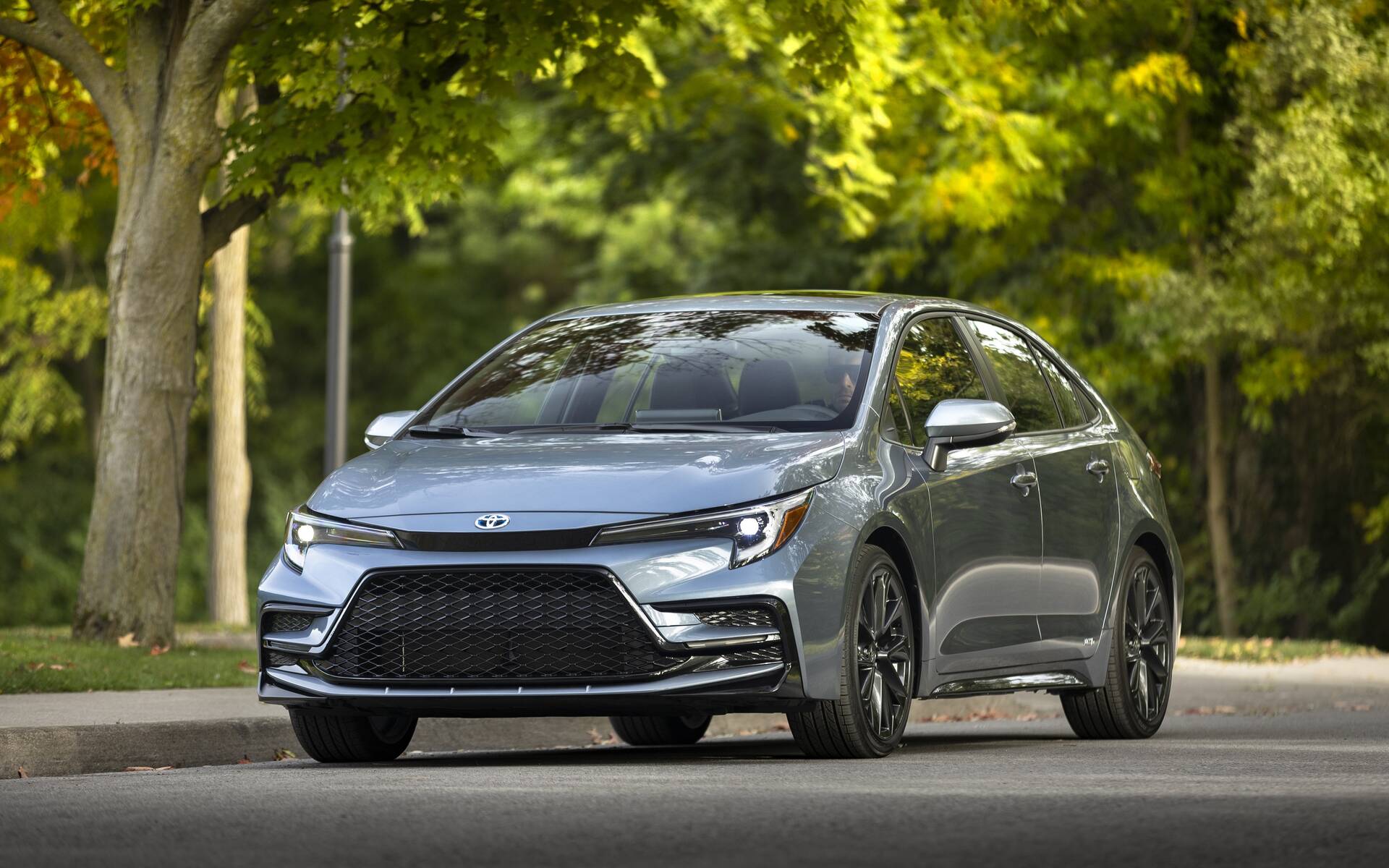
1. Toyota Corolla
The Toyota Corolla remains a perennial fixture near the top of reliability lists. Its straightforward mechanical architecture, naturally aspirated engine options, and conservative approach to interior technology minimize potential points of failure. Whether purchased as a sedan or hatchback, the Corolla offers predictable daily operation and minimal maintenance overhead.
2. Lexus GX
For buyers seeking rugged utility without sacrificing mechanical peace of mind, the Lexus GX provides a robust body-on-frame platform. Consumer Reports data indicates that its heavy-duty components and proven V8 or turbocharged powertrain configurations withstand rigorous usage over hundreds of thousands of miles with exceptional grace.
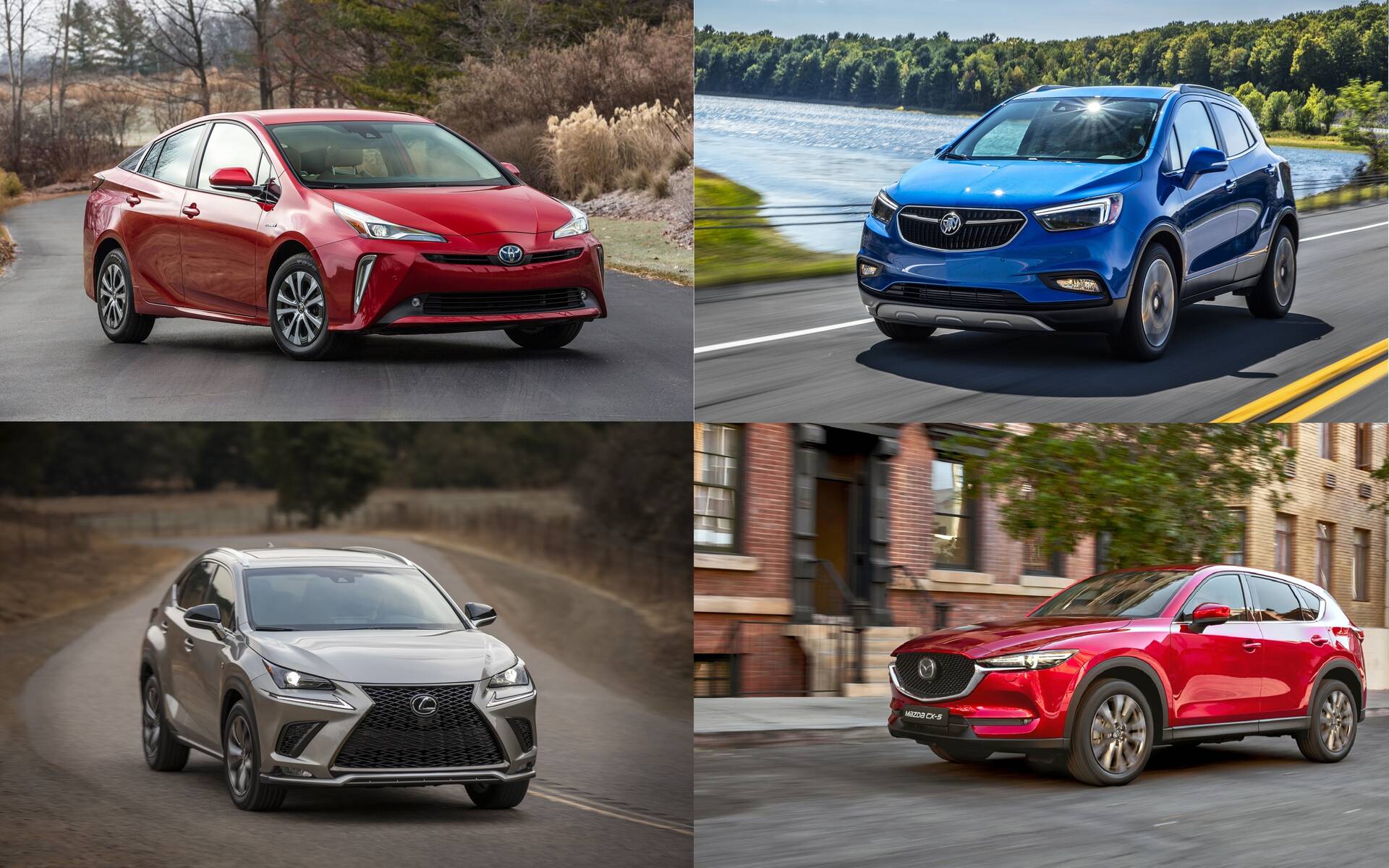
3. Toyota Prius
As a pioneer in mass-market hybrid technology, the Toyota Prius has refined its powertrain over multiple generations. The synergy between its internal combustion engine and electric drive units has proven remarkably durable, with battery longevity and electrical system reliability consistently scoring well above average in owner surveys.
4. Mazda CX-5
The Mazda CX-5 bridges the gap between engaging driving dynamics and bulletproof mechanical integrity. By avoiding overly complex dual-clutch transmissions in favor of traditional, responsive automatic gearboxes and refining its naturally aspirated and turbocharged four-cylinder engines, Mazda has achieved top-tier reliability status.
5. Toyota Camry
The Toyota Camry has earned a reputation as a dependable midsize sedan for families and fleet operators alike. Its balanced ride, comfortable cabin, and robust powertrain options—particularly the highly efficient hybrid variants—make it one of the safest long-term bets in the automotive market.
6. Honda Accord
The Honda Accord pairs refined interior packaging with highly dependable engineering. While modern iterations feature advanced turbocharged engines and sophisticated safety suites, Honda’s rigorous quality control ensures that electronic aids and mechanical systems operate harmoniously over years of ownership.
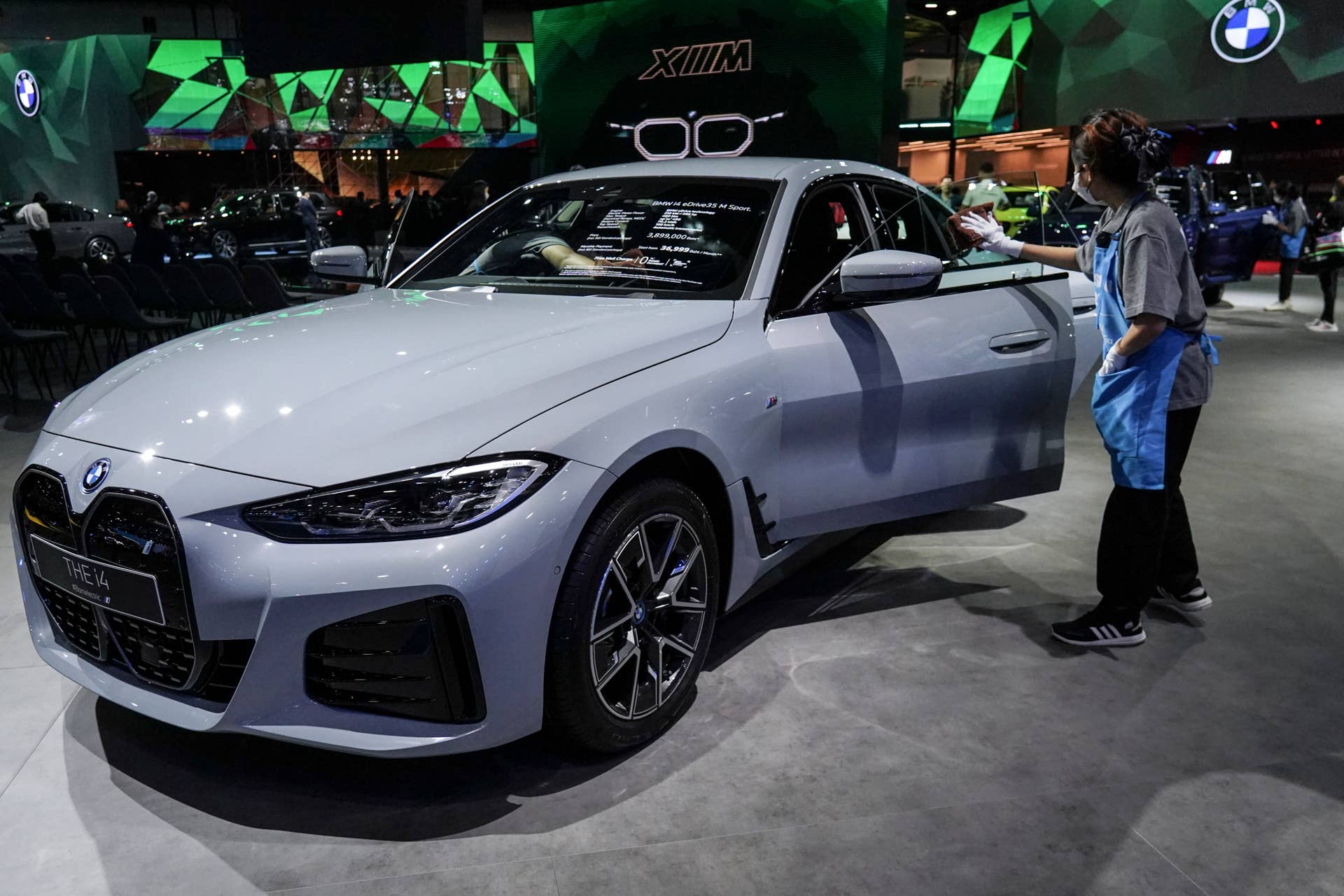
7. BMW X5
While European luxury SUVs often struggle with electrical complexity in Consumer Reports surveys, the BMW X5 stands out as a notable exception. Recent model years have demonstrated above-average reliability, particularly when equipped with the brand's robust inline-six engine, defying the stereotype that luxury must come at the cost of frequent workshop visits.
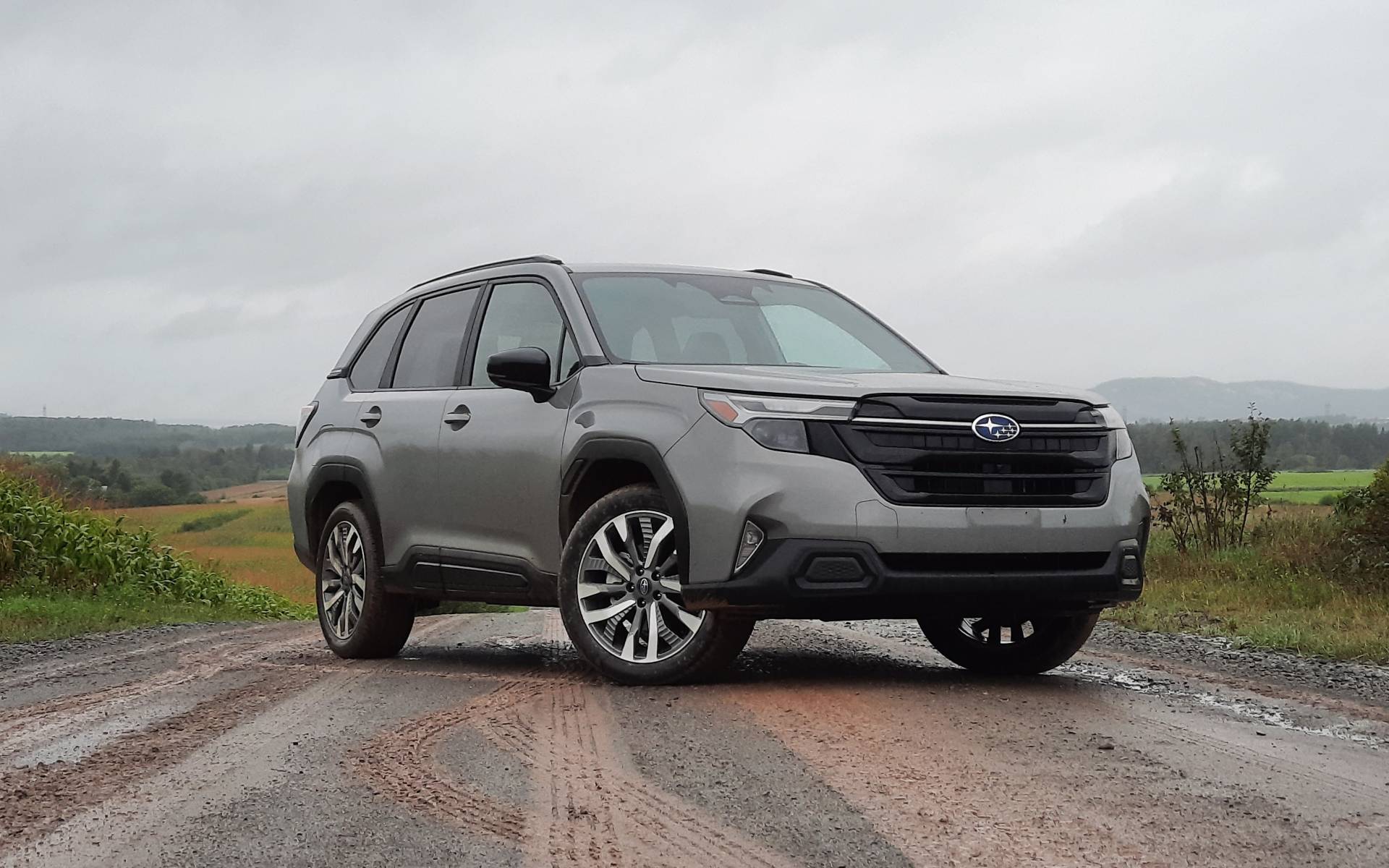
8. Subaru Crosstrek
The Subaru Crosstrek combines standard all-wheel drive with hatchback utility, making it a favorite for outdoor enthusiasts. Its horizontally opposed boxer engines and continuously variable transmissions (CVTs) have matured significantly, earning strong marks from owners for weathering harsh weather and rough road conditions without unexpected mechanical failures.
9. Lexus NX
The Lexus NX leverages Toyota’s world-class hybrid and powertrain engineering within a compact luxury crossover package. It delivers the plush ride and upscale materials expected of a luxury vehicle while maintaining the mechanical simplicity and durability derived from its mainstream corporate cousins.
10. Honda CR-V
The Honda CR-V rounds out the list as a benchmark compact SUV. Its efficient interior layout, balanced ride quality, and dependable powertrain options—including a refined hybrid system—secure its position as a practical, low-stress ownership choice for daily commuting and family road trips.
| Vehicle Model | Vehicle Class | Primary Powertrain Type | Predicted Reliability Standing |
|---|---|---|---|
| Toyota Corolla | Compact Car | Gas / Hybrid | Excellent |
| Lexus GX | Midsize Luxury SUV | Gas V6 / V8 | Excellent |
| Toyota Prius | Compact Hybrid | Hybrid Electric | Excellent |
| Mazda CX-5 | Compact SUV | Gas 4-Cylinder | Excellent |
| Toyota Camry | Midsize Sedan | Gas / Hybrid | Excellent |
| Honda Accord | Midsize Sedan | Turbo Gas / Hybrid | Very Good |
| BMW X5 | Midsize Luxury SUV | Turbo Gas / Plug-in Hybrid | Above Average |
| Subaru Crosstrek | Subcompact SUV | Gas Boxer 4-Cylinder | Very Good |
| Lexus NX | Compact Luxury SUV | Gas / Hybrid | Excellent |
| Honda CR-V | Compact SUV | Turbo Gas / Hybrid | Excellent |
Factors to Consider Beyond Reliability Scores
While Consumer Reports reliability rankings provide an invaluable baseline, purchasing a vehicle requires balancing multiple variables to ensure long-term satisfaction. Relying solely on a single metric can lead to overlooking personal needs, budget constraints, and regional driving conditions.
Maintenance Schedules and Cost of Ownership
Even the most reliable car on the market requires routine maintenance to maintain its status. Adhering to manufacturer-recommended oil change intervals, brake fluid flushes, and filter replacements is mandatory. Furthermore, luxury models like the Lexus GX or BMW X5 may feature higher replacement costs for tires, brakes, and specialized fluids compared to a mainstream Toyota Corolla or Honda Civic, even if their mechanical failure rates are similarly low.
Powertrain Evolution and New Technology
Automotive technology evolves rapidly, with manufacturers frequently introducing new turbocharged engines, hybrid architectures, and driver-assistance features. When a brand introduces an entirely new powertrain, initial reliability scores can dip as real-world issues emerge. Buyers prioritizing absolute dependability often benefit from purchasing models that are mid-lifecycle—meaning the manufacturer has had several years to iron out initial production quirks.
Certified Pre-Owned (CPO) vs. Buying New
For used car buyers, consulting Consumer Reports used car reliability charts is essential. Many of the top-performing models retain their high reliability ratings across multiple model years. Purchasing a Certified Pre-Owned vehicle from a reputable manufacturer often bridges the gap by offering extended warranty coverage alongside proven mechanical dependability.
Frequently Asked Questions
How does Consumer Reports calculate its reliability scores?
Consumer Reports calculates reliability scores by analyzing survey responses from hundreds of thousands of vehicle owners. Members report mechanical problems, electrical glitches, and cosmetic issues experienced over the previous 12 months across 17 distinct trouble spots, resulting in a comprehensive predicted reliability grade.
Are hybrid vehicles less reliable than traditional gas cars?
Not necessarily. Data from Consumer Reports consistently shows that hybrids from established manufacturers—particularly Toyota and Honda—often match or exceed the reliability of traditional internal combustion vehicles. Their electric motors and regenerative braking systems experience less mechanical wear than traditional transmissions and brakes.
Do luxury cars always have worse reliability than economy cars?
While luxury brands often score lower on average due to complex electronics, air suspension, and unproven technologies, exceptions exist. Premium brands closely tied to mainstream manufacturers, such as Lexus, frequently achieve reliability scores that rival or surpass economy nameplates.
Can a reliable car become unreliable if neglected?
Yes. Proper maintenance is critical. Even a vehicle with a stellar Consumer Reports reliability rating will experience premature component failure if oil changes are neglected, transmission fluid is ignored, or warning lights are left unaddressed for extended periods.
How far in advance does Consumer Reports test new models?
Consumer Reports evaluates new models as soon as they become commercially available and sufficient survey data can be gathered from early owners or testing tracks. For completely redesigned vehicles, predictions are initially based on the brand's historical track record until adequate owner survey data accumulates.
Final Recommendations for Car Buyers
When navigating the automotive market, treating Consumer Reports reliability data as a primary filter helps eliminate high-risk choices before you ever step onto a dealership lot. Prioritize models with proven mechanical lineages, strong owner satisfaction scores, and favorable long-term tracking data. Always schedule an independent pre-purchase inspection for used vehicles, verify service history records, and select a powertrain that aligns with your daily driving habits to ensure years of trouble-free operation.