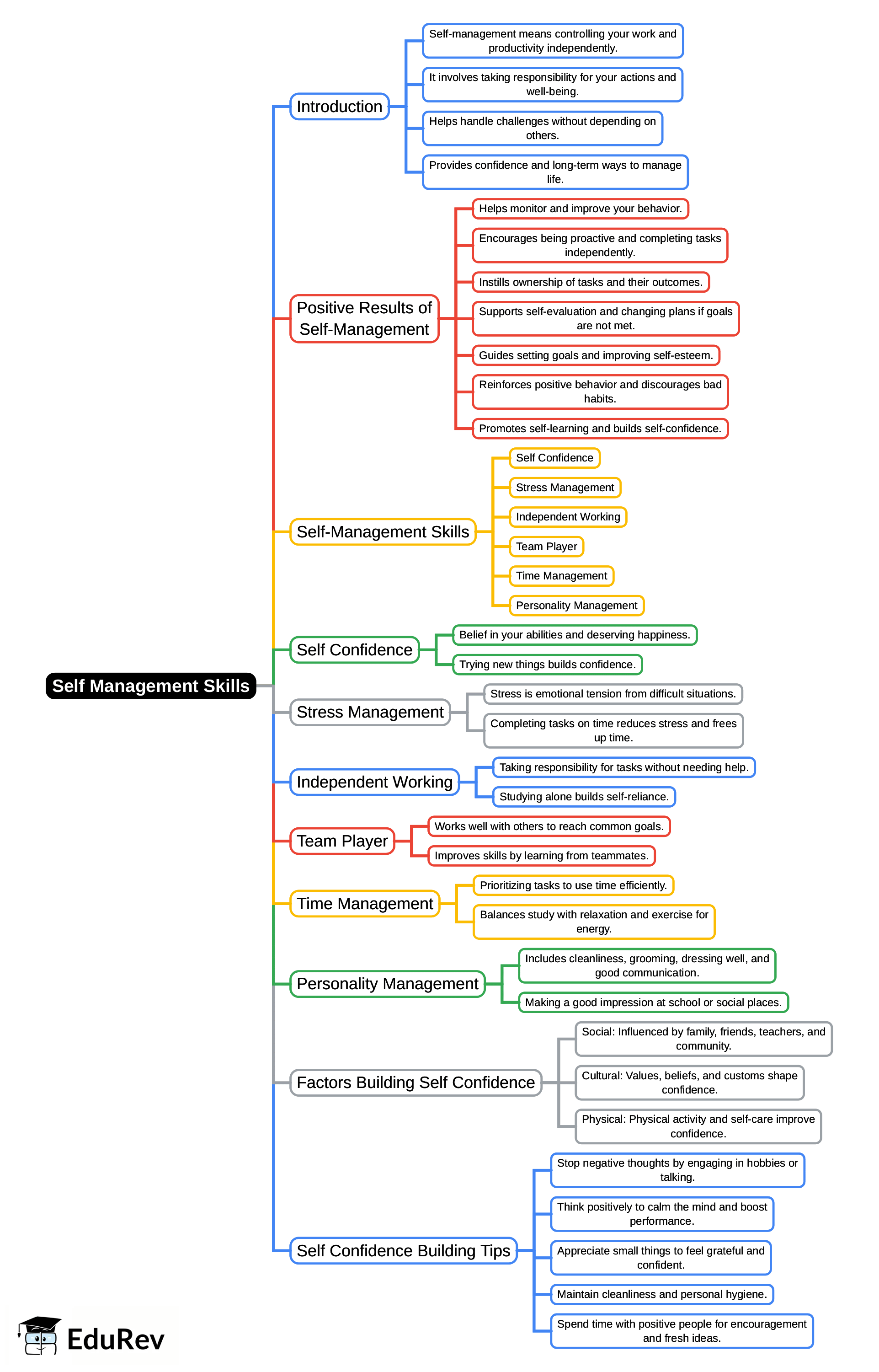
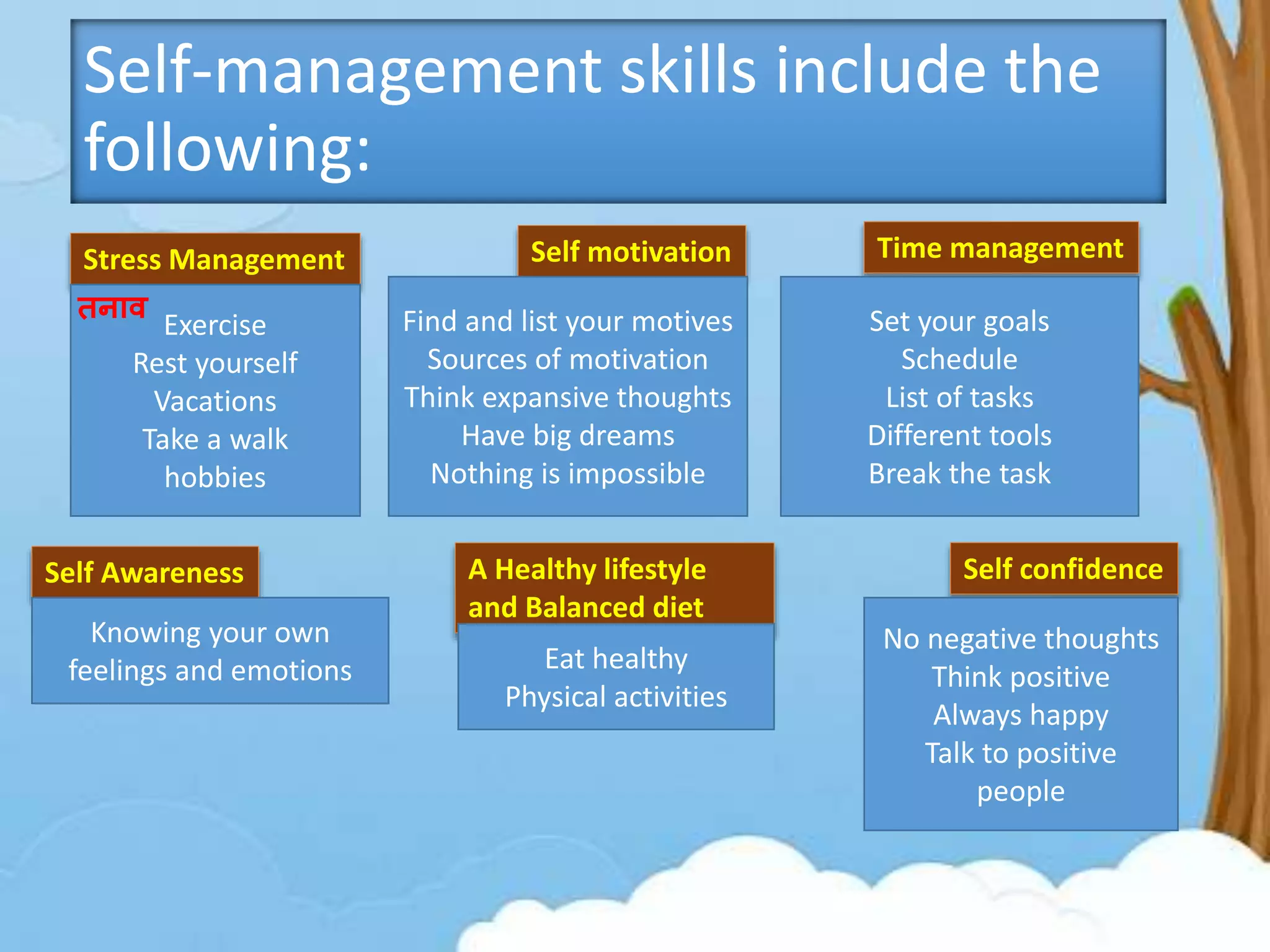
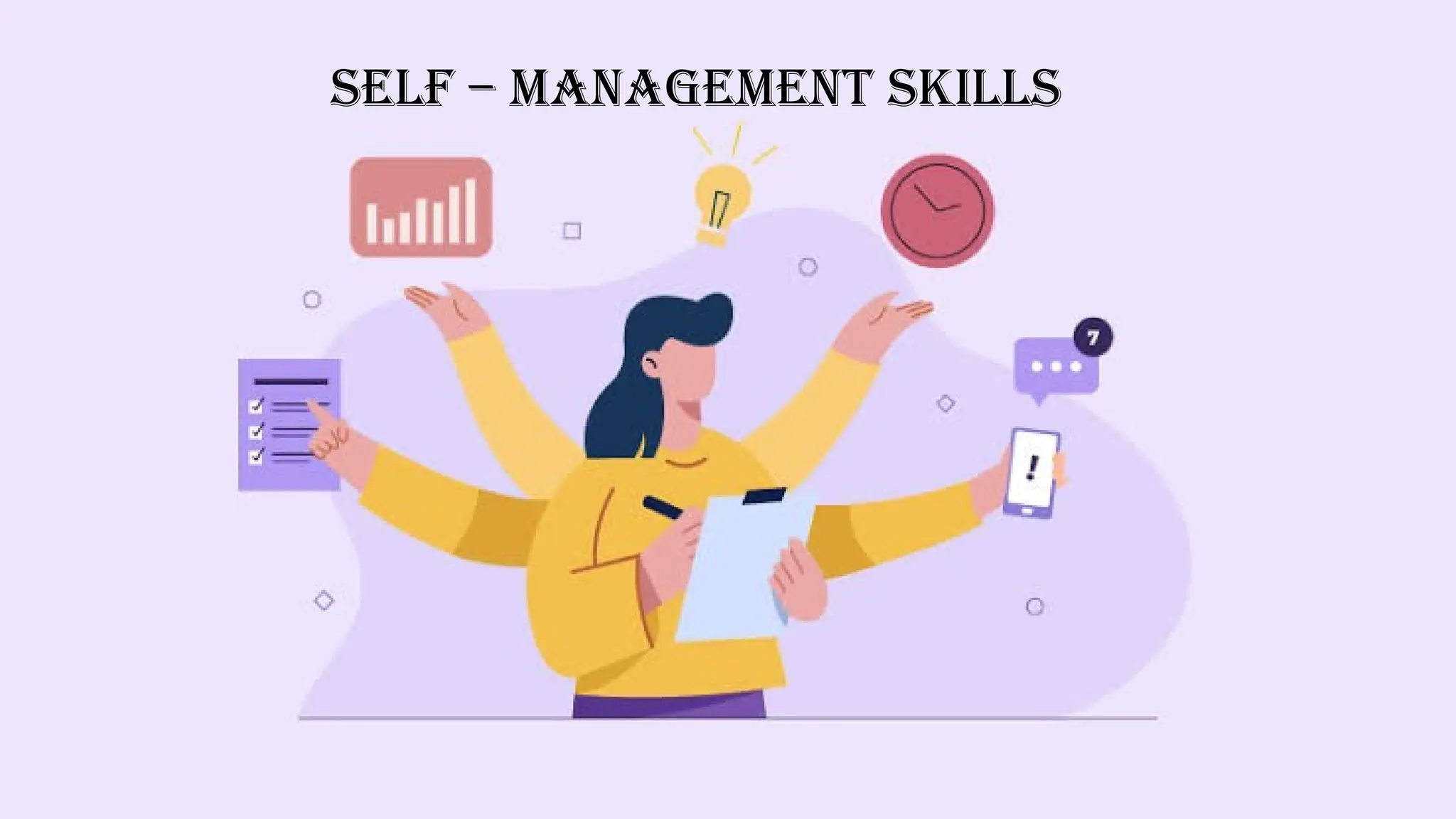
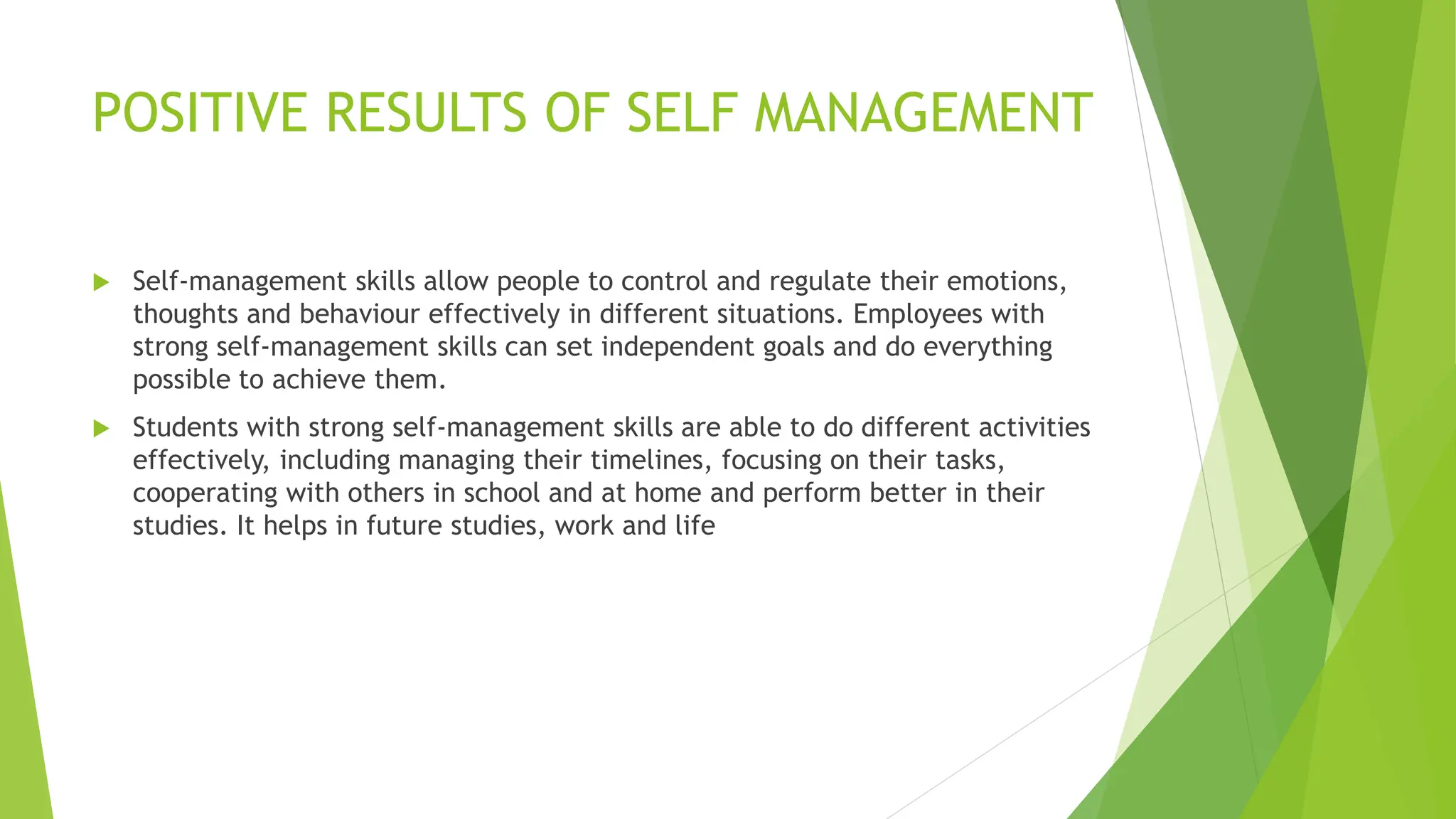
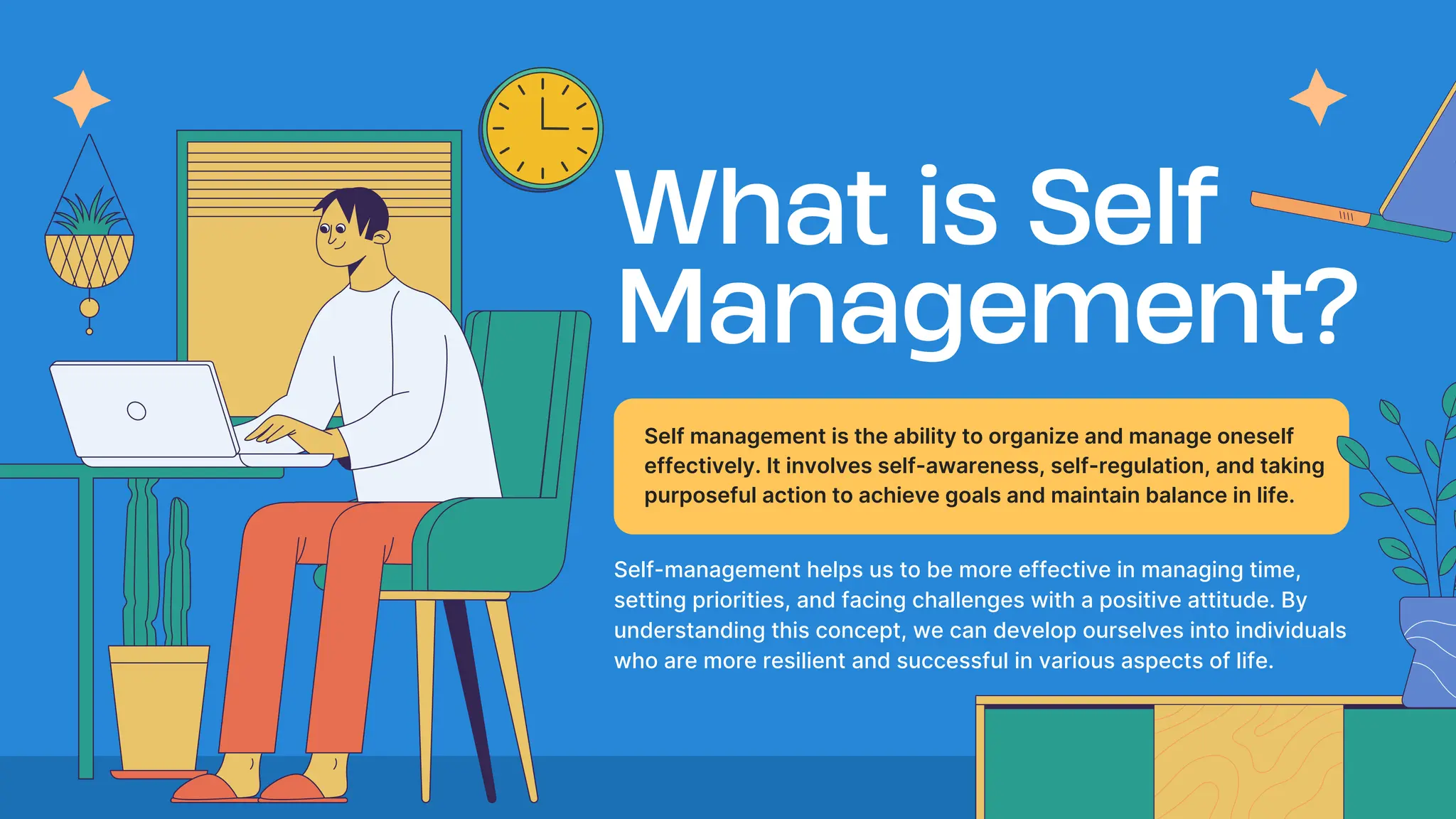
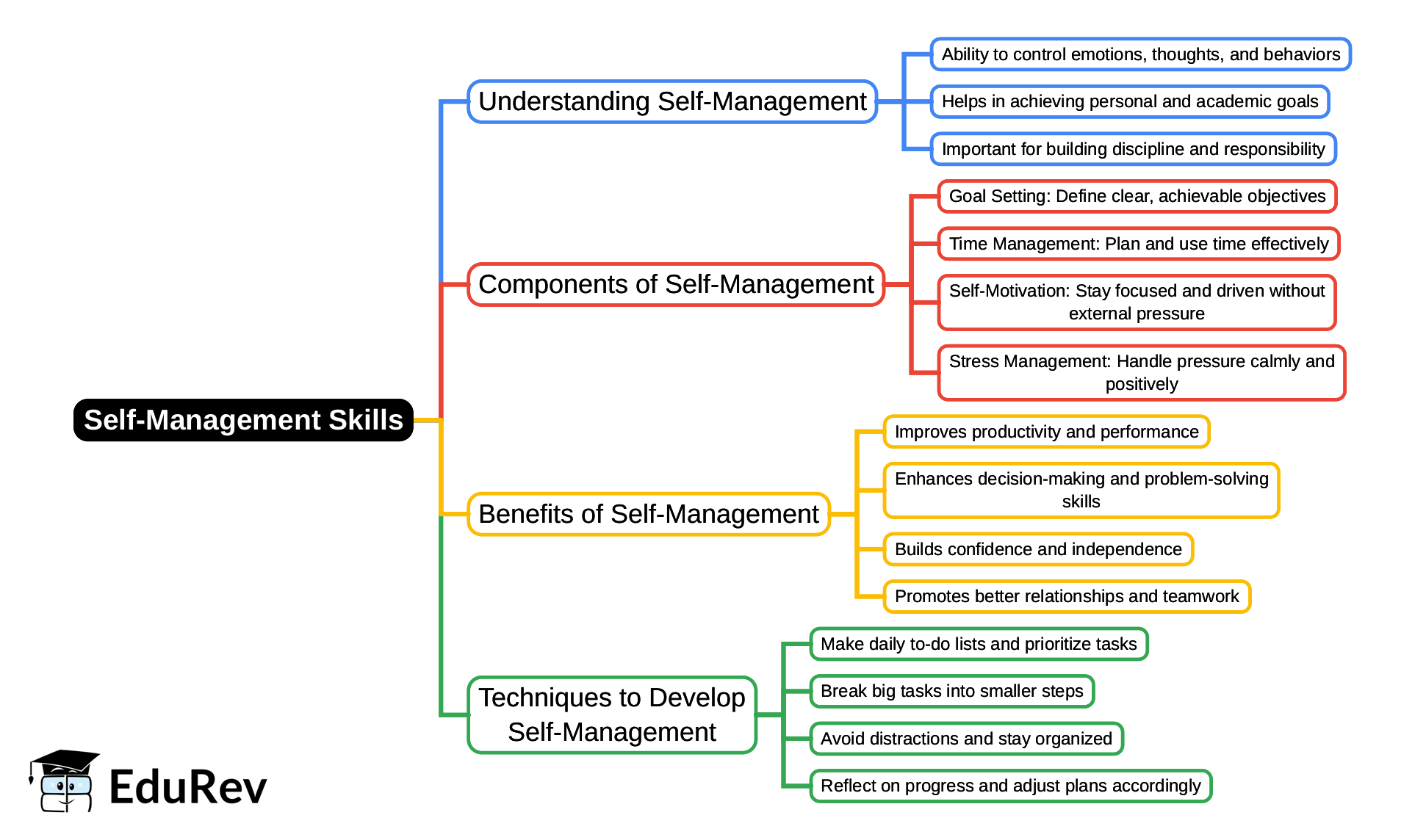
Self-management is the foundational ability to regulate one's emotions, thoughts, behaviors, and time effectively across different situations to achieve personal and professional goals. Far from being an innate, fixed trait, it is an active, ongoing practice involving specific mental models, routines, and behavioral frameworks that allow individuals to navigate stress, maintain productivity, and direct their own development without constant external oversight.
Understanding the Core Framework of Self-Management
Before examining concrete examples, it helps to understand how self-management functions as a psychological and operational system. In professional environments, psychology, and educational settings, self-management relies on several overlapping domains: emotional regulation, goal setting, time optimization, continuous self-monitoring, and proactive problem-solving. Without these mechanisms, individuals often fall into reactive patterns, letting external demands dictate their schedules and emotional states.
The contemporary landscape of work—marked by hybrid arrangements, remote teams, and independent projects—places an unprecedented premium on self-management. Employers no longer measure productivity merely by physical presence in an office; instead, they evaluate output, reliability, and the capacity to autonomously manage complex workflows. Mastering self-management transforms an individual from a passive participant in a system into an intentional architect of their own career and well-being.
1. Setting Measurable Personal and Professional Objectives
Goal setting is the starting point of self-management. Vague aspirations like "I want to be more organized" or "I want to do better at work" fail because they lack clear parameters for execution and verification. Concrete self-management requires translating broad ambitions into structured milestones using frameworks like SMART criteria (Specific, Measurable, Achievable, Relevant, and Time-bound).
For instance, rather than resolving to read more, a self-managed professional establishes a concrete target: reading one industry-specific book per month and writing a 200-word summary of key takeaways every alternate Sunday. This practice removes ambiguity, creates immediate operational clarity, and provides a binary metric for success or failure, allowing for quick adjustments when progress stalls.
2. Implementing Rigorous Time Blocking and Scheduling
Time is a finite resource, yet many individuals allow external requests—such as endless email notifications, impromptu chat messages, and low-priority meetings—to fragment their working hours. Self-management requires defending high-value time through intentional scheduling techniques like time blocking.
Time blocking involves dividing the calendar into distinct, dedicated blocks of time for specific tasks or clusters of tasks. A project manager might designate 9:00 AM to 11:00 AM exclusively for deep strategic planning, close all communication channels during that window, and leave afternoons open for collaborative meetings and administrative correspondence. This discipline prevents context-switching fatigue and ensures that crucial, deep-thinking tasks receive adequate cognitive resources.
3. Practicing Emotional Regulation Under Pressure
Workplaces and personal lives regularly present stressors, unexpected roadblocks, and difficult interpersonal dynamics. Emotional self-management is the practice of recognizing emotional triggers and choosing a measured, constructive response rather than an impulsive reaction.
When faced with critical feedback or a sudden project failure, a self-managed individual pauses to process the immediate physiological spike of frustration or defensiveness. They separate the objective facts of the critique from their personal identity, analyze the feedback for actionable improvements, and respond professionally. This emotional restraint preserves professional relationships and maintains clear cognitive function during high-stakes situations.
4. Establishing a Systematic Habit Tracking Routine
Consistency separates long-term achievement from sporadic bursts of effort. Self-management utilizes habit tracking to make behavioral patterns visible and measurable over time. Whether tracking daily water intake, exercise frequency, or uninterrupted writing sessions, visual logs provide immediate feedback loops.
Individuals can use physical journals, habit-tracking mobile applications, or simple spreadsheet grids to mark off completed actions daily. The psychological momentum generated by maintaining an unbroken streak reinforces the desired behavior, turning conscious effort into automated routine over weeks and months.
5. Prioritizing Tasks Using the Eisenhower Matrix
A common pitfall in personal productivity is confusing activity with achievement. Self-management requires ruthless prioritization to ensure energy is directed toward what matters most, rather than what simply feels urgent in the moment.
The Eisenhower Matrix is a classic decision-making framework that sorts tasks into four quadrants based on urgency and importance:
- Urgent and Important: Crises and pressing deadlines that must be done immediately.
- Important, But Not Urgent: Long-term strategic goals, relationship building, and preventive maintenance that require scheduled time.
- Urgent, But Not Important: Interruptions, phone calls, and most emails that should ideally be delegated.
- Neither Urgent nor Important: Time-wasting activities that should be eliminated.
Applying this matrix daily ensures that individuals spend adequate time in the second quadrant—preventing future crises through proactive planning.
6. Practicing Intentional Continuous Self-Auditing
Self-management is not a static setup; it requires continuous calibration. Conducting regular self-audits—whether weekly, monthly, or quarterly—allows individuals to evaluate what is working, identify bottlenecks, and discard unproductive habits.
During a weekly review, a knowledge worker might examine their completed tasks against their initial goals, calculate how many hours were lost to unplanned distractions, and adjust their schedule for the upcoming week. This introspective habit prevents individuals from drifting off course for months at a time, keeping their daily actions aligned with their ultimate objectives.
7. Managing Physical Energy and Well-Being
Mental self-management is fundamentally tethered to physical vitality. Expecting high cognitive output while neglecting sleep, nutrition, and physical movement is an unsustainable practice that leads directly to burnout.
Concrete physical self-management includes establishing a consistent sleep schedule, taking scheduled movement breaks during long sedentary work periods, and managing dietary intake to avoid energy crashes. For example, a writer might institute a rule to step away from the screen for a ten-minute brisk walk every ninety minutes, resetting their focus and reducing physical fatigue throughout the workday.
8. Creating and Maintaining Digital and Physical Organization
Clutter creates cognitive load. When physical workspaces are disorganized or digital file systems are chaotic, finding essential documents or tools wastes precious time and increases mental friction.
A self-managed individual implements strict organizational protocols, such as maintaining a standardized folder hierarchy for digital files, clearing their physical desk at the end of every working day, and processing email inboxes to zero using a "touch-it-once" rule. These systems ensure that physical and digital environments support focus rather than demanding extra energy to navigate.
9. Proactive Professional Development and Skill Acquisition
In rapidly evolving industries, waiting for an employer to mandate training is a recipe for stagnation. Self-managed professionals take ownership of their continuous education by identifying skill gaps and systematically closing them.
This can take the form of dedicating three hours every Saturday morning to learning a new programming language, studying data analysis through online certifications, or reading peer-reviewed literature within one's field. By driving their own upskilling, these individuals remain competitive and adaptable regardless of broader economic or organizational shifts.
10. Establishing Strict Boundaries Around Digital Distractions
Modern technology offers endless opportunities for distraction. Notifications, social media feeds, and news alerts fragment attention and degrade the capacity for sustained, deep work.
Self-management in the digital age requires intentional boundary setting. Concrete examples include turning off all non-human push notifications on smartphones, utilizing website blockers during focus hours, and leaving phones in another room during high-concentration tasks. These boundaries protect attention spans from constant erosion, preserving the mental stamina required for complex problem-solving.
Comparison of Self-Management Strategies
| Strategy | Primary Focus | Common Tool or Framework | Expected Outcome |
|---|---|---|---|
| Time Blocking | Schedule optimization | Calendar applications | Reduced context-switching and increased deep work |
| Eisenhower Matrix | Task prioritization | Urgency/Importance grid | Focus on high-impact, long-term goals |
| Habit Tracking | Behavioral consistency | Checklists or tracking apps | Sustained daily routines and goal momentum |
| Digital Boundaries | Attention protection | App blockers, "Do Not Disturb" | Enhanced concentration and lower stress |
| Weekly Self-Audits | Performance review | Journaling, task retrospectives | Rapid course correction and workflow refinement |
Frequently Asked Questions
What is the difference between time management and self-management?
Time management focuses strictly on organizing and scheduling hours to fit tasks into a day. Self-management is a broader concept that encompasses time management alongside emotional regulation, energy management, habit formation, and professional development. You cannot effectively manage your time if you cannot manage your attention and emotional impulses.
How can beginners start practicing self-management without feeling overwhelmed?
Start small by choosing a single concrete habit, such as setting three daily priorities every morning or implementing a thirty-minute distraction-free work block. Trying to overhaul every aspect of your routine at once usually leads to burnout and abandonment of the new systems. Build momentum through small, consistent wins.
Is self-management only useful for remote workers and freelancers?
While remote workers and freelancers must rely heavily on self-management because they lack physical office oversight, it is equally critical for traditional office employees. Self-management allows workers to handle competing demands, manage manager expectations, reduce workplace stress, and position themselves for career advancement.
How does emotional regulation tie into productivity?
Unmanaged stress, frustration, or anxiety hijack cognitive resources, impairing working memory, decision-making speed, and creative problem-solving. By practicing emotional regulation, individuals keep their prefrontal cortex functioning optimally, enabling them to navigate setbacks quickly and return to productive tasks without protracted downtime.
What should I do when my self-management system breaks down?
System breakdowns are normal and usually indicate that your current setup is either too rigid or misaligned with your current life circumstances. Instead of self-criticism, treat the breakdown as data. Conduct a brief review to identify what caused the friction—such as over-scheduling or unexpected life changes—and redesign your system to be more sustainable.
Next Actions for Implementation
To turn these concepts into practice, choose one area from the list above that currently represents your biggest bottleneck—whether that is digital distraction, lack of task prioritization, or poor scheduling. Implement a single concrete strategy, such as the Eisenhower Matrix or time blocking, for seven consecutive days. Evaluate your results at the end of the week, adjust your approach, and gradually integrate additional self-management frameworks as your confidence and consistency grow.