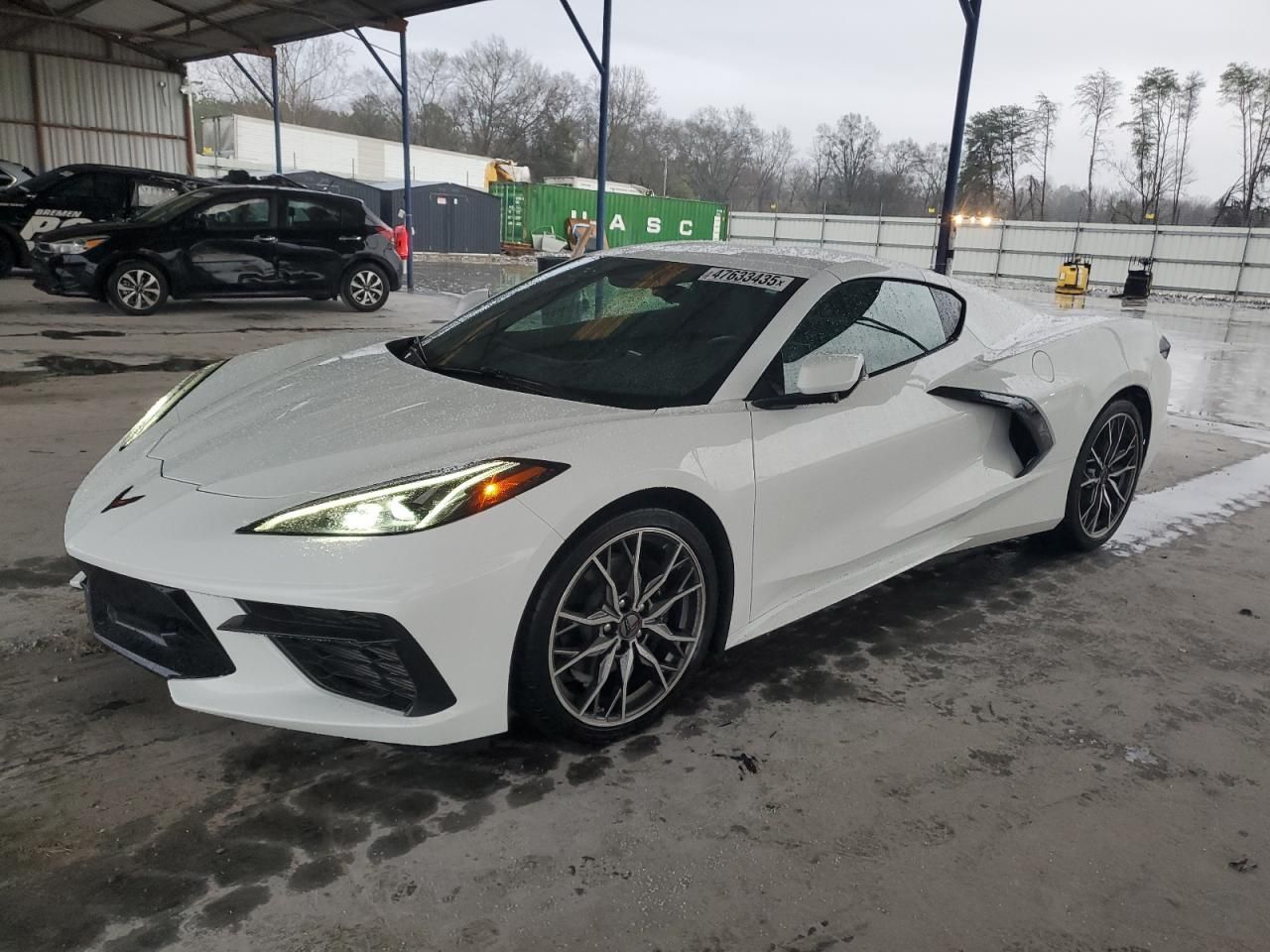
Insurance Auto Auctions Inc (IAA) operates specialized vehicle salvage and remarketing facilities that process, store, and auction off total-loss, recovered theft, and damaged vehicles to licensed buyers and the public. In the context of Bergen, NY 14416 and the broader Upstate New York region, understanding how these facilities function involves navigating state licensing requirements, bidding credentials, vehicle inspection protocols, and logistical considerations for transporting purchased inventory.
Introduction to Insurance Auto Auctions Inc (IAA) and Salvage Operations
Insurance Auto Auctions Inc is one of the premier global digital marketplaces connecting vehicle sellers and buyers. Specializing in total-loss asset management, IAA facilitates the redistribution of vehicles that have been deemed uneconomical to repair by insurance carriers, fleet operators, financial institutions, and rental companies. The operational footprint of salvage pools typically extends across regional hubs designed to securely store hundreds or thousands of vehicles while providing a structured digital and physical bidding environment.
In Western New York, facilities handling salvage inventory serve as critical links in the automotive lifecycle chain. When a vehicle sustains major collision, flood, or fire damage—or is recovered after a theft—insurance adjusters declare it a total loss. These vehicles are subsequently transported to secure yards, such as those servicing the zip code 14416 area in Genesee County and surrounding municipalities. Buyers ranging from licensed automotive dismantlers and rebuilders to everyday car hobbyists utilize IAA platforms to acquire inventory for parts harvesting, structural rebuilding, or scrap metal recycling.
Operating within New York State introduces specific regulatory parameters governed by the New York State Department of Motor Vehicles (NYS DMV). These regulations dictate who can purchase certain vehicle titles, how titles are transferred, and what licensing prerequisites apply to bidders. Consequently, understanding the intersection of IAA's auction framework and New York salvage laws is essential for anyone participating in vehicle auctions within the region.
The Role of Salvage Pools in Western New York
Salvage pools function as high-volume holding and transaction centers. Unlike traditional retail car dealerships, an IAA-affiliated storage yard is an industrial logistics hub. Vehicles arrive via flatbed tow trucks directly from accident scenes, body shops, or insurance holding lots. Once on-site, each vehicle undergoes an intake process where it is cataloged, photographed from multiple angles, assigned a stock number, and linked to a specific online auction catalog.
The geographic positioning of salvage facilities near transportation arteries allows regional buyers to inspect inventory efficiently. Although physical access to storage yards is regulated for safety and insurance compliance, registered users are generally permitted designated preview windows to evaluate engine conditions, body damage, and interior components. For buyers in Bergen, NY 14416, nearby regional operations streamline the procurement of project cars or specialized replacement parts that might otherwise be cost-prohibitive through standard retail channels.
Furthermore, salvage operations support environmental compliance and resource conservation. By systematically draining fluids, recycling batteries, and harvesting functional mechanical components, licensed dismantlers prevent hazardous automotive fluids from entering local ecosystems while providing an affordable supply of OEM (Original Equipment Manufacturer) parts to repair damaged vehicles on the road.
Licensing, Registration, and Buyer Requirements in New York
Participating in vehicle auctions requires compliance with both platform-specific rules and state-mandated licensing structures. New York State enforces strict classifications on vehicle titles, which directly impacts who is legally eligible to bid on and purchase specific inventory categories.
State Title Classifications and Restrictions
New York issues several distinct title brands for damaged or salvaged vehicles. Understanding these designations prevents costly purchasing errors:
- Salvage Certificate: Issued when a vehicle sustains damage exceeding a specific statutory percentage of its pre-accident market value (typically 75% under many insurance guidelines) or is an insured total loss.
- Rebuilt Salvage: Assigned to a vehicle that has been repaired and successfully passed a comprehensive NYS DMV anti-theft and safety inspection.
- Parts Only / Non-Repairable: Designated for vehicles that can never be titled or registered again for highway use and are restricted solely to parts dismantling or scrap.
Buyer Account Types
IAA categorizes buyers to ensure compliance with local laws:
- Public Buyers: In states where regulations permit, individuals without dealer licenses can purchase specific inventory with clean or certain salvage titles, though New York laws often restrict public bidding on raw salvage certificates without appropriate licensing.
- Licensed Dealers and Dismantlers: Professional buyers holding valid NYS DMV dealer or dismantler licenses gain access to a broader inventory pool, including pure salvage titles and repairable total-loss vehicles.
- Broker Utilization: Individuals who do not possess a dealer license frequently utilize authorized third-party brokers registered with IAA to legally place bids on restricted inventory, subject to broker fees and agreement terms.
Bidding, Purchasing, and Financial Obligations
Navigating the auction platform requires familiarity with digital bidding mechanics, fee structures, and payment deadlines. IAA operates primarily through advanced digital auction platforms complemented by preview schedules.
| Auction Stage | Operational Focus & Requirements |
|---|---|
| Registration & Verification | Account creation, identity verification, and submission of applicable NYS licenses/permits. |
| Pre-Auction Inspection | Reviewing digital condition reports, photos, and attending designated physical yard previews. |
| Live & Timed Bidding | Submitting proxy bids or participating in real-time digital auctions (IAA AuctionNow). |
| Settlement & Fees | Paying vehicle purchase price, buyer fees, internet fees, and potential storage charges. |
| Vehicle Transport & Release | Scheduling professional towing or flatbed extraction within mandatory storage grace periods. |
Financial planning is critical when purchasing through salvage auctions. The final winning bid is never the total cost. Buyers must account for standard buyer's fees scaled according to the vehicle's final sale price, internet connection fees for digital bidding, potential local taxes, and environmental or loading fees assessed by the facility. Furthermore, prompt payment is strictly enforced; failing to pay within the designated window typically results in late fees and account suspension.
Logistics, Transport, and Yard Policies
Once a vehicle is successfully purchased and paid for, the next major hurdle is physical removal from the storage facility. Because salvage vehicles are frequently non-running, structurally compromised, or missing essential components such as wheels and steering capability, standard driving is strictly prohibited on yard premises.
Transportation Requirements
- Licensed Towing Services: Buyers must utilize qualified tow operators equipped with flatbeds or wheel-lifts capable of safely securing salvage units.
- Loading Assistance: While yards generally provide loading assistance via forklifts or loaders for traditional flatbed transport, operators must adhere to strict facility safety guidelines, including mandatory high-visibility vests, closed-toe footwear, and proper securement tie-downs.
- Storage Deadlines: Yards enforce strict storage policies. If a vehicle is not removed within the allotted free storage window, daily storage fees accumulate rapidly, quickly eroding the financial margin of the purchase.
Frequently Asked Questions
Can anyone buy a car from Insurance Auto Auctions Inc in New York?
No. While registration is open to the public, New York State licensing laws dictate whether a buyer can purchase specific vehicle categories. Public buyers may purchase vehicles with clean titles or select salvage items depending on current state statutes, but pure salvage and parts-only vehicles typically require a licensed dealer, dismantler, or the use of an authorized broker service.
How do I inspect a vehicle before placing a bid?
IAA provides comprehensive online condition reports featuring high-resolution photo galleries detailing damage points, odometer readings, and mechanical notes. Additionally, registered buyers can visit regional storage yards during designated public or licensee preview hours to inspect the physical condition of vehicles firsthand, subject to yard safety protocols.
What additional fees should I expect beyond the winning bid?
Buyers must pay a tiered buyer's fee based on the final purchase price of the vehicle, an internet bidding fee, applicable New York sales tax unless a valid resale certificate is provided, and any specific facility loading or environmental charges. Prompt payment is required to avoid late fees.
How long do I have to pick up a vehicle after winning the auction?
Storage grace periods typically range from 2 to 4 business days depending on the specific facility location and auction rules. Failing to remove the vehicle within this timeframe results in daily storage fees charged to the buyer's account until the asset is successfully cleared from the yard.
Are vehicles sold with a guarantee or warranty?
All vehicles sold through salvage auctions are strictly sold "As Is, Where Is" with no express or implied warranties. Descriptions provided in online listings are for informational purposes only, and buyers assume full responsibility for verifying structural, mechanical, and electrical conditions prior to bidding.
Conclusion and Next Actions
Participating in salvage vehicle auctions near Bergen, NY 14416 requires a clear understanding of state licensing regulations, digital bidding procedures, financial obligations, and transport logistics. Before engaging in transactions, prospective buyers should verify their licensing status with the NYS DMV, review specific auction house buyer guides, and calculate all associated fees and transportation costs to ensure a profitable and compliant purchasing experience.