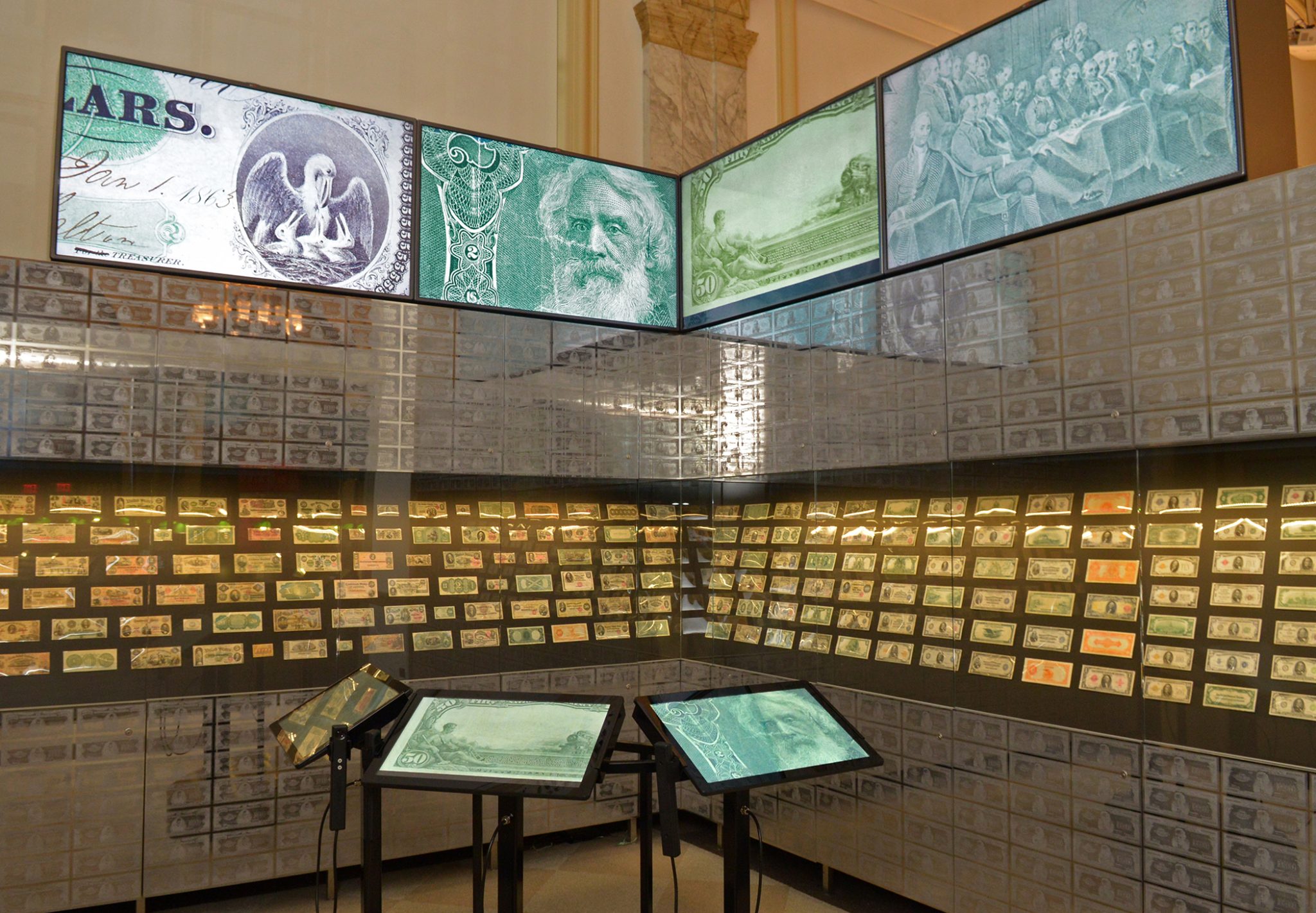
The Museum of American Finance, located in the heart of New York City’s Financial District, serves as the nation’s only independent public museum dedicated exclusively to the study and preservation of financial history. While the institution has transitioned its primary operations from its former physical gallery at 48 Wall Street to a decentralized model in 2026, it remains a vital resource for understanding the evolution of the American capital markets, banking, and entrepreneurship through extensive digital archives, traveling exhibits, and educational outreach.
Understanding the Museum of American Finance in 2026
The Museum of American Finance, often colloquially referred to as the NYC finance museum, is a Smithsonian Affiliate that has undergone significant operational shifts. To understand the museum today, one must recognize that its identity is no longer tied to a singular brick-and-mortar location. Following its departure from the historic Bank of New York building at 48 Wall Street, the museum has pivoted toward a "museum-without-walls" strategy.
This approach focuses on the curation of digital collections, the hosting of virtual symposia, and the facilitation of traveling exhibits that appear in schools, community centers, and corporate partner spaces. For the visitor, this means that "taking a look" at the museum in 2026 requires an understanding of its digital infrastructure rather than a traditional walk-through of a physical gallery. The museum’s mission remains rooted in the objective education of the public on how the financial system works, how it has evolved, and the impact of historical financial events on modern economic life.
Navigating the Digital Archives and Educational Resources
The core of the institution's value lies in its extensive collection of artifacts and documentation, which are now predominantly accessible via its online portal. Researchers, students, and history enthusiasts can browse digitized versions of historical documents, stock certificates, and photographs that trace the trajectory of the American economy from the colonial era to the present day.
Digital Exhibit Highlights
The online repository is categorized by chronological and thematic eras:
- The Alexander Hamilton Collection: Detailed insights into the establishment of the U.S. financial system and the First Bank of the United States.
- Financial Crisis Chronicles: A deep dive into the historical panics of 1837, 1873, and 1907, providing context for the modern regulatory environment.
- The Evolution of Currency: Visual galleries showing the progression of American paper money, coins, and the transition from gold-backed standards to fiat currency.
For those looking to gain a technical understanding of the American markets, the museum provides curated reading lists and bibliographies that serve as prerequisites for understanding complex financial concepts like market liquidity, derivatives, and central banking history.
Historical Context: The 48 Wall Street Legacy
To fully appreciate the institution, it is necessary to acknowledge its former physical presence. Located at 48 Wall Street, the museum occupied a space that was itself an artifact of financial history. The building, designed in the neo-classical style, served as the headquarters for the Bank of New York, which was founded by Alexander Hamilton in 1784.
The physical gallery historically housed artifacts such as the original 1792 Buttonwood Agreement, the document that founded the New York Stock Exchange. While these items are currently secured in climate-controlled storage awaiting future curation or rotational loan programs, they represent the foundational importance of the site. Visitors who frequent the Wall Street area in 2026 can still observe the building’s architecture, which stands as a silent witness to the history of American capitalism. The museum’s move to a decentralized model allows it to reallocate resources toward accessibility, ensuring that its historical collections are not confined to a single geographic area.
Comparing Traditional Museum Visitation vs. Modern Outreach
The transition from a physical location to a digital-first model involves a shift in how stakeholders engage with the museum’s mission. The following table compares the accessibility and utility of these two operational modes.
| Feature | Physical Museum (Historical) | Digital/Outreach Model (2026) |
|---|---|---|
| Accessibility | Limited to NYC visitors | Global access via internet |
| Artifact View | Direct, tactile observation | High-resolution digital scan |
| Educational Scope | Fixed displays, guided tours | Dynamic, updated online curricula |
| Operating Hours | Strict, subject to physical site | 24/7 access to digital archives |
| Engagement | In-person seminars, events | Virtual webinars, distance learning |
The shift significantly improves the ability of educators to integrate museum content into classroom curricula. By utilizing the museum’s digital toolkit, students across the country can analyze primary source documents—such as historical ledgers and company prospectuses—that were previously only viewable by researchers who traveled to New York.
Essential Topics for Study and Research
For those engaging with the Museum of American Finance’s resources for educational or professional development purposes, there are several key areas where the museum’s documentation is particularly robust.
1. The Development of the Stock Exchange
The museum provides extensive documentation on the formation of the New York Stock Exchange. Understanding this development is essential for grasping the current market structure. The focus is not just on the exchange of equities, but on the democratization of investment and the changing role of the middle-class investor over the last century.
2. Entrepreneurship and Risk
A recurring theme throughout the museum’s documentation is the role of risk in the American economy. From the whaling industry of the 19th century to the tech boom of the early 21st, the museum’s records highlight how American entrepreneurs utilized credit and venture capital to drive innovation. This provides a qualitative counterbalance to the quantitative nature of finance.
3. Regulatory History
The museum tracks the history of financial regulation, particularly following major economic crashes. This includes the establishment of the Federal Reserve System in 1913 and the subsequent legislative responses in the 1930s. For students of finance, these documents serve as critical primary sources for understanding the "why" behind modern compliance requirements like the Glass-Steagall Act or the Dodd-Frank Wall Street Reform and Consumer Protection Act.
How to Utilize the Museum’s Resources in 2026
If you are a researcher, educator, or student, the museum acts as a facilitator for learning. To make the most of the available resources, follow this recommended workflow:
- Define Your Scope: Are you looking for specific primary documents for academic research, or are you looking for a general overview of a financial event? The search portal on the official website is categorized by time period and asset class.
- Verify Provenance: When using digital images or documents for publication, ensure you review the museum’s usage guidelines. As a non-profit, the museum holds the rights to many of its digitized artifacts, and citation requirements must be followed.
- Engage with Outreach Programs: If you are an educator, contact the museum’s administration regarding their current partnership programs. In 2026, they continue to facilitate guest lectures and virtual seminars that can be integrated into high school and collegiate business programs.
- Monitor Periodic Announcements: Because the museum has transitioned to a model that emphasizes traveling exhibits, check their official bulletins regularly for pop-up installations in your region. These physical events often provide the best opportunity to see curated selections of their primary collections.
Frequently Asked Questions
Is the Museum of American Finance currently open for in-person visitors? As of 2026, the museum does not maintain a permanent, open-to-the-public physical exhibition space at 48 Wall Street. It operates through digital archives and rotating exhibits at partner institutions.
Can I still see the original 1792 Buttonwood Agreement? The document is part of the museum’s permanent collection. While it is not on public display at a dedicated facility, it is digitized and available for scholarly review through the museum’s website and may be featured in specific, limited-time traveling exhibitions.
What is the best way to conduct research using the museum’s archives? The most efficient method is to utilize the online collections search tool. If you require access to documents that are not available in the digital portal, you may contact the museum’s archivist directly to inquire about appointment-based access to their holdings.
Does the museum offer educational programs for schools? Yes, the museum remains committed to financial literacy. They offer virtual workshops and teaching resources for educators, which are designed to support curricula in economics, history, and social studies.
How does the museum fund its operations now that it has no ticket sales from a storefront? The institution relies on a combination of endowments, grants from educational foundations, and donations from individuals and organizations interested in the preservation of American financial history.
Next Actions and Recommendations
For those seeking to engage deeply with the material provided by the Museum of American Finance, the first step is to establish a user account on the museum’s official digital platform. This provides access to the full range of digitized documents and allows you to receive notifications regarding upcoming traveling exhibits or virtual symposia.
If you are a student or a finance professional, prioritize the review of the Financial History publication archives. These journals, which have been published by the museum for decades, contain peer-reviewed articles and expert commentary on the historical development of global financial markets. By synthesizing these archives with current market data, you can build a comprehensive understanding of the cyclical nature of American finance and the institutional frameworks that support it.