"Really nice" life insurance policies are defined not by luxury, but by structural integrity: a combination of guaranteed premiums, high financial strength ratings for the issuing carrier, clear policy language, and flexible riders that allow the coverage to adapt to your evolving financial needs. Selecting the right policy requires a methodical assessment of your long-term beneficiary objectives, risk tolerance, and tax-planning goals within the current 2026 regulatory landscape.
Understanding the Anatomy of a High-Quality Policy
When consumers search for a "nice" policy, they are often subconsciously looking for three things: reliability, clarity, and adaptability. In the insurance industry, these traits translate into specific product attributes. A policy that stands out in the current market is one that balances these elements without introducing unnecessary complexity or hidden fees.
Financial Strength of the Carrier
The most important feature of any life insurance policy is the issuer's ability to pay the death benefit thirty, forty, or fifty years from now. You should prioritize insurers with high ratings from independent agencies such as AM Best, Moody’s, or S&P Global. A "nice" policy is issued by a company that has navigated various economic cycles without compromising its capital reserves. Always check the Comdex score—a composite index that distills ratings from various agencies into a single percentile—to quickly gauge a carrier's market standing.
Transparency in Policy Language
Avoid policies filled with obtuse terminology that makes it difficult to understand how a premium increase might be triggered or how a cash value component is credited with interest. A high-quality policy contract should clearly state its guarantees. If the policy is a Universal Life (UL) product, the illustration should clearly explain the relationship between the cost of insurance (COI) charges and the performance of the underlying assets.
Customization via Policy Riders
A premium policy is not just a death benefit; it is a suite of financial protections. Riders are contractual provisions that add benefits or modify terms. Look for policies that offer:
- Waiver of Premium: Relieves you of payment obligations if you become permanently disabled.
- Accelerated Death Benefit (Living Benefits): Allows you to access a portion of the death benefit if you are diagnosed with a terminal or chronic illness.
- Guaranteed Insurability Option: Permits the purchase of additional coverage at specified future dates without undergoing further medical underwriting.
Term Life vs. Permanent Life: Identifying the Right Path
The search for the "best" policy is fundamentally a choice between simplicity and long-term financial management. Understanding the differences is critical for ensuring your policy serves its intended purpose.
Term Life: The Foundation of Protection
Term life insurance is the most straightforward, cost-effective form of coverage. It provides protection for a specific period—typically 10, 20, or 30 years. If the insured passes away during the term, the beneficiaries receive the death benefit. These policies are excellent for protecting income replacement needs or covering mortgage obligations. They are "nice" because of their simplicity and the high level of death benefit protection they provide for a relatively low monthly premium.
Permanent Life: Strategy and Asset Management
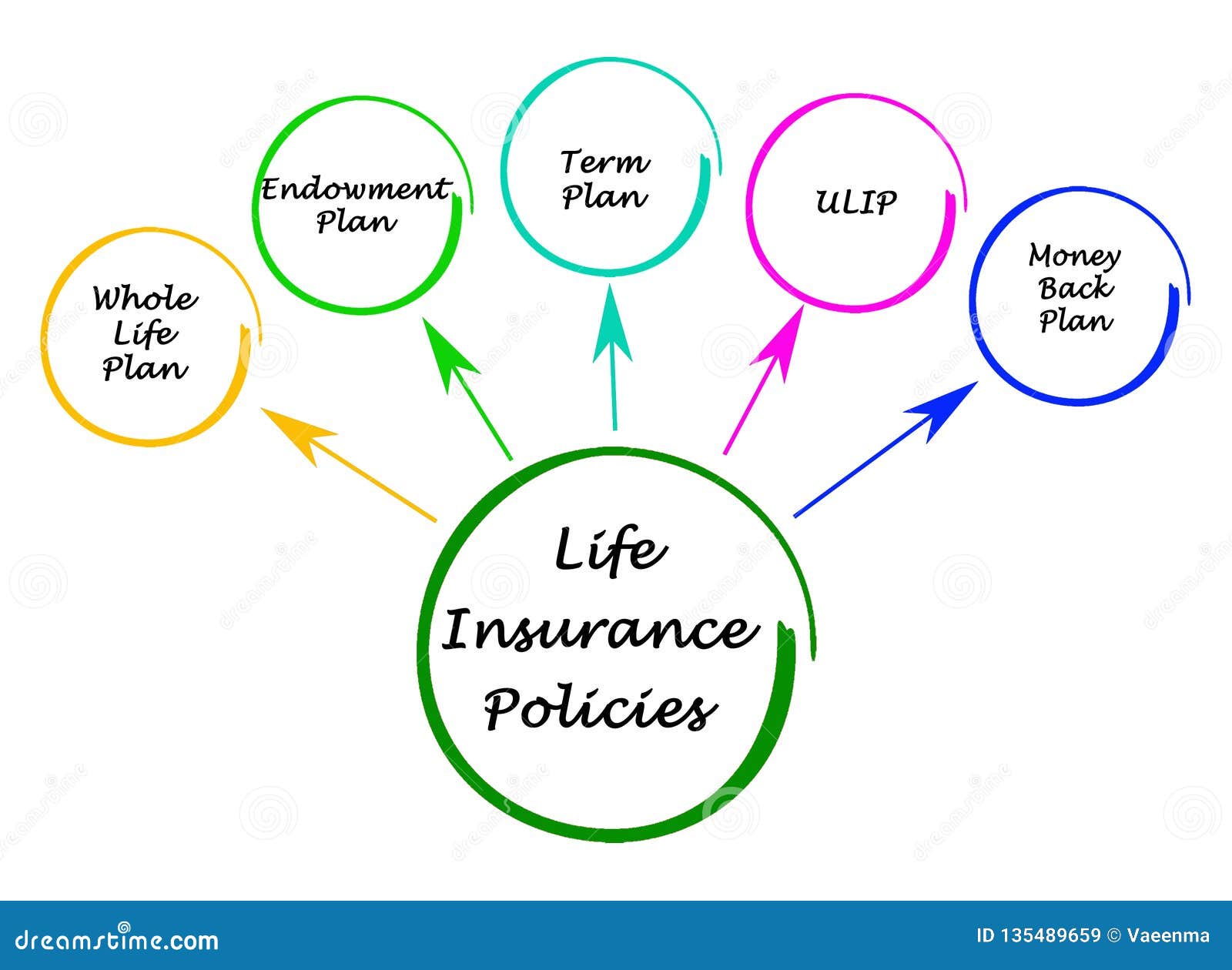
Permanent insurance, which includes Whole Life and Universal Life, provides coverage for the duration of your life, provided the premiums are paid. These policies also include a cash value component that grows over time.
- Whole Life: Features level premiums and guaranteed cash value growth. It is often used for estate planning and as a conservative, tax-advantaged financial asset.
- Universal Life (UL): Offers more flexibility, allowing the policyholder to adjust premiums and death benefits. However, this flexibility requires more active management to ensure the policy remains funded.
| Feature | Term Life Insurance | Whole Life Insurance | Universal Life Insurance |
|---|---|---|---|
| Coverage Duration | Fixed period | Lifetime | Lifetime |
| Cash Value | None | Guaranteed growth | Variable/Linked to markets |
| Premium Cost | Low | High | Flexible |
| Primary Intent | Income replacement | Estate/Legacy building | Flexibility/Investment |
Evaluating Cost and Underwriting Prerequisites
In 2026, the underwriting process remains a significant factor in both the price and availability of coverage. To secure a "nice" policy—which often implies a lower premium rate class—you must navigate the medical and financial background check effectively.
The Role of Medical Underwriting
Most high-value policies require a paramedical exam. This includes blood panels, urinalysis, and a review of your medical history. To improve your chances of qualifying for "Preferred" or "Super Preferred" rates, focus on health metrics that underwriters prioritize, such as blood pressure, cholesterol levels, and body mass index (BMI). It is important to disclose all medical history honestly; misrepresentation can lead to the denial of a death benefit claim in the future.
Financial Underwriting
For policies with very high death benefits, insurers will conduct financial underwriting to ensure the coverage amount is commensurate with your income, net worth, and estate planning needs. This prevents over-insuring, which is a red flag for carriers. You may be asked to provide tax returns or financial statements to justify the requested coverage level.
Common Mistakes to Avoid
Even when seeking a high-quality product, many applicants fall into traps that compromise their coverage.
- Ignoring the "Gap" Years: Many people buy a 20-year term policy when they are 35, failing to account for the fact that they will be 55 when the policy expires—often at a time when they still have financial dependents or debt. Always align the term length with the duration of your actual financial liability.
- Focusing Only on Premium: A policy with the lowest premium is not necessarily the "best." If the carrier lacks the financial depth to maintain service or if the policy structure creates "hidden" charges as you age, the cost-benefit ratio will erode over time.
- Failing to Update Beneficiaries: A well-structured policy can be rendered ineffective if the beneficiary designation is outdated. Divorce, remarriage, or the passing of a primary beneficiary should trigger an immediate review and update of your policy documents.
- Misunderstanding Universal Life Funding: Universal Life policies can lapse if the cash value is depleted by high fees or poor market performance, even if the policyholder thinks they are "done" paying premiums. Regular, proactive monitoring of your annual statements is essential.
Integrating Insurance into Your 2026 Financial Plan
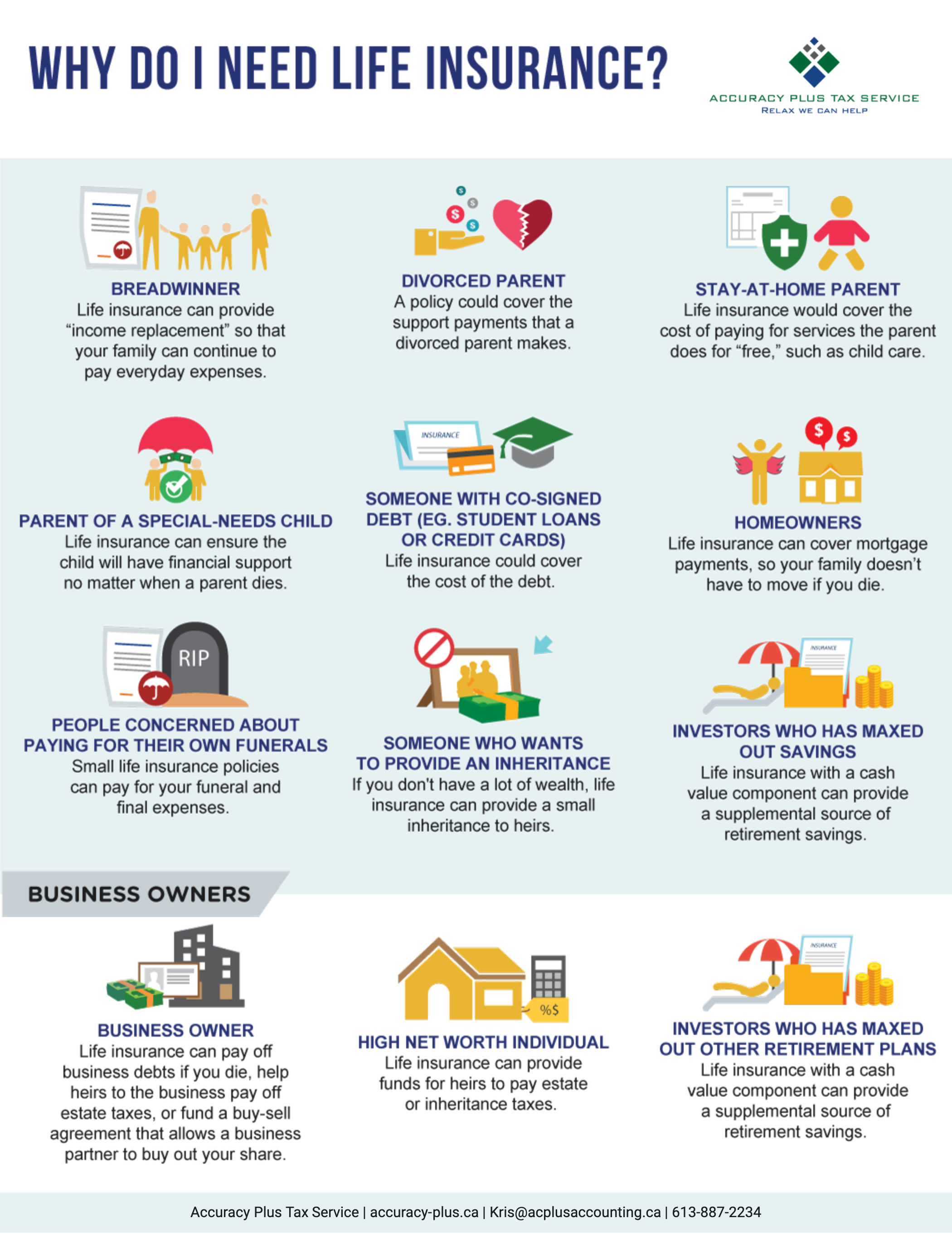
Life insurance should never exist in a vacuum. It is a vital component of your broader financial strategy. Before signing a contract, perform a holistic review of your assets.
If your primary goal is income replacement, prioritize a high-death-benefit Term policy. If you have already maxed out retirement contributions and are looking for tax-efficient ways to pass wealth to the next generation, a Whole Life policy may be the superior vehicle.
Furthermore, consider the tax implications. In many jurisdictions, life insurance death benefits are income-tax-free for beneficiaries, making them an efficient tool for covering potential estate taxes or ensuring liquidity for survivors who might otherwise be forced to sell non-liquid assets (like real estate) to pay taxes.
Frequently Asked Questions (FAQ)
What is the difference between "living benefits" and a standard death benefit?
A standard death benefit pays out only upon the death of the insured. Living benefits refer to riders that allow you to access a portion of that death benefit early if you are diagnosed with a covered chronic, critical, or terminal illness, helping to manage high medical costs.
Can I have multiple life insurance policies?
Yes. It is common to have a base level of coverage through an employer-sponsored group policy and a separate, individual policy that you own and control. Individual policies are often preferred because they are portable and not tied to your employment status.
How often should I review my life insurance policy?
You should conduct a policy audit every three to five years, or following major life events such as marriage, the birth of a child, a significant career change, or a change in your net worth. This ensures the coverage amount still meets your family’s needs.
Are premiums for life insurance tax-deductible?
Generally, no. For most individuals, life insurance premiums are considered a personal expense and are not tax-deductible. However, the proceeds paid to beneficiaries are typically free from federal income tax.
What happens if I stop paying premiums on a permanent policy?
If the policy has accumulated enough cash value, it may be possible to use that value to pay premiums (reduced paid-up insurance) or convert the policy. If there is insufficient cash value, the policy will lapse, and all coverage will terminate.
Next Steps: Actionable Guidance
To move forward, start by calculating your "Human Life Value"—a simple estimation of your future earnings potential that your family would lose if you were not there. Subtract your existing assets from this number to determine your required coverage amount.
Next, request a "specimen policy" from your potential insurer. This is a sample contract that allows you to read the fine print before you undergo the medical exam. If you are uncertain about the financial jargon, consult with a fee-only financial planner who is not incentivized by commissions to sell a specific product. This ensures that the advice you receive is aligned with your best interests, helping you secure a policy that truly earns the title of "really nice."