Pakistani weddings are vibrant, multi-day celebrations where music serves as the emotional and cultural heartbeat of the festivities. From the intimate, traditional rhythms of the Mehndi to the high-energy, contemporary dance performances of the Baraat and Walima, selecting the right music is essential for setting the tone. This guide provides an organized framework for curating a playlist that respects tradition while incorporating modern hits suitable for the 2026 wedding season.
The Rhythmic Foundation: Understanding Wedding Phases
Pakistani wedding music is rarely a one-size-fits-all playlist; it is segmented based on the specific event within the wedding cycle. Understanding these segments is the first step in successful planning.
The Mehndi and Dholki
The Mehndi is traditionally a female-centric event focused on joy, color, and anticipation. The music here is rooted in folk traditions. Central to this phase is the Dholak, a double-sided hand drum. Traditionally, women sit in a circle, play the Dholak, and sing folk songs known as Tappay and Sath.
In modern 2026, many families still perform these live, but the transition toward curated playlists of classic folk hits has become standard. These songs often feature lyrics about the bride’s departure, the groom’s family, or lighthearted banter between the two families. If you are hiring a DJ or curating a list, focus on "Gharoli" songs and traditional Mehndi tracks that invite group participation.
The Baraat and Reception
The Baraat is the groom’s wedding procession. Traditionally, this was marked by loud, brassy wedding bands playing folk-pop melodies. Today, the Baraat arrival is often choreographed. The music transitions from traditional instrumental "Sehra" music (which highlights the groom’s journey) to upbeat, high-energy pop songs as the groom enters the venue.
The Walima, or the reception hosted by the groom’s family, usually calls for a more sophisticated, orchestral, or instrumental soundtrack. While upbeat tracks are still common for the final exit, the mood during dinner is typically melodic, focusing on contemporary semi-classical or modern romantic ballads.
Categorizing Your Playlist: A Strategic Approach
When building your wedding library, it is helpful to categorize tracks to ensure your DJ or audio technician can navigate the flow of the night effectively.
| Category | Typical Tempo | Best For |
|---|---|---|
| Traditional Folk | Moderate | Mehndi, Dholki, early stage of festivities |
| Baraat Entrance | Fast/High Energy | Groom’s arrival, dance floor opening |
| Dance/Choreography | Fast | Sangeet, family dance routines |
| Romantic Ballads | Slow | Couple’s entrance, cake cutting, dinner |
| Instrumental | Variable | Background ambiance, venue entry |
Selecting the Right Tracks for 2026
While classic songs remain timeless, every year brings new chart-toppers and remakes that dominate the Pakistani wedding scene. In 2026, the trend leans toward "Neo-Tradition"—blending 1990s and 2000s classic hits with modern electronic beats or soulful acoustic covers.
Balancing Classics with Modern Hits
Do not feel pressured to play only the latest trending tracks. A successful wedding playlist is a multi-generational bridge. Older guests will appreciate the nostalgic folk songs of the 1970s and 1980s, while younger guests will want the latest releases.
When choosing songs for choreography, ensure they have a consistent beat. Songs that fluctuate in tempo are notoriously difficult for amateur dancers. If you find a song that you love but the tempo is off, look for "wedding edit" versions or "remixes," which often standardize the rhythm for easier dancing.
Practical Steps for Wedding Music Management
The technical delivery of music is just as important as the selection. Follow these steps to ensure your audio setup goes smoothly.
- Define Your Venue’s Requirements: Some venues have strict noise ordinances or preferred vendor lists. Confirm if you need to provide your own sound system or if the venue provides a house DJ.
- Verify Licensing and Permissions: If you are planning a large-scale event with professional video coverage, ensure that the songs selected for public broadcast or online posting do not trigger copyright strikes on social media platforms. While many wedding songs are standard, popular commercial hits may be subject to platform-specific restrictions.
- Create a "Do Not Play" List: This is often more important than your "Must Play" list. If there are specific songs or genres that don’t align with your family’s values or the atmosphere you want to create, communicate this clearly to your DJ or sound lead before the event.
- Test Your Audio Files: If you are using a digital playback system (such as a laptop or phone), ensure all files are high-quality (320kbps MP3 or WAV). Low-quality audio files will sound distorted on large venue sound systems.
- Assign a Point of Contact: Do not try to manage the music yourself during the wedding. Assign a trusted family member or a professional wedding planner to act as the liaison between the DJ and the stage events.
Common Pitfalls and Troubleshooting
A common mistake in Pakistani wedding music planning is volume management. Often, the volume is set too high during the "Mehndi" phase, making it impossible for guests to converse. Aim for a graduated volume increase: background music during dinner, a moderate increase during the bridal entry, and peak volume during the dance segments.
Another issue is the transition between tracks. Use a cross-fading feature if you are using a digital playlist. Silence between songs can "kill" the momentum on the dance floor. If you are working with a live DJ, ensure they understand the cultural cues—for instance, knowing exactly when to play "Mehndi" specific songs versus "Rukhsati" (departure) songs.
Frequently Asked Questions
How do I decide between a live band and a DJ? A live band provides a unique, authentic atmosphere and is highly recommended for the Mehndi and Dholki portions. A DJ is usually better for the Baraat and reception, as they can access a much larger library of recorded music and manage the transitions between various choreographed performances more seamlessly.
When should we start planning our music playlist? Ideally, begin building your master list three to four months before the wedding. This allows enough time to source high-quality tracks and coordinate with choreographers if you have planned group dances.
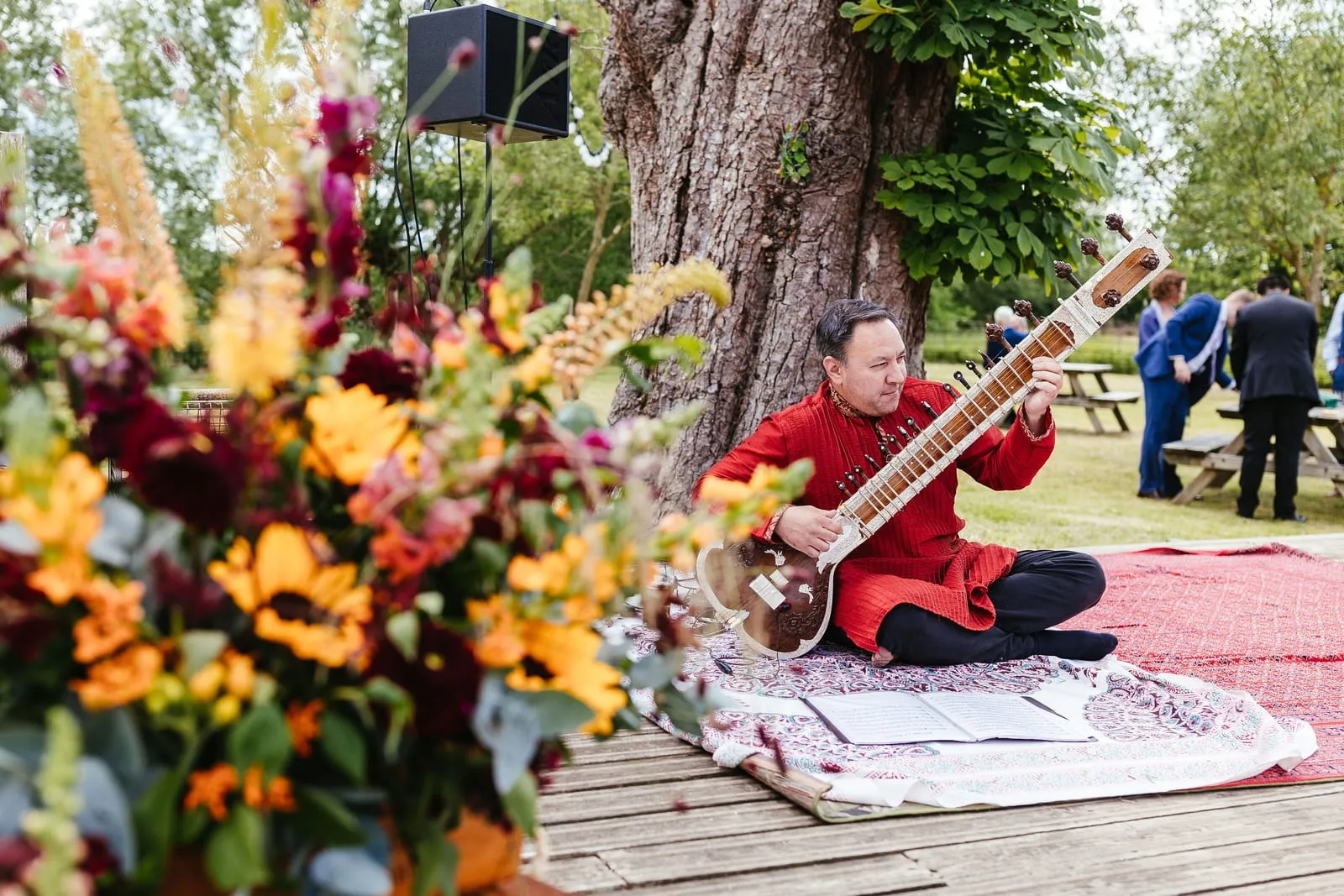
Can we use instrumental versions of popular songs for the bride's entry? Absolutely. Instrumental versions, particularly those played on instruments like the Sitar, Flute, or Piano, add a touch of elegance to the bride's entry. These are often preferred for more formal or outdoor settings where loud vocals might feel overwhelming.
What if our families have different musical preferences? This is common. The best strategy is to balance the playlist. If one side of the family prefers classic folk and the other prefers modern pop, intersperse the two styles throughout the event rather than blocking them entirely.
Should we hire a professional sound engineer? For small events, the built-in sound system is often sufficient. However, for large weddings (300+ guests), hiring a professional sound engineer ensures that the vocals from the Dholak or the DJ’s music are balanced, preventing audio feedback and ensuring every guest can hear the music clearly.
Final Recommendation
The most successful Pakistani wedding playlists are those that reflect the personalities of the couple while honoring the cultural legacy of the families. Prioritize quality over quantity; it is better to have a well-curated 3-hour list that transitions perfectly than a 10-hour list of disorganized tracks. Start by identifying the "must-have" cultural songs for the rituals and build your modern dance hits around that core. Once your list is finalized, test the audio on the venue’s system at least two weeks before the event to troubleshoot any technical inconsistencies.