Committing to a full-back family tattoo is rarely worth it because the extreme financial cost, the high probability of "portrait drift" as skin ages, and the immense physical toll of 40+ hours under the needle often outweigh the sentimental value. While the intent is to honor kin, the technical complexity of large-scale realism frequently leads to aesthetic regret or expensive, multi-year laser removal processes.
The decision to dedicate the largest "canvas" on the human body to a family-themed piece—whether it is a sprawling genealogical tree, a collection of hyper-realistic portraits, or a massive heraldic crest—is a monumental undertaking. In 2026, the tattoo industry has seen a surge in "mega-sessions" and large-scale realism, yet the rate of dissatisfaction among those who choose family themes for these specific projects remains disproportionately high. To understand why this specific tattoo choice is often a strategic error, one must analyze the intersection of dermatological science, artistic limitations, and the shifting nature of family dynamics.
The Technical Complexity of Large-Scale Realism
The human back is not a flat, static surface; it is a complex landscape of muscle, bone, and connective tissue that shifts constantly. When an artist attempts to place multiple family portraits across the shoulder blades, spine, and lower lumbar region, they are fighting against the natural mechanics of the body.
The Problem of Anatomy and Distortion
Realism requires a stable surface to maintain the proportions of a human face. On the back, even minor movements—reaching for an object, sitting with a curved spine, or breathing deeply—can distort the features of a tattooed relative. A portrait of a parent that looks perfect while the client is standing straight may appear sagging or bloated when the client moves their arms. Unlike a forearm or thigh, the back offers a massive area that is rarely seen by the wearer, meaning the owner cannot monitor the healing process effectively, often leading to patchy ink retention and loss of detail in crucial areas like the eyes or mouth.
The "Portrait Trap" in Tattooing
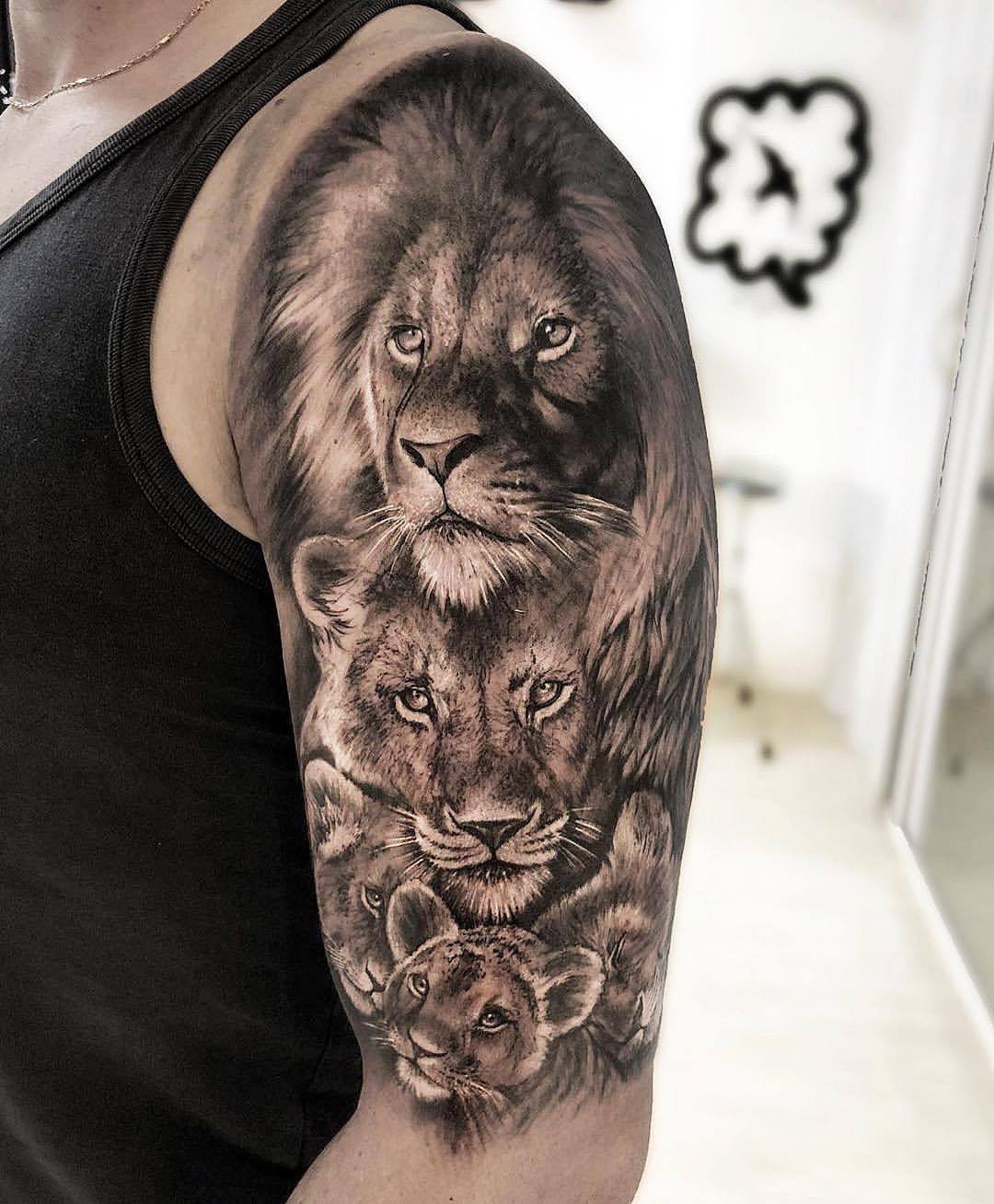
Family tattoos often rely on reference photos. In many cases, these photos are old, low-resolution, or taken in poor lighting. Asking a tattoo artist to translate a grainy 1980s polaroid into a 10-inch masterpiece on the back is a recipe for disappointment. If the artist lacks elite-level skill in portraiture, the result can easily veer into "uncanny valley" territory, where the tattooed face looks vaguely like the family member but possesses "off" proportions that become more glaring over time.
The Financial Burden and Time Investment in 2026
As of 2026, the cost of high-tier tattoo artistry has stabilized at a premium. For a project as significant as a full-back piece, seeking a "budget" artist is the primary cause of long-term regret.
Breaking Down the Costs
A full-back family tattoo is not a single-day event. It is a project that typically spans 6 to 12 months, requiring 5 to 10 sessions of 6 to 8 hours each.
| Expense Category | Estimated Cost (2026 USD) | Details |
|---|---|---|
| Artist Hourly Rate | $250 – $550 | Varies by artist reputation and geographic location. |
| Total Session Time | 40 – 60 Hours | Based on a full-coverage realism or illustrative design. |
| Deposit/Design Fee | $500 – $1,000 | Covers the intensive composition and reference gathering. |
| Aftercare Supplies | $150 – $300 | Medical-grade bandages, specialized soaps, and lotions. |
| Touch-up Sessions | Included or $200+ | Necessary for settling the ink and fixing minor fallouts. |
| Estimated Total | $10,000 – $33,000 | Total investment for a professional-grade masterpiece. |
The Opportunity Cost of Body Real Estate
Beyond the literal dollar amount, there is the "real estate" cost. The back is the most sought-after location for cohesive, large-scale art like Japanese Tebori or Neo-Traditional bodysuits. By filling this space with a family-themed design, the individual loses the ability to ever have a singular, cohesive masterpiece in that area. Many collectors find that while they loved the idea of a family tribute at age 25, by age 35, they would have preferred a more artistic, less literal composition for their largest body part.
Physical Longevity: How Aging Distorts Sentiment
The back is one of the most susceptible areas to physical change over a lifetime. While a tattoo is permanent, the "canvas" is not.
Weight Fluctuations and Skin Elasticity
Over the decades, the back undergoes significant changes due to weight gain, muscle loss, and the natural loss of collagen. For a family tattoo involving names or fine-line portraits, these changes can be devastating.
- Expansion: Weight gain in the midsection often pulls the skin on the lower back, stretching the bottom of the tattoo.
- Sagging: As the skin loses elasticity, vertical portraits can begin to "droop," making the faces of loved ones look aged or distorted.
- Sun Damage: Even though the back is often covered, incidental sun exposure during summers can blur the fine details of a realism piece. In 2026, even with advanced UV-resistant inks, the clarity of a portrait will inevitably fade, requiring expensive "re-packing" of ink every 10 to 15 years.
The Biological "Blur" (Phagocytosis)
The human immune system constantly views tattoo ink as a foreign invader. Macrophages—white blood cells—continually attempt to "eat" the ink particles and carry them away. This process, known as phagocytosis, causes the ink to migrate slightly over time. In a small tattoo, this is negligible. In a full-back family portrait, it means the sharp lines that define a grandmother’s smile or a child’s eyes will eventually soften and blur into the surrounding skin, losing the "likeness" that made the tattoo valuable in the first place.
The Psychological Weight of "Permanent Sentiment"
Perhaps the most overlooked reason a family back tattoo is rarely worth it is the emotional complexity of human relationships.
The Risk of Relationship Volatility
Family dynamics are rarely static. While we want to believe our bonds are unbreakable, estrangements, divorces, and family feuds are a reality of the human experience. Etching a massive tribute to a specific branch of a family tree can become a source of daily psychological distress if those relationships sour. Unlike a small name on a wrist that can be covered by a watch, a full-back piece is a permanent, inescapable reminder of a connection that may no longer exist in a healthy form.
The Burden of Grief
For many, these tattoos are memorials. However, having a hyper-realistic, life-sized image of a deceased loved one on one's body can sometimes hinder the grieving process. It keeps the trauma of the loss physically "present" in a way that some psychologists suggest can lead to prolonged grief disorder. Furthermore, it forces the wearer to explain the story of their loss every time they are at a pool or beach, which can be emotionally exhausting.
Common Pitfalls in Design Choice
When individuals do move forward with these tattoos, they often make choices that maximize the "worthless" nature of the investment.
- The "Collage" Effect: Trying to fit too many people into one space. This results in small, cluttered faces that do not age well.
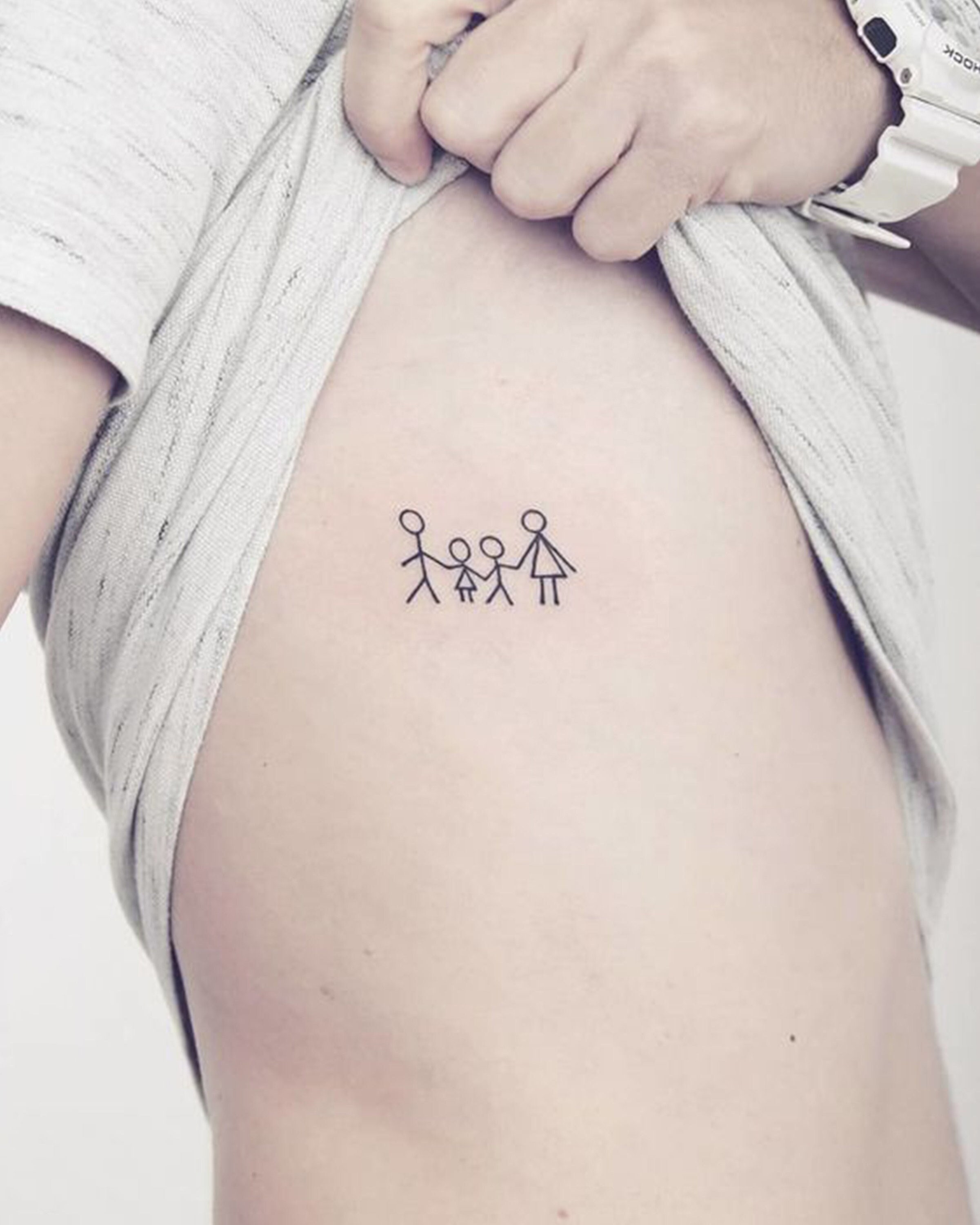
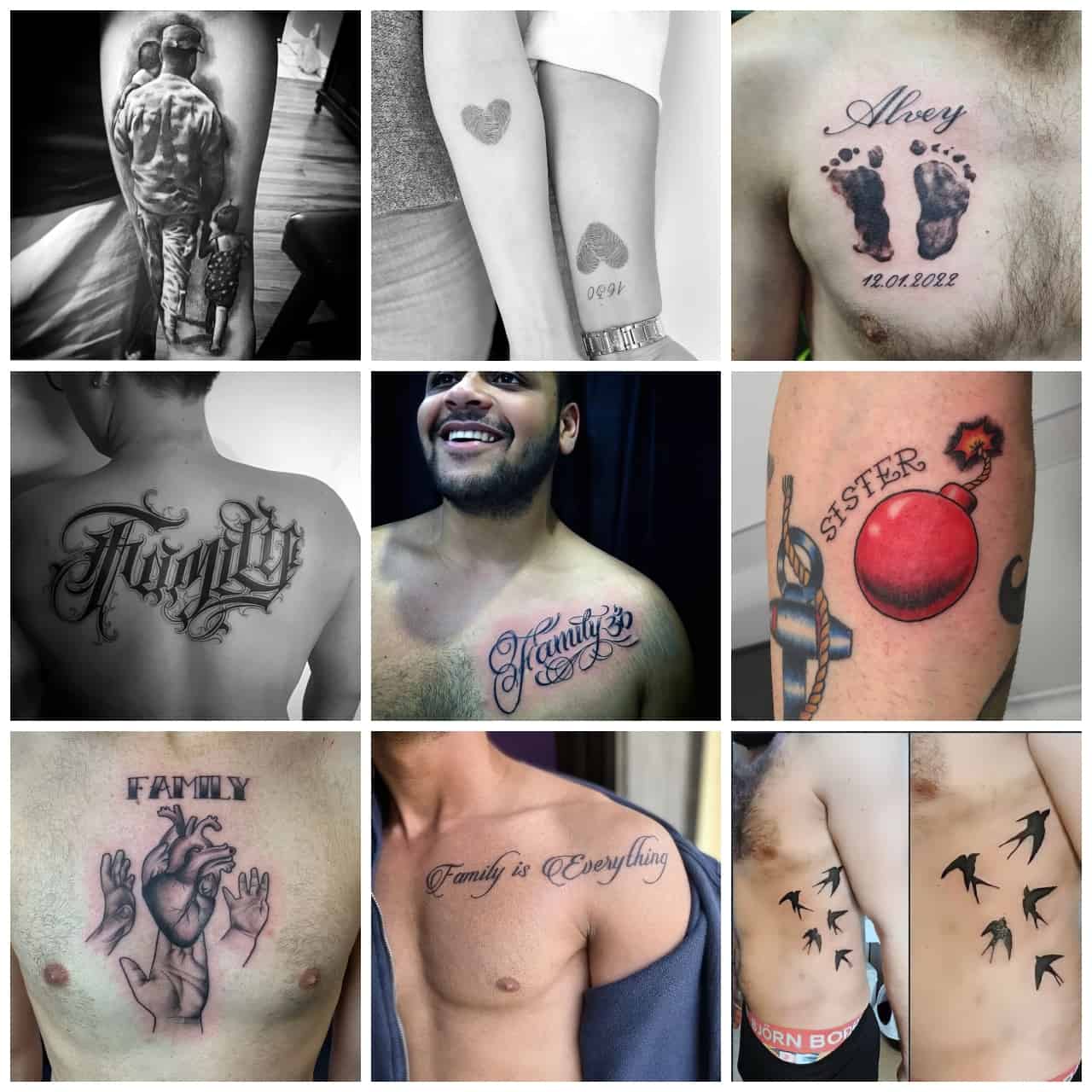
- Literalism vs. Symbolism: Choosing a literal photo of a family member rather than a symbol that represents them. Symbols (like a specific flower, a birthstone, or a landscape) are more aesthetically versatile and easier to adapt if the "worth" of the tattoo begins to fade.
- Incorrect Hierarchy: Placing the most important family member in a high-motion area (like the shoulder blade) while putting secondary decorative elements in the stable center of the back.
Alternative Ways to Honor Family Through Ink
If the goal is to celebrate family, there are more "worthwhile" ways to do so that avoid the pitfalls of the full-back commitment.
- Micro-Realism on Stable Limbs: Small, highly detailed portraits on the forearm or calf are easier to monitor, cheaper to execute, and less prone to the massive distortions seen on the back.
- Symbolic Sleeves: Using a sleeve (arm) to create a narrative of family history through symbols rather than faces. This allows for a more artistic flow and is generally more "readable" to the public.
- Cohesive Back-pieces with Subtle Tributes: A large-scale piece of art (like a dragon or a floral garden) can have small, hidden family tributes woven into the design. This preserves the "artistic worth" of the back while still satisfying the emotional need for a tribute.
Frequently Asked Questions
How painful is a full-back tattoo compared to other areas?
The back is a "mixed-bag" of pain. The center of the spine and the "ditch" of the lower back are among the most painful areas on the body due to the high density of nerves and the proximity to bone. The shoulder blades also cause a "vibration" sensation in the skeletal system that many find nauseating over long sessions. Compared to the arms or outer thighs, the back is significantly more difficult to endure for the 40+ hours required for a family-themed piece.
Can a full-back family portrait be laser-removed?
Technically, yes, but practically, it is a nightmare. In 2026, picosecond lasers are the standard, but removing a full-back piece would take 3 to 5 years and cost upwards of $20,000. Large-scale realism often uses "white highlights" and deep black packing; white ink can sometimes turn black or grey when hit by a laser, making removal unpredictable. It is far more difficult to remove than it is to apply.
Why do some artists refuse to do family portraits on the back?
Many elite realism artists avoid family portraits on the back because they cannot guarantee the "likeness" will hold up over time. If the client gains 20 pounds, the artist's work looks "bad" through no fault of their own. High-end artists often prefer to protect their reputation by suggesting placements that are more anatomically stable.
What is the "Halfway Regret" in large-scale tattoos?
This occurs around the third or fourth session when the client realizes the project will take another year to finish and thousands more dollars. Because family tattoos are emotionally charged, the "unfinished" look of a half-shaded portrait of a mother or child can be particularly unsettling for the wearer and their family members.
Is it better to get a family tree or individual portraits?
A family tree is generally a "safer" investment than portraits because it relies on graphic lines and typography rather than human features. However, trees are prone to "crowding" as new family members are born, often leading to an imbalanced design that looks cluttered after a few years.
Final Recommendation
Before committing to a full-back family tattoo, consult with a dermatologist about your skin's elasticity and an artist who specializes in large-scale composition—not just portraits. If you cannot afford an artist in the top 5% of the industry, or if you are not prepared for a multi-year financial and physical commitment, it is rarely worth it. Consider a smaller, symbolic piece that honors your family without sacrificing your body’s largest canvas to a project that is statistically likely to result in aesthetic or emotional dissatisfaction.