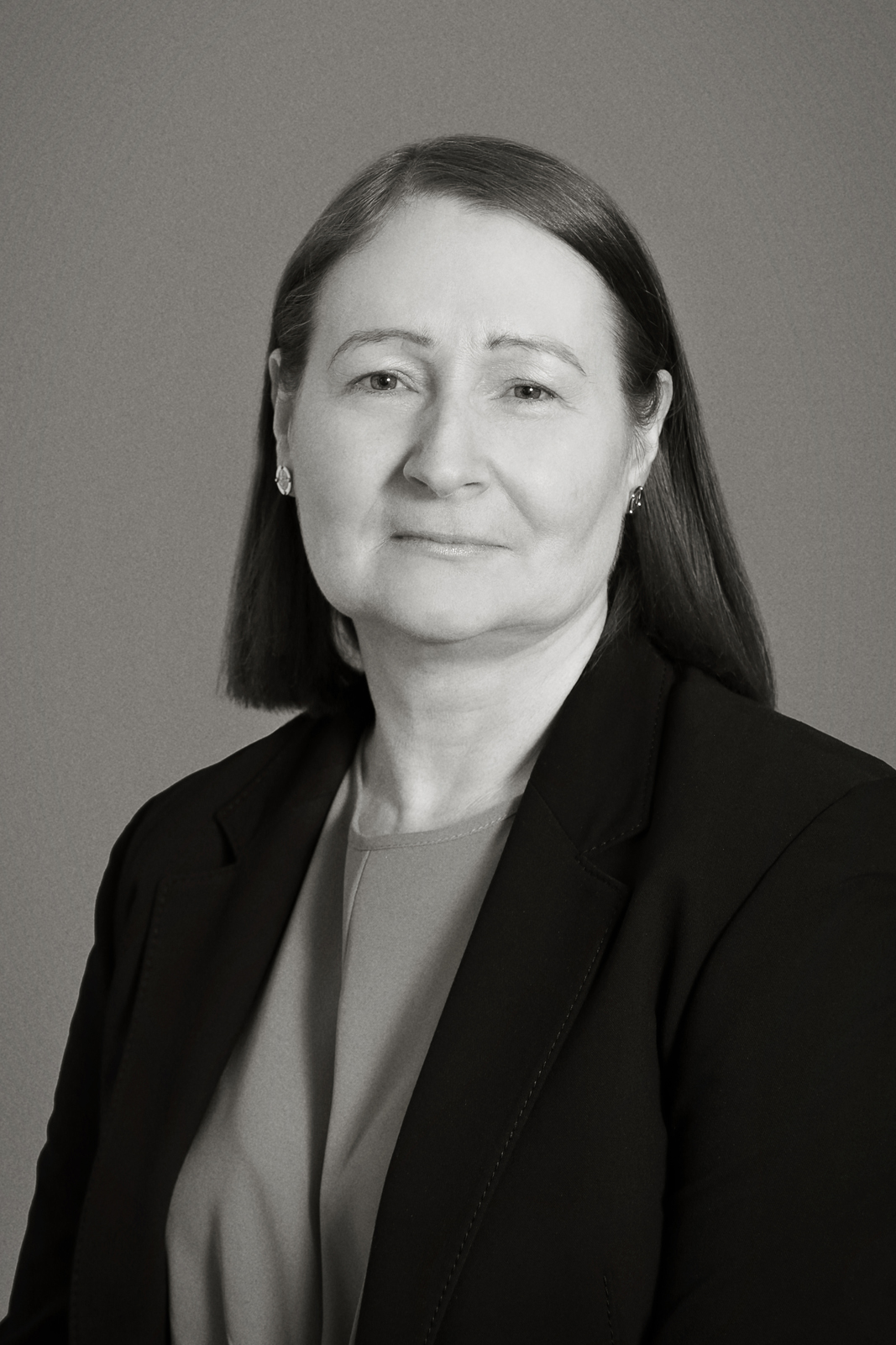
Dr. April Harper is a distinguished Professor of History specializing in medieval studies, with a primary focus on the intersections of medicine, gender, and social history. Currently serving as a senior faculty member at Coastal Carolina University, she is widely recognized for her academic publications, pedagogical excellence, and public history initiatives that bring medieval scholarship to modern audiences.
Academic Trajectory and Institutional Foundation
The career of Dr. April Harper is rooted in a deep-seated commitment to understanding the complexities of the Middle Ages. Her educational journey took her to the prestigious University of St Andrews in Scotland, an institution renowned for its rigorous medieval studies programs. It was here that she earned her Ph.D., focusing on the social and cultural history of the medieval period. This international academic background provided her with a unique perspective, blending North American historical methodologies with European archival traditions.
Upon joining the faculty at Coastal Carolina University (CCU), Dr. Harper quickly established herself as a cornerstone of the Department of History. As of 2026, her tenure at CCU has spanned over two decades, during which she has ascended to the rank of Professor. Her role involves not only intensive research but also a significant commitment to departmental leadership and student mentorship. She has been instrumental in shaping the medieval studies curriculum, ensuring that students are exposed to the nuances of pre-modern European history through a lens that is both critical and empathetic.
The institutional stability provided by CCU has allowed Dr. Harper to engage in long-term research projects that require years of archival work and linguistic expertise. Her presence has helped elevate the profile of the humanities at the university, proving that regional institutions can be centers for world-class historical scholarship.
Pioneering Research in Medieval Medicine
One of Dr. Harper’s most significant contributions to the field of history is her exhaustive research into medieval medical practices. Moving beyond the outdated trope that the Middle Ages were a "Dark Age" of medical ignorance, her work illuminates a period of profound intellectual curiosity and practical experimentation. Her research often explores how medieval people understood the human body, the causes of disease, and the efficacy of various treatments.
Dr. Harper’s scholarship frequently examines the "humoral theory," the dominant medical framework of the time, which posited that health was a balance of four bodily fluids: blood, phlegm, yellow bile, and black bile. She analyzes how this theory was not just a medical doctrine but a cultural one, influencing diet, lifestyle, and religious practice. By studying medieval medical manuscripts, some of which were written in Latin or vernacular languages, she has helped translate the "lived experience" of illness in the 12th through 15th centuries for a modern audience.
Furthermore, her work bridges the gap between science and religion. In the medieval mind, physical ailments were often inextricably linked to spiritual states. Dr. Harper investigates how the Church influenced medical ethics and how monastic infirmaries served as some of the earliest models for the modern hospital system. This holistic approach to medical history provides a more accurate and vibrant picture of medieval life than traditional narratives suggest.
Gender and Social Identity in the Middle Ages
Parallel to her work in medical history is Dr. Harper’s focus on gender and sexuality. She is a prominent voice in the study of how gender roles were constructed, reinforced, and occasionally subverted in medieval society. Her research often centers on the agency of women—both within the domestic sphere and in more public roles such as merchants, healers, and religious figures.
One of the central themes in her work is the concept of "the body" as a site of social control. She examines how legal and religious texts defined masculinity and femininity, and how those definitions dictated social hierarchies. However, she also uncovers stories of individuals who challenged these norms. For instance, her analysis of medieval literature and court records reveals a society that was often more preoccupied with the complexities of human relationships than the rigid caricatures often portrayed in popular media.
Her work on medieval sexuality is particularly noted for its nuance. By examining the writings of theologians alongside the practical realities found in secular records, she demonstrates the tension between the "ideal" Christian life and the "actual" practices of medieval Europeans. This research is vital for understanding the historical roots of modern Western views on gender and identity.
Major Publications and Scholarly Impact
Dr. Harper's influence is perhaps most visible through her extensive list of publications. Her books and edited volumes are staples in medieval history reading lists at universities worldwide. As an editor and contributor, she has a knack for synthesizing diverse academic voices into cohesive narratives that tackle large historical questions.
Key publications often associated with her work include:
- The Medieval Hospital: Research into the socio-religious functions of healing centers.
- Medicine and Religion in the Middle Ages: An exploration of the overlapping authorities of the priest and the physician.
- Gender and Sexuality in Medieval Europe: A comprehensive look at the social structures governing identity.
Beyond her own books, Dr. Harper has contributed dozens of articles to peer-reviewed journals such as The Journal of Medieval History and Speculum. These articles often focus on highly specific case studies—such as a particular medical recipe or a specific legal dispute—that serve as "micro-histories," providing a window into the broader social trends of the period. Her work is characterized by its meticulous attention to detail and its refusal to simplify the past for the sake of a convenient narrative.
Teaching Philosophy and Academic Mentorship
In the classroom, Dr. April Harper is known for a teaching style that is as demanding as it is rewarding. As a history professor in 2026, she has adapted her methods to include digital humanities tools, allowing students to engage with digitized medieval manuscripts and geographic information systems (GIS) to map historical events. However, her core philosophy remains rooted in the traditional "Socratic method," encouraging students to question primary sources and develop their own arguments.
Her courses at Coastal Carolina University range from broad surveys of Western Civilization to specialized seminars on the Black Death, the Crusades, and Medieval Women. She emphasizes the importance of empathy in history—reminding students that while medieval people lived in a world very different from our own, their motivations, fears, and aspirations were fundamentally human.
Mentorship is another critical component of her academic life. Dr. Harper has guided countless undergraduate and graduate students through the process of historical research. Many of her former students have gone on to pursue doctoral degrees or careers in public history, museum curation, and education. Her commitment to student success is reflected in the numerous teaching awards she has received throughout her career.
Public History and Media Engagements
Dr. Harper recognizes that history does not just belong in the ivory tower of academia. She is an active participant in public history, working to make medieval scholarship accessible to the general public. This is particularly important in an era where medieval imagery is often co-opted by various political and social movements.
She has appeared as a subject-matter expert in historical documentaries and has been a guest on popular history podcasts. These appearances allow her to debunk myths about the Middle Ages—such as the idea that people didn't bathe or that the earth was thought to be flat—and replace them with more fascinating, evidence-based truths. Her ability to translate complex academic concepts into engaging stories has made her a sought-after speaker for local community groups, libraries, and historical societies.
Furthermore, she has been involved in consulting for museums, helping to curate exhibits that provide a more inclusive and accurate representation of the Middle Ages. By focusing on the lives of ordinary people, children, and marginalized groups, she helps the public see the medieval period as a vibrant and diverse era that continues to shape our modern world.
Summary of Research Areas and Contributions
The following table outlines the primary pillars of Dr. April Harper’s academic work and their broader significance in the field of history.
| Research Pillar | Focus Area | Impact on the Field |
|---|---|---|
| Medieval Medicine | Humoral theory, herbalism, and the development of the early hospital. | Challenged the "Dark Ages" myth; highlighted the intellectual depth of pre-modern science. |
| Gender Studies | Female agency, social construction of masculinity, and legal status of women. | Provided a more nuanced view of medieval social hierarchies and individual identity. |
| Social History | Daily life, religious practices, and the experiences of marginalized groups. | Shifted focus from "Great Men" narratives to the lives of ordinary medieval Europeans. |
| Pedagogy | Critical thinking, primary source analysis, and digital humanities. | Trained a new generation of historians to use diverse tools for historical inquiry. |
| Public History | Media appearances, museum consulting, and community outreach. | Combated historical misinformation and promoted evidence-based public knowledge. |
The Enduring Relevance of Medieval Studies in 2026
One might ask why the study of a period that ended half a millennium ago remains relevant in 2026. For Dr. Harper, the answer lies in the fact that the Middle Ages laid the groundwork for modern Western society. From the development of universities and legal systems to the evolution of medical ethics and gender norms, the roots of the present are firmly planted in the medieval past.
Dr. Harper’s work reminds us that history is a continuous process of re-evaluation. As new archival materials are discovered and new analytical frameworks (such as environmental history or disability studies) are applied to the past, our understanding of the Middle Ages changes. Her career serves as a testament to the fact that the study of history is not about memorizing dates, but about understanding the human condition through time.
By examining the way medieval societies handled pandemics (like the Black Death) or how they integrated different cultural influences, Dr. Harper provides valuable context for the challenges we face today. Her work encourages a long-term perspective that is often missing from modern discourse, advocating for a deep, evidence-based understanding of where we came from to better understand where we are going.
Frequently Asked Questions
What is Dr. April Harper's primary area of expertise?
Dr. Harper is a specialist in medieval history, with specific expertise in the history of medicine, gender, and social structures. Her research often focuses on the 12th through 15th centuries in Europe, examining how people of that era understood their bodies, their health, and their social identities.
Where does Dr. April Harper teach?
She is a Professor of History at Coastal Carolina University (CCU) in Conway, South Carolina. She has been a member of the faculty there for over twenty years, contributing significantly to both the history department and the broader university community through her teaching and research.
Has Dr. Harper written any books?
Yes, Dr. Harper has authored and edited several influential works in the field of medieval studies. These include books on medieval hospitals, the intersection of medicine and religion, and the social history of gender. She also contributes regularly to leading academic journals in the field of history.
Why is her work on medieval medicine considered important?
Her work is vital because it refutes the idea that the Middle Ages was a period of total medical ignorance. By analyzing primary source manuscripts, she shows that medieval medicine was a complex, evolving field that combined classical knowledge with practical observation and religious belief, forming the early foundations of modern clinical practice.
Does she engage with the public outside of the university?
Yes, Dr. Harper is active in public history. She frequently speaks at public events, consults for museums, and appears as an expert in documentaries and on history podcasts. Her goal is to bring accurate historical knowledge to a wide audience and to dispel common myths about the medieval period.
What courses does she typically teach?
Dr. Harper teaches a wide range of courses, including introductory Western Civilization surveys and specialized upper-level seminars. Some of her most popular courses focus on the Black Death, the Crusades, the history of women in the Middle Ages, and the history of medicine.
Professional Recommendations and Resources
For those interested in following the work of Dr. April Harper or exploring the field of medieval history further, the following steps are recommended:
- Consult Academic Databases: Search for Dr. Harper’s articles in databases like JSTOR or Project MUSE. Her peer-reviewed work provides the most detailed look at her specific research findings.
- Visit Coastal Carolina University’s Website: The history department's faculty page often lists current projects, course offerings, and recent accolades for Dr. Harper.
- Explore Medievalists.net: This is a leading resource for public history where Dr. Harper’s work and interviews are occasionally featured. It provides a great gateway for those new to the field.
- Engage with Primary Sources: To understand the foundation of Dr. Harper's work, explore digitized versions of medieval manuscripts through the British Library or the Bibliothèque nationale de France.