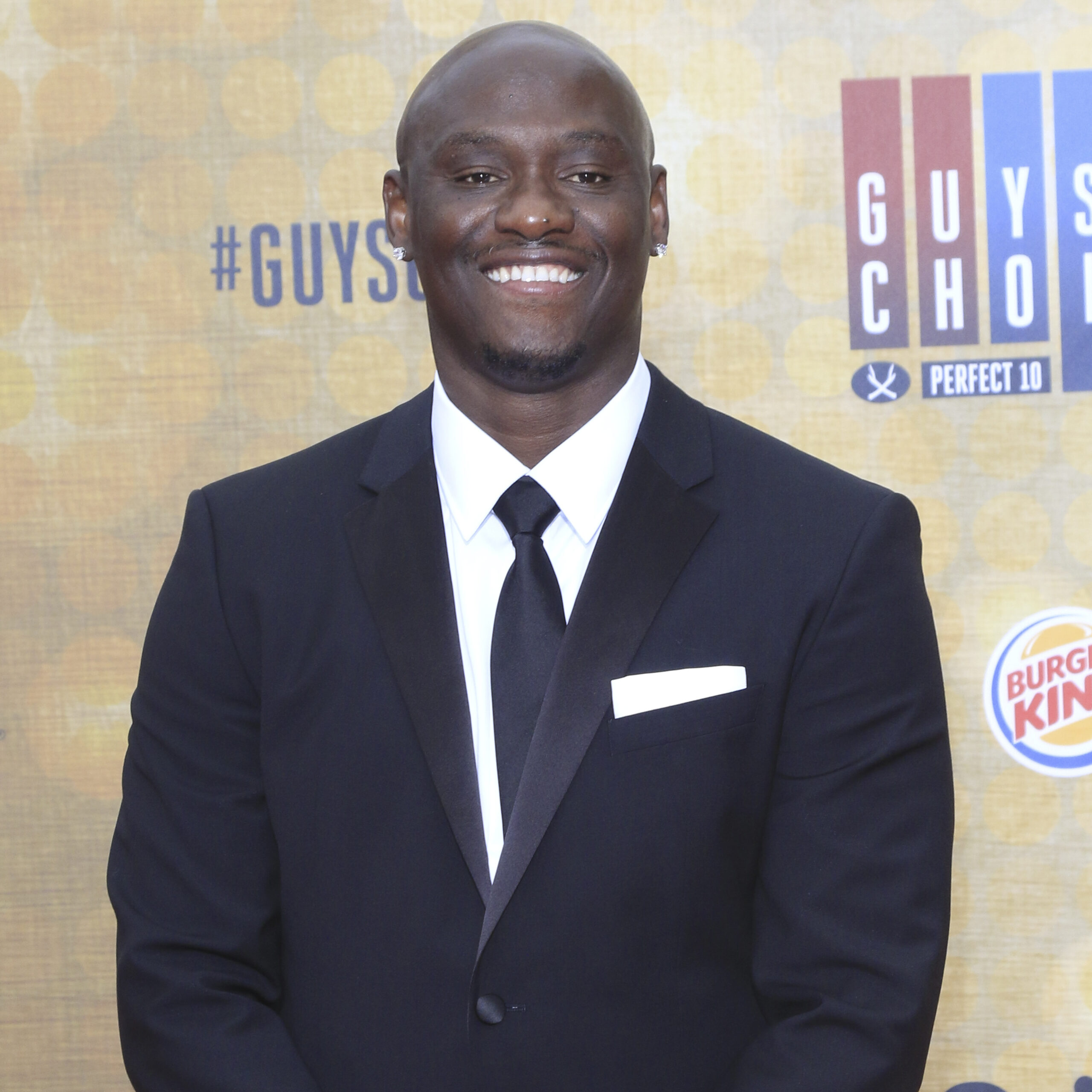
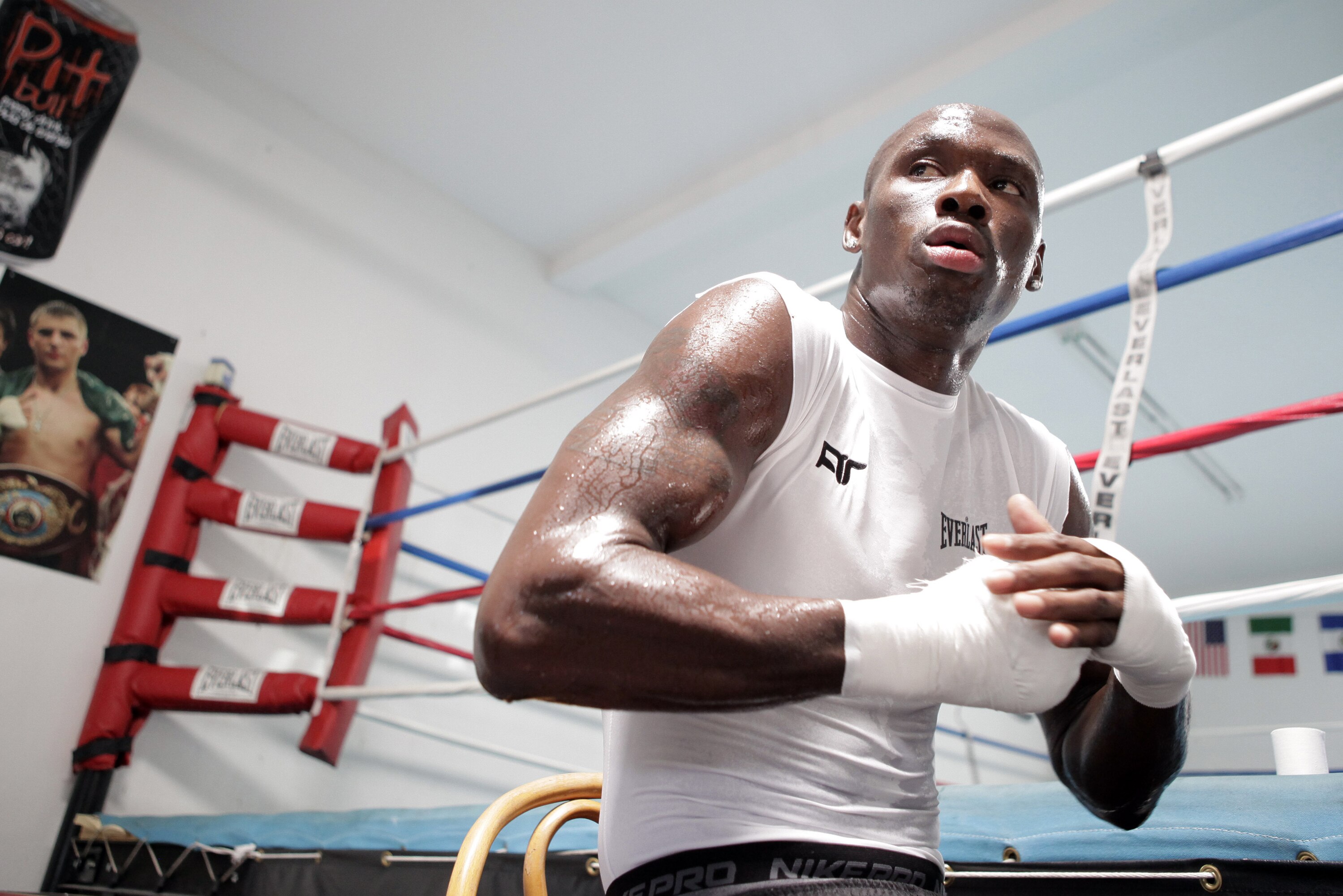
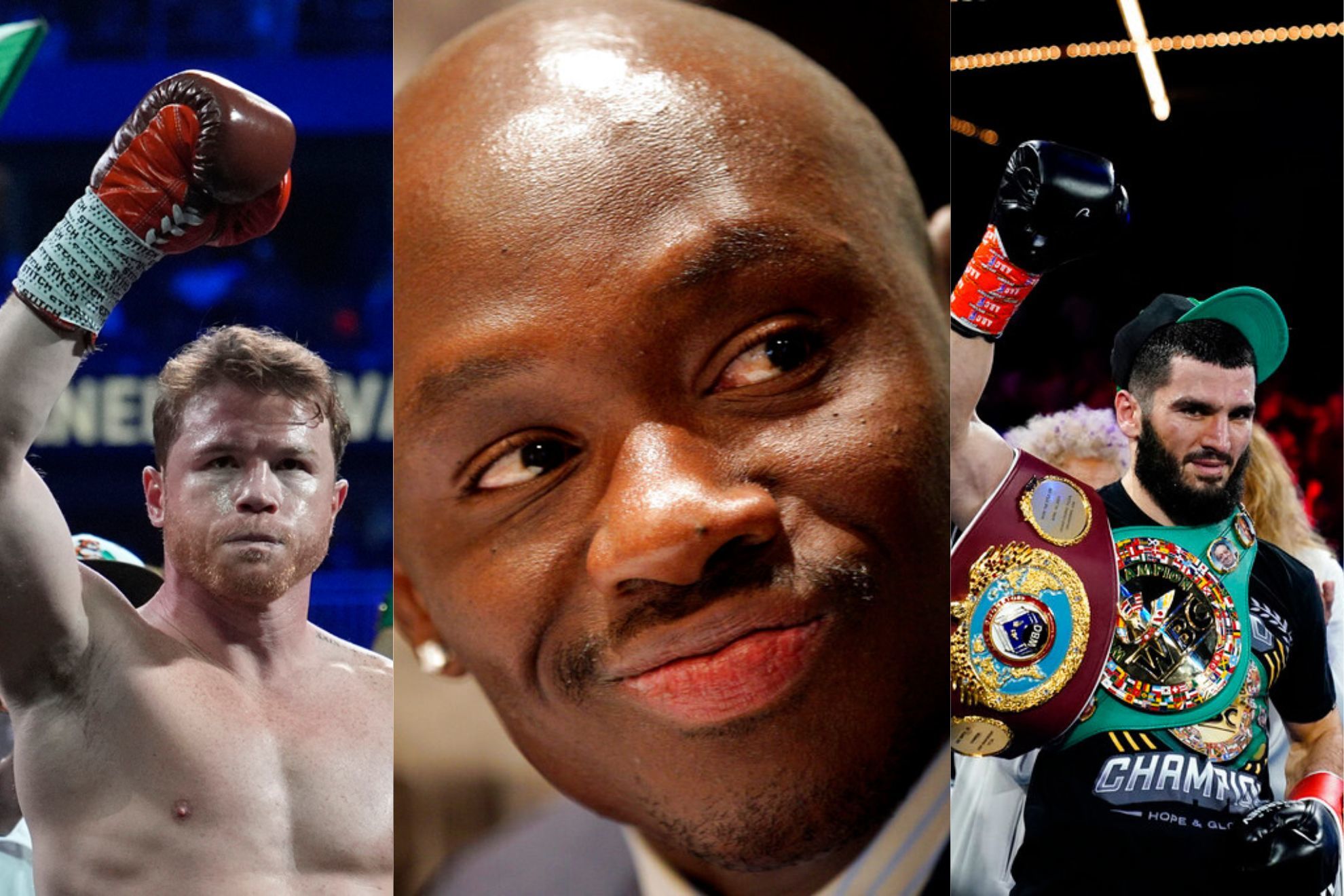
As of 2026, Antonio Tarver is 57 years old. Born on November 21, 1968, in Orlando, Florida, the legendary former multi-time light heavyweight world champion and Olympic medalist will celebrate his 58th birthday in late 2026. Despite his retirement from active professional competition, he remains a prominent figure in the boxing community.
Antonio Tarver’s journey is one of the most compelling narratives in modern boxing history. Known as "The Magic Man," Tarver’s career was defined by a late-blooming professional start, a high boxing IQ, and an uncanny ability to rise to the occasion during the biggest events of his era. To understand the significance of Antonio Tarver's age and his standing in 2026, one must look back at the decades of dedication that shaped the landscape of the light heavyweight division.
Early Life and the Path to the 1996 Olympics
Antonio Deon Tarver was born in the final years of the 1960s, a period that would eventually produce some of the greatest technical boxers in history. Growing up in Orlando, Florida, Tarver did not follow the traditional path of a teenage phenom who turned professional at 18 or 19. Instead, he cultivated a legendary amateur pedigree that served as the bedrock for his future success.
By the time Tarver reached his mid-20s—an age when many boxers are already deep into their professional careers—he was still dominating the amateur circuit. His amateur resume is one of the most decorated in American history. In 1995 alone, he achieved the rare feat of winning the Pan American Games, the World Championships, and the U.S. National Championships.
The pinnacle of his amateur career came in 1996 at the Atlanta Olympic Games. At age 27, Tarver represented the United States, earning a bronze medal in the light heavyweight division. It was here that he first showcased the smooth, southpaw style and counter-punching precision that would later define his professional reign. His decision to stay amateur as long as he did meant that by the time he made his professional debut in 1997, he was already nearly 29 years old—a "mature" prospect by industry standards.
The Professional Ascent and Light Heavyweight Dominance
Tarver turned professional on February 18, 1997, defeating Joaquin Garcia. Because of his age at the start of his pro career, Tarver and his team knew they had to move quickly. He didn't have the luxury of a decade-long "build-up" period. He needed to reach the world-class level within a few years to capitalize on his physical prime.
Throughout the late 1990s and early 2000s, Tarver climbed the rankings of the 175-pound division. He possessed a rare combination of height (6'2"), reach, and a devastating left hand. However, it wasn't just his physical attributes that made him dangerous; it was his confidence. Tarver believed he was the best in the world, even when the boxing public was focused on other superstars like Roy Jones Jr.
In 2002, at age 33, Tarver finally captured the vacant WBC and IBF light heavyweight titles by defeating Eric Harding in a rematch. This victory set the stage for the most significant rivalry of his career and one of the most famous trilogies in boxing history.
The Roy Jones Jr. Trilogy: Defining a Legacy
To discuss Antonio Tarver’s career without focusing on Roy Jones Jr. would be impossible. In 2003, Roy Jones Jr. was widely considered the pound-for-pound king of boxing. He had just moved up to heavyweight to defeat John Ruiz for a world title and was returning to light heavyweight to defend his crown against Tarver.
The First Encounter (November 2003)
At 34 years old, Tarver gave Jones the hardest fight of his career up to that point. Although Jones walked away with a majority decision victory, many observers believed Tarver had done enough to win. This fight established Tarver not just as a contender, but as the primary threat to the Jones era.
The Knockout Heard 'Round the World (May 2004)
The rematch in May 2004 provided the defining moment of Tarver's life. During the pre-fight instructions, Tarver famously asked Jones, "Got any excuses tonight, Roy?" In the second round, Tarver landed a monstrous overhand left that knocked Jones out cold. At age 35, Antonio Tarver became the undisputed king of the light heavyweight division and a mainstream sports celebrity.
The Third Fight (October 2005)
The trilogy concluded in 2005 with Tarver winning a clear unanimous decision. By defeating the man many thought was invincible, Tarver proved that his age was an asset—representing experience and psychological warfare—rather than a hindrance.
Aging in the Ring: The Later Career and Heavyweight Ambitions
Boxing is a young man’s game, but Antonio Tarver was an outlier. He continued to compete at a high level well into his 40s. Following the Jones trilogy, Tarver faced other legends, including Bernard Hopkins in 2006. Although he lost to Hopkins, Tarver remained a top-tier draw.
One of the most impressive aspects of Tarver’s later career was his move to the heavyweight division. As he entered his 40s, Tarver sought to prove that his skill set could transcend weight classes. In 2011, at age 42, he traveled to Australia and defeated Danny Green to win the IBO cruiserweight title.
His final professional bout took place in 2015 against Steve Cunningham. At age 46, Tarver fought to a split draw against a world-class opponent, demonstrating that "The Magic Man" still possessed the timing and defensive craft to compete with younger, faster men. Over his career, Tarver's longevity became a case study in how a disciplined athlete who relies on technique over raw athleticism can extend their shelf life in a brutal sport.
Antonio Tarver in Hollywood: Mason "The Line" Dixon
Tarver’s impact extended beyond the squared circle and into popular culture. In 2006, he was cast as the primary antagonist in the film Rocky Balboa, the sixth installment of the Rocky franchise. Tarver played Mason "The Line" Dixon, the reigning heavyweight champion who faces a comeback-seeking Rocky Balboa.
This role was significant because it allowed Tarver to showcase his personality to a global audience that might not have followed professional boxing. Even today, in 2026, he is often recognized by film fans as the man who went toe-to-toe with Sylvester Stallone's iconic character. The role mirrored his real-life status at the time: a dominant, somewhat underappreciated champion looking for the respect he felt he deserved.
Life at 57: Antonio Tarver’s Status in 2026
In 2026, Antonio Tarver has transitioned into the role of a respected elder statesman of boxing. Having retired from active competition nearly a decade ago, he has focused his energy on several key areas:
- Broadcasting and Analysis: Tarver has long been praised for his articulate and insightful breakdown of fights. In 2026, he remains a sought-after commentator, providing technical analysis that helps viewers understand the nuances of southpaw strategy and ring generalship.
- Mentorship and Training: Tarver has spent much of his time in his 50s working with younger fighters, particularly in Florida. He emphasizes the "sweet science"—the art of hitting and not getting hit—which served him so well during his own career.
- Fitness and Wellness: Despite his age, Tarver maintains a high level of physical fitness. He often shares insights into his training regimens, showing that a life dedicated to sport can lead to a healthy and vibrant retirement.
- Legacy Advocacy: Tarver is a frequent guest at boxing Hall of Fame events and conventions, where he advocates for better fighter health protections and retirement structures for the next generation.
Career Statistical Summary
The following table outlines the key milestones and statistics of Antonio Tarver’s professional career, providing context to his standing as a legendary figure in 2026.
| Category | Details |
|---|---|
| Full Name | Antonio Deon Tarver |
| Birth Date | November 21, 1968 |
| Age (in 2026) | 57 (turns 58 in Nov 2026) |
| Professional Record | 31 Wins (22 KOs), 6 Losses, 1 Draw |
| Division(s) | Light Heavyweight, Cruiserweight, Heavyweight |
| Major Titles Held | WBC, WBA, IBF, and Ring Magazine Light Heavyweight |
| Olympic Achievement | Bronze Medal (1996 Atlanta) |
| Notable Victories | Roy Jones Jr. (2x), Montell Griffin, Glen Johnson |
| Acting Career | Starred as Mason Dixon in Rocky Balboa (2006) |
The Technical Brilliance of "The Magic Man"
To truly appreciate Antonio Tarver at 57, one must understand why his style was so effective. Tarver was a "thinking man's" boxer. He did not rely on blistering speed or reckless aggression. Instead, he utilized:
- The Southpaw Advantage: As a left-handed fighter, Tarver was a master of the lead hand battle. He used his jab not just as a weapon, but as a measuring stick and a distraction.
- Counter-Punching Precision: Tarver’s best weapon was his counter left hand. He had a gift for timing an opponent's entry and catching them as they committed to their own attack. This was exactly how he defeated Roy Jones Jr. in their second fight.
- Ring Geometry: He understood how to cut off the ring and force opponents into positions where they were vulnerable. Even as he aged and his feet slowed down, his positioning remained elite.
- Psychological Fortitude: Tarver was never intimidated. Whether facing a legend like Jones or a younger powerhouse, he maintained a composure that often unnerved his opponents.
Frequently Asked Questions
How old was Antonio Tarver when he beat Roy Jones Jr.?
Antonio Tarver was 35 years old when he famously knocked out Roy Jones Jr. in May 2004. This victory is considered one of the greatest upsets in light heavyweight history, as it ended Jones’s long reign as the dominant force in boxing.
When was Antonio Tarver’s last professional fight?
Antonio Tarver's last official professional boxing match took place on August 14, 2015, against Steve Cunningham. The bout ended in a split-decision draw. Tarver was 46 years old at the time of the fight.
Did Antonio Tarver ever win a heavyweight world title?
While Tarver successfully competed in the heavyweight division and held titles at light heavyweight and cruiserweight, he never won one of the four major (WBA, WBC, IBF, WBO) heavyweight world championships. However, he played a fictional heavyweight champion, Mason Dixon, in the movie Rocky Balboa.
What is Antonio Tarver doing in 2026?
In 2026, Antonio Tarver is primarily involved in boxing media, serving as an analyst and commentator. He also remains active in training and mentoring young athletes, sharing the technical knowledge he acquired during his nearly 20-year professional career.
What is Antonio Tarver's birthday?
Antonio Tarver was born on November 21, 1968. This means that throughout most of 2026, he is 57 years old, and he will reach the age of 58 in late November 2026.
The Lasting Influence of a Light Heavyweight Icon
Antonio Tarver’s legacy is more than just his age or his win-loss record; it is about the standard of excellence he set for late-career athletes. In an era where many fighters retire by their early 30s, Tarver’s ability to remain a world-class threat into his mid-40s remains an inspiration.
In 2026, fans look back at "The Magic Man" not just as the man who defeated Roy Jones Jr., but as a technician who proved that intelligence and preparation can overcome the physical advantages of youth. His presence at ringside and in boxing broadcasts continues to educate a new generation of fans on the intricacies of the sport he helped define for over two decades.
Whether you remember him for his Olympic success, his championship reigns, or his role on the silver screen, Antonio Tarver remains a vital part of the boxing tapestry. As he approaches his 60th decade, his contributions to the "Sweet Science" are as clear and impactful as ever.