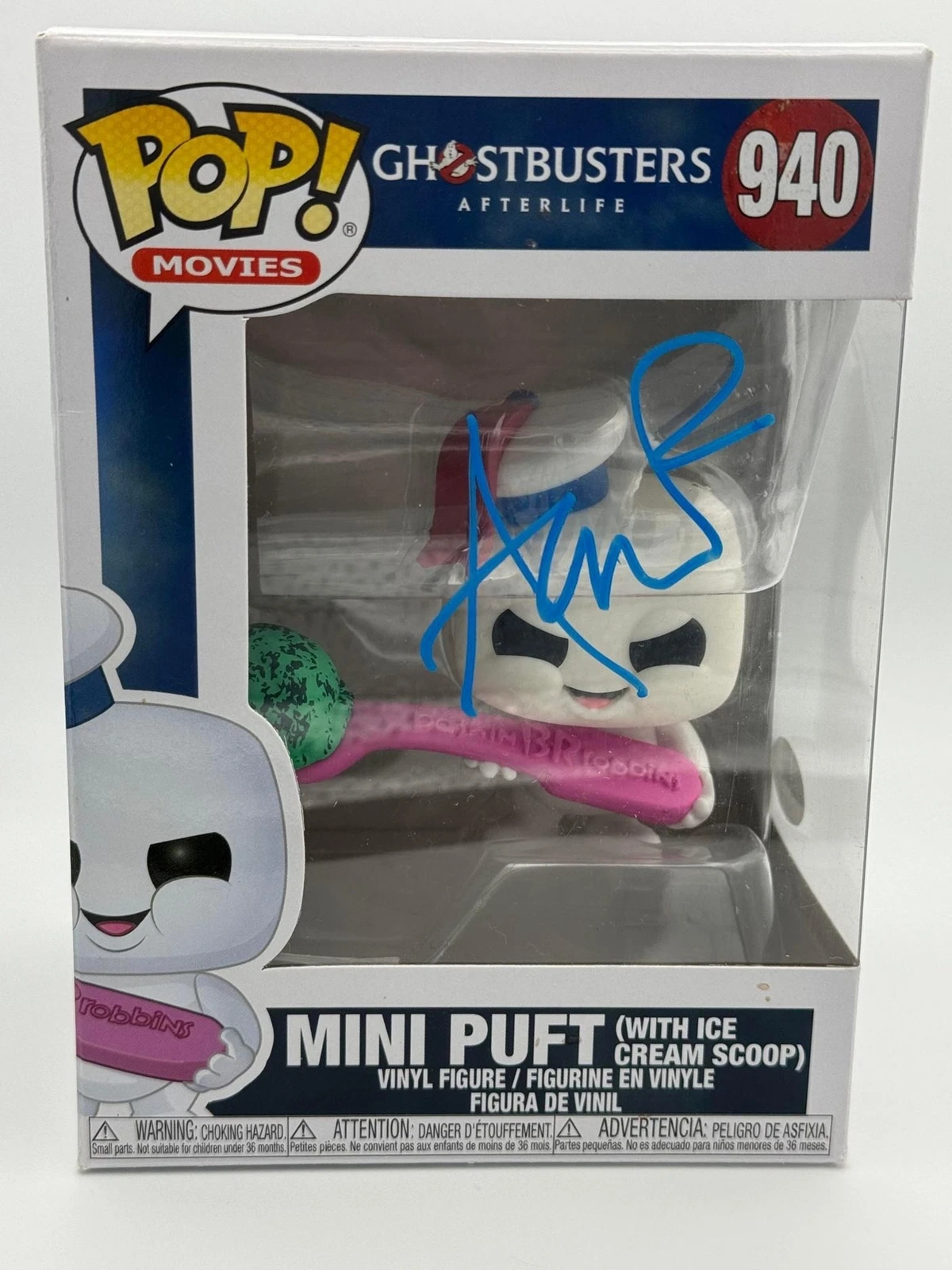
Annie Potts reprising her role as Janine Melnitz in Ghostbusters: Afterlife bridges the original 1984 continuity with the modern generation, serving as both an emotional anchor for legacy fans and a functional narrative bridge that validates the next generation of ghost hunters.
The Cinematic Context of Ghostbusters: Afterlife
When Ghostbusters: Afterlife premiered, it faced the monumental task of reviving a dormant, beloved cinematic universe while correcting the trajectory of a fractured franchise history. Directed by Jason Reitman—son of original director Ivan Reitman—the film shifted the setting from the bustling, chaotic streets of Manhattan to the sun-baked, isolated backdrop of Summerville, Oklahoma. This geographic and tonal shift allowed the story to focus on a new generation: Callie (Carrie Coon), Trevor (Finn Wolfhard), and Phoebe (Mckenna Grace), the descendants of original Ghostbuster Dr. Egon Spengler.
However, a legacy sequel cannot survive on novelty alone. It requires authentic connective tissue to assure audiences that the new narrative respects the established lore. While the eventual returns of Bill Murray, Dan Aykroyd, and Ernie Hudson delivered the expected third-act emotional crescendo, the film’s smaller, character-driven touchstones established its reverence for the past much earlier. Among these, the presence of Annie Potts as Janine Melnitz stands out as a masterclass in narrative efficiency, bridging the gap between the original desktop workers of New York and the rural mystery unfolding in Oklahoma.
Janine Melnitz: The Administrative Backbone of the Original Films
To understand why Annie Potts’s return matters, one must examine the vital function Janine Melnitz served in the original 1984 Ghostbusters and its 1989 sequel, Ghostbusters II. Janine was never just a receptionist answering phones with deadpan sarcasm; she was the unflappable anchor of the team. While Peter, Ray, Egon, and Winston ran into supernatural danger, Janine managed the front desk, organized the appointments, and eventually suited up herself in the animated series The Real Ghostbusters and toy lines.
| Franchise Era | Janine Melnitz's Role & Narrative Function |
|---|---|
| Ghostbusters (1984) | Sarcastic, street-smart secretary; operational anchor for the team |
| Ghostbusters II | Expanding administrative duties; subtle romantic arc with Egon |
| Afterlife (2021) | Secret benefactor/communicator with Egon; legacy bridge to family |
Potts brought a distinct New York grit and deadpan delivery that grounded the supernatural absurdity in working-class realism. Without Janine to field calls about wandering spooks, the Ghostbusters would have lacked both professional organization and a domestic grounding point in their Tribeca firehouse. Her dry wit provided a necessary counterweight to the academic eccentricity of Egon and the manic energy of Peter Venkman.
Anatomy of the Cameo: How Janine Fits into Afterlife
In Ghostbusters: Afterlife, Janine Melnitz does not appear as a full-time protagonist fighting Gozer’s minions on screen for two hours, but her presence is woven into the plot's emotional and logistical foundation. Her appearance occurs when Callie, Trevor, and Phoebe arrive at the dilapidated farmhouse left behind by the estranged Egon Spengler.
Janine arrives to handle the estate affairs, revealing a surprising historical continuity: she had been in contact with Egon for years. While the rest of the original team had drifted apart following Egon's self-imposed exile and obsessive warnings about Gozer's return, Janine remained a steadfast ally to him from afar. This revelation reframes Janine not merely as a nostalgic callback, but as an active participant in Egon’s long-term plan to save the world one last time.
By interacting with Callie—Egon’s estranged daughter—Janine acts as an emotional surrogate. She translates Egon’s cold, scientific obsession into understandable human stakes. Potts plays the scene with a softened maturity, trading some of her 1980s sharp-edged cynicism for a weathered, protective warmth that befits someone who has watched a historic team fracture and try to heal.
Why the Cameo Matters: Narrative, Emotional, and Meta-Fictional Impact
The importance of Annie Potts’s cameo extends across multiple levels of storytelling, fan service, and franchise architecture.
1. Validating the Spengler Family Dynamic
Callie Spengler enters the story harboring deep resentment toward an absentee father who abandoned her for scientific theories about supernatural apocalypse. Janine’s presence provides crucial exposition without relying on clunky dialogue. She explains that Egon didn't leave because he didn't care; he left because he was trying to protect everyone. Janine's testimony bridges the emotional gap between grandfather and granddaughter, preparing Phoebe to accept her inheritance as a scientist and a Ghostbuster.
2. Honoring Harold Ramis and Egon’s Legacy
The shadow of Harold Ramis—who passed away in 2014—hangs heavy over Ghostbusters: Afterlife. Because Egon’s physical presence in the narrative had to be handled through digital effects and stand-ins until the emotional climax, having familiar actors from his inner circle interact with his bloodline was essential. Janine’s deep-seated bond with Egon provides the emotional proxy needed to honor his character accurately. When Janine speaks of Egon, the reverence in Potts's performance feels genuinely personal, reflecting decades of professional and fictional history.
3. Bridging the Generation Gap
Modern legacy sequels often struggle to balance honoring legacy characters with giving new actors room to breathe. Some films sideline original casts entirely, while others turn them into distracting caricatures. Ghostbusters: Afterlife avoids this trap by using Janine sparingly. Her brief appearance establishes trust with veteran viewers before passing the baton entirely to Mckenna Grace, Finn Wolfhard, and Paul Rudd. Janine tells the audience: We see your history, we respect it, and now we are handing the keys over to the kids.
Common Misconceptions About Legacy Cameos in Franchise Films
When analyzing cameos in modern blockbusters, critics often lump them into categories of empty fan service or nostalgia bait. However, distinguishing between exploitative nostalgia and functional continuity is vital for understanding why Potts's appearance succeeds.
- Not Just a Quick Gag: Unlike celebrity cameos inserted for a quick laugh, Janine’s scene advances the plot, explaining the mechanics of the farmhouse mortgage and Egon's isolation.
- Character Evolution: Janine is not frozen in 1984; she reflects the passage of time, showing emotional maturity and loyalty that evolved off-screen over three decades.
- Structural Necessity: Without Janine to establish the financial and historical reality of Egon’s final years in Oklahoma, the transition from New York ghost catchers to rural mystery solvers would lack grounding.
The Broader Impact on the Ghostbusters Universe
Annie Potts’s return set a precedent for how legacy characters could re-enter the fold in subsequent installments, such as Ghostbusters: Frozen Empire. By proving that secondary characters could carry emotional weight just as effectively as the primary leads, the filmmakers opened the door for expanded world-building. Janine’s progression from skeptical secretary to active administrative keeper of the flame culminates in her donning the proton pack herself in later sequences—a satisfying payoff for fans who watched her answer phones for decades.
Her cameo reminds audiences that franchises endure not because of digital effects or high-concept sci-fi lore, but because of the people who inhabited those worlds. Potts’s distinct cadence and grounded demeanor ensure that even when facing ancient Sumerian gods, the franchise never loses its human touch.
Frequently Asked Questions
What role does Annie Potts play in Ghostbusters: Afterlife?
Annie Potts reprises her role as Janine Melnitz. She appears at Egon Spengler’s abandoned Oklahoma farmhouse to settle his estate affairs, revealing that she maintained secret contact with him during his years of isolation and helping his estranged family understand his mission.
Why is Janine Melnitz important to the original Ghostbusters films?
In the 1984 original and its 1989 sequel, Janine serves as the administrative backbone of the Ghostbusters business. Her deadpan delivery, sharp wit, and loyalty provided essential comedic contrast and operational grounding for the eccentric scientists.
Did Annie Potts return for Ghostbusters: Frozen Empire?
Yes. Following her pivotal bridge cameo in Ghostbusters: Afterlife, Annie Potts returned in Ghostbusters: Frozen Empire with an expanded role that included suiting up in full gear to join the active field operations.
How does Janine’s cameo help bridge the generational divide in the movie?
Janine acts as an emotional proxy for Egon Spengler. By explaining Egon's true motivations to his skeptical daughter Callie, she helps heal generational trauma and validates young Phoebe Spengler’s scientific pursuits.
Is Janine Melnitz a Ghostbuster?
While originally the receptionist and secretary, Janine was established as an active team member in expanded media like The Real Ghostbusters animated series. Ghostbusters: Afterlife and its sequels honor this by integrating her deeper into the operational and protective legacy of the team.
Next Steps and Viewing Recommendations
To fully appreciate the narrative weight of Annie Potts’s performance, viewers should watch the films in chronological order: starting with Ghostbusters (1984), proceeding through Ghostbusters II (1989), and concluding with Ghostbusters: Afterlife (2021). Pay close attention to how Janine’s relationship with Egon Spengler evolves across the decades from light workplace banter to profound, unwavering loyalty.