Ann Y.K. Choi is a prominent Korean-Canadian author best known for her critically acclaimed debut novel, Kay’s Lucky Coin Variety. Based in Toronto, her work explores the complexities of the immigrant experience, generational conflict, and cultural identity. She is widely recognized for her contributions to contemporary Canadian literature and her role as a dedicated educator.
Identifying the Author: Ann Y.K. Choi and the Canadian Literary Landscape
When researching "Anne Choi the Canadian author," readers are almost certainly looking for Ann Y.K. Choi. While the spelling "Anne" is a common search variation, the author publishes under the name Ann Y.K. Choi. She has established herself as a vital voice in the Canadian "diaspora" narrative, joining the ranks of other influential writers who document the specific struggles and triumphs of first- and second-generation immigrants in Canada.
Choi’s journey into the literary world was not an overnight success but rather a culmination of years of academic rigor, professional teaching, and a deep-seated desire to represent the Korean-Canadian community. Born in South Korea, she immigrated to Canada with her family in 1975, settling in Toronto. This transition—from the familiar landscapes of Korea to the bustling, often isolating environment of a 1970s Canadian city—serves as the foundational bedrock for her storytelling.
As of 2026, Choi remains a significant figure in Toronto’s cultural circles. Her work continues to be studied in high schools and universities across Ontario, not only for its literary merit but for its sociological insight into the "variety store" culture that defined the lives of thousands of Korean immigrants during the late 20th century.
The Debut Masterpiece: Kay’s Lucky Coin Variety
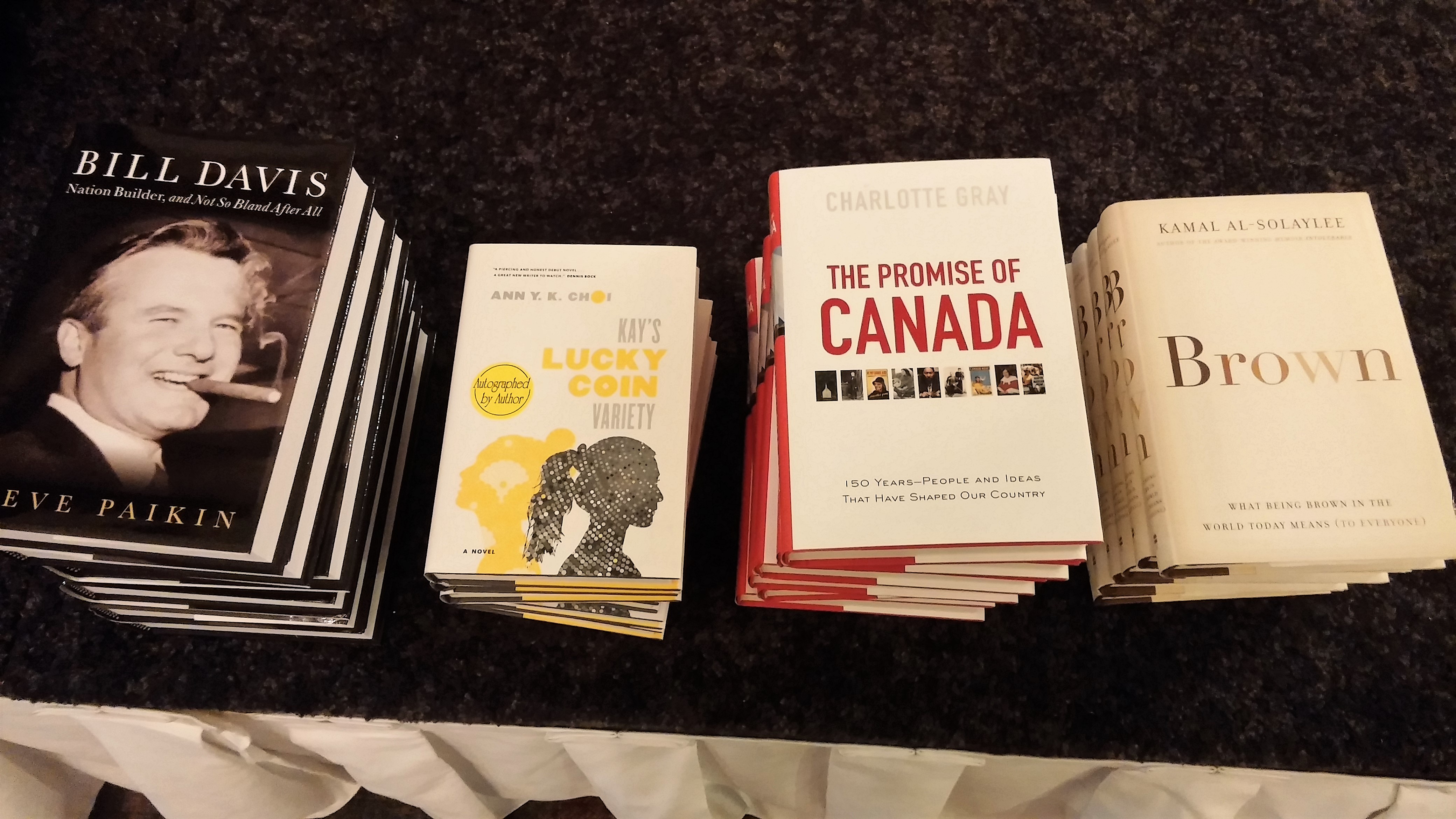
The cornerstone of Choi's literary reputation is her debut novel, Kay’s Lucky Coin Variety, published by Simon & Schuster. The novel is a poignant coming-of-age story that resonates with anyone who has felt caught between two worlds.
Plot and Setting
Set primarily in the 1980s, the story follows Mary Yu (known by her Korean name, So-hee). Her family runs a "variety store" (a common Canadian term for a convenience store) in a tough downtown Toronto neighborhood. The store is more than just a place of business; it is a cage that traps the family in a cycle of endless labor, yet it is also the vehicle for their survival.
Mary struggles with the conflicting expectations of her parents, particularly her mother, who views academic and financial success as the only ways to justify the family's migration. Mary’s internal conflict—wanting to pursue her own artistic and personal desires while feeling the crushing weight of filial piety—is the driving force of the narrative.
Critical Reception and Recognition
Upon its release, the novel was met with significant praise for its authenticity and its refusal to sugarcoat the immigrant experience. It was named a finalist for the Toronto Book Award, a prestigious honor that recognizes books of high literary merit that are evocative of Toronto. The book was also a "Top 10" selection for CBC Books and a finalist for the Evergreen Award.
Critics noted that Choi’s writing captures the specific sensory details of 1980s Toronto—the sounds of the subway, the smell of the variety store, and the cold reality of the city's class divides. By focusing on a specific ethnic enclave, she managed to create a story with universal appeal.
Themes of Identity and the "Hyphenated" Canadian Experience
Choi’s work is a profound exploration of what it means to be a "hyphenated" Canadian. Her writing moves beyond the surface-level tropes of cultural festivals and food, instead diving into the psychological toll of assimilation.
The Variety Store as a Cultural Symbol
In Canadian literature and media (most notably seen in Kim’s Convenience), the variety store serves as a liminal space. It is where the immigrant family interacts with the "outside" world. In Choi's work, the store represents the "immigrant dream" turned into a grueling reality. She details the "seven-days-a-week" work ethic and the way the physical space of the store dictates the family’s social standing.
Generational Conflict
A recurring theme in Choi's writing is the tension between the "Issei" (first generation) and "Nisei" (second generation). Her characters often grapple with:
- Language Barriers: The frustration of translating not just words, but cultural nuances for parents.
- The Debt of Sacrifice: The feeling that the children owe their lives and career choices to their parents because of the hardships the parents endured.
- Shifting Values: The clash between traditional Korean Confucian values and the burgeoning individualism of Canadian youth culture.
Academic Background and Professional Contributions
Ann Y.K. Choi is not only a novelist but also a highly educated scholar and a professional educator. Her academic path significantly influenced the precision and depth of her prose.
Education
Choi holds multiple degrees that have informed her worldview:
- Bachelor of Arts (B.A.): Providing a broad foundation in the humanities.
- Bachelor of Education (B.Ed.): Which led to her long-standing career with the Toronto District School Board (TDSB).
- Master of Fine Arts (MFA) in Creative Writing: Obtained from the University of Guelph. It was during her MFA program that the seeds of Kay’s Lucky Coin Variety began to sprout, benefiting from the mentorship of established Canadian authors.
- Master of Social Work (MSW): From the University of Toronto. This degree is particularly telling of her interest in human behavior, family dynamics, and the systemic challenges facing marginalized communities.
Impact as an Educator
As a teacher in Toronto, Choi has spent years working with diverse student populations. This firsthand experience with youth from various backgrounds allowed her to craft the voice of "Mary" in her novel with such accuracy. She is an advocate for "own voices" literature in the classroom, encouraging students to see their own lives reflected in the books they read.
Comparing Ann Y.K. Choi’s Work to Contemporary Peers
To understand Choi's place in the literary world, it is helpful to see how her work aligns with other major Canadian authors of the same era.
| Feature | Ann Y.K. Choi (Kay's Lucky Coin Variety) | Wayson Choy (The Jade Peony) | Kim Thúy (Ru) |
|---|---|---|---|
| Cultural Focus | Korean-Canadian (1980s) | Chinese-Canadian (1930s/40s) | Vietnamese-Canadian (1970s+) |
| Primary Setting | Modern Toronto | Vancouver Chinatown | Quebec / Montreal |
| Narrative Style | Linear, Coming-of-Age | Interconnected perspectives | Fragmented, Poetic prose |
| Key Symbol | The Variety Store | The Jade Peony / Steptown | The Boat / Red Beads |
| Major Award | Toronto Book Award Finalist | Trillium Book Award Winner | Governor General's Award |
The Socio-Political Context of 1980s Toronto
To fully appreciate why Ann Y.K. Choi is an important Canadian author, one must understand the era she documents. The 1980s was a period of significant demographic shift in Toronto. Following the removal of explicitly racist immigration quotas in the late 1960s, the 1970s and 80s saw a massive influx of immigrants from East Asia.
Choi captures the "growing pains" of a city trying to live up to its new multicultural image. Her characters face overt and subtle racism, the struggle of professionals who were doctors or teachers in Korea being forced to work manual labor in Canada, and the intense pressure to "fit in." By documenting this specific timeframe, Choi provides a historical record of the Korean-Canadian community's roots in the city.
Frequently Asked Questions (FAQ)
Is Ann Y.K. Choi still writing?
Yes, as of 2026, Ann Y.K. Choi remains active in the literary community. While Kay’s Lucky Coin Variety remains her most famous work, she continues to contribute to anthologies, literary journals, and public speaking engagements regarding education and immigration. She has often spoken in interviews about the "long game" of writing and the importance of taking time to produce meaningful work.
What is the difference between "Ann Y.K. Choi" and "Anne Choi"?
"Ann Y.K. Choi" is the official author name used on her published books and professional academic records. "Anne Choi" is a frequent misspelling or variant used by readers. It is important to use the middle initials "Y.K." when searching for her academic papers or specific literary citations to distinguish her from other individuals with similar names.
Has Kay’s Lucky Coin Variety been adapted for film or television?
While there has been significant interest in adapting the novel given the success of other Korean-Canadian stories like Kim’s Convenience, there are no officially released film versions as of 2026. However, the book's narrative structure and vivid Toronto setting make it a frequent candidate for "Canada Reads" discussions and potential future adaptation.
What are the main awards Ann Y.K. Choi has won?
Ann Y.K. Choi’s debut novel was a finalist for the Toronto Book Award (2016). It also received the Evergreen Award nomination and was recognized as a CBC Books "New Face of Fiction." These accolades are significant as they place her work among the top tier of regional and national storytelling in Canada.
Where can I find Ann Y.K. Choi’s books?
Her work is widely available through major retailers such as Indigo and Amazon, as well as through independent bookstores across Canada. Because her work is a staple of Canadian literature, it is also highly accessible through the Toronto Public Library and other municipal library systems across the country.
Recommendations for Readers and Researchers
If you are a student, researcher, or a casual reader interested in the work of Ann Y.K. Choi, the best starting point is undoubtedly Kay’s Lucky Coin Variety. To gain a deeper understanding of her influence:
- Read the Novel in Context: Pair your reading with historical research on the Bathurst and Bloor area of Toronto during the 1980s, which is the heart of the city's first "Koreatown."
- Explore the Toronto Book Awards Archives: Review the other finalists from 2016 to see how Choi’s work compared to other urban narratives of that year.
- Support Own Voices: If you are an educator, consider including Choi's short stories or novel excerpts in curriculum units focusing on identity, as her background as a teacher ensures the material is both engaging and pedagogically sound.
- Follow Canadian Literary Journals: Look for Choi's contributions to publications like The New Quarterly or Ricepaper Magazine, where she and other Asian-Canadian writers often share shorter, experimental pieces.
Ann Y.K. Choi represents the power of the "immigrant daughter" narrative. Her success serves as an inspiration for many young writers who see their own families' struggles reflected in her prose. By giving a voice to the quiet laborers of the variety store, she has ensured that a vital piece of Canadian history is never forgotten.