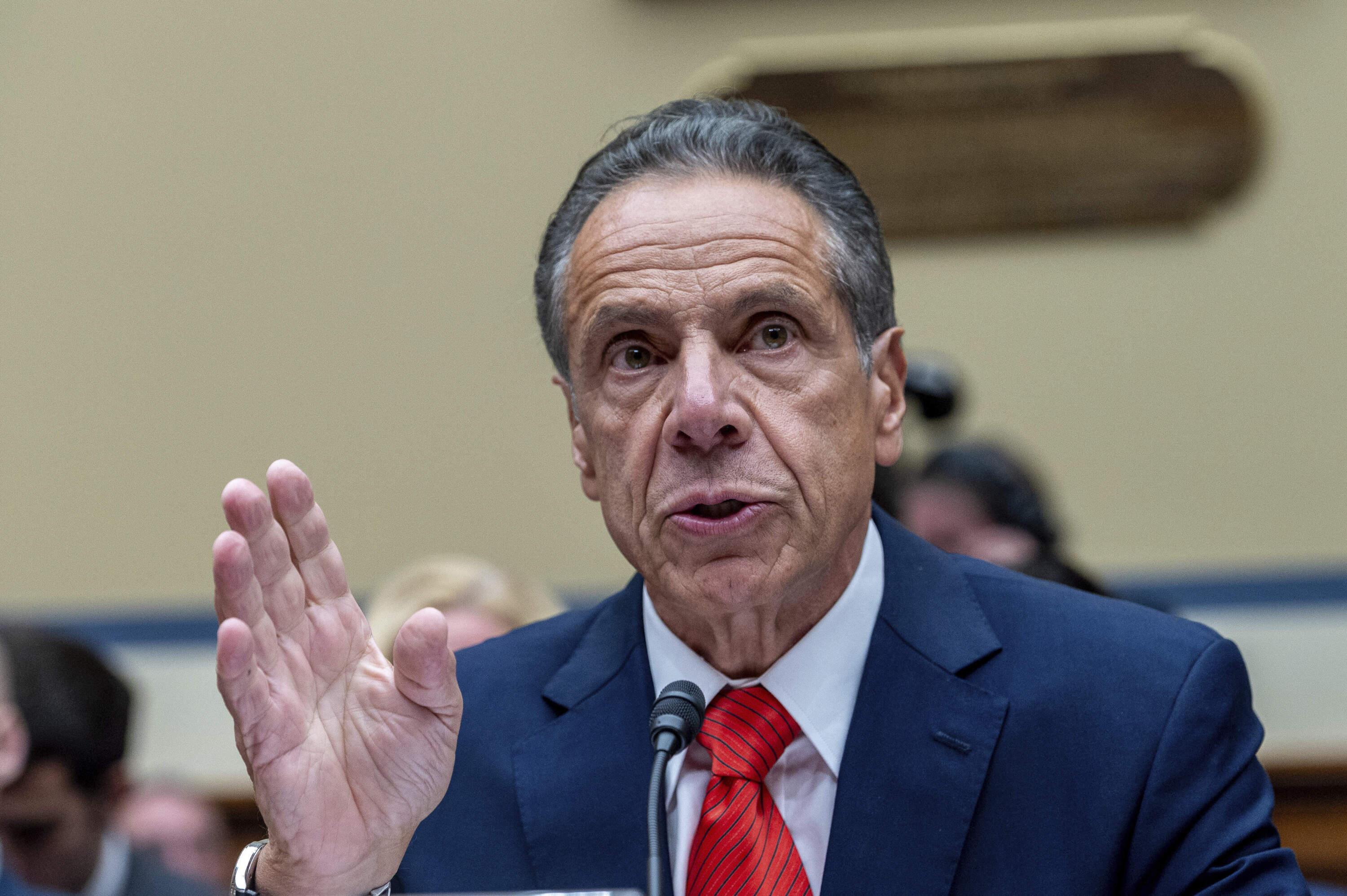
As of early 2026, Andrew Cuomo has not officially filed definitive paperwork to reclaim the Governor's Mansion, though his political activities, multi-million dollar campaign war chest, and frequent public appearances suggest an active exploration of a return to power. While he remains a polarizing figure following his 2021 resignation, his influence over the New York Democratic landscape continues to spark intense debate regarding his eligibility, viability, and potential impact on the upcoming election cycle.
The question of whether Andrew Cuomo is running for Governor of New York is one of the most persistent topics in the state’s political discourse. Since his resignation in August 2021, the former three-term governor has maintained a high profile, utilizing a significant campaign fund to keep his name in the public eye through television advertisements, public speaking engagements, and social media commentary. In the current 2026 landscape, political analysts are closely monitoring his movements as the primary season approaches, weighing his formidable name recognition against the significant political baggage accumulated during his final term.
The Current Political Standing of Andrew Cuomo in 2026
To understand Andrew Cuomo’s potential 2026 candidacy, one must first look at the assets he has maintained since leaving office. Unlike many politicians who fade into the private sector after a scandal-induced resignation, Cuomo has remained strategically visible. His "shadow campaign" has been characterized by a consistent critique of the current administration’s handling of crime, migration, and economic policy.
The Campaign War Chest
One of the primary indicators of a serious political intent is the "war chest"—the amount of cash a candidate has on hand for campaign expenditures. Following his resignation, Cuomo retained a balance of approximately $8 million in his campaign account. Throughout 2024 and 2025, he has strategically deployed these funds for digital advertising and polling. In New York's expensive media markets, particularly New York City and its suburbs, this financial foundation provides him a significant advantage over potential challengers who would need to start fundraising from scratch.
Public Re-emergence and the "Vindication" Strategy
Since late 2023, Cuomo has engaged in what political commentators describe as a "vindication tour." This strategy involves frequent appearances at influential New York City churches and civic organizations, where he frames his resignation not as a result of proven misconduct, but as a casualty of "political cancel culture." By focusing on his record—specifically the passage of marriage equality, the $15 minimum wage, and major infrastructure projects like the Tappan Zee Bridge replacement—he seeks to remind voters of his executive competence while downplaying the controversies of 2021.
Legal and Ethical Eligibility for Public Office
A common point of confusion among voters is whether Andrew Cuomo is legally permitted to run for Governor again. Under the New York State Constitution, there are specific parameters regarding term limits and disqualification from office.
Absence of Term Limits
Unlike the presidency or certain other governorships (such as in Florida or California), the Governor of New York is not subject to term limits. A governor can serve an unlimited number of four-year terms if successfully re-elected. Therefore, Cuomo’s three previous terms do not bar him from seeking a fourth.
The Impeachment Inquiry and Resignation
Although the New York State Assembly initiated an impeachment inquiry in 2021, the process was suspended following his resignation. Had Cuomo been impeached and convicted by the High Court of Impeachment, the court could have voted to permanently disqualify him from holding any office of "honor, trust, or profit" in the state. Because he resigned before any such vote occurred, no legal barrier exists to prevent him from appearing on a future ballot.
Legal Challenges and Settlements
Opponents often point to the various investigations led by Attorney General Letitia James and federal prosecutors. While multiple district attorneys declined to pursue criminal charges related to the sexual harassment allegations—often citing a lack of sufficient evidence to meet the criminal burden of proof rather than a total exoneration—civil litigation and the findings of the Attorney General's 2021 Report remain a focal point for his detractors.
The 2026 Primary Landscape and Party Dynamics
If Cuomo formally enters the race, he faces a complex Democratic primary. The New York State Democratic Party has undergone significant shifts since 2021, with progressive and moderate factions vying for control over the party's direction.
The Incumbent Factor
Running against an incumbent governor—even one from the same party—is a formidable challenge. The incumbent typically holds the endorsement of the state party committee and the support of major labor unions. Cuomo would need to convince the Democratic base that the current leadership is ineffective on "bread-and-butter" issues like the cost of living and public safety.
Polling and Voter Sentiment
Polling data from late 2025 suggests a divided electorate. Cuomo maintains strong support among older, moderate Democrats and certain minority voting blocs who prioritize "strong leadership" and executive experience. However, he faces high "disfavorability" ratings among younger voters and suburban women, groups that were instrumental in his previous electoral successes.
| Metric | Andrew Cuomo (Est. 2026) | Typical Incumbent Democrat | Potential GOP Challenger |
|---|---|---|---|
| Name Recognition | Near 100% | High | Moderate/Low |
| Campaign Funding | High ($8M+ Base) | Very High | Moderate |
| Base Support | Moderate/Traditionalist | High/Institutional | High/Conservative |
| Primary Risk | High | Low/Moderate | Low |
| Key Issues | Executive Record, Vindication | Stability, Continuity | Crime, Taxes, Migration |
Key Policy Issues for a Potential Cuomo Platform
Should Cuomo run, his platform would likely focus on his self-identified brand of "progressive pragmatism." In a 2026 context, several issues would dominate his rhetoric:
Infrastructure and Economic Recovery
Cuomo’s legacy is tied to massive physical projects. He would likely emphasize the need for a "New York 2.0" infrastructure plan, focusing on the completion of the Penn Station redevelopment and the revitalization of upstate manufacturing hubs. He often argues that he is the only candidate with the "muscle" to navigate Albany’s bureaucracy to get large-scale projects built.
Public Safety and the Subways
A central theme of Cuomo’s recent public statements has been the perception of rising crime in New York City and the safety of the MTA transit system. By positioning himself as a "law and order" Democrat, he seeks to appeal to moderate voters who feel the party has moved too far to the left on criminal justice reform.
The Migrant Crisis and Federal Relations
The influx of asylum seekers into New York has strained state and city budgets. Cuomo has frequently criticized the federal government's response, framing himself as a leader who can effectively pressure Washington for more resources, drawing on his experience as a former HUD Secretary under the Clinton administration.
Challenges and Roadblocks to a Successful Campaign
Despite his strengths, Cuomo’s path to the Governor’s office is fraught with obstacles that extend beyond his 2021 resignation.
- The "Letitia James" Factor: The New York Attorney General remains one of Cuomo's most vocal critics. A primary battle involving Cuomo would almost certainly involve a direct confrontation with the AG's office regarding the integrity of the 2021 investigation.
- The Nursing Home Controversy: The handling of COVID-19 in nursing homes remains a sensitive and potent issue for many New York families. Opponents are likely to revive questions regarding the accuracy of death toll reporting and the immunity granted to nursing home executives during the pandemic.
- Party Unity: Many institutional Democrats view a Cuomo run as a recipe for party chaos. Fears that his candidacy would alienate suburban voters and lead to a Republican victory in the general election could lead to a concerted effort by party leadership to block his path.
Steps Toward a Formal Candidacy
For those tracking whether "Andrew Cuomo is running," there are specific milestones to watch for in the first half of 2026:
- Formation of an Exploratory Committee: This allows a candidate to legally raise and spend money specifically for the purpose of deciding whether to run.
- The State Democratic Convention: Traditionally held in late spring, this is where the party designates its preferred candidate. While a candidate can bypass the convention by gathering signatures, a lack of party support makes the path significantly harder.
- Petition Filing: To appear on the primary ballot, a candidate must collect a specific number of signatures from registered party members across the state. This is often the first "hard" evidence of a campaign's ground operations.
FAQs About Andrew Cuomo’s 2026 Status
Is Andrew Cuomo officially on the ballot for 2026?
As of current filings, he is not yet an official candidate. The window for filing designating petitions for the 2026 primary typically occurs in the spring of 2026. Until those petitions are filed and verified by the New York State Board of Elections, any talk of his candidacy remains speculative, despite his active "exploratory" behavior.
Can Andrew Cuomo run as an Independent?
Yes. If Cuomo fails to secure the Democratic nomination or chooses to bypass the primary, he could attempt to run on a third-party line or create his own (e.g., the "Independence" or "New York First" party). However, New York’s "fusion voting" and recent changes to third-party qualification rules make this a difficult and resource-intensive path.
What happened to the sexual harassment charges against him?
None of the criminal complaints filed against Cuomo resulted in a conviction. Several District Attorneys (including those in Albany, Westchester, and Nassau) concluded that while they found the complainants "credible," the evidence did not support a criminal prosecution under existing state law. Cuomo often cites these decisions as proof that the allegations were politically motivated, though civil suits and the Attorney General’s civil findings remain part of the public record.
How much money does Andrew Cuomo have for a 2026 run?
Campaign finance records indicate he has maintained a balance of several million dollars—estimated at roughly $8 million. This fund, managed through his "Friends of Andrew Cuomo" committee, is significantly larger than what most challengers possess at the start of a cycle, allowing him to launch a statewide media blitz at a moment's notice.
Does Andrew Cuomo have term limits?
No. There are no term limits for the office of Governor in New York State. An individual can be elected to the office as many times as the voters choose to elect them. This is a distinct difference from the President of the United States, who is limited to two terms by the 22nd Amendment.
Final Considerations for New York Voters
The possibility of Andrew Cuomo running for Governor of New York in 2026 forces a reckoning with the recent history of the state’s executive leadership. For supporters, he represents a return to a "get things done" style of governance that they feel has been missing. For critics, his potential return is a step backward, threatening to reopen the wounds of the 2021 controversies and distract from pressing legislative priorities.
The next action for interested voters is to monitor the New York State Board of Elections (BOE) website for official candidate filings and campaign finance disclosures. These public records provide the only definitive confirmation of a candidate’s legal status and financial backing. As the 2026 primary season approaches, the transition from speculative activity to a formal campaign will be marked by the rigorous process of signature collection and the filing of "Designating Petitions" with the BOE.