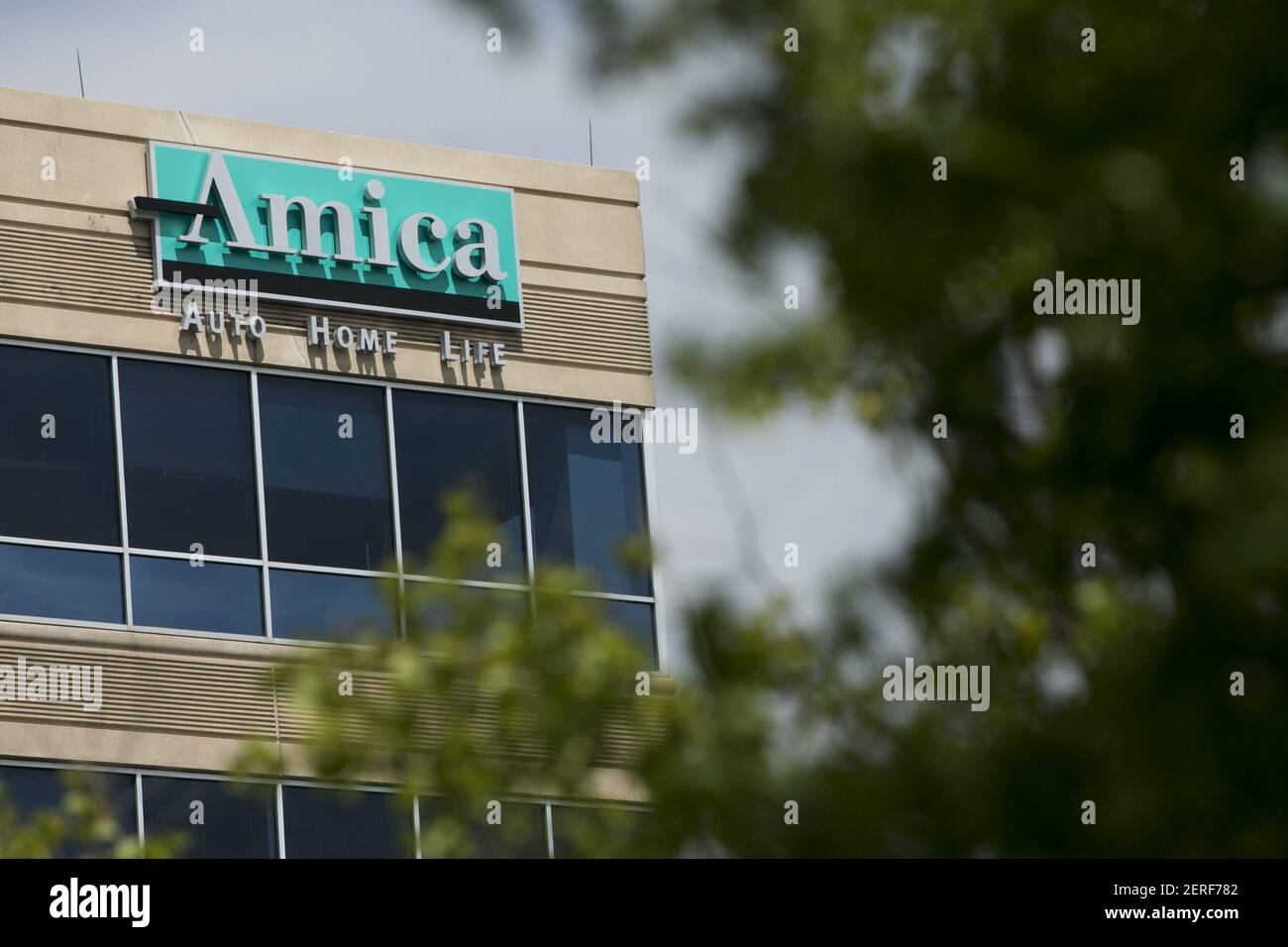
Amica Mutual Insurance Company is a prominent provider of personal lines of insurance in the United States, operating as a mutual company where policyholders are the owners. It is widely recognized for its high customer service standards, long-standing financial stability, and a focus on direct-to-consumer coverage options, primarily offering auto, home, life, and umbrella insurance policies.
The Mutual Company Model and Organizational Structure
The defining characteristic of Amica Mutual Insurance Company is its structure as a mutual insurer. Unlike publicly traded insurance companies that answer to shareholders and prioritize quarterly stock performance, Amica operates to serve the interests of its policyholders. This legal structure means that the company’s primary objective is to maintain financial strength to pay claims and offer competitive insurance products, rather than generating profits for external equity investors.
Founded in 1907 in Providence, Rhode Island, Amica has maintained a conservative growth strategy for over a century. By focusing on selective underwriting and long-term financial health, the company has consistently maintained high ratings from credit agencies like AM Best. For the consumer, this translates into a degree of reliability that is often sought after when selecting a long-term insurance partner for significant assets, such as homes and vehicles.
Core Insurance Offerings
Amica’s product catalog is specialized, focusing on high-quality coverage for personal risks rather than commercial lines. Their approach is characterized by comprehensive policy features that often include high limits and unique add-ons, such as platinum choice features that reduce or eliminate deductibles in specific scenarios.
Automobile Insurance
Amica’s auto insurance is its flagship product. The company offers a wide range of standard and specialized coverage options, including:
- Liability Coverage: Protection against bodily injury and property damage claims where the policyholder is at fault.
- Collision and Comprehensive: Coverage for damages to the policyholder's vehicle resulting from accidents, weather, theft, or vandalism.
- Glass Coverage: Often included or available as an add-on, providing repair or replacement services without the usual deductible impact.
- Roadside Assistance: A value-added service that provides emergency towing and mechanical support.
Homeowners Insurance
The homeowners insurance segment is designed to protect one of an individual's largest assets. Amica provides coverage for dwelling damage, personal property, and personal liability. Notably, they offer "Platinum Choice" home coverage, which allows for increased limits on specific categories like computer equipment or home office assets, and can include features like replacement cost coverage for personal belongings regardless of depreciation.
Life Insurance
Amica provides term life and whole life insurance products. Term life is positioned as an affordable option for temporary protection, while their whole life offerings provide permanent coverage with a cash-value accumulation component. This allows policyholders to integrate their life insurance planning with their broader financial security goals.
Customer Experience and Digital Infrastructure
In 2026, the insurance industry is heavily defined by the quality of the digital interface. Amica has invested significantly in its web and mobile portals, allowing users to perform critical tasks without direct human intervention.
Key digital capabilities include:
- Claims Management: The ability to initiate, upload documentation, and track the status of a claim in real-time.
- Premium Payments: Automated, secure billing options that support recurring payments and digital receipts.
- Policy Documents: Instant access to digital copies of insurance cards, declarations pages, and endorsements, which are essential for proof of insurance requirements.
Despite the focus on digital convenience, Amica maintains a reputation for a strong human-centric support model. Many policyholders value the ability to speak with a licensed representative when navigating complex claims or adjusting coverage limits, striking a balance between automated efficiency and personalized assistance.
Financial Stability and Underwriting Standards
When evaluating an insurance carrier, prospective policyholders should consider the "financial strength rating" of the institution. This rating reflects the company's ability to meet its financial obligations, including the payment of large-scale claims following catastrophic events.
Amica’s underwriting process is notably more selective than some of the "high-volume" carriers that accept a broader range of risk profiles. While this can sometimes mean higher premiums for individuals with a history of multiple claims or moving violations, it also contributes to the company's stable loss ratio. A stable loss ratio is a critical indicator of a company that is not prone to sudden, drastic rate hikes necessitated by poor risk assessment in other segments of their portfolio.
Comparative Overview: Why Consumers Choose Amica
Choosing an insurer requires weighing several factors, including premium costs, deductible options, and the ease of the claims process.
| Feature | Amica Mutual | Typical National Carrier |
|---|---|---|
| Ownership | Mutual (Policyholder owned) | Publicly Traded (Shareholder owned) |
| Primary Focus | Personal lines only | Often includes commercial/specialty |
| Claims Service | Consistently high satisfaction | Varies significantly |
| Digital Tools | Robust and integrated | Highly variable |
| Underwriting | Selective/Conservative | Aggressive/Volume-based |
This comparison highlights that Amica is generally positioned for consumers who prioritize service quality and long-term financial stability over the lowest possible base premium. Individuals who maintain good credit, clean driving records, and stable home ownership histories often find the most value within Amica’s specific pricing tiers.
Practical Considerations for Policyholders
To maximize the value of an Amica policy, consumers should be aware of several operational realities:
- Bundling Discounts: Amica offers significant discounts for customers who bundle auto and home insurance. This is a common industry practice, but because Amica's base policies are often comprehensive, the effective savings of the bundle are often higher than with budget-focused carriers.
- Reviewing Coverage Annually: Given the dynamic nature of 2026 property values and vehicle repair costs, it is recommended to review policy limits every 12 to 18 months. Inflation can render older coverage limits insufficient in the event of a total loss.
- Claims Reporting: In the event of an incident, prompt reporting through the official Amica portal or their dedicated claims line is essential. Timeliness ensures that adjusters can view the damage before secondary issues (such as water damage in a home or rusted wreckage in a vehicle) complicate the assessment.
- Dispute Resolution: If a claim settlement is contested, Amica provides a structured process for review. Engaging with an account representative early in the process is often the most effective way to address concerns regarding the scope of a repair or the valuation of a loss.
Frequently Asked Questions
Is Amica a good company for high-risk drivers? Amica generally prefers lower-risk profiles. While they do insure a wide spectrum of drivers, their underwriting criteria are more stringent than those of non-standard insurance providers. Individuals with recent serious infractions may find higher premiums or, in some cases, limited coverage availability compared to specialty carriers.
How does the mutual structure benefit me as a policyholder? As a mutual company, Amica does not have to answer to shareholders who demand constant profit growth. This allows the company to reinvest profits into customer service, technology, and financial reserves, which generally results in more stable pricing and a more consistent claims-handling experience over time.
Can I manage my entire insurance portfolio online? Yes, Amica’s digital platform allows for comprehensive management. From quoting new policies to filing claims and modifying existing coverage limits, the portal is designed to handle the full lifecycle of an insurance policy in a secure, digital environment.
What is the "Platinum Choice" home coverage? This is a premium tier of coverage offered by Amica. It includes benefits such as replacement cost coverage for personal property, which ignores the age or depreciation of an item when calculating a claim payout, and higher limits for specialized items like high-end electronics or equipment often used in home offices.
How do I get an accurate quote? To receive the most accurate quote, you must provide verified information regarding your property, driving history, and claims history. Providing inaccurate information can lead to a premium adjustment later or, in extreme cases, the denial of a claim due to a material misrepresentation on the application.
Final Recommendation
When considering Amica Mutual Insurance Company, evaluate your personal need for long-term stability and high-touch service. If you are looking for an insurer that offers a comprehensive, reliable claims process and you meet the criteria for a standard-to-low-risk policyholder, Amica is often a superior choice compared to insurers that compete solely on the lowest initial premium.
Before committing, gather your current policy declarations pages to ensure an "apples-to-apples" comparison of liability limits and deductibles. Ensure that you are comparing quotes that feature identical coverage levels, as the "lowest price" often comes at the expense of necessary protections. Amica’s strength lies in its consistency; for most policyholders, the trade-off for a premium that might be slightly higher is the peace of mind that comes with a financially stable, member-focused organization.