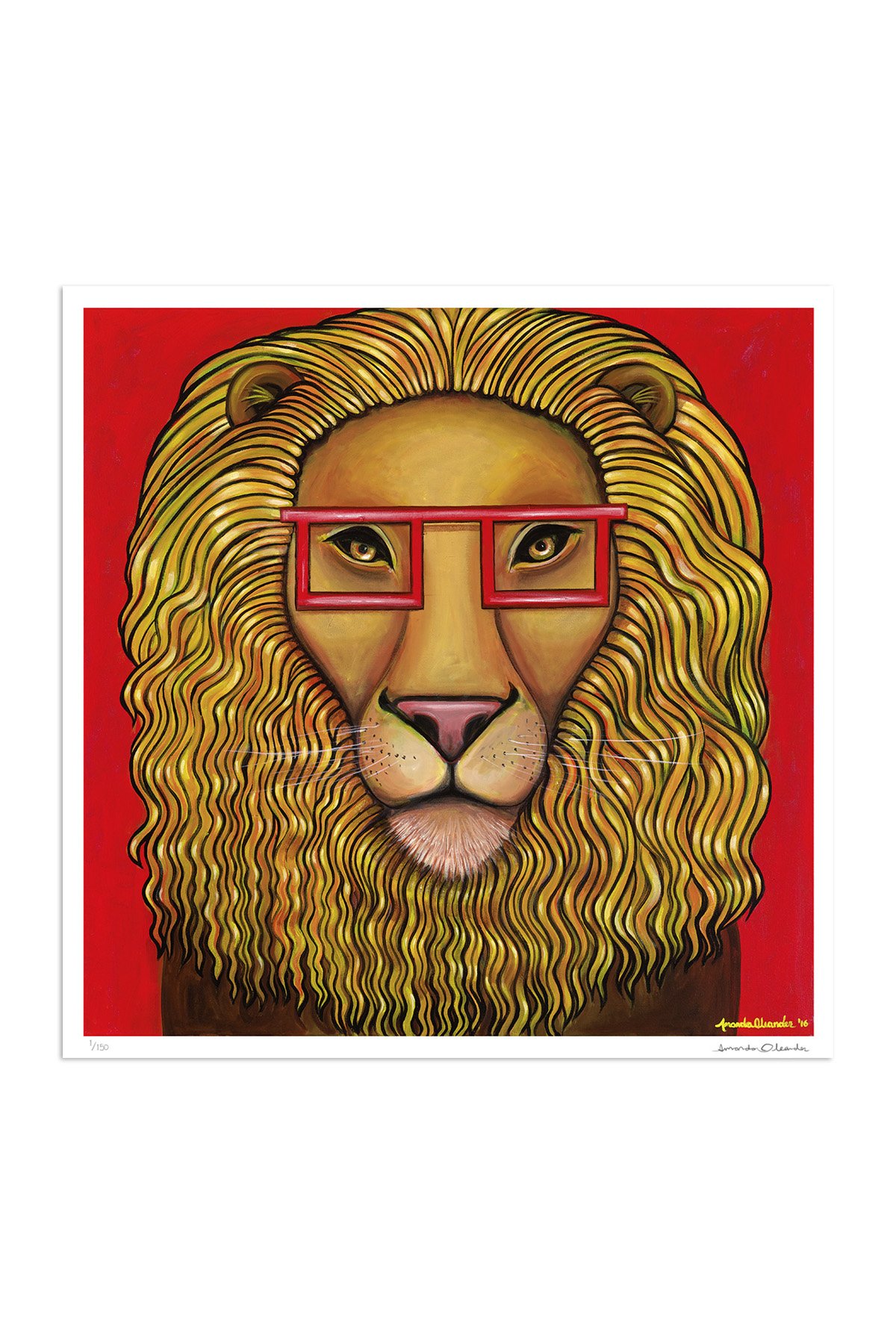
Amanda Oleander is a prominent Los Angeles-based contemporary artist known for her viral illustrative style that captures the intimate, raw, and often humorous moments of daily life and relationships. As of 2026, estimations of her net worth generally fall within the range of $1 million to $3 million, a valuation primarily driven by her massive social media following, direct-to-consumer print sales, licensing partnerships, and successful fine art exhibitions.
The Foundation of an Artistic Career
Amanda Oleander’s path to financial independence as an artist is rooted in her transition from traditional gallery work to digital-first content creation. Unlike many artists who rely solely on third-party representation or physical art galleries, Oleander leveraged social media platforms—specifically Instagram—to build a direct pipeline to her audience. By sharing relatable, sketch-style illustrations of domestic life, she established a unique brand identity that resonated with millions of users globally.
This audience-first approach removed the intermediary, allowing her to monetize her work through her own e-commerce platform. Her ability to pivot between traditional canvases and digital prints allowed her to scale her business efficiently, minimizing the overhead costs typically associated with high-end gallery representation.
Primary Income Streams and Revenue Diversification
The valuation of an independent artist like Oleander is rarely static; it fluctuates based on the success of specific collections, licensing deals, and the volatility of digital engagement. Her revenue is generated through several key channels:
- Direct-to-Consumer (DTC) Sales: The majority of her income stems from her personal website, where she sells high-quality prints, original works, and merchandise. By cutting out retail markups, she retains a higher percentage of every sale compared to artists bound by consignment agreements.
- Licensing and Brand Partnerships: As her brand gained cultural relevance, she began collaborating with corporate entities. These contracts—which often involve using her imagery for lifestyle products, digital campaigns, or apparel—provide significant lump-sum payments that contribute heavily to her total net worth.
- Fine Art Sales: While she is widely known for her digital footprint, Oleander continues to produce physical paintings. These original works command premium prices in the secondary art market and at specialized exhibitions, catering to high-net-worth collectors who seek original pieces rather than prints.
- Content and Intellectual Property: Through her influence, she has successfully built an intellectual property portfolio. The recurring engagement on her platforms serves as a form of "passive" marketing, keeping her work relevant and ensuring that new releases maintain high conversion rates.
The Role of Social Media Influence
In 2026, the creator economy serves as a primary financial catalyst for independent artists. Oleander’s influence is not merely measured in follower counts but in conversion rates. When an artist commands a significant, loyal audience, they effectively become their own publishing house. This eliminates the need for expensive marketing campaigns.
Her financial growth is a textbook example of how the "creator-as-entrepreneur" model works. By treating her social media account as both a portfolio and a store, she has maintained a high-margin business model. This infrastructure allows for rapid scaling—when she launches a new collection, she can reach millions of potential buyers instantly, a feat that would have been impossible for artists working in traditional settings just two decades ago.
Comparative Financial Overview of Independent Illustrators
To understand where Oleander stands, it is helpful to look at the economic structure of independent visual artists in the mid-2020s.
| Revenue Source | Traditional Gallery Artist | Independent Digital Illustrator |
|---|---|---|
| Sales Channel | Physical Gallery (40-50% commission) | Direct-to-Consumer (0% commission) |
| Marketing | Gallery-funded exhibitions | Self-funded social media growth |
| Product Volume | Low (original works only) | High (originals + prints + merch) |
| Asset Control | Shared with agents/galleries | Fully owned by the artist |
This comparison highlights why artists with a strong digital presence, like Oleander, often hold a higher net worth than peers who rely on the traditional gallery system. The ability to control both the supply chain and the marketing narrative allows for a more aggressive accumulation of wealth.
Managing Risks and Market Volatility
While her financial outlook is strong, it is important to note the risks inherent in her field. An artist’s net worth is largely tied to their cultural relevance. If the public’s taste shifts or if social media algorithms reduce the visibility of her work, revenue from prints and merchandise could see a decline.
Furthermore, as a self-employed individual, Oleander must manage her own business overhead, which includes legal protection for her intellectual property, studio rent, shipping and logistics for her DTC store, and taxes. Unlike salaried employees, she is responsible for all operating costs; thus, a large portion of her gross revenue must be reinvested into her brand and operations to maintain her standing in the art community.
Frequently Asked Questions
How does Amanda Oleander make most of her money? Her primary income is generated through the sale of art prints and original works via her own e-commerce website. By selling directly to her fans, she avoids the high commissions that traditional art galleries charge, allowing her to retain a much larger portion of her revenue.
Is Amanda Oleander’s net worth publicly audited? No. Like most independent artists and creators, her net worth is an estimate based on business activity, industry standard rates for licensing, and public sales volume. There is no public record of her personal assets, bank accounts, or private investment portfolios.
What impact do brand partnerships have on her earnings? Brand partnerships often provide significant, one-time cash injections. When she works with major brands to create custom illustrations, she is paid not just for the art, but for the licensing rights to use that art. These deals are often the most lucrative segments of an artist’s yearly income.
Does she still sell original paintings? Yes. While she is known for her digital presence, she produces physical paintings that are sold to collectors. These pieces are typically priced significantly higher than her prints and represent an important asset class for her, often appreciating in value over time as her reputation grows.
What is the biggest challenge to an artist’s net worth? The biggest challenge is market saturation and the need for constant innovation. To keep her work "worth" more, she must constantly evolve her style and content to remain relevant. If an artist stops producing new, engaging work, their brand value—and by extension, their secondary market value—can stagnate.
Moving Forward as a Professional Artist
For those interested in the financial trajectory of modern artists, Amanda Oleander serves as a practical study in the value of owning one's audience. Her financial success is not merely the result of aesthetic talent, but a strategic marriage between artistic output and business acumen. The path for those following in her footsteps requires a focus on high-quality content production coupled with a robust, independent retail infrastructure. For established artists, the next action is often a transition from individual production to brand scaling—utilizing their name to launch curated lines, educational platforms, or institutional partnerships that further diversify their income.