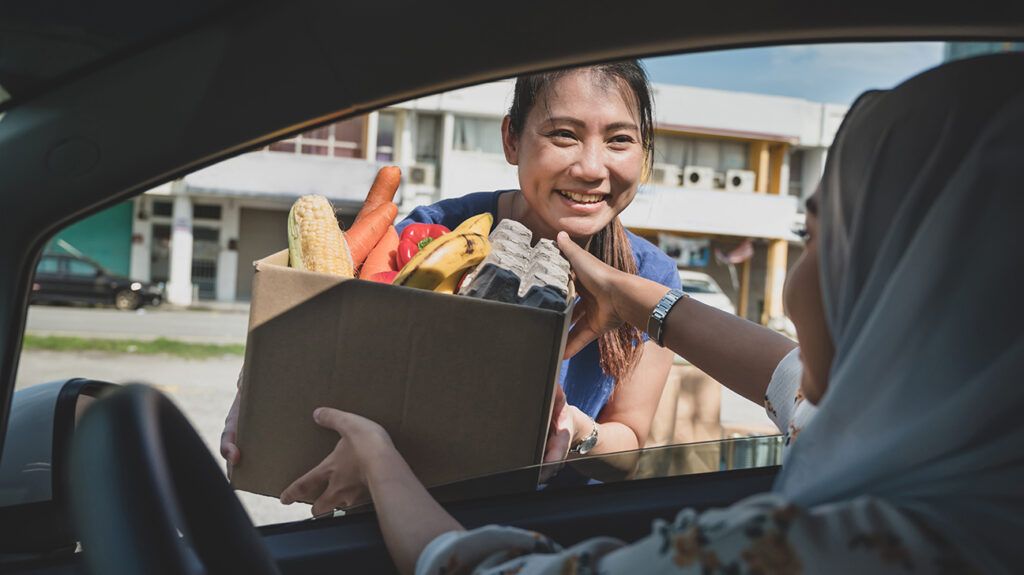
Altruistic behavior involves actions performed to benefit another person at a direct cost to the actor, without the expectation of personal gain or external reward. Examples range from small daily gestures, like returning a lost wallet, to significant life-altering sacrifices, such as anonymous organ donation or risking one's safety to rescue a stranger from a life-threatening situation.
Defining the Scope of Altruism in 2026
To understand altruistic behavior, one must first distinguish it from simple prosocial behavior. While all altruism is prosocial, not all prosocial behavior is altruistic. If an individual helps another with the underlying motive of improving their own reputation, receiving a tax break, or avoiding guilt, the act—while beneficial to the recipient—lacks the "selfless" requirement of pure altruism.
As we evaluate the landscape of human interaction in 2026, the definition of altruism remains grounded in the philosophy of Auguste Comte, who coined the term in the 19th century to describe the moral obligation of individuals to serve the interests of others. Today, we categorize these behaviors through various lenses: biological, psychological, and sociological. Whether it is a neighbor checking on an elderly resident or a global organization coordinating disaster relief, the core remains the same: the prioritization of another’s welfare over one’s own resources, time, or safety.
Biological and Evolutionary Examples of Altruism
In the field of sociobiology, altruism presents a fascinating paradox: why would an organism reduce its own fitness to increase the fitness of another? Evolutionary biologists have identified specific mechanisms that explain these behaviors in both humans and animals.
Kin Selection (Genetic Altruism)
Kin selection is the most common form of biological altruism. It suggests that individuals are more likely to behave altruistically toward those who share their genetic makeup. By helping a relative survive and reproduce, the actor ensures the continuation of their shared genes.
- Example: A parent working multiple jobs to fund their child’s education while sacrificing their own comfort and leisure.
- Biological Context: In the animal kingdom, this is seen in social insects like bees. Sterile worker bees spend their lives caring for the queen and her offspring, never reproducing themselves, but ensuring the survival of the colony’s genetic line.
Reciprocal Altruism
Proposed by Robert Trivers, this occurs when an individual helps another with the expectation that the favor will be returned in the future. While this might seem transactional, it is considered altruistic because the "cost" is immediate, and the "return" is uncertain and delayed.
- Example: A student sharing comprehensive study notes with a classmate who missed a lecture due to illness. There is no contract, but a mutual understanding that in a functioning social group, those who give are likely to receive when they are in need.
- Long-term Impact: This behavior builds "social capital" and is the foundation of many stable human communities.
Everyday Altruistic Behavior Examples
Most altruism occurs in the "micro-moments" of daily life. These acts are often spontaneous and require little premeditation, yet they are essential for social cohesion.
Random Acts of Kindness
These are unplanned, selfless acts directed toward strangers. They are often cited as the purest form of altruism because the actor is unlikely to see the recipient ever again, precluding the possibility of a returned favor.
- Holding the Elevator or Door: A small physical effort that saves another person time or inconvenience.
- Paying for the Person Behind You: A common phenomenon in coffee shops or toll booths where an individual covers the cost of a stranger’s purchase.
- Returning Lost Property: Finding a lost smartphone or wallet and making the effort to contact the owner rather than keeping the item or ignoring it.
Informational Altruism
In the digital age of 2026, sharing knowledge has become a primary form of altruistic behavior.
- Example: Contributing to open-source software or editing Wikipedia. Thousands of experts spend hours documenting information or fixing code for free, simply to ensure that high-quality information remains accessible to the global public.
- Community Forums: Individuals on platforms like Reddit or specialized technical forums who provide detailed, step-by-step troubleshooting for others' problems without any financial compensation.
Heroic and High-Stakes Altruism
High-stakes altruism involves significant risk or permanent loss. These examples are rarer but serve as the ultimate expression of the "altruistic personality."
Physical Bravery and Rescue
This occurs when an individual intervenes in an emergency. The decision-making process is often nearly instantaneous, bypassing the typical cost-benefit analysis our brains perform.
- The "Subway Hero" Archetype: Instances where bystanders jump onto train tracks to pull a fallen person to safety seconds before a train arrives.
- Civilian First Responders: People who run toward the site of an accident or natural disaster to provide aid before professional help arrives, often at risk to their own respiratory health or physical safety.
Medical Altruism
This involves the donation of biological tissue or organs to help others, often strangers.
- Blood and Plasma Donation: A recurring act of altruism where individuals give a part of themselves to save lives, receiving only a small snack or the satisfaction of helping in return.
- Living Organ Donation: Donating a kidney or a portion of the liver to a stranger (non-directed donation). This requires major surgery, a recovery period, and long-term lifestyle changes for the donor.
- Bone Marrow Registry: Voluntarily joining a database and agreeing to undergo a potentially painful extraction process if a match is found for a leukemia patient.
Professional and Philanthropic Altruism
Altruism is not limited to physical acts; it also manifests in how we use our wealth and professional skills.
Pro Bono Work and Volunteering
Many professionals dedicate a portion of their billable hours to helping those who cannot afford their services.
- Legal and Medical Services: Lawyers representing indigent clients for free or doctors traveling to underserved regions to perform surgeries.
- Skill-Based Volunteering: A marketing professional helping a local non-profit design a fundraising campaign or a CPA helping a low-income family navigate their taxes.
Effective Altruism
Effective Altruism (EA) is a 21st-century movement that uses evidence and reasoning to determine how to benefit others as much as possible.
- Example: Instead of donating to a local charity with high overhead, an "Effective Altruist" might donate to a global organization that provides malaria nets, as data shows this is one of the most cost-effective ways to save lives. It is a calculated, strategic form of selflessness.
Comparison of Altruism Types
The following table categorizes altruistic behaviors by their primary motivation and the nature of the sacrifice involved.
| Category | Primary Motivation | Nature of Sacrifice | Real-World Example |
|---|---|---|---|
| Genetic | Evolutionary survival of kin | Time, resources, or safety | A grandparent providing full-time childcare to help a struggling parent. |
| Reciprocal | Social cohesion and future security | Immediate resources or effort | Sharing tools or specialized equipment with a neighbor. |
| Pure / Moral | Internalized ethical values | Significant personal cost (physical or financial) | Anonymous charitable donations or life-saving interventions. |
| Digital | Knowledge democratization | Intellectual labor and time | Contributing to Creative Commons or open-source repositories. |
| Medical | Life preservation | Biological integrity and health | Enrolling in a clinical trial for a vaccine with no personal benefit. |
The Psychology: Why Do We Act Altruistically?
Psychologists have long debated the "pureness" of altruism. The Empathy-Altruism Hypothesis, proposed by C. Daniel Batson, suggests that if you feel empathy toward another person, you will help them regardless of what you have to gain.
The Role of Empathy
Empathy is the ability to take the perspective of another and feel their distress. When we see someone in pain, our brain's mirror neurons fire, creating a shared emotional experience. Altruistic behavior, in this context, is an attempt to alleviate the other person’s suffering, which in turn alleviates our own empathetic distress.
The "Helper's High"
Neurological studies have shown that acting altruistically triggers the brain's reward system. The release of dopamine and oxytocin creates a sensation often called the "helper's high." This suggests that while altruism is "selfless" in its intent, it is biologically reinforced because it feels good to help. In 2026, mental health professionals increasingly recommend small acts of altruism as a legitimate tool for combating loneliness and mild depression.
Social Norms and Responsibility
Sociology points to two main norms that drive altruism:
- Reciprocity Norm: The expectation that we should return help, not harm, to those who have helped us.
- Social Responsibility Norm: The belief that people should help those who need help, without regard to future exchanges. This is why we feel a strong urge to help children, the elderly, or the disabled.
Common Obstacles to Altruistic Behavior
Despite the prevalence of altruism, certain psychological phenomena can prevent people from acting.
- The Bystander Effect: The tendency for individuals to be less likely to help a victim when other people are present. Each person assumes someone else will take action (diffusion of responsibility).
- Compassion Fade: A psychological tendency where people feel more empathy for a single identifiable individual than for a large group of people facing the same problem.
- Cost-Benefit Inhibitors: If the perceived risk to the actor (e.g., physical harm, extreme financial loss) outweighs the capacity to help, the survival instinct often overrides the altruistic impulse.
Frequently Asked Questions
Does "pure" altruism actually exist?
This is a subject of ongoing philosophical debate. Some argue that because helping others makes us feel good (the "helper's high"), the act is inherently self-serving. However, most psychologists agree that if the primary intent is to help another, and the self-benefit is merely a byproduct, the act qualifies as pure altruism.
Can altruistic behavior be learned?
Yes. Research indicates that altruism can be fostered through "prosocial modeling." When children observe parents or mentors engaging in selfless acts, they are more likely to internalize those values. Furthermore, practicing mindfulness and empathy-building exercises has been shown to increase altruistic tendencies in adults.
Are animals capable of altruism?
Absolutely. Beyond kin selection, many animals display reciprocal altruism. For example, vampire bats will regurgitate blood to share with a colony member who failed to find food that night, even if they aren't related. Similarly, dolphins have been observed supporting injured pod members to the surface so they can breathe.
How does altruism differ from "effective altruism"?
Standard altruism is often driven by an emotional response to a specific situation (e.g., seeing a homeless person). Effective Altruism is a more analytical approach that asks, "How can I use my limited resources to do the most good for the greatest number of people?" It often prioritizes systemic change and global health over individual, local acts.
Is altruism always a good thing?
Generally, yes, but there is a concept known as "pathological altruism." This occurs when an individual’s desire to help others is taken to an extreme that harms the helper or even the intended recipient (e.g., "enabling" someone’s addiction or neglecting one's own children to serve a cause). Balance and self-care are essential for sustainable altruism.
Practical Recommendation for Cultivating Altruism
If you wish to integrate more altruistic behavior into your life, start small to avoid "compassion fatigue." The most sustainable way to practice altruism is to identify a crossover between your unique skills and a community need.
- Audit Your Assets: Do you have extra time, specific expertise, or surplus financial resources?
- Look for Micro-Opportunities: Commit to one small, anonymous act of kindness per week, such as leaving a positive review for a local business or picking up litter in a public park.
- Join a Community: Altruism is contagious. Joining a volunteer group or a community organization provides the social support needed to make selflessness a long-term habit rather than a one-time event.
By understanding the biological roots and psychological rewards of altruism, we can better appreciate its role in human survival and social progress. Whether through a heroic rescue or a simple shared resource, altruistic behavior remains the "social glue" that holds communities together in 2026 and beyond.