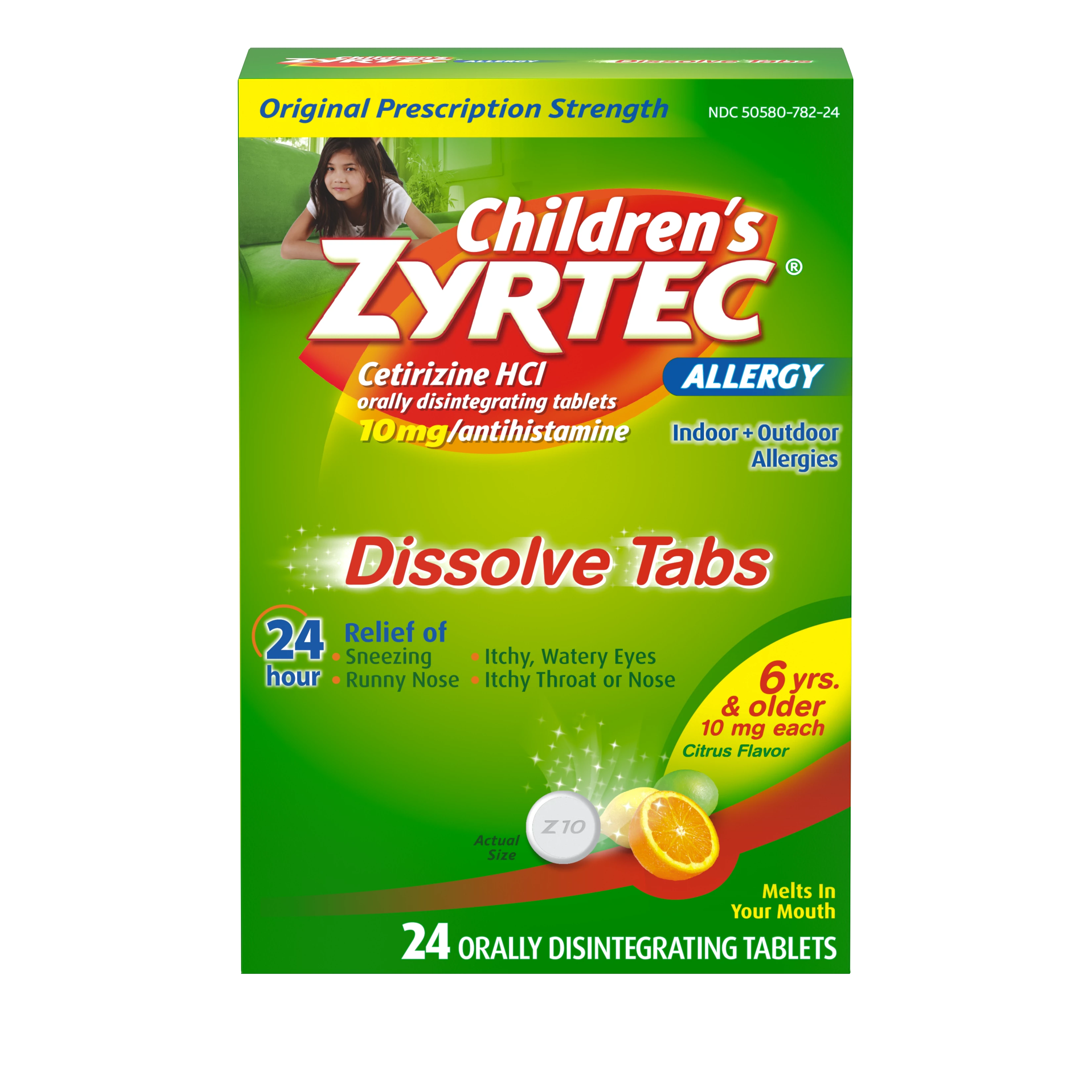
Effective allergy relief products work by either blocking the body's immune response to allergens or reducing the resulting inflammation in the respiratory tract, eyes, or skin. In 2026, the primary categories include oral antihistamines for systemic symptoms, intranasal corticosteroids for long-term congestion management, and targeted ophthalmic solutions for ocular itching and redness.
Allergies remain one of the most prevalent chronic health conditions globally, affecting millions of individuals who react to environmental triggers such as pollen, pet dander, dust mites, and mold. As we move through 2026, the landscape of allergy relief has shifted toward more targeted, long-acting, and non-sedating formulations. Choosing the right allergy relief product requires an understanding of your specific symptoms, the mechanism of action of various active ingredients, and the appropriate delivery method for your lifestyle.
The Mechanism of Allergic Reactions and Treatment Targets
To select the most effective allergy relief product, one must first understand what occurs during an allergic reaction. When a sensitized individual encounters an allergen, their immune system mistakenly identifies the harmless substance as a threat. This triggers the release of immunoglobulin E (IgE) antibodies, which bind to mast cells. Upon subsequent exposure, the allergen cross-links these antibodies, causing the mast cells to "degranulate" and release chemical mediators, most notably histamine.
Histamine is responsible for the classic symptoms of sneezing, itching, and watery eyes. However, the allergic response also involves a "late-phase" reaction characterized by the influx of other inflammatory cells, leading to chronic nasal congestion and tissue swelling. Modern allergy relief products are designed to intervene at different stages of this cascade. Antihistamines primarily block the H1 receptors, preventing histamine from exerting its effects. Corticosteroids, on the other hand, exert a broader anti-inflammatory effect by inhibiting the production of multiple cytokines and inflammatory mediators.
Oral Antihistamines: The First Line of Defense
Oral antihistamines remain the most common allergy relief product due to their ease of use and rapid onset. In 2026, the market is dominated by "second-generation" and "third-generation" antihistamines, which are preferred over older medications like diphenhydramine due to their significantly lower risk of sedation.
Second and Third-Generation Antihistamines
These products are designed to be "peripherally selective," meaning they do not easily cross the blood-brain barrier. This allows them to treat symptoms like hives, itching, and sneezing without causing the intense drowsiness associated with older formulas.
- Cetirizine: Known for being one of the most potent over-the-counter options, cetirizine provides 24-hour relief. While technically non-sedating for most, a small percentage of users may still experience mild drowsiness.
- Loratadine: This is often the preferred choice for individuals who are highly sensitive to sedative effects. It offers a very high safety profile and is frequently used in pediatric formulations.
- Fexofenadine: Distinct for having virtually zero sedative potential even at higher doses, fexofenadine is highly effective for hay fever and skin-related allergies. It is important to note that fexofenadine should not be taken with fruit juices (like orange or grapefruit), as they can significantly reduce its absorption.
- Levocetirizine: A refined version of cetirizine, this product often works at a lower dose and is favored for chronic idiopathic urticaria (hives) and seasonal allergic rhinitis.
Intranasal Corticosteroids: The Gold Standard for Congestion
For individuals whose primary symptom is nasal congestion or "stuffiness," oral antihistamines often fall short. In these cases, intranasal corticosteroids (INCS) are the most effective allergy relief product available without a prescription.
Unlike decongestant sprays, which should only be used for three days, corticosteroid sprays are designed for daily, long-term use during allergy season. They work by reducing the underlying inflammation of the nasal passages.
Popular Corticosteroid Active Ingredients
- Fluticasone Propionate: One of the most widely recognized nasal sprays, it treats congestion, sneezing, and itchy, watery eyes. It is highly effective but requires consistent daily use to reach peak efficacy, which usually occurs after 3 to 7 days.
- Mometasone Furoate: Similar to fluticasone, mometasone is known for its high potency and minimal systemic absorption, making it a safe choice for long-term seasonal management.
- Triamcinolone Acetonide: This scent-free and alcohol-free formula is often preferred by users who find other sprays irritating to the nasal lining.
The key to success with these products is the "nose-to-toes" technique—pointing the nozzle slightly outward toward the ear rather than straight up the septum—to minimize the risk of nosebleeds and maximize coverage of the turbinates.
Comparison of Common Allergy Relief Active Ingredients
The following table summarizes the primary active ingredients found in over-the-counter allergy relief products in 2026, comparing their primary uses and onset times.
| Active Ingredient | Product Category | Primary Symptom Target | Onset of Action | Duration |
|---|---|---|---|---|
| Cetirizine | Oral Antihistamine | Sneezing, Itching, Runny Nose | 1 hour | 24 Hours |
| Fexofenadine | Oral Antihistamine | Hay Fever, Hives | 1-2 hours | 24 Hours |
| Fluticasone | Nasal Steroid | Congestion, Nasal Swelling | 12-24 hours | 24 Hours |
| Ketotifen | Ophthalmic (Eye) | Itchy, Red Eyes | Minutes | 12 Hours |
| Oxymetazoline | Nasal Decongestant | Severe Acute Congestion | 5-10 minutes | 12 Hours |
| Azelastine | Nasal Antihistamine | Runny Nose, Post-Nasal Drip | 30 minutes | 12 Hours |
Targeted Relief: Eye Drops and Nasal Antihistamines
Sometimes, systemic medication is not enough to manage localized symptoms. For patients experiencing "allergic conjunctivitis"—the technical term for red, itchy eyes—topical allergy relief products are often necessary.
Ophthalmic Solutions
Modern eye drops, such as those containing Ketotifen or Olopatadine, act as both antihistamines and mast cell stabilizers. This dual action provides immediate relief from itching while also preventing mast cells from releasing more histamine in the future. These are significantly more effective for ocular symptoms than standard "redness relief" drops, which only constrict blood vessels and can cause "rebound" redness if overused.
Nasal Antihistamines
Products containing Azelastine have gained popularity as an alternative or adjunct to steroid sprays. Unlike oral antihistamines, which take time to digest, nasal antihistamines deliver the medication directly to the affected tissue. They are particularly effective at treating "vasomotor rhinitis" and post-nasal drip, which can sometimes be resistant to other treatments.
The Role of Decongestants: Risks and Rewards
Decongestants like Pseudoephedrine (oral) and Oxymetazoline (nasal) are powerful tools for shrinking swollen nasal tissues. However, they are not "allergy relief products" in the sense that they do not stop the allergic reaction; they only mask the symptoms of swelling.
- Oral Decongestants: These can increase heart rate and blood pressure. In 2026, access to pseudoephedrine remains regulated in many jurisdictions due to its use in illicit manufacturing, often requiring a pharmacy counter purchase even if a prescription is not needed.
- Nasal Decongestant Sprays: These provide near-instant relief but carry a high risk of rhinitis medicamentosa. This is a condition where the nasal passages become "addicted" to the spray, swelling shut as soon as the medication wears off. Experts strictly recommend limiting use to no more than three consecutive days.
Non-Pharmacological Allergy Relief Products
For those looking to reduce their reliance on medication, environmental control products play a crucial role in an integrated allergy management plan. These products focus on "allergen avoidance"—the first step in clinical allergy treatment.
- HEPA Air Purifiers: High-Efficiency Particulate Air (HEPA) filters are rated to remove 99.97% of particles as small as 0.3 microns. In 2026, smart air purifiers with integrated PM2.5 sensors can automatically increase filtration speeds when pollen or dander levels spike indoors.
- Sinus Rinse Kits (Neti Pots): Using a saline solution to physically wash allergens and mucus out of the nasal passages is a highly effective, drug-free way to manage symptoms. It is vital to use only distilled, sterile, or previously boiled water to avoid rare but serious infections.
- Hypoallergenic Bedding: Dust mite-proof covers for mattresses and pillows create a physical barrier that prevents these microscopic arachnids from colonizing your sleeping area, significantly reducing morning congestion.
Safety Considerations and Professional Guidance
While many allergy relief products are available over-the-counter (OTC), they are not without risks. Users should be aware of potential drug interactions and contraindications.
- Medical Consultation: You should consult a healthcare provider if your symptoms do not improve with OTC treatment, if you have high blood pressure (especially before taking decongestants), or if you have glaucoma (as some allergy medications can increase intraocular pressure).
- Pediatric Use: Always check age requirements. Many adult formulations are not safe for children under 6 or 12 years of age without specific medical supervision.
- Pregnancy and Nursing: While some antihistamines like loratadine are generally considered low-risk, always verify with an obstetrician before starting a new regimen.
Disclaimer: This information is for educational purposes and does not constitute medical advice. Always consult with a qualified healthcare professional regarding medical conditions or treatments.
Frequently Asked Questions
Which allergy relief product works the fastest?
For systemic symptoms like itching and sneezing, second-generation oral antihistamines like cetirizine typically begin working within 60 minutes. For localized eye itching, antihistamine eye drops (like ketotifen) can provide relief within minutes. If the primary issue is nasal congestion, a nasal decongestant spray works fastest (5–10 minutes), but it is only for short-term use.
Can I combine different allergy relief products?
Yes, many people find that a combination approach is most effective. A common "gold standard" regimen involves a daily intranasal corticosteroid (like fluticasone) for long-term congestion management and an oral antihistamine (like fexofenadine) for "breakthrough" symptoms like sneezing or itching. However, you should avoid taking two different oral antihistamines simultaneously unless directed by a doctor.
Why does my allergy nasal spray stop working after a few days?
If you are using a decongestant spray (containing oxymetazoline), you may be experiencing "rebound congestion." If you are using a corticosteroid spray, it may actually be that it hasn't fully started working yet; these products often take several days of consistent use to reach their full anti-inflammatory potential. Ensure you are not confusing "fast-acting decongestants" with "long-term steroids."
Are there any allergy relief products that won't make me tired?
Yes. Fexofenadine is widely considered the least sedating of the over-the-counter antihistamines. Loratadine is also very low-risk for drowsiness. If you find that even these cause fatigue, consider switching to a localized treatment like a nasal spray or eye drops, which have minimal systemic absorption into the bloodstream.
How do I know if I need a prescription-strength product?
If your symptoms persist despite the consistent use of over-the-counter steroids and antihistamines, or if you experience symptoms like wheezing, shortness of breath, or severe skin rashes, you should see an allergist. They may prescribe stronger formulations, such as leukotriene inhibitors (like montelukast) or suggest allergen immunotherapy (allergy shots or sublingual tablets).
Practical Recommendation for Allergy Management
To achieve the best results in 2026, start your allergy relief regimen two weeks before your known trigger season begins. This "pre-loading" strategy is particularly effective when using intranasal corticosteroids, as it allows the medication to stabilize the nasal lining before the heavy pollen load arrives. Always prioritize non-sedating antihistamines for daytime use and maintain a clean indoor environment using HEPA filtration to minimize the total "allergen load" your body has to process.