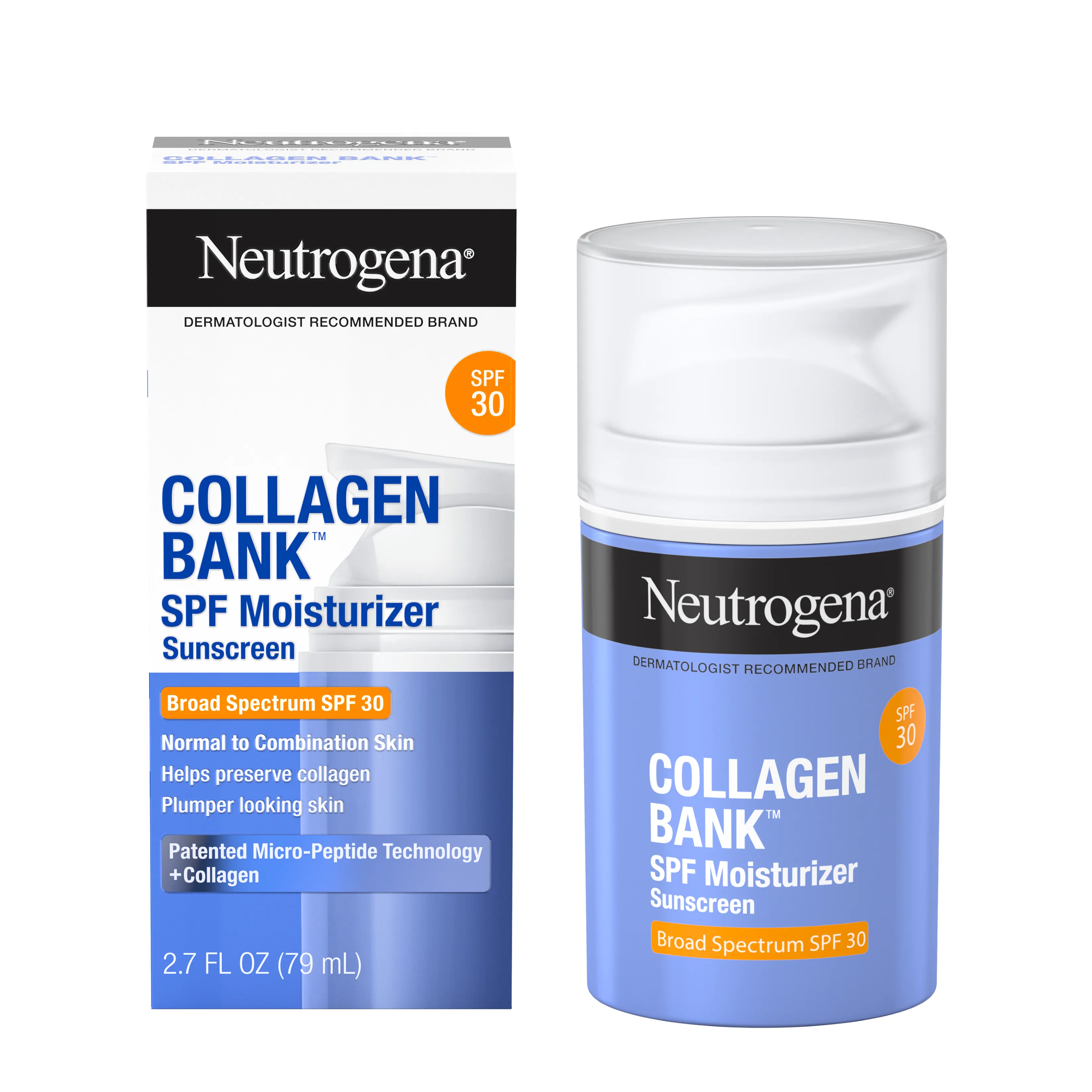
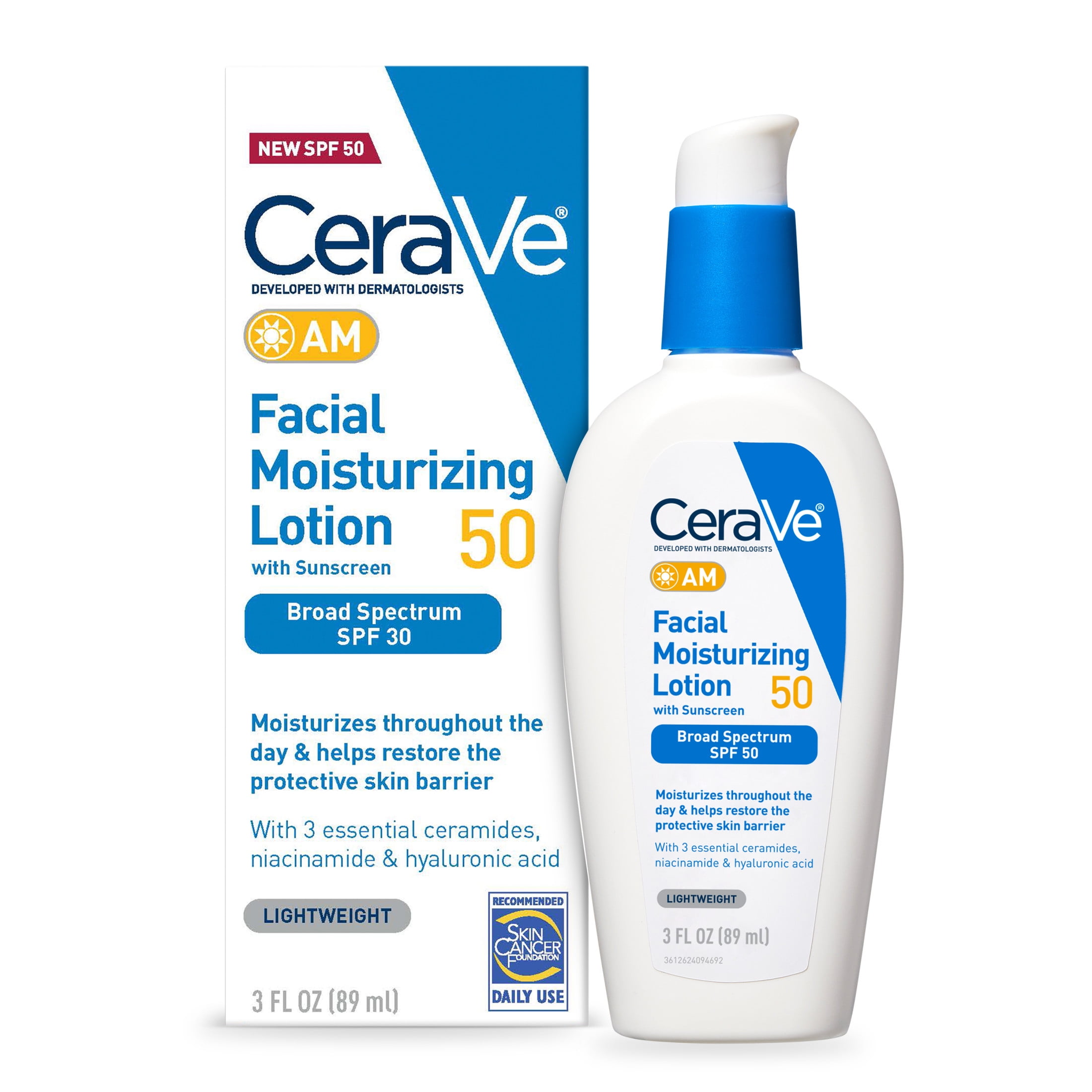
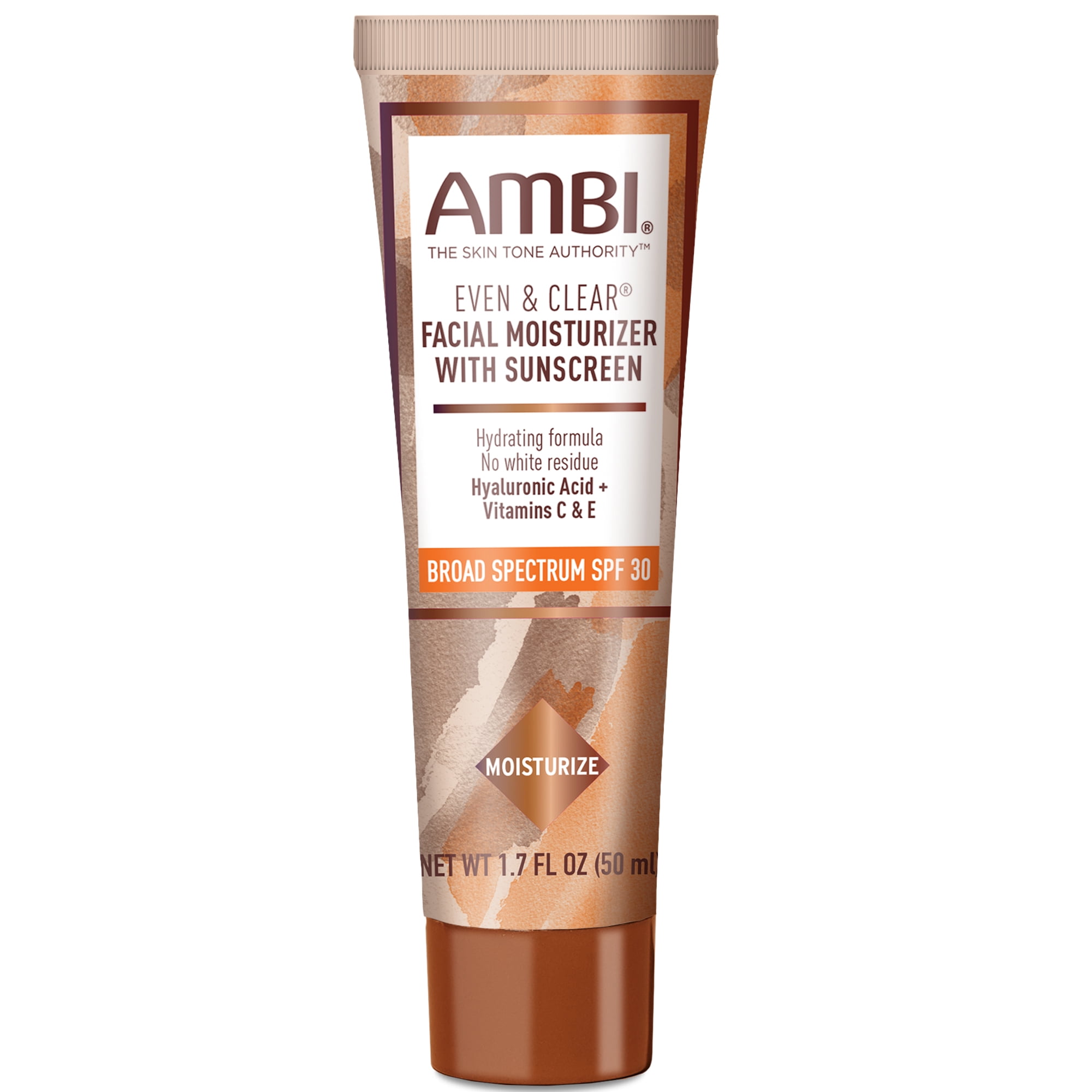
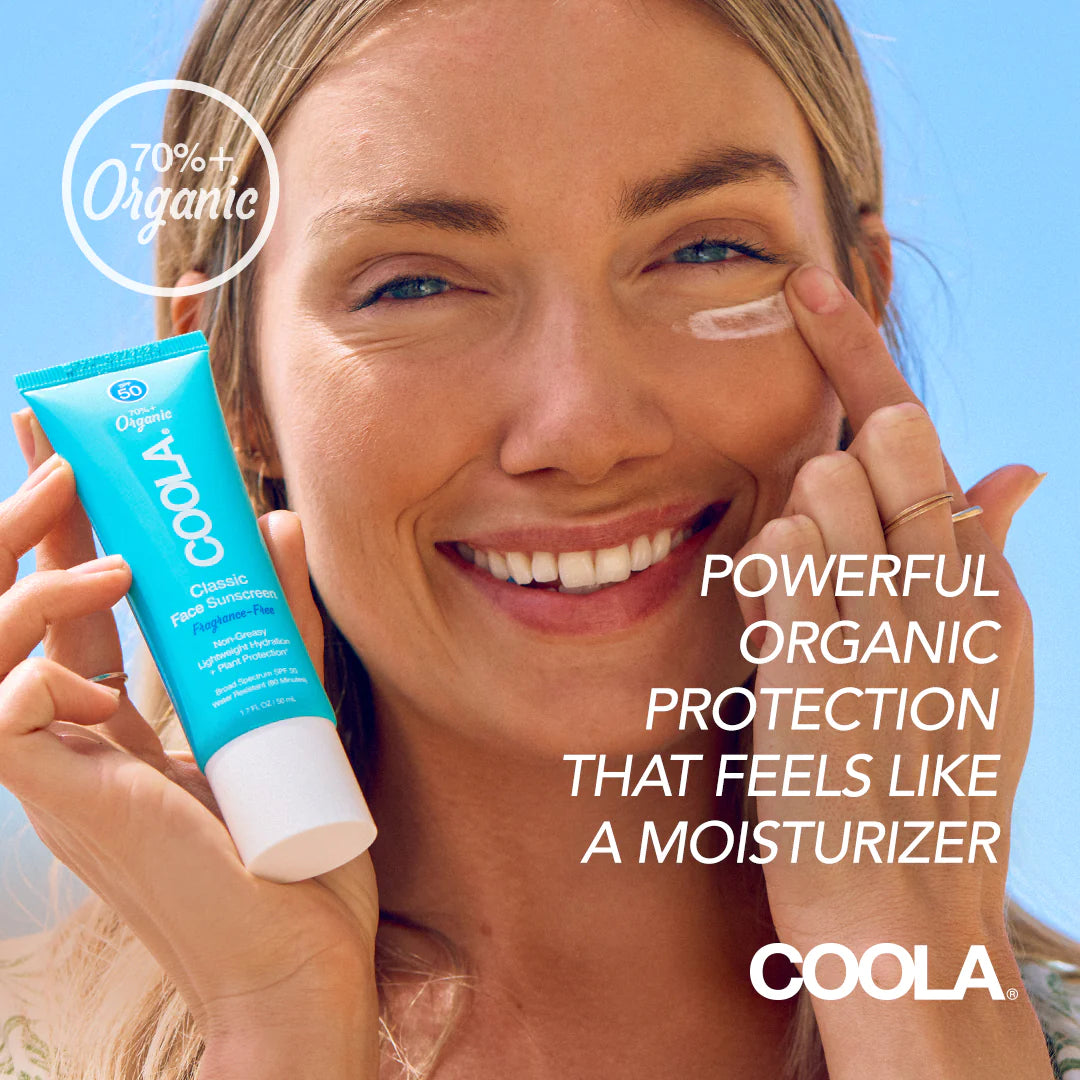
An all-natural moisturizer with SPF is a dual-purpose skincare product that utilizes mineral-based UV filters—specifically zinc oxide or titanium dioxide—to provide broad-spectrum sun protection while hydrating the skin with plant-derived oils and botanicals. Unlike chemical sunscreens, these formulations create a physical barrier on the skin's surface to reflect UV radiation.
The demand for clean beauty has transitioned from a niche preference to a standard market requirement in 2026. Consumers increasingly seek formulations that exclude synthetic UV filters like oxybenzone or avobenzone, favoring ingredients that are both biocompatible and environmentally responsible. However, navigating the world of "natural" sun care requires an understanding of how these ingredients interact with the skin, the regulatory standards governing their efficacy, and the technical challenges of formulation.
Defining "All Natural" in the Context of SPF
In the skincare industry of 2026, the term "natural" remains largely unregulated by the FDA, though it generally refers to products containing ingredients sourced from nature with minimal synthetic processing. When applied to moisturizers with SPF, this usually implies a "mineral" or "physical" sunscreen.
The Role of Mineral Filters
The only two UV filters generally recognized as safe and effective (GRASE) by the FDA for "natural" formulations are Zinc Oxide and Titanium Dioxide. These are naturally occurring minerals that are purified and processed into fine powders. In a moisturizer, these minerals are suspended in a base of oils, butters, and water.
- Zinc Oxide: Offers the most comprehensive protection. It is a broad-spectrum blocker, meaning it protects against both UVA (aging) and UVB (burning) rays.
- Titanium Dioxide: Highly effective at blocking UVB rays and short-wave UVA rays, but often paired with zinc oxide to ensure full-spectrum coverage.
Why "Chemical-Free" is a Misnomer
Technically, everything—including water and zinc oxide—is a chemical. When brands use the term "chemical-free SPF," they are referring to the absence of organic (carbon-based) UV filters such as octocrylene or homosalate. As a senior technical editor, it is important to clarify that "natural" in this context signifies the use of inorganic mineral filters rather than synthetic organic ones.
The Mechanism of Action: How Physical Sunscreens Work
Understanding how an all-natural moisturizer with SPF protects the skin is vital for proper application. These products function as physical blockers. While chemical sunscreens penetrate the epidermis and convert UV rays into heat, mineral moisturizers sit on top of the stratum corneum (the outermost layer of skin).
Reflection and Scattering
Mineral particles act like tiny mirrors. When UV photons hit the skin, the zinc or titanium particles reflect and scatter the light away from the body. This provides immediate protection upon application, whereas chemical sunscreens typically require 15 to 20 minutes to become effective.
The Importance of Micronization
One of the historical complaints regarding natural SPF moisturizers was the "white cast" or chalky residue they left behind. By 2026, advanced micronization and non-nano technology have largely resolved this. Micronized particles are small enough to appear transparent on most skin tones but large enough to remain on the surface of the skin without being absorbed into the bloodstream.
Key Ingredients in All Natural Formulations
Beyond the SPF components, a high-quality natural moisturizer must provide humectants, emollients, and occlusives to maintain the skin barrier.
1. Botanical Antioxidants
UV radiation triggers the production of free radicals, which damage collagen and DNA. Natural moisturizers often include:
- Vitamin E (Tocopherol): Enhances the effectiveness of the mineral filters and stabilizes the formula.
- Green Tea Extract: Contains polyphenols that soothe skin and reduce redness caused by sun exposure.
- Vitamin C: Provides brightening effects and further neutralizes oxidative stress.
2. Plant-Based Hydrators
- Hyaluronic Acid (Naturally Derived): A humectant that pulls moisture into the skin.
- Jojoba Oil: Closely mimics human sebum, making it an excellent emollient for both dry and oily skin types.
- Shea Butter: Provides an occlusive layer that prevents trans-epidermal water loss (TEWL), particularly beneficial for those with dry or mature skin.
3. Secondary Sun Boosters
While not replacements for SPF, certain natural oils possess very low, inherent SPF properties or high antioxidant loads that support UV defense. These include Red Raspberry Seed Oil and Carrot Seed Oil. In a professional formulation, these are used to support the primary mineral filters, not to act as the sole source of protection.
Comparing Mineral and Chemical SPF Moisturizers
| Feature | All Natural (Mineral) SPF | Synthetic (Chemical) SPF |
|---|---|---|
| Active Ingredients | Zinc Oxide, Titanium Dioxide | Avobenzone, Oxybenzone, Octisalate |
| Mechanism | Reflects and scatters UV rays | Absorbs and converts UV to heat |
| Onset of Action | Immediate upon application | 15–20 minutes after application |
| Skin Sensitivity | Generally non-irritating; ideal for sensitive skin | Can cause stings or allergic reactions |
| Environmental Impact | Reef-safe (if non-nano) | Associated with coral bleaching |
| Texture | Can be thicker; potential for white cast | Usually thinner and completely clear |
| Longevity | Sits on top; can be rubbed off easily | Absorbed; may last longer during sweat |
Selecting the Right Product for Your Skin Type
An all-natural moisturizer with SPF is not a one-size-fits-all solution. The base ingredients must align with your skin's specific needs.
For Oily and Acne-Prone Skin
Look for "non-comedogenic" labels. Zinc oxide is actually beneficial for acne-prone skin because it has anti-inflammatory and mildly antimicrobial properties. Seek oil-free lotions that use aloe vera or glycerin as the primary hydrating base rather than heavy oils like coconut oil, which can clog pores.
For Dry and Mature Skin
Mature skin requires more lipids. Look for formulas containing ceramides (derived from plants) and rich oils like argan or rosehip. Because mineral SPF can sometimes be drying, a rich, creamy base is essential to prevent the product from settling into fine lines.
For Sensitive Skin and Rosacea
Mineral moisturizers are the gold standard for sensitive skin. Unlike chemical filters, which can trigger heat-related flushing or stinging, zinc oxide is soothing. Ensure the product is fragrance-free, as "natural" essential oils (like lavender or citrus) can still be irritating to compromised skin barriers.
Proper Application Techniques for Maximum Efficacy
Even the best all-natural moisturizer with SPF will fail if applied incorrectly. Because these products are physical barriers, coverage must be uniform and sufficiently thick.
- The Two-Finger Rule: To achieve the SPF rating on the bottle (e.g., SPF 30), you need approximately 1/4 teaspoon for the face and neck. A common way to measure this is by squeezing two strips of product along the lengths of your pointer and middle fingers.
- Dot and Blend: Do not rub the moisturizer between your palms before applying, as this can lead to uneven distribution. Instead, dot the product across your forehead, cheeks, nose, and chin, then blend outward.
- Don't Forget the Extremities: Natural SPF moisturizers should be applied to the ears, the back of the neck, and the "V" of the chest, which are frequently overlooked areas prone to sun damage.
- Reapplication: If you are outdoors or by a window, you must reapply every two hours. Since mineral SPF sits on the surface, it is easily removed by sweat, friction, or natural oil production.
Environmental and Safety Considerations
By 2026, the environmental impact of skincare is a primary driver of consumer choice. The National Oceanic and Atmospheric Administration (NOAA) has highlighted the damage chemical filters cause to marine ecosystems.
Reef Safety
"Reef-safe" is a term often applied to mineral sunscreens. To be truly reef-safe, the product should use non-nano zinc oxide or titanium dioxide. Nano-sized particles (smaller than 100 nanometers) can be ingested by coral polyps, whereas non-nano particles are too large to pose the same risk.
Regulatory Oversight
In the United States, any product making an SPF claim is regulated as an over-the-counter (OTC) drug. This means the "all-natural" moisturizer must undergo rigorous testing to prove it provides the stated level of protection. For 2026, the FDA continues to emphasize that SPF 15 is the minimum for basic protection, while SPF 30 or higher is recommended for the prevention of skin cancer and early skin aging.
Common Myths and Mistakes
- Myth: High SPF means I don't need to reapply. An SPF 50 moisturizer does not last longer than an SPF 30; it simply blocks a slightly higher percentage of UVB rays (98% vs 97%). Both require reapplication every two hours.
- Mistake: Relying on makeup with SPF. While many natural foundations contain titanium dioxide, you would need to apply several times the normal amount of makeup to achieve the labeled SPF. Use a dedicated SPF moisturizer as your base layer.
- Myth: "Natural" means it never expires. Mineral sunscreens do expire. While the minerals themselves don't break down, the emulsion holding them can separate, leading to uneven protection. Always check the expiration date, typically 2–3 years from the date of manufacture.
Frequently Asked Questions
Can I use an all-natural SPF moisturizer under makeup?
Yes, but you must allow the moisturizer to "set" for 3–5 minutes before applying foundation. Because mineral SPF works by forming a film, applying makeup too quickly can disturb that film and create gaps in your protection. Many modern natural formulations in 2026 include silica or rice powder to provide a primer-like finish that facilitates makeup application.
Does mineral SPF protect against blue light?
Zinc oxide and titanium dioxide provide some protection against high-energy visible (HEV) light, also known as blue light. However, for enhanced protection against blue light from screens and the sun, look for "tinted" natural moisturizers that contain Iron Oxides. These pigments are highly effective at blocking HEV light and also help to eliminate the white cast on deeper skin tones.
Is it safe to use natural SPF on infants?
Dermatologists generally recommend mineral sunscreens (Zinc Oxide/Titanium Dioxide) for children and infants over six months because they are not absorbed into the skin and are less likely to cause rashes. For infants under six months, the American Academy of Pediatrics recommends keeping them out of direct sunlight as much as possible.
Can I make my own natural SPF moisturizer at home?
It is strongly discouraged to attempt "DIY" SPF. Achieving a stable emulsion where the mineral particles are perfectly distributed is a complex laboratory process. Home-mixed versions often have "clumped" minerals, leaving large areas of the skin completely unprotected and vulnerable to severe burns.
Will mineral SPF clog my pores?
While mineral filters themselves are non-comedogenic, the base of the moisturizer (oils and waxes) can be. If you are prone to breakouts, ensure the product is labeled "non-comedogenic" or "oil-free." Zinc oxide actually has a drying effect on some, which can be helpful for those with excessive oil production.
Final Recommendation
For optimal skin health in 2026, transition to an all-natural moisturizer with at least SPF 30 that utilizes non-nano zinc oxide. This provides the most comprehensive broad-spectrum protection while minimizing the risk of skin irritation and environmental harm. If you struggle with the texture of mineral products, opt for a tinted formulation; the iron oxides not only blend the white cast into your natural skin tone but also provide an additional layer of protection against blue light and hyperpigmentation.