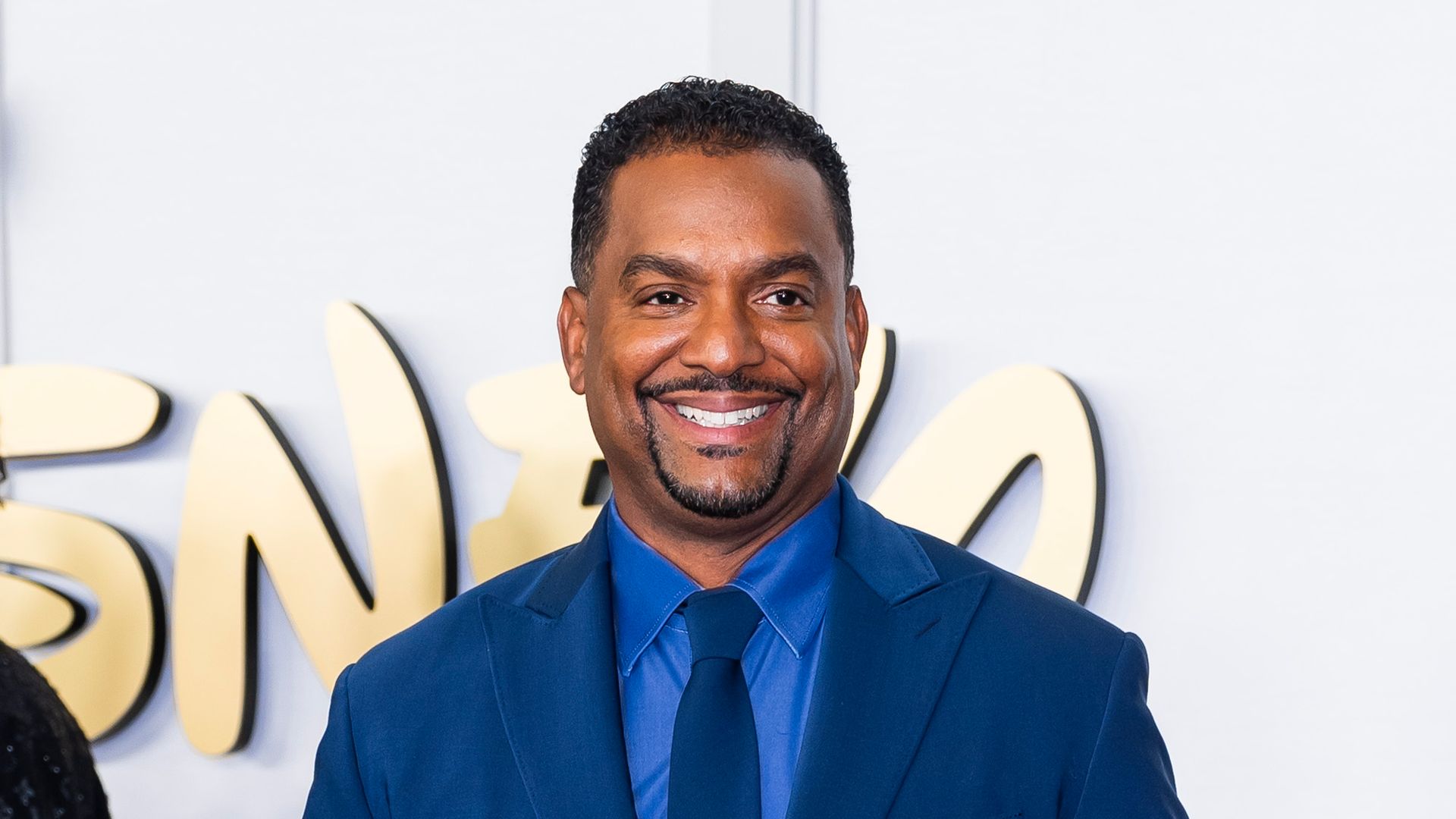
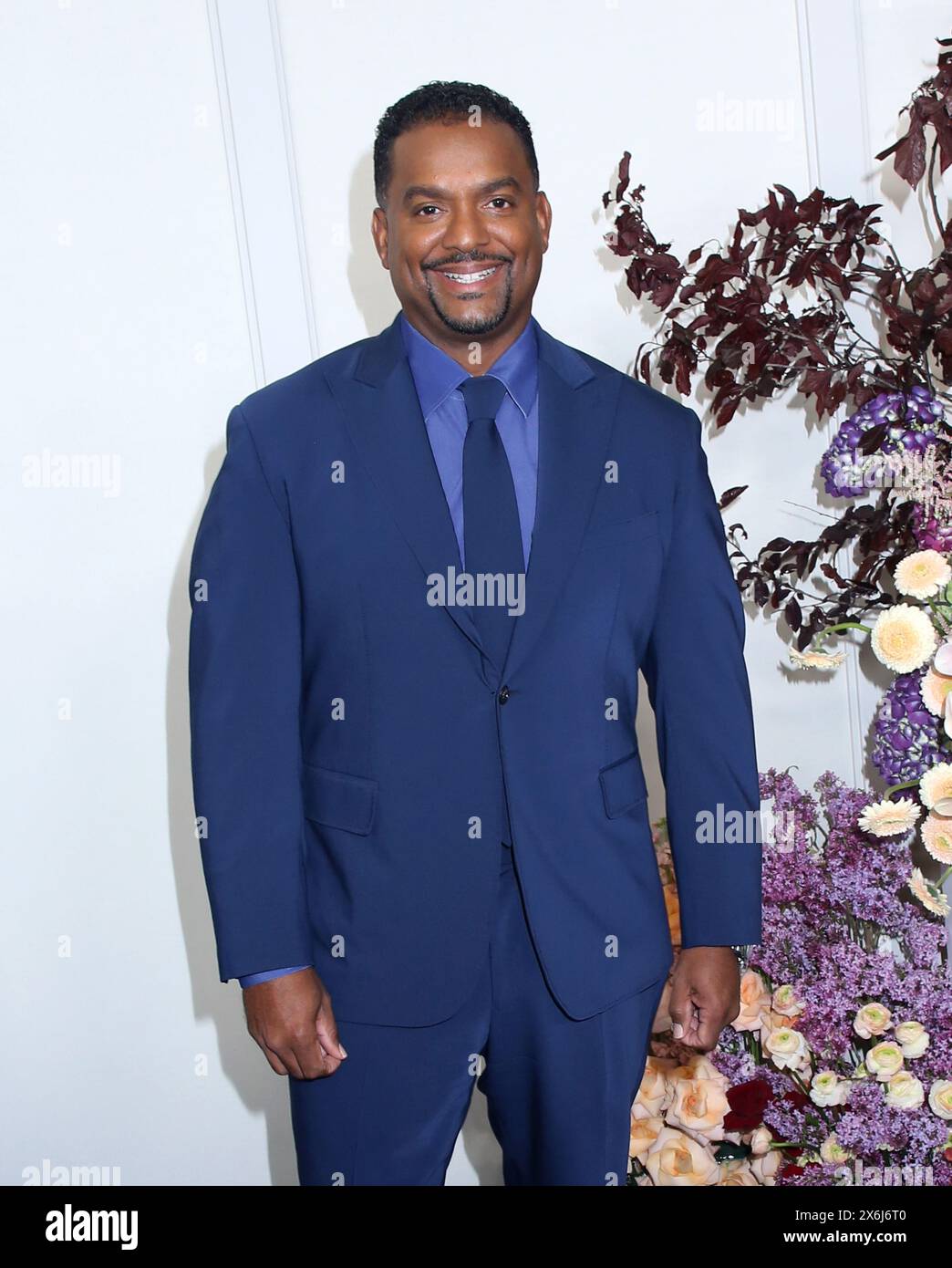
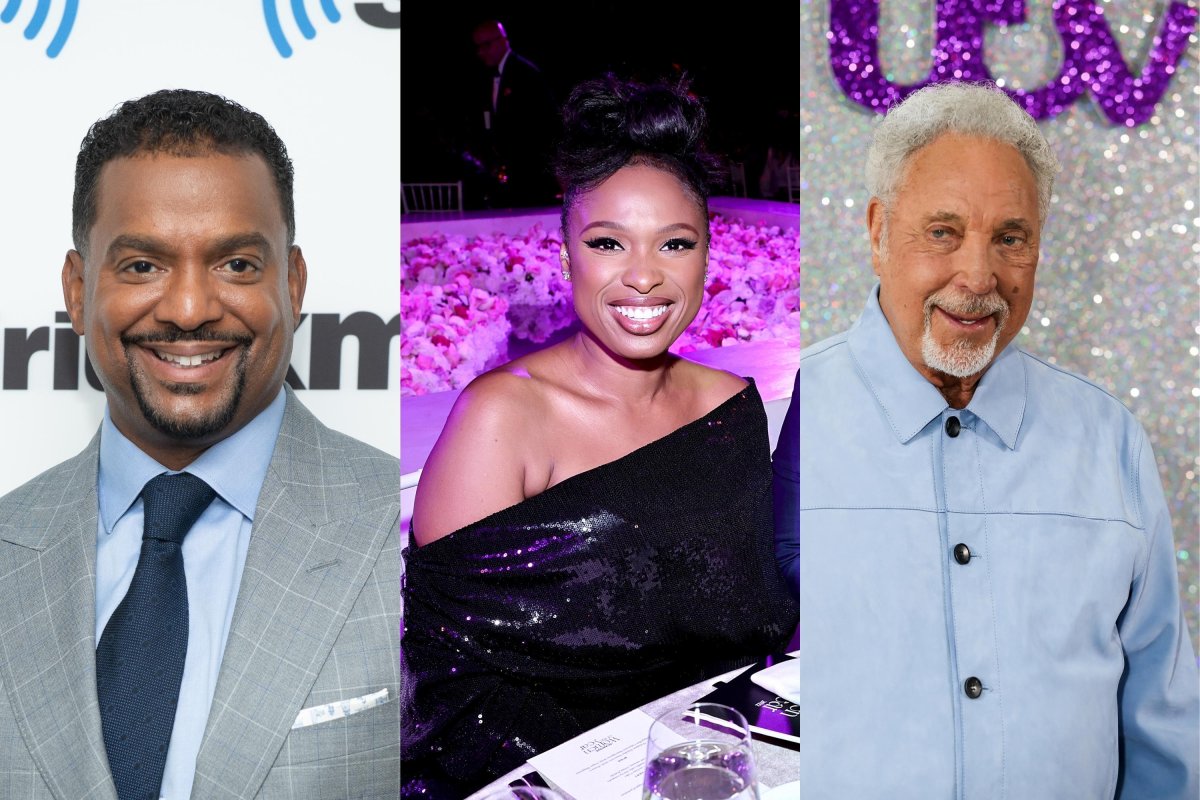
Alfonso Ribeiro is a Black American actor, director, and television host of Trinidadian descent. While his iconic portrayal of Carlton Banks on The Fresh Prince of Bel-Air famously explored themes of cultural authenticity and the "correct" way to express Blackness, Ribeiro has consistently identified with his African American heritage throughout his multi-decade career in Hollywood, often speaking out against stereotypes and the narrow definitions of Black identity.
The question of Alfonso Ribeiro’s identity often arises not from a lack of visual evidence, but from the cultural shadow cast by his most famous character. To understand Ribeiro is to understand the intersection of Caribbean-American roots, the history of Black performance in the United States, and the evolving nature of representation in mainstream media. As of 2026, Ribeiro remains one of the most recognizable faces in American television, serving as a bridge between the classic sitcom era and modern unscripted entertainment.
The Roots of Alfonso Ribeiro: A Caribbean-American Legacy
Alfonso Lincoln Ribeiro was born on September 21, 1971, in the Riverdale neighborhood of the Bronx, New York. His parents, Michael and Joy Ribeiro, were of Trinidadian descent. This Caribbean heritage is a vital component of his identity, as it places him within the rich tapestry of the West Indian diaspora in New York City—a community that has significantly influenced American culture, politics, and the arts.
Trinidadian culture is known for its vibrant blend of African, Indian, and European influences, and growing up in a household with these roots provided Ribeiro with a worldview that was both specifically Black and internationally nuanced. His grandfather was the legendary Trinidadian calypsonian Lord Hummingbird (Albert Ribeiro), which suggests that performance and public life were part of his family's DNA long before he stepped onto a television set.
Ribeiro's early career was marked by his prodigious talent as a dancer and actor. At the age of 12, he won the lead role in the Broadway musical The Tap Dance Kid. This role was pivotal; it established him not just as a child star, but as a technically proficient performer capable of carrying a major production. His Blackness was never a secondary trait; it was central to his presence in the "B-boy" and breakdancing culture of the early 1980s, culminating in his famous appearance in a 1984 Pepsi commercial alongside Michael Jackson.
The Carlton Banks Phenomenon: Navigating "Authenticity"
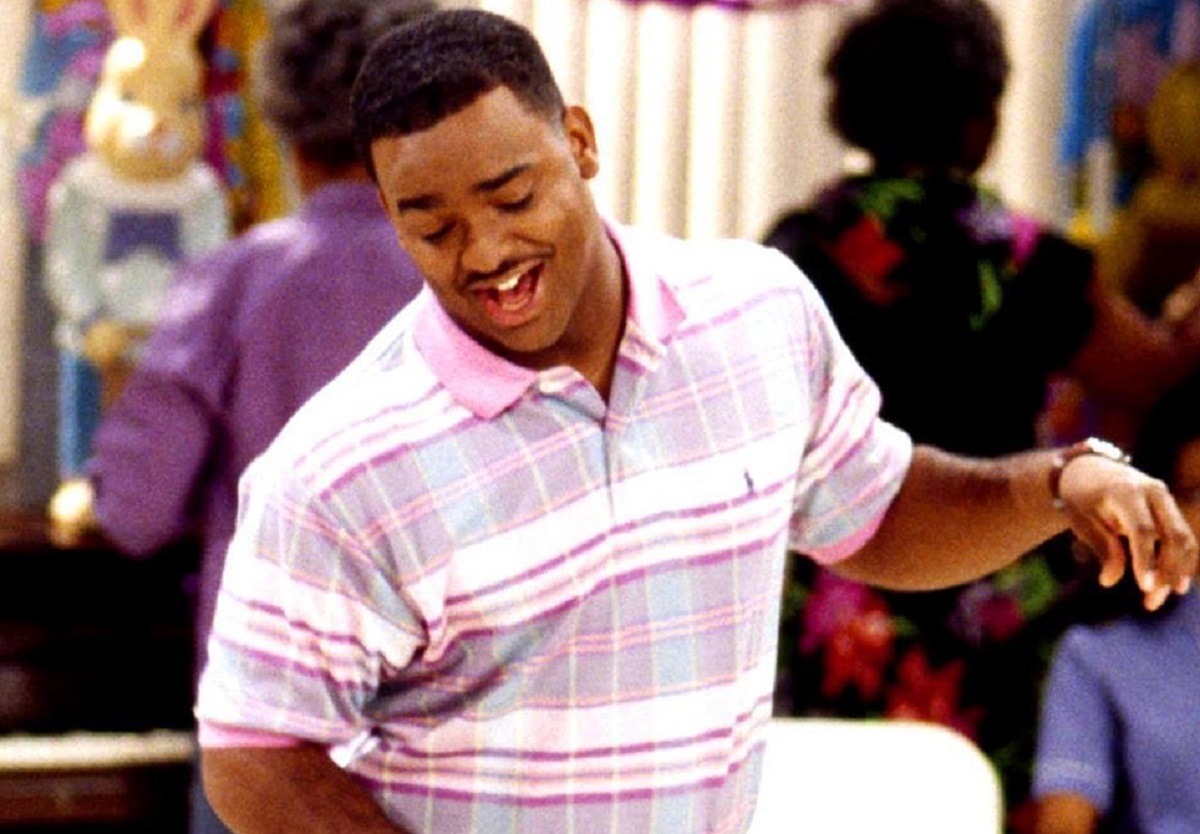
In 1990, Ribeiro was cast as Carlton Banks in The Fresh Prince of Bel-Air. The show was a cultural juggernaut that focused on the friction between Will Smith’s "street-smart" West Philadelphia upbringing and the affluent, "preppy" lifestyle of his relatives in Bel-Air.
The character of Carlton was designed to challenge monolithic views of Blackness. Carlton was wealthy, conservative, a fan of Tom Jones, and academically driven. However, the show frequently used Carlton as a punchline for not being "Black enough" compared to Will. This dynamic mirrored real-world sociological tensions regarding the "Acting White" trope—a harmful stereotype suggesting that academic success or specific aesthetic preferences are somehow a betrayal of Black identity.
One of the most significant episodes in television history regarding this topic is the Season 4 episode "72 Hours." In this episode, Carlton attempts to join a Black fraternity but is rejected by the chapter president, who deems him a "sellout." Carlton’s response remains a definitive statement on identity:
"Being Black isn't what I’m trying to be, it’s what I am. I’m running the same race and facing the same hurdles as you are, so why are you tripping me up? You said we need to stick together, but you don't even know what that means."
This scene was not just a scripted moment for a character; it resonated deeply with Ribeiro’s own experiences. For years after the show ended, Ribeiro struggled with the perception that he was exactly like Carlton—a perception that sometimes led to his exclusion from certain "authentic" Black cultural spaces in the eyes of the public.
Life vs. Fiction: Comparing Alfonso Ribeiro and Carlton Banks
To understand the man behind the character, it is helpful to look at the distinctions between Ribeiro’s real life and the persona that defined a generation.
| Feature | Carlton Banks (Character) | Alfonso Ribeiro (The Person) |
|---|---|---|
| Hometown | Bel-Air, Los Angeles | The Bronx, New York |
| Musical Taste | Tom Jones, Barry Manilow | Hip-Hop, R&B, Jazz |
| Primary Skill | Academic overachiever | Professional dancer and director |
| Social Standing | Socially awkward, eager to please | Outspoken, confident, veteran host |
| Heritage | Wealthy African American | Trinidadian-American |
| Defining Move | "The Carlton" (humorous) | Award-winning ballroom/tap (technical) |
In reality, Ribeiro was a "city kid" who grew up immersed in the birth of hip-hop culture in New York. While Carlton was often the victim of the joke, Ribeiro was the architect of the performance, intentionally imbuing the character with specific traits to highlight the absurdity of judging a person’s race by their interests.
Career Evolution: Beyond the Sitcom
Following The Fresh Prince of Bel-Air, Ribeiro faced the common challenge of typecasting. When an actor plays a role as iconic as Carlton Banks, the industry often struggles to see them as anything else. However, Ribeiro navigated this by diversifying his skill set.
He starred in the sitcom In the House alongside LL Cool J, which placed him in a more contemporary, urban setting, helping to distance him slightly from the Carlton image. More importantly, he transitioned into directing. By 2026, his directorial credits have grown to include dozens of episodes of popular television shows, including Meet the Browns, Are We There Yet?, and Young & Hungry. This shift behind the camera allowed him to exercise creative control and demonstrate his technical expertise in the industry.
Ribeiro's career saw a massive resurgence when he won Season 19 of Dancing with the Stars in 2014. His victory was a reminder to the public of his legitimate status as a professional dancer. It also paved the way for his current role as the host of America's Funniest Home Videos (AFV), a position he has held since 2015. In taking over for Tom Bergeron, Ribeiro became one of the few Black hosts of a long-running, primetime "family" show, further cementing his place as a mainstream American fixture.
Addressing the "Cookout" Culture and Interracial Marriage
In recent years, particularly through the early 2020s and into 2026, Ribeiro has been candid about his relationship with the Black community. He has occasionally expressed frustration with being "un-invited from the cookout"—a slang term referring to Black people who are perceived as being disconnected from their community or culture.
Much of this criticism from social media trolls has focused on his marriage to Angela Unkrich, who is white. Ribeiro has been a staunch defender of his personal life, pointing out the hypocrisy of being judged for his choice of partner. In various interviews, he has noted that he has spent his entire life identifying as a Black man, experiencing the same systemic challenges as any other person of color, regardless of who he goes home to at night.
He has emphasized that "the Black experience" is not a monolith. His life—comprising his Bronx upbringing, his Trinidadian roots, his success in a predominantly white industry, and his role as a father in a multiracial family—is a valid and common version of the Black experience in the 21st century.
The Cultural Impact of the "Carlton Dance"
One cannot discuss Ribeiro’s identity without mentioning the "Carlton Dance." Originally inspired by Courtney Cox in the Bruce Springsteen "Dancing in the Dark" video and Eddie Murphy’s "white man dance" in Delirious, the dance became a global phenomenon.
In 2018, Ribeiro filed lawsuits against Epic Games (Fortnite) and Take-Two Interactive (NBA 2K) for using the dance without his permission. While the legal battles were complex and focused on the copyrightability of "simple dance routines," they highlighted a broader issue: the protection of Black creative labor. Ribeiro was asserting ownership over a physical expression he created, one that had become a staple of pop culture. This fight for intellectual property is a recurring theme for Black artists who have historically seen their innovations co-opted without credit or compensation.
Reflecting on Representation in 2026
As of 2026, the conversation around race and identity in Hollywood has become more sophisticated. The "Carlton" archetype is now studied in media classes as a precursor to more complex Black characters on shows like Black-ish or Atlanta. Alfonso Ribeiro is no longer just "the guy who did the dance"; he is viewed as a pioneer who survived the transition from child stardom to adult success while maintaining his integrity.
His presence on television for over forty years provides a sense of continuity. For many viewers, he represents a specific era of Black excellence—one that was perhaps more constrained by the "respectability politics" of the 90s but was essential in breaking down barriers for the generations that followed.
Frequently Asked Questions
What is Alfonso Ribeiro's actual ethnicity?
Alfonso Ribeiro is Black American with Trinidadian heritage. Both of his parents moved to the United States from Trinidad, and his grandfather was a well-known Trinidadian musician. While he was born in the Bronx, New York, his cultural identity is deeply influenced by his West Indian roots.
Did Alfonso Ribeiro create the "Carlton Dance"?
Yes, Ribeiro choreographed the dance himself during his time on The Fresh Prince of Bel-Air. He has stated in interviews that the dance was an exaggerated parody of how he imagined a "preppy" person might dance, drawing inspiration from Courtney Cox and Eddie Murphy’s comedy specials.
Is Alfonso Ribeiro still active in the entertainment industry in 2026?
Yes, in 2026, Alfonso Ribeiro remains a prominent figure in television. He continues to host America's Funniest Home Videos and has expanded his career as a director for various sitcoms and unscripted projects. He is also a frequent guest and host on various competition and talk shows.
Has Alfonso Ribeiro ever spoken about being "Black enough"?
Ribeiro has been very vocal about this topic. He has criticized the idea that there is only one "correct" way to be Black and has shared his personal struggles with being typecast or judged based on the character of Carlton Banks. He advocates for the recognition of Black people as individuals with diverse interests and backgrounds.
Does Alfonso Ribeiro have children?
Yes, Alfonso Ribeiro has four children. He has a daughter, Sienna, from his first marriage to Robin Stapler, and three children—AJ, Anders, and Ava—with his current wife, Angela Unkrich. He frequently shares glimpses of his family life on social media, emphasizing his role as a dedicated father.
Conclusion and Final Reflections
Alfonso Ribeiro is a multifaceted individual whose identity as a Black man is central to his life and work. From his early days as a Broadway performer to his status as a household name in 2026, he has navigated the complexities of race in the public eye with resilience. To suggest that his identity is defined solely by the "preppy" persona of Carlton Banks is to ignore the rich Trinidadian heritage, the Bronx upbringing, and the professional discipline that have fueled his long career.
For those interested in the evolution of Black representation, Ribeiro serves as an important case study in how actors can both embrace and transcend their most famous roles. The best way to follow his ongoing contributions to the industry is to watch his directorial work or catch his hosting duties, where his authentic personality—separate from the Carlton persona—truly shines.