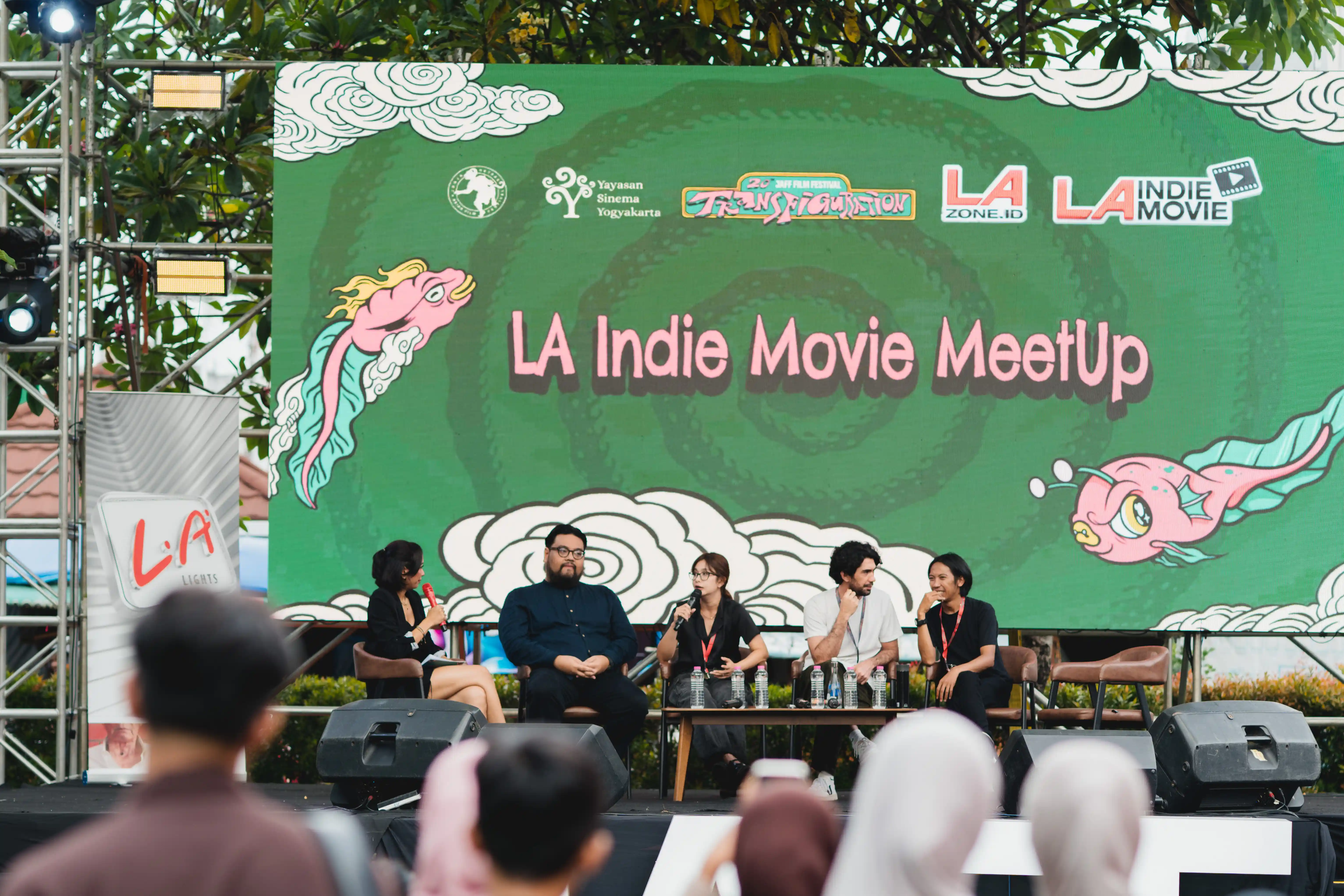
Alex Brannan is a distinguished scholar and film critic specializing in film reception studies, digital media cultures, and horror cinema. He is recognized for bridging the gap between rigorous academic analysis and public-facing criticism through his platform, CineFiles Reviews. His work examines how contemporary audiences interpret and derive meaning from films within digital environments.
The Academic Evolution of Alex Brannan
Alex Brannan has established himself as a significant figure in the "new wave" of film scholarship, where the boundaries between the ivory tower and the digital public sphere are increasingly fluid. By 2026, his contributions to the field of film reception have moved beyond preliminary inquiries into a structured framework for understanding how movies exist as cultural artifacts long after they leave the theater.
Brannan’s academic journey is rooted in a deep engagement with the University of Iowa’s Department of Cinematic Arts, an institution known for its robust history in film theory and production. Within this environment, Brannan focused on the complexities of audience engagement. His research trajectory often navigates the intersection of paratextual analysis—the study of materials surrounding a film, such as trailers, reviews, and social media discourse—and the primary viewing experience.
Unlike traditional film historians who might focus solely on the production history or the director's "auteur" vision, Brannan’s scholarly lens is turned toward the viewer. He investigates the "social life" of a film. This involves analyzing how fans on platforms like Letterboxd, Reddit, and specialized horror forums negotiate the meaning of a text. This transition from "text-centric" to "audience-centric" scholarship marks him as a vital voice for the current decade.
Defining Film Reception Studies in the Modern Era
To understand Brannan’s impact, one must first understand the niche of film reception studies. Historically, this field emerged as a response to formalist film theory, which suggested that meaning was contained entirely within the frame of the movie. Reception scholars, influenced by figures like Stuart Hall and Janet Staiger, argue that meaning is "negotiated" between the film and the spectator.
Brannan’s work updates these classical theories for the 2020s. In an era of streaming algorithms and "review bombing," the way a film is received is often more volatile than it was in the era of print journalism. Brannan explores several key pillars in his research:
- Interpretive Communities: How groups of people (e.g., horror fans, LGBTQ+ audiences, or political subcultures) create shared meanings for a film that might differ from the mainstream interpretation.
- Digital Paratexts: The role of the "second screen." How live-tweeting or reading a Wikipedia summary while watching a movie alters the cognitive processing of the narrative.
- Genre Expectations: Specifically within horror and cult cinema, how an audience’s prior knowledge of "tropes" dictates their satisfaction or disappointment with a new release.
By focusing on these areas, Brannan provides a roadmap for how film studies can remain relevant in an age where the "theatrical experience" is no longer the sole arbiter of a film's cultural value.
The Significance of CineFiles Reviews
While many scholars remain confined to academic journals, Brannan has maintained a significant public presence through CineFiles Reviews. This platform serves as a primary case study for "public scholarship." It is not merely a site for star ratings; it is an archive of evolving critical thought.
On CineFiles, Brannan applies academic rigor to contemporary releases. His reviews often dissect the ideological underpinnings of a film, looking at how gender, class, and race are represented, while also maintaining an accessible tone for the general reader. This dual-purpose writing is a hallmark of his career. It satisfies the casual moviegoer looking for a recommendation while providing enough "meat" for the student of cinema to cite in a research paper.
By 2026, the archives of CineFiles Reviews have become a valuable resource for longitudinal studies of film reception. Researchers can look back at Brannan’s contemporaneous reactions to the "prestige horror" boom of the late 2010s or the post-pandemic shifts in blockbuster distribution to see how critical consensus is formed in real-time.
Key Research Interests: Horror, Cult Cinema, and Fandom
Alex Brannan’s specialization in horror cinema is not incidental; it is central to his understanding of reception. Horror is a genre that demands a physical and emotional reaction from the audience—fear, disgust, or relief. This makes it the perfect laboratory for reception studies.
The Politics of Horror
Brannan’s scholarship often investigates the "reception of the transgressive." He looks at films that were initially panned by critics but embraced by subcultures. This "cult" status is a form of reception that defies traditional industry metrics. His work explores how horror serves as a mirror for societal anxieties, and how different generations of viewers "re-read" classic horror films through the lens of modern social movements.
Cult Cinema and "Bad" Movies
Another area of Brannan’s expertise is the study of paracinema—films that are often viewed ironically or celebrated for their perceived lack of quality (the "so bad it's good" phenomenon). Brannan argues that the reception of these films is a sophisticated social performance. Watching a cult film is not just about the movie; it is about the community built around the shared experience of watching it.
| Feature | Traditional Film Criticism | Brannan’s Reception Scholarship |
|---|---|---|
| Primary Focus | The Director's intent and technical skill. | The Audience's interpretation and reaction. |
| Source Material | The film itself (the "text"). | The film + reviews + social media + fan art. |
| Goal | To determine if a film is "good" or "bad." | To determine what a film "means" to people. |
| Context | Art history and cinematic tradition. | Cultural studies and digital sociology. |
| Medium | Academic journals or major newspapers. | Multi-platform (Journals, Blogs, Social Media). |
Methodological Approaches: How Brannan Conducts Research
Brannan employs a multi-methodological approach that distinguishes his work from more narrow academic silos. His research often utilizes:
- Content Analysis: Systematically coding online reviews to identify recurring themes in audience feedback.
- Historical Poetics: Looking at how the "rules" of filmmaking change over time and how audiences learn to read these new rules.
- Autoethnography: Sometimes using his own experiences as a critic and fan to reflect on the broader trends in the film community.
This "mixed-methods" approach is essential for capturing the complexity of the digital age. A single "reading" of a film is no longer sufficient; a scholar must account for the millions of "readings" happening simultaneously across the globe. Brannan’s work provides the tools to organize this data into meaningful insights about our culture.
The Intersection of Film Studies and Digital Humanities
By 2026, the field of Digital Humanities (DH) has become inseparable from film studies, and Brannan is at the forefront of this integration. His work acknowledges that we no longer consume films in a vacuum. We consume them through interfaces.
Brannan explores how the architecture of streaming platforms (like Netflix’s "Trending Now" or MUBI’s curated lists) acts as a form of "curatorial reception." The algorithm itself becomes a participant in the reception process, suggesting to the viewer how they should value a particular piece of content. Brannan’s scholarship asks: Does the algorithm limit our ability to form independent interpretations, or does it provide a new kind of "interpretive community"?
Professional Standing and Contributions to the Field
As an emerging scholar, Alex Brannan has contributed to several key academic circles. His participation in the Society for Cinema and Media Studies (SCMS) and various film festivals has allowed him to shape the discourse around contemporary horror and digital spectatorship.
His bibliography includes a range of peer-reviewed articles and book chapters that tackle the "messiness" of modern fandom. Whether he is discussing the "toxic fandom" surrounding major franchises or the "quiet appreciation" of slow cinema, Brannan maintains a balanced perspective. He avoids the cynicism often found in traditional criticism, opting instead for a curious, analytical approach that respects the audience’s agency.
Why Brannan’s Work Matters in 2026
In the current media landscape, we are inundated with "content," but we often lack the tools to understand its impact. Alex Brannan provides those tools. His work is important for several reasons:
- Validating the Audience: He proves that what "regular people" think about a movie is just as academically significant as what a professional critic thinks.
- Preserving Digital History: By documenting online film discourse, he is preserving a record of 21st-century cultural thought that might otherwise be lost to deleted accounts and dead links.
- Modernizing Pedagogy: He offers a model for how film is taught in universities, moving away from a "Great Man" theory of history toward a more democratic, inclusive understanding of cinema.
For students, filmmakers, and fans, Brannan’s scholarship serves as a bridge. It helps filmmakers understand how their work might be "re-authored" by the public, and it helps fans understand the deeper psychological and social forces driving their love for cinema.
FAQs About Alex Brannan and Film Reception
What is the difference between a film critic and a film reception scholar?
A film critic typically evaluates a film's quality and provides a recommendation to an audience. A film reception scholar, like Alex Brannan, studies how that audience (and the critics themselves) responds to the film. While Brannan acts as both, his scholarly work focuses on the "why" and "how" of audience reaction rather than just the "is it good?" aspect.
Where can I find Alex Brannan’s academic writing?
His academic work is frequently published in journals related to media studies, horror cinema, and digital cultures. He also contributes to edited collections focused on genre theory. For a more accessible entry point, his website, CineFiles Reviews, contains a wealth of high-level analysis that mirrors his academic interests.
Why is Alex Brannan often associated with horror cinema?
Horror is a unique genre where the "reception" is often visceral and immediate. Because horror films frequently deal with taboo subjects and subcultural "cult" followings, they provide the most complex and interesting data for a reception scholar. Brannan’s expertise in this area allows him to explore the limits of audience tolerance and the mechanics of fear.
How does "paratextual analysis" work in his research?
Paratextual analysis involves looking at everything around the movie. For example, Brannan might look at how a controversial marketing campaign for a horror movie influenced the way people reviewed it on opening night. He treats the trailer, the poster, and even the social media "hype" as part of the film's total meaning.
Can his methods be applied to other forms of media?
Yes. While Brannan focuses on film, his theories on interpretive communities and digital reception are highly applicable to video games, television, and even viral social media trends. The framework of "negotiated meaning" is a universal tool in media studies.
Recommended Next Steps for Students and Enthusiasts
To engage deeply with the work of Alex Brannan and the field of film reception, consider the following actions:
- Visit CineFiles Reviews: Explore the long-form essays to see how academic concepts like "ideological critique" are applied to recent blockbusters and indie films.
- Study Reception Theory: Read foundational texts by Janet Staiger and Hans Robert Jauss to understand the historical context that informs Brannan’s modern updates.
- Analyze Your Own Reception: The next time you watch a film, take note of your "paratextual" influences. Did a tweet you read change how you viewed the ending? This self-reflection is the first step in understanding Brannan’s methodology.
- Follow Academic Journals: Look for Brannan’s contributions in publications like Cinema Journal or specialized horror studies journals to see his most recent data-driven research.
Alex Brannan represents a shift toward a more inclusive, digital-native form of scholarship. By treating the audience as an active participant in the creation of cinematic meaning, he ensures that film studies remains a vital, breathing discipline in 2026 and beyond.