Alaska Airlines primarily operates out of the Main Terminal at Seattle-Tacoma International Airport (SEA), specifically utilizing Concourses C and D, and increasingly utilizing the North Satellite (N gates). Contrary to common inquiries regarding a "Terminal 2," SEA does not utilize a numbered terminal system. Understanding the layout of the airport is critical for passengers, as confusing concourses for terminals often leads to significant delays during check-in or transit.
Clarifying the Seattle-Tacoma International Airport Layout
The confusion surrounding "Terminal 2" at Seattle-Tacoma International Airport typically stems from a misunderstanding of how the airport infrastructure is categorized. Unlike some international hubs that designate buildings as Terminal 1, Terminal 2, and so on, SEA operates as a single massive terminal building complex connected to a series of distinct concourses.
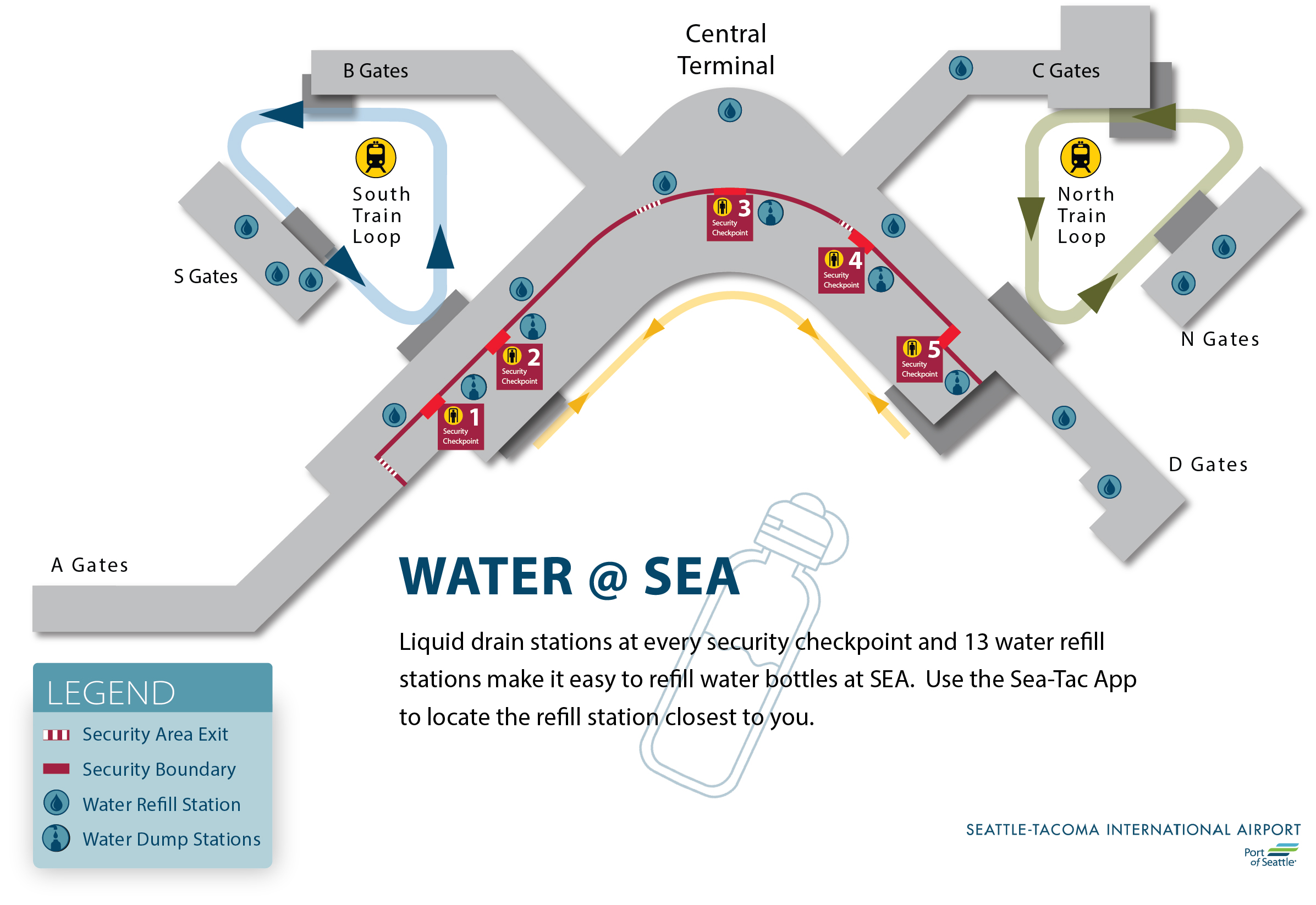
When you arrive at the airport, you are entering the Main Terminal. This central hub houses the ticketing counters, baggage claim areas, and the security checkpoints. Once you pass through security, you are within the secure side of the facility, which branches out into various concourses identified by letters (A, B, C, D) and the separate North and South Satellites. Because Alaska Airlines is the hometown carrier for Seattle, it occupies a significant footprint within this layout, primarily centered around Concourses C and D, though its operations have expanded significantly into the North Satellite to accommodate increased flight volumes.
Alaska Airlines Operations: Concourses C, D, and the North Satellite
Alaska Airlines maintains a dominant presence at SEA, which functions as its primary hub. Because flight gates can change based on operational needs, aircraft maintenance schedules, and incoming flight delays, passengers should not rely solely on habitual terminal or concourse assumptions.
Concourse C and D: These areas are the traditional heart of Alaska Airlines’ operations at SEA. Most domestic flights and regional connections are managed here. These concourses are centrally located within the main terminal building, making them relatively easy to access after clearing the central security checkpoints.
The North Satellite (N Gates): To support its growth, Alaska Airlines has shifted a notable portion of its operations to the North Satellite. Passengers assigned to N-gates will need to utilize the satellite transit train system after clearing security. The transit time between the main terminal and the North Satellite should be factored into your pre-flight planning, especially if you are traveling during peak hours or have tight connection windows.
Why Terminal Numbering is Absent at SEA
For travelers accustomed to airports like Chicago O’Hare (ORD) or New York JFK, the lack of numbered terminals at SEA can be disorienting. The Port of Seattle, which manages the airport, designed the facility as a consolidated terminal to streamline passenger flow. By avoiding a multi-terminal structure that requires external bus transfers, the airport aims to keep all passenger amenities, dining, and retail options within a single, walkable (or train-accessible) secure zone.
When you see signs for "Terminal 2" in unofficial guides or third-party travel forums, it is likely a misidentification of a concourse or a legacy reference to historical renovations. Relying on these non-official designations can lead to frustration. Always verify your gate number via the Alaska Airlines mobile app or the official SEA Airport flight information displays.
Operational Logistics for Alaska Airlines Passengers
Navigating SEA effectively requires an understanding of how to move between these zones. Whether you are checking bags or heading to your gate, the following steps will ensure a smoother experience.
- Check-in and Ticketing: All Alaska Airlines ticketing counters are located in the Main Terminal. Whether your flight departs from Concourse C, D, or the North Satellite, you must start your journey at the Main Terminal ticketing level.
- Security Screening: SEA features multiple security checkpoints (Checkpoints 1 through 5). While you can generally pass through any checkpoint, some are closer to specific concourses. If you are flying Alaska, check the real-time wait times on the SEA Airport website to choose the most efficient path to your assigned concourse.
- Satellite Transit: If your gate is in the N-gates (North Satellite), locate the underground satellite transit train. This system is free and runs continuously, but during peak departure times, the wait can occasionally spike.
- Boarding Passes: Your digital or printed boarding pass is the single most reliable source of truth. It will specify your concourse and gate number. If the gate number is not yet assigned, the Alaska Airlines app will provide a notification as soon as it becomes available.
Comparative Overview of Terminal and Concourse Structures
The following table illustrates the operational realities of navigating SEA versus a typical numbered-terminal airport, helping you differentiate between the two layouts.
| Feature | Seattle-Tacoma (SEA) | Standard Numbered Terminal Hub |
|---|---|---|
| Structure | Single Main Terminal + Satellites | Multiple discrete, distant terminals |
| Connectivity | Connected by underground train/walkways | Often requires external shuttle buses |
| Gate Identification | Letter-based (e.g., C1, N10) | Number-based (e.g., T2-Gate 4) |
| Centralization | High (Shared security/baggage) | Low (Distributed security/baggage) |
| Alaska Airlines Hub | Concourses C, D, and North Satellite | Usually restricted to one specific terminal |
Frequently Asked Questions
1. Is there a Terminal 2 at Seattle-Tacoma Airport? No. SEA does not use a numbered terminal system. All flight operations occur within one large terminal building that connects to various concourses and satellite buildings.
2. Where do I go to check in for an Alaska Airlines flight? You should head to the Main Terminal ticketing level. Alaska Airlines has prominent self-service kiosks and counter staff available throughout the main ticketing lobby.
3. If my gate is in the North Satellite, how do I get there? After passing through security in the Main Terminal, follow the signs for the satellite transit train. It will take you directly to the North Satellite (N gates), where many Alaska Airlines departures are located.
4. How early should I arrive at SEA for an Alaska Airlines flight? For domestic flights, arriving two hours before departure is standard. For international flights, three hours is recommended. During holidays or peak summer travel, add an extra 30–60 minutes to account for potentially long security lines.
5. Are all Alaska Airlines flights in the same concourse? No. While Alaska Airlines primarily uses Concourses C, D, and the North Satellite, gate assignments are dynamic. Always verify your specific gate on the Alaska Airlines app or the airport monitors upon arrival.
Practical Guidance for Frequent Travelers
To minimize stress, treat your flight information as a dynamic variable rather than a static one. The "Terminal 2" confusion is a reminder that airport operations are fluid. If you have an upcoming trip, take these proactive steps:
- Download the Alaska Airlines App: This is the most accurate way to receive real-time gate changes, boarding times, and baggage claim information.
- Sign up for Flight Notifications: Enable push notifications for your flight status to receive instant updates if your gate changes from a C-concourse gate to an N-gate (or vice versa).
- Utilize SEA Spot Saver: If available for your flight, use the SEA Spot Saver program to reserve a time slot at the security checkpoint. This can significantly reduce wait times, allowing you more time to navigate to your concourse without rushing.
- Verify Baggage Claim: Upon returning to Seattle, check the airport screens or your airline app for your designated baggage claim carousel. Unlike gates, these are in the main baggage claim hall and are clearly marked by flight number.
By focusing on your specific gate letter and number rather than searching for a non-existent "Terminal 2," you will navigate the Seattle-Tacoma International Airport with significantly higher confidence and efficiency. Remember that your boarding pass and official airport signage are the ultimate authorities for your journey.