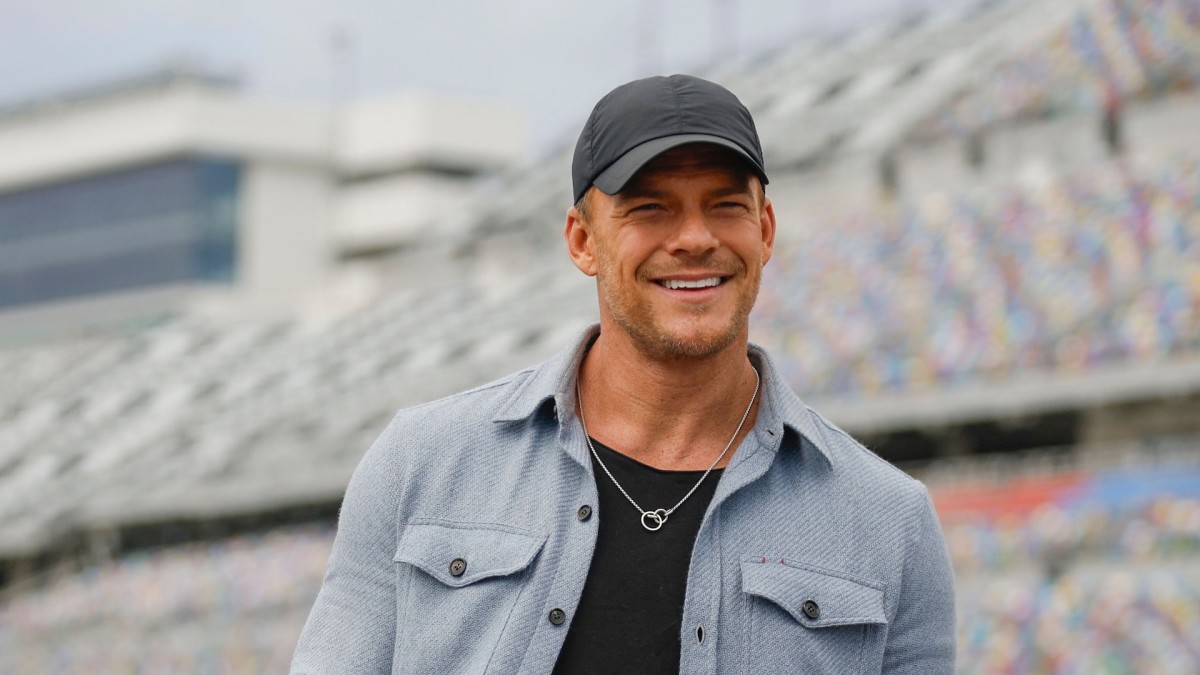
Alan Stillman is an American hospitality entrepreneur whose estimated net worth ranges between $50 million and $100 million, accumulated through decades of pioneering restaurant concepts, high-profile corporate acquisitions, and prime real estate operations. Best known as the founder of T.G.I. Friday's and Smith & Wollensky, Stillman fundamentally reshaped modern casual dining and upscale steakhouse hospitality.
Early Entrepreneurship: Inventing the Modern Casual Dining Bar
Before Alan Stillman entered the restaurant industry, the American dining landscape was sharply divided. Neighborhood taverns catered primarily to male patrons, while formal dining rooms required reservations, dress codes, and substantial expense. Unmarried young adults living in urban centers lacked a casual, welcoming environment designed for social gathering.
In 1965, Stillman—then working as a chemical salesman with no prior restaurant management experience—decided to solve this problem. Recognizing that Manhattan’s Upper East Side was filled with young single professionals, secretaries, and flight attendants, he bought a small bar at the corner of First Avenue and 63rd Street. He invested approximately $10,000, borrowing money from his mother and securing personal loans to renovate the space. He named the venue T.G.I. Friday's ("Thank God It's Friday").
- Traditional Taverns / Fine Dining
- Alan Stillman's 1965 Innovation: T.G.I. Friday's
- Casual, welcoming environment for singles
- Premium bar program & approachable menu
- Aesthetic: Tiffany lamps, wooden rails, brass fixtures
- Modern Casual Dining Industry Blueprint
- (Inspired Applebee's, Chili's, Ruby Tuesday)
Stillman’s initial vision was not to create a global chain, but to build a comfortable venue to meet people. However, his operational and design choices redefined hospitality architecture:
- Aesthetic Innovation: He installed brass rails, mahogany bars, Tiffany-style glass lamps, and red-and-white striped awnings, creating a warm, eclectic environment.
- The "Singles Bar" Concept: By hiring friendly, approachable bartenders and encouraging a vibrant mixing environment, T.G.I. Friday's became recognized by media outlets as one of the country's first dedicated singles bars.
- Standardized Casual Menus: Stillman integrated standard tavern fare with high-margin cocktails, serving food late into the night.
The concept was an immediate financial success, reportedly generating over $1 million in gross sales during its first full year—an extraordinary figure for a neighborhood bar in the mid-1960s. As the brand expanded to suburbs and outer markets, Stillman laid the operational groundwork for what would become the multi-billion-dollar casual dining industry. In 1975, recognizing the capital required for massive national expansion, Stillman sold the T.G.I. Friday's brand to Carlson Companies for an undisclosed sum that provided the foundational capital for his next major enterprise.
Redefining Upscale Dining: The Launch of Smith & Wollensky
Following his success with T.G.I. Friday's, Stillman turned his focus toward high-end dining. He observed that traditional American steakhouses were often somber, clubby, and exclusive. In 1977, Stillman opened Smith & Wollensky at 49th Street and Third Avenue in Manhattan, housed in a historic wooden building painted in distinctive green and white exterior colors.
The naming of the restaurant reflected Stillman's unconventional approach to marketing. According to industry lore, he selected the names "Smith" and "Wollensky" at random from a New York City telephone directory after rejecting traditional corporate titles.
| Smith & Wollensky Operational Model |
|---|
| • Premium USDA Prime Beef (Dry-Aged On-Premises) |
| • High-Volume, Large-Footprint Locations |
| • Turn-of-the-Century Aesthetic Architecture |
| • Industry-Leading Wine Programs (National Wine Week) |
| • High Average Check Sizes Driven by Corporate Accounts |
Smith & Wollensky was built on operational principles that set it apart from legacy steakhouses:
- Massive Scale and Volume: Unlike small, quiet dining rooms, Stillman designed Smith & Wollensky to accommodate hundreds of guests simultaneously without sacrificing food quality or service speed.
- In-House Dry Aging: The restaurant established a dedicated butcher shop on-site, dry-aging USDA Prime beef for 28 days or longer, establishing a standard for steak quality in New York.
- National Wine Week: Launched by Stillman in 1985, this promotional initiative allowed guests to sample premium wines alongside their meals for a nominal fee. The event grew into an industry standard, boosting beverage revenues and building relationships with major global wineries.
Under Stillman’s leadership, the parent entity—initially called the New York Restaurant Group—expanded its portfolio to include prestigious New York venues such as The Post House, Manhattan Ocean Club, Park Avenue Cafe, Cite, and Maloney & Porcelli. Each venue operated with distinct thematic designs while applying Stillman’s core financial playbook: high unit volumes, strong beverage programs, and premium menu pricing.
Corporate Expansion, Public Offering, and the $100 Million Acquisition
By the late 1990s, Smith & Wollensky had expanded beyond Manhattan to major metropolitan markets including Chicago, Miami Beach, Las Vegas, Washington D.C., and Boston. To fund further national growth, Stillman formed The Smith & Wollensky Restaurant Group, Inc. and took the company public on the NASDAQ exchange in 2001 under the ticker symbol SWRG.
Operating a public restaurant enterprise brought both capital and increased corporate oversight. While unit revenue remained high across top-tier cities, rising food costs, real estate expenses, and broader economic fluctuations placed pressure on profit margins.
- 2001: Smith & Wollensky IPO (NASDAQ: SWRG)
- 2001 - 2007 Public Operations: National expansion across major US cities
- 2007: $100M Takeover Acquisition (Patina Restaurant Group / Bunker Hill Capital)
- Strategic Retained Asset Realignment: Stillman retains sole ownership of original NYC Flagship & Brand Rights
In 2007, the company became the target of a competitive takeover battle between Landry's Restaurant Group and Patina Restaurant Group (backed by private equity firm Bunker Hill Capital). Ultimately, Bunker Hill Capital and Patina acquired The Smith & Wollensky Restaurant Group in a transaction valued at approximately $100 million ($9.25 per share).
A critical element of this transaction highlighted Stillman's deal-making capability: while the private equity buyers acquired the national chain locations and international trademark rights, Stillman retained personal ownership and operational control of the flagship Smith & Wollensky New York City location, along with rights to operate specific original restaurant concepts. Maintaining ownership of the flagship unit—which routinely generates tens of millions of dollars in annual gross revenue—secured a steady, high-margin cash flow for Stillman's ongoing business ventures.
Fourth Wall Restaurants and Quality Branded: The Family Transition
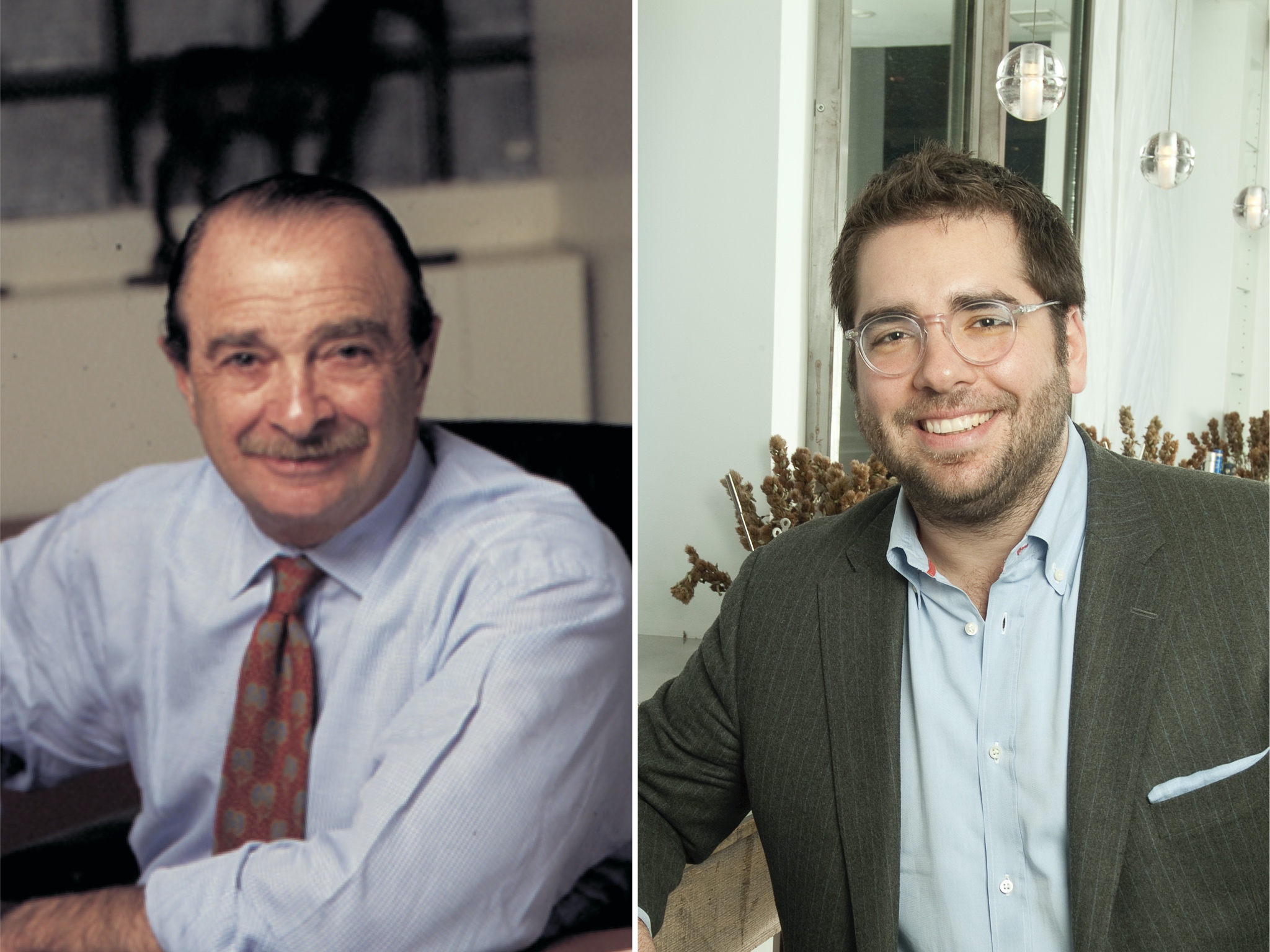
Following the 2007 sale of the national Smith & Wollensky chain, Alan Stillman partnered with his son, Michael Stillman, to launch Fourth Wall Restaurants. Named as a reference to the theatrical term for the invisible barrier between actors and the audience, the company sought to create immersive, experiential dining concepts for a modern generation of consumers.
- Alan Stillman (Founder & Senior Advisor)
- Michael Stillman (President & CEO)
- Quality Branded Portfolio
- Quality Meats (New York, Miami)
- Quality Italian (New York, Denver)
- Quality Bistro (New York)
- Don Angie (Michelin-Starred Concept)
- Zou Zou's & Bad Roman
Fourth Wall Restaurants later evolved into Quality Branded, an independent hospitality group that manages an impressive portfolio of upscale, modern dining venues:
- Quality Meats: A modern interpretation of the classic steakhouse featuring industrial-chic design and butcher-inspired culinary techniques.
- Quality Italian: An upscale Italian-American steakhouse concept combining traditional chop house items with elevated pasta and modern Italian cuisine.
- Don Angie: A highly acclaimed, Michelin-starred Italian-American restaurant located in Manhattan's West Village.
- Bad Roman and Zou Zou's: High-concept, high-volume modern venues targeting younger luxury diners in Manhattan.
While Michael Stillman assumed the role of President and CEO to drive operational growth, Alan Stillman remained a key strategist and senior advisor. This generational transition allowed the Stillman family to maintain a dominant presence in the competitive New York dining scene while adapting to evolving consumer preferences.
Financial Breakdown: Estimating Alan Stillman’s Net Worth
Alan Stillman’s personal net worth is not publicly disclosed via regulatory filings, as his current business holdings are privately held. However, financial analysts and hospitality industry estimates place his net worth in the $50 million to $100 million range.
This valuation is supported by several major liquidity events, real estate assets, and ongoing operating revenues accumulated over a career spanning six decades:
| Estimated Net Worth Composition |
|---|
| 1. Capital Liquidation Events• 1975 Sale of T.G.I. Friday's to Carlson Companies• 2007 $100M SWRG Buyout (Personal equity buyout proceeds) |
| 2. Real Estate & Flagship Operations• Exclusive operating rights & cash flow of NYC Smith & Wollensky• Commercial leasehold equity in prime Manhattan real estate |
| 3. Equity Holdings in Quality Branded• Strategic ownership stakes in high-volume, premium NYC venues |
Key Drivers of Wealth
- Early Liquidity Events: The sale of T.G.I. Friday's in 1975 provided early capital that was reinvested into Manhattan real estate and restaurant development.
- Public Equity and Buyout Proceeds: As a primary shareholder of Smith & Wollensky Restaurant Group (SWRG), Stillman received substantial cash payouts when the company was taken private for $100 million in 2007.
- The NYC Flagship Revenue Stream: Retaining the flagship Smith & Wollensky in Midtown Manhattan provided a continuous source of revenue. The location is widely recognized as one of the highest-grossing independent restaurants in the United States, frequently generating between $25 million and $35 million in annual gross revenue.
- Portfolio Investment: Equity stakes in Quality Branded's portfolio of venues provide capital appreciation and cash distributions across successful multi-unit operations.
Disclaimer: Net worth figures are estimates based on historical financial transactions, corporate acquisition values, and hospitality industry benchmarks. They do not constitute official financial reporting.
Business Legacy and Hospitality Industry Impact
Alan Stillman’s contributions to the restaurant industry extend far beyond his financial valuation. His innovations established modern standards for brand building, dining demographics, and hospitality management.
Historical Milestones and Venture Summary
| Year | Venture / Entity | Primary Innovation / Role | Outcome / Business Impact |
|---|---|---|---|
| 1965 | T.G.I. Friday's | Created the first modern singles bar and casual dining template. | Sold to Carlson Companies (1975); grew into a global casual dining chain. |
| 1977 | Smith & Wollensky | Developed high-volume, upscale American steakhouse model. | Expanded nationally; established NYC flagship as an iconic institution. |
| 1985 | National Wine Week | Introduced consumer wine education inside high-end dining. | Became a nationwide industry marketing model adopted by major restaurant groups. |
| 2001 | SWRG IPO | Took Smith & Wollensky public on the NASDAQ exchange. | Scaled national footprint across top-tier U.S. metropolitan markets. |
| 2007 | Corporate Privatization | Negotiated $100M sale while retaining NYC flagship location. | Secured personal cash flow while liquidating corporate chain stakes. |
| 2007+ | Fourth Wall / Quality Branded | Co-founded modern restaurant management company with Michael Stillman. | Developed Michelin-starred and high-volume luxury dining concepts. |
Architectural and Cultural Influence
Stillman demonstrated that high-volume dining could coexist with high-quality service and food preparation. By replacing the dark, exclusionary atmosphere of traditional 20th-century steakhouses with bright green-and-white exteriors, open layouts, and energetic service, he expanded the demographic reach of fine dining.
Furthermore, his early operational design for T.G.I. Friday's provided the blueprint copied by major national chains such as Applebee's, Chili's, and Ruby Tuesday. The combination of branded memorabilia, centralized beverage menus, and approachable casual dining revolutionized how middle-market Americans dined out in the late 20th century.
Frequently Asked Questions
What is Alan Stillman’s net worth?
Alan Stillman's net worth is estimated between $50 million and $100 million. This wealth has been built through the sale of T.G.I. Friday's, the $100 million privatization of Smith & Wollensky in 2007, ownership of high-volume Manhattan real estate leaseholds, and equity in Quality Branded restaurant group.
Did Alan Stillman start T.G.I. Friday's?
Yes. Alan Stillman founded the original T.G.I. Friday's in 1965 at the corner of 63rd Street and First Avenue in New York City. He created the venue to serve as a social hub for young unmarried professionals, effectively inventing the modern singles bar and casual dining restaurant concept.
Does Alan Stillman still own Smith & Wollensky?
Stillman does not own the national or international Smith & Wollensky chain, which was sold in 2007. However, as part of the transaction, he retained direct ownership and operating rights to the original flagship Smith & Wollensky location at 49th Street and Third Avenue in New York City.
How did Smith & Wollensky get its name?
Alan Stillman selected the names "Smith" and "Wollensky" at random from the New York City telephone directory. He matched two surnames together to give the steakhouse an established, traditional feel.
What is Quality Branded?
Quality Branded (formerly Fourth Wall Restaurants) is a hospitality group co-founded by Alan Stillman and his son, Michael Stillman. The group owns and operates modern luxury restaurants, including Quality Meats, Quality Italian, Quality Bistro, Don Angie, and Bad Roman.
Practical Lessons for Hospitality Entrepreneurs
Alan Stillman’s career offers clear, actionable principles for developers, investors, and operators in the hospitality sector:
- Solve Social Problems Through Concept Design: T.G.I. Friday's succeeded because it addressed a clear social need for a specific demographic. Successful restaurant concepts design their atmosphere, service style, and layout around customer interaction, not just food service.
- Protect Flagship Assets in Corporate Transactions: When negotiating buyouts or private equity expansions, retaining ownership or rights to high-performing flagship assets can preserve long-term cash flow while transferring market risk.
- Balance Tradition with Innovation: Stillman's launch of National Wine Week proved that simple, educational marketing events can dramatically elevate average check sizes and build lasting customer loyalty without compromising brand integrity.