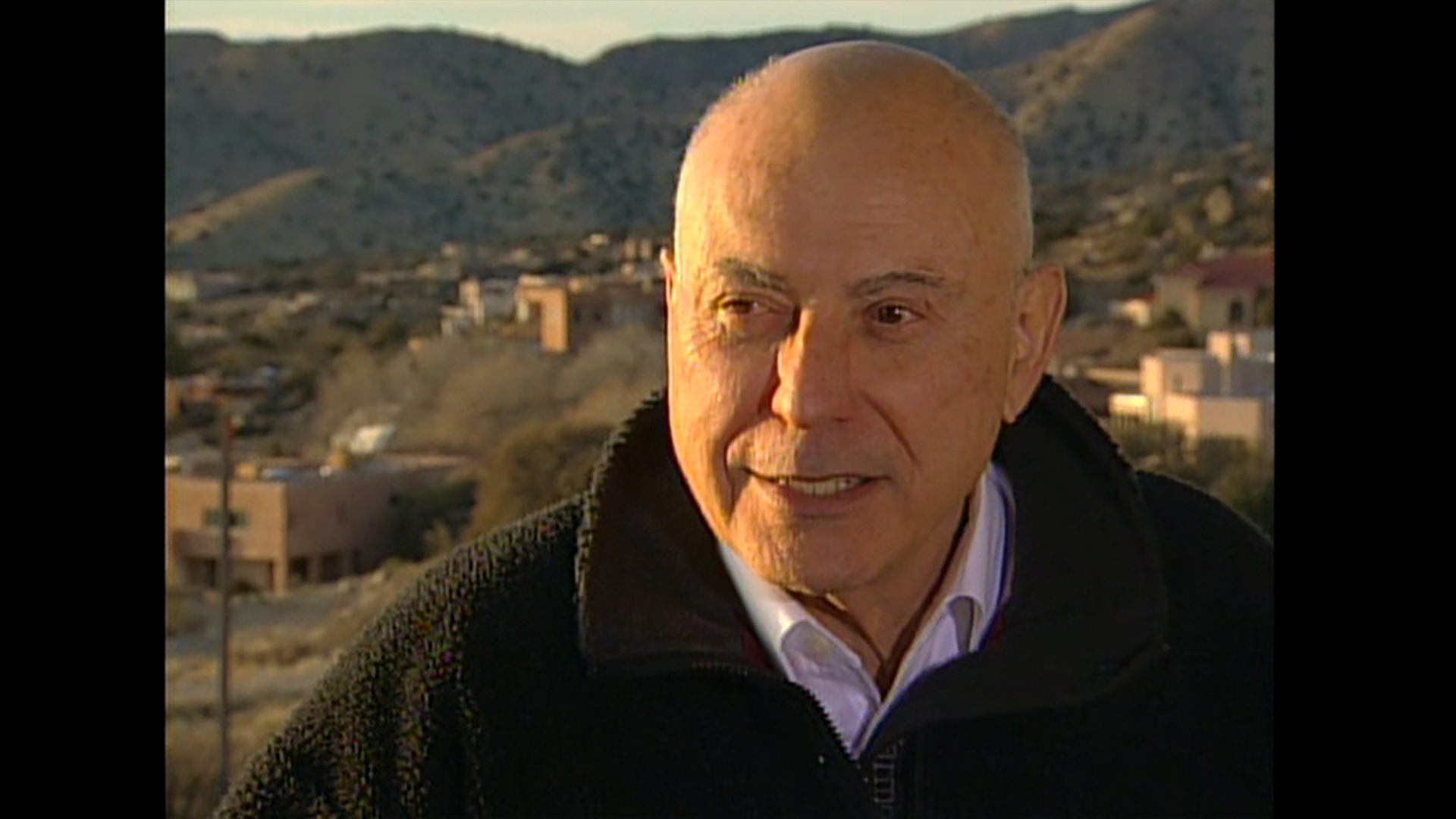
Alan Arkin’s performance as Edwin Hoover in the 2006 film Little Miss Sunshine stands as a definitive masterclass in supporting acting, earning him the Academy Award for Best Supporting Actor. He portrays a foul-mouthed, heroin-using grandfather whose cynical exterior masks a profound, unconditional devotion to his granddaughter, Olive, providing the emotional foundation for the entire narrative.
The Subversive Archetype of the Modern Grandparent
In the landscape of American cinema, the "grandfather" figure is traditionally portrayed through a lens of either saccharine wisdom or stern authority. Alan Arkin’s Edwin Hoover shattered these tropes by introducing a character who was unapologetically flawed, vulgar, and rebellious. As of 2026, this performance remains the gold standard for portraying aging characters who refuse to go gently into the night.
Edwin Hoover is a man who has been evicted from a retirement home for snorting heroin—a detail that, in a lesser actor’s hands, could have become a one-dimensional caricature. However, Arkin imbues the character with a weary dignity. He isn't using drugs out of a sense of nihilism, but rather as a final act of defiance against the limitations of old age. This subversion is critical to the film's success; it establishes that the Hoover family is not merely quirky, but deeply dysfunctional in a way that feels lived-in and authentic.
Arkin’s portrayal suggests a man who has seen the world, found it wanting, and decided to focus his remaining energy on the one person he deems worthy of his effort: his granddaughter, Olive. By rejecting the "wholesome" grandparent image, Arkin creates a character that is more relatable and significantly more impactful when his moments of genuine tenderness occur.
Narrative Function: The Catalyst for Olive’s Growth
While Little Miss Sunshine is an ensemble piece, Edwin Hoover serves as the primary psychological anchor for Olive, played by Abigail Breslin. Arkin’s role is functionally that of a mentor, but his curriculum is entirely unconventional. He doesn't teach Olive how to be a "winner" in the traditional, competitive sense that her father, Richard (Greg Kinnear), obsessively promotes. Instead, he teaches her the value of self-expression and the courage to be herself.
The preparation for the "Little Miss Sunshine" pageant is the central plot driver. Edwin is the one who choreographs Olive’s routine—a routine that is eventually revealed to be a burlesque-style dance to Rick James’ "Super Freak." This plot point is more than just a comedic payoff; it is the culmination of Edwin’s philosophy. He wants Olive to shock the world because he knows the world will try to suppress her.
Arkin’s chemistry with Breslin is the heart of the film. In their quiet scenes, such as when he comforts her about her fears of losing the pageant, Arkin drops the abrasive facade. He delivers the now-famous "real loser" speech with a gravelly sincerity that transforms the film from a road-trip comedy into a profound meditation on the human condition.
Performance Mechanics: Voice, Timing, and Physicality
Technically, Arkin’s performance is a study in "less is more." Despite the character's loud outbursts and colorful language, Arkin’s most effective moments are often silent. He utilizes a specific physical vocabulary—the way he slumps in the back of the yellow Volkswagen bus, the slight tremble in his hands, and the sharp, piercing gaze he directs at his son, Richard.
His comedic timing is surgical. In the high-stress environment of the family van, Arkin acts as a release valve. He knows exactly when to insert a biting remark to punctuate the absurdity of the situation. His delivery is never hurried; he allows the silence to hang just long enough for the audience to anticipate his reaction, only to subvert that expectation with an unexpected inflection or a deadpan stare.
Furthermore, Arkin manages the character’s drug use with a surprising lack of melodrama. He portrays it as a routine chore, much like taking vitamins. This choice prevents the film from descending into a "problem drama" and keeps the focus on the family dynamics. By normalizing Edwin’s vices, Arkin forces the audience to look past the behavior and see the man’s soul.
The "Real Loser" Speech and Philosophical Impact
The core of Alan Arkin’s contribution to Little Miss Sunshine is distilled into a single scene in a motel room. When Olive expresses her fear of being a "loser," Edwin provides a definition that counters the hyper-competitive American ethos:
"A real loser is somebody that's so afraid of not winning, they don't even try."
This dialogue, delivered by Arkin with a mixture of exhaustion and fierce protection, serves as the film’s thesis statement. In 2026, as society continues to grapple with the pressures of social media and performative success, this message resonates even more deeply. Arkin does not deliver the line as a grand orator; he says it as a man who is tired of seeing people fail because they are afraid of judgment.
This scene also marks the point where the audience fully aligns with Edwin. We realize that his vulgarity is a defense mechanism against a world that values "winning" over "being." By the time the family reaches the pageant, Edwin’s influence is so pervasive that even after his character is no longer physically present in the final act, his spirit dictates the family’s defiant dance on stage.
The Path to the 79th Academy Awards
The critical reception for Arkin was almost universally positive upon the film’s release in 2006. While Little Miss Sunshine was an indie darling that surprised the industry with its box-office longevity, Arkin’s performance was highlighted as the standout. At the 79th Academy Awards held in 2007, Arkin faced stiff competition in the Best Supporting Actor category.
Comparison of 2007 Best Supporting Actor Nominees
| Actor | Film | Character Type |
|---|---|---|
| Alan Arkin | Little Miss Sunshine | Cynical, loving grandfather |
| Jackie Earle Haley | Little Children | Troubled social outcast |
| Djimon Hounsou | Blood Diamond | Driven, grieving father |
| Eddie Murphy | Dreamgirls | Tragic soul singer |
| Mark Wahlberg | The Departed | Foul-mouthed police sergeant |
Arkin’s win was seen as a victory for character actors and a recognition of a long, distinguished career. Unlike some of the other nominees whose roles were defined by high-intensity drama or musical prowess, Arkin won for a comedic role that required immense subtlety. It was a rare instance where the Academy rewarded a performance that was primarily built on ensemble chemistry and comedic nuance rather than "transformative" prosthetics or historical gravity.
Technical Analysis of the Ensemble Dynamic
Alan Arkin’s performance cannot be fully understood without examining how he interacts with the rest of the Hoover family. The "yellow van" scenes are a masterclass in ensemble acting, where Arkin serves as the friction that keeps the group from becoming too comfortable.
- With Richard (Greg Kinnear): Arkin portrays a father who is clearly disappointed in his son’s obsession with the "9 Steps to Success." There is an underlying tension where Edwin sees Richard’s failures as a reflection of his own, yet he refuses to coddle him.
- With Sheryl (Toni Collette): Arkin shows a begrudging respect for his daughter-in-law. He recognizes her as the only person keeping the family sane, and his interactions with her are often the most grounded.
- With Frank (Steve Carell): The relationship between the suicidal Proust scholar and the heroin-using grandfather provides some of the film’s darkest and most poignant humor. They represent two different ways of dealing with despair—one through intellectualism and the other through hedonism.
- With Dwayne (Paul Dano): Edwin is the only one who truly respects Dwayne’s vow of silence. He doesn't try to "fix" Dwayne; he simply accepts him, which is the highest form of support in the Hoover household.
By maintaining these distinct dynamics, Arkin ensures that Edwin Hoover is not just a "character" walking through a script, but a member of a family with a complex, painful history.
Historical Context and Career Resurgence
While Alan Arkin had been a respected actor since the 1960s—earning Oscar nominations for The Russians Are Coming, the Russians Are Coming (1966) and The Heart Is a Lonely Hunter (1968)—his role in Little Miss Sunshine sparked a significant career resurgence. This late-career flourish led to further iconic roles, including his performance in Argo (2012), for which he received another Academy Award nomination.
In the mid-2000s, the "Sundance Style" of filmmaking was at its peak. Little Miss Sunshine was the poster child for this movement: a low-budget, character-driven story that prioritized emotional truth over spectacle. Arkin’s presence gave the film "indie credibility" while also providing a bridge to the classic Hollywood era of character acting. His ability to adapt his style to the quirky, fast-paced dialogue of Michael Arndt’s screenplay proved that his talents were timeless.
Legacy in 2026: Why the Performance Endures
Twenty years after the film's initial release, Alan Arkin’s work in Little Miss Sunshine is frequently cited in acting workshops and film studies programs. The reason for its endurance lies in its honesty. Arkin did not play a "movie grandpa"; he played a human being who happened to be a grandfather.
The character of Edwin Hoover represents a specific type of American masculinity—one that is rough, stubborn, and perhaps a bit broken, but ultimately capable of immense kindness. In an era where performances are often judged by their "meme-ability" or their alignment with social trends, Arkin’s Edwin remains a refreshingly complex figure. He reminds audiences that people are more than their worst habits or their loudest outbursts.
The film's final sequence, where the family joins Olive on stage to finish the dance Edwin choreographed, serves as a permanent monument to his character. It is a tribute to the idea that the best thing we can leave behind is the permission for those we love to be unashamedly themselves.
Frequently Asked Questions
Did Alan Arkin actually win an Oscar for Little Miss Sunshine?
Yes, Alan Arkin won the Academy Award for Best Supporting Actor at the 79th Academy Awards in 2007. This was his first and only Oscar win, though he received several other nominations throughout his career, including for Argo and The Heart Is a Lonely Hunter.
Why was Alan Arkin's character using heroin in the movie?
The character’s drug use was a narrative tool used to illustrate his rebellious nature and his refusal to conform to the expectations of "old age." It also served as a dark comedic element that highlighted the dysfunction of the Hoover family and provided a stark contrast to his role as a supportive mentor to Olive.
Who choreographed the dance in the movie?
In the context of the story, Edwin Hoover (Alan Arkin) choreographed the dance for Olive. In reality, the dance was choreographed by the music video and film directors Jonathan Dayton and Valerie Faris, along with professional choreographers, to specifically look like something a well-meaning but slightly inappropriate grandfather would create.
How did Alan Arkin die in Little Miss Sunshine?
Edwin Hoover dies peacefully in his sleep at a motel during the family's road trip to California. The cause is implied to be an overdose or the physical toll of his drug use on an elderly body. His death becomes a major turning point in the film, forcing the family to smuggle his body out of the hospital to ensure Olive makes it to the pageant on time.
What is the most famous quote from Alan Arkin in the film?
The most famous quote is his definition of a loser: "A real loser is somebody that's so afraid of not winning, they don't even try." This line is widely regarded as the emotional core of the movie and summarizes the film’s rejection of traditional societal standards of success.
Practical Recommendation for Further Viewing
To truly appreciate the range Alan Arkin brought to Little Miss Sunshine, it is recommended to view his performance in The Heart Is a Lonely Hunter (1968). By comparing his portrayal of the silent, sensitive John Singer with the boisterous, profane Edwin Hoover, viewers can see the full spectrum of Arkin's capability. In Little Miss Sunshine, he took decades of experience and distilled it into a role that was both hilariously funny and heartbreakingly human. For those interested in the art of the ensemble, watching the film while focusing specifically on Arkin’s reactions to other characters—rather than just his lines—reveals the depth of his contribution to the film’s iconic status.