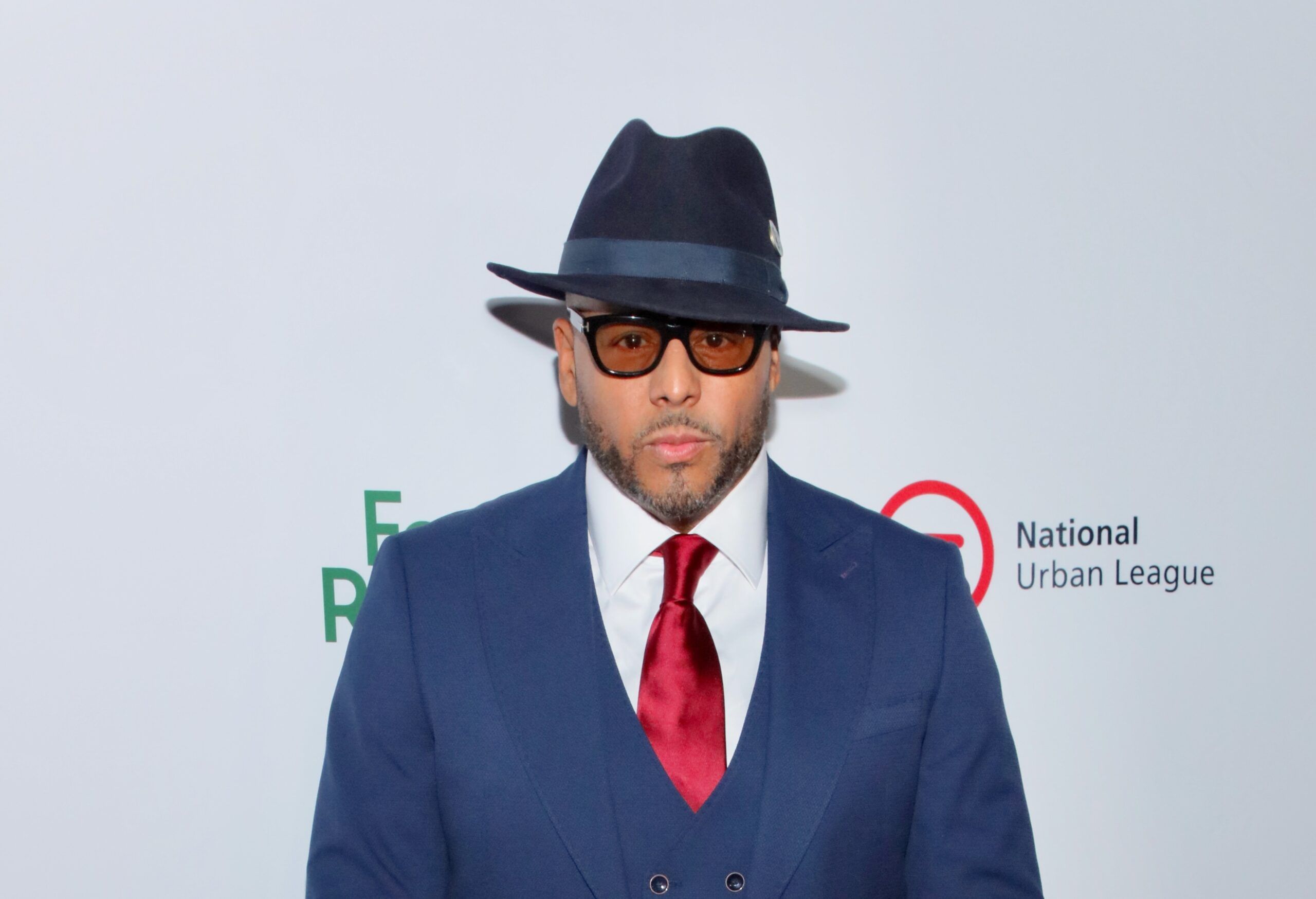
Al B. Sure! (Albert Joseph Brown III) fundamentally transformed contemporary R&B during the late 1980s and early 1990s by merging the sensual intimacy of Quiet Storm with the driving, syncopated rhythms of New Jack Swing. As a singer, songwriter, producer, and talent scout, he achieved multi-platinum success, established a signature multi-tracked falsetto vocal style, and launched the careers of iconic acts like Jodeci.
The Emergence of Al B. Sure!: Defining Late-1980s Urban Music
When Al B. Sure! arrived on the music scene in 1988, Rhythm and Blues was undergoing a massive stylistic shift. The polished, pop-infused soul of the early-to-mid 1980s was giving way to a street-adjacent, hip-hop-influenced aesthetic. Born in Boston and raised in Mount Vernon, New York, Albert Joseph Brown III was uniquely positioned at the geographical and cultural epicenter of this transformation.
Selected by legendary producer Quincy Jones as the inaugural winner of the Sony Innovators Talent Search in 1987, Brown adopted the stage name Al B. Sure! and signed with Andre Harrell's burgeoning record label, Uptown Records. Uptown was instrumental in defining black youth culture, bridging the gap between high-fashion sophistication and street-level authenticity.
- Traditional Soul / Funk
- Quiet Storm Intimacy
- Modern Alt-R&B & Hip-Hop Soul
- Quiet Storm Intimacy
- Hip-Hop Beats / New Jack Swing
- Modern Alt-R&B & Hip-Hop Soul
Al B. Sure!’s debut studio album, In Effect Mode, released in April 1988, served as a blueprint for the era. The record spent seven consecutive weeks at number one on the Billboard Top Black Albums chart and quickly achieved double-platinum status. Driven by the chart-topping lead single "Nite and Day," the album demonstrated how soft, melodic vocal arrangements could seamlessly ride over heavy, electronic drum patterns.
Rather than relying on the booming belt of traditional gospel-trained R&B vocalists, Al B. Sure! introduced a understated, whispered falsetto. This stylistic choice made his music feel personal and bedroom-centric, setting a precedent that altered R&B vocal delivery for decades to come.
Architectural Contributions to New Jack Swing and Quiet Storm
To fully understand the impact of Al B. Sure! on R&B, one must examine how he bridged two seemingly opposing subgenres: New Jack Swing and Quiet Storm.
Bridging the Rhythmic and Vocal Divide
Before In Effect Mode, New Jack Swing—pioneered primarily by Teddy Riley—was recognized chiefly for its high-energy, dancefloor-oriented tempo, characterized by hard-hitting snare snaps, swing beat drum patterns, and rapid-fire rap interludes. Conversely, Quiet Storm was defined by slow tempos, luscious lush synth pads, saxophone solos, and deep, romantic crooning aimed at late-night radio audiences.
Al B. Sure!, alongside his primary co-producer and cousin Kyle West, fused these two paradigms into a singular cohesive sound:
- Rhythmic Foundations: They utilized drum machines like the E-mu SP-1200 and Oberheim DMX, programming stiff, swinging quarter-note grooves that appealed to hip-hop DJs.
- Harmonic Layering: Over these rugged beats, they layered soft synthesizer chords (often utilizing Yamaha DX7 and Roland D-50 patches) that evoked the warmth of traditional soul.
- Multi-Tracked Vocal Arrangements: Al B. Sure! pioneered a dense, multi-tracked background vocal technique. By recording his own falsetto harmony lines dozens of times across multiple tape tracks, he created a lush, ambient "wall of vocals" that softened the aggressive rhythm tracks beneath.
This hybrid approach meant that an Al B. Sure! track could be played simultaneously in a packed dance club, on an urban radio station, or during late-night slow jam blocks.
The Production House: Crafting Hits Beyond His Own Discography
While Al B. Sure! maintained a successful recording career as a solo artist with follow-up albums like Private Times... and the Whole 9! (1990) and Sexy Versus (1992), his impact on R&B extended deeply into the production and songwriting realm. Alongside Kyle West, he formed one of the most sought-after production teams of the era.
Al B. Sure! & Kyle West (Production & Writing)
- Tevin Campbell ("Tell Me What You Want Me to Do")
- Christopher Williams ("I'm Dreaming")
- Jodeci (A&R Development & Early Demo Production)
- Diana Ross ("No Explanation")
Key Production and Songwriting Highlights
- Tevin Campbell – "Tell Me What You Want Me to Do" (1991): Co-written and co-produced by Al B. Sure!, this single peaked at number 6 on the Billboard Hot 100 and number 1 on the Hot R&B/Hip-Hop Songs chart. It solidified Campbell as a powerhouse child prodigy while showcasing Al B. Sure!'s ability to tailor sophisticated melodies to young vocal talents.
- Christopher Williams – "I'm Dreaming" (1991): Featured on the soundtrack for the iconic film New Jack City, this track reached number one on the Billboard R&B charts. The song featured the signature Al B. Sure! production markers: heavy swing drum programming, syncopated basslines, and rich, layered harmony stacks.
- Diana Ross – "No Explanation" (1991): Demonstrating his broad industry reach, Al B. Sure! produced and performed on tracks with Motown royalty, helping legacy artists adapt their sound to the contemporary 1990s urban landscape.
Discovering and Mentoring Jodeci: Changing the Course of 90s R&B
Perhaps the most consequential single contribution Al B. Sure! made to music history was his pivotal role in discovering and developing the legendary R&B group Jodeci.
In the early 1990s, brothers Cedric "K-Ci" Hailey and Joel "JoJo" Hailey, alongside brothers Donald "DeVante Swing" DeGrate and Dalvin "Mr. Dalvin" DeGrate, traveled from Charlotte, North Carolina, to New York City to pursue a record contract. Armed with a demo cassette, they barged into the offices of Uptown Records.
- North Carolina Gospel Roots
- Drive to NYC / Demo Tape
- Al B. Sure! Listens at Uptown Records
- Mentorship & Studio Vocal Arrangement
- Jodeci Launches R&B Group Renaissance
Al B. Sure! was in the building, heard their raw tape, and recognized their extraordinary talent. He brought Andre Harrell into the room to hear the young group live. After Harrell signed Jodeci to Uptown, Al B. Sure! took them under his wing, helping mold their studio etiquette, vocal arrangements, and professional image.
Jodeci went on to redefine 1990s R&B entirely, combining gospel-honed vocal acrobatics with a bad-boy hip-hop image. Without Al B. Sure!’s initial championing and executive intervention, the group that launched the careers of DeVante Swing, K-Ci & JoJo, and subsequently influenced producers like Timbaland and Missy Elliott, might never have broken into the mainstream music industry.
Analysis of Key Releases and Industry Milestones
The following table provides a comprehensive overview of Al B. Sure!'s major projects, charting data, and distinct contributions to the music landscape.
| Year | Project / Track | Role | Billboard Peak (R&B/Hot 100) | Historical & Musical Impact |
|---|---|---|---|---|
| 1988 | In Effect Mode (Album) | Primary Artist, Writer, Producer | #1 R&B / #10 Hot 100 | Established multi-platinum blueprint for romantic New Jack Swing. |
| 1988 | "Nite and Day" (Single) | Primary Artist, Writer, Producer | #1 R&B / #7 Hot 100 | Signature hit featuring iconic falsetto and stacked background harmonies. |
| 1988 | "Off on Your Own (Girl)" | Primary Artist, Writer, Producer | #1 R&B / #45 Hot 100 | Up-tempo New Jack Swing staple, proving his dancefloor appeal. |
| 1990 | Private Times... and the Whole 9! | Primary Artist, Writer, Producer | #4 R&B / #20 Hot 100 | Expanded sonic palette with features from Quincy Jones and Diana Ross. |
| 1990 | "Misunderstanding" (Single) | Primary Artist, Writer, Producer | #1 R&B / #42 Hot 100 | Demonstrated storytelling lyrics over mid-tempo swing arrangements. |
| 1991 | "Tell Me What You Want..." (Tevin Campbell) | Co-Writer, Producer | #1 R&B / #6 Hot 100 | Helped launch Tevin Campbell’s career; mastered pop-R&B crossover sound. |
| 1991 | "I'm Dreaming" (Christopher Williams) | Writer, Producer | #1 R&B / #89 Hot 100 | Key track on the New Jack City soundtrack, exemplifying urban film music. |
| 1992 | Sexy Versus (Album) | Primary Artist, Writer, Producer | #2 R&B / #77 Hot 100 | Explored darker, more complex funk and hip-hop soul arrangements. |
Vocal Technique and Stylistic Innovation
Al B. Sure!’s vocal presentation was a radical departure from the prevailing R&B standards of his time. Historically, male R&B vocalists from Luther Vandross and Teddy Pendergrass to Freddie Jackson relied on power, chest-voice projection, and gospel-infused melisma.
Al B. Sure! deliberately leaned in the opposite direction, utilizing:
- Controlled Breathiness: He prioritized air control over sheer vocal volume, producing an intimate sound that felt directly addressed to the individual listener.
- The Upper Falsetto Register: He performed entire leads—not just accent notes—in a clean, light falsetto. This created a gentle contrast against hard drum beats.
- Vocal Layering as Sound Design: He treated his voice as a synthesizer instrument, tracking 16 to 32 tracks of harmonies that swelled beneath the main vocal melody.
This approach directly paved the way for modern "bedroom R&B" and alternative R&B subgenres. Without Al B. Sure!’s minimalist vocal delivery, the artistic blueprints of 2000s and 2010s vocalists such as Maxwell, Frank Ocean, Drake, Bryson Tiller, and Brent Faiyaz would look vastly different.
Legacy, Modern Influence, and Beyond
Beyond his recording studio output, Al B. Sure! has maintained a lasting presence in black media and music advocacy. Over the years, he transitioned successfully into radio broadcasting, hosting the nationally syndicated radio show Slow Jams with Al B. Sure!, where he continued to champion classic soul, quiet storm, and contemporary R&B ballads.
His son, Quincy Brown (named after godfather Quincy Jones), and his other children have carried on his creative legacy in television, acting, and music, reinforcing the family's deep roots in the entertainment business.
Musically, hip-hop and R&B producers continue to sample and interpolate Al B. Sure!’s catalog:
- Sampling Culture: Hip-hop artists throughout the 1990s, 2000s, and into the modern era have heavily sampled "Nite and Day" and "Off on Your Own (Girl)" for their distinct drum structures and warm synth hooks.
- Vocal Aesthetic: The contemporary wave of "PBR&B" and ambient R&B relies on the atmospheric, multi-layered falsetto template that Al B. Sure! popularized back in 1988.
By bridging street-level hip-hop rhythms with romantic soul, pioneering essential studio techniques, and discovering talent that redefined the 1990s, Al B. Sure! stands as one of the quintessential architects of modern R&B.
Frequently Asked Questions
What was Al B. Sure!’s biggest hit song?
Al B. Sure!’s biggest solo hit was "Nite and Day," released in 1988 from his debut album In Effect Mode. The track reached number 1 on the Billboard Hot R&B/Hip-Hop Songs chart and climbed to number 7 on the Billboard Hot 100, earning a Grammy nomination for Best Male R&B Vocal Performance.
How did Al B. Sure! contribute to New Jack Swing?
Al B. Sure! helped pioneer the romantic, mid-tempo side of New Jack Swing. While early New Jack Swing focused almost exclusively on fast dance tracks, Al B. Sure! and his production partner Kyle West combined swing-beat drum programming with quiet storm falsetto vocals and rich synth chords, proving the genre could produce romantic slow jams.
What was Al B. Sure!’s role in discovering Jodeci?
Al B. Sure! was an A&R executive and producer at Uptown Records when the North Carolina group Jodeci came to New York. He listened to their initial demo tape, recognized their exceptional vocal talent, and immediately brought Uptown founder Andre Harrell into the room to sign them. He subsequently helped mentor the group in studio production and vocal arrangement.
Did Al B. Sure! write and produce for other artists?
Yes. Al B. Sure! was an accomplished writer and producer. Alongside Kyle West, he crafted major hits for other artists, including Tevin Campbell ("Tell Me What You Want Me to Do"), Christopher Williams ("I'm Dreaming"), and tracks for Diana Ross and Al Green.
What is the origin of Al B. Sure!’s stage name?
Born Albert Joseph Brown III, the singer created his stage name as a play on his first name ("Albert") and a confident declaration of his mindset, signifying that he was "sure" of his path and musical identity.
Summary and Recommended Listening
To appreciate the full scope of Al B. Sure!’s impact on modern R&B, music historians and fans should explore his discography in chronological order alongside his production work.
Essential Listening Checklist:
- "Nite and Day" (1988) – The quintessential Al B. Sure! solo track, demonstrating his signature falsetto and drum programming.
- "Off on Your Own (Girl)" (1988) – A prime example of uptempo romantic New Jack Swing.
- "Tell Me What You Want Me to Do" by Tevin Campbell (1991) – Highlighting his genius as a songwriter and producer for other top-tier talent.
- "I'm Dreaming" by Christopher Williams (1991) – Demonstrating his contribution to early 1990s urban film soundtracks.
- "Misunderstanding" (1990) – A showcase of his evolving storytelling and sophisticated harmonic structures.
Through his vocal innovations, production mastery, and talent discovery, Al B. Sure! remains a cornerstone figure whose influence echoes across every corner of modern R&B.