Securing affordable box truck auto insurance requires balancing required legal coverage limits with operational risks to avoid overpaying. Business owners and independent operators can reduce insurance premiums by selecting appropriate deductible levels, optimizing operating radiuses, maintaining clean motor vehicle records (MVRs), and bundling primary liability with cargo and physical damage coverage.
Disclaimer
Insurance regulations, filing requirements, and premium rates vary significantly by jurisdiction, vehicle weight class, and commercial use. The information provided here serves an educational purpose. Consult a licensed commercial insurance broker or legal professional for individualized policy advice.
Understanding Commercial Box Truck Insurance
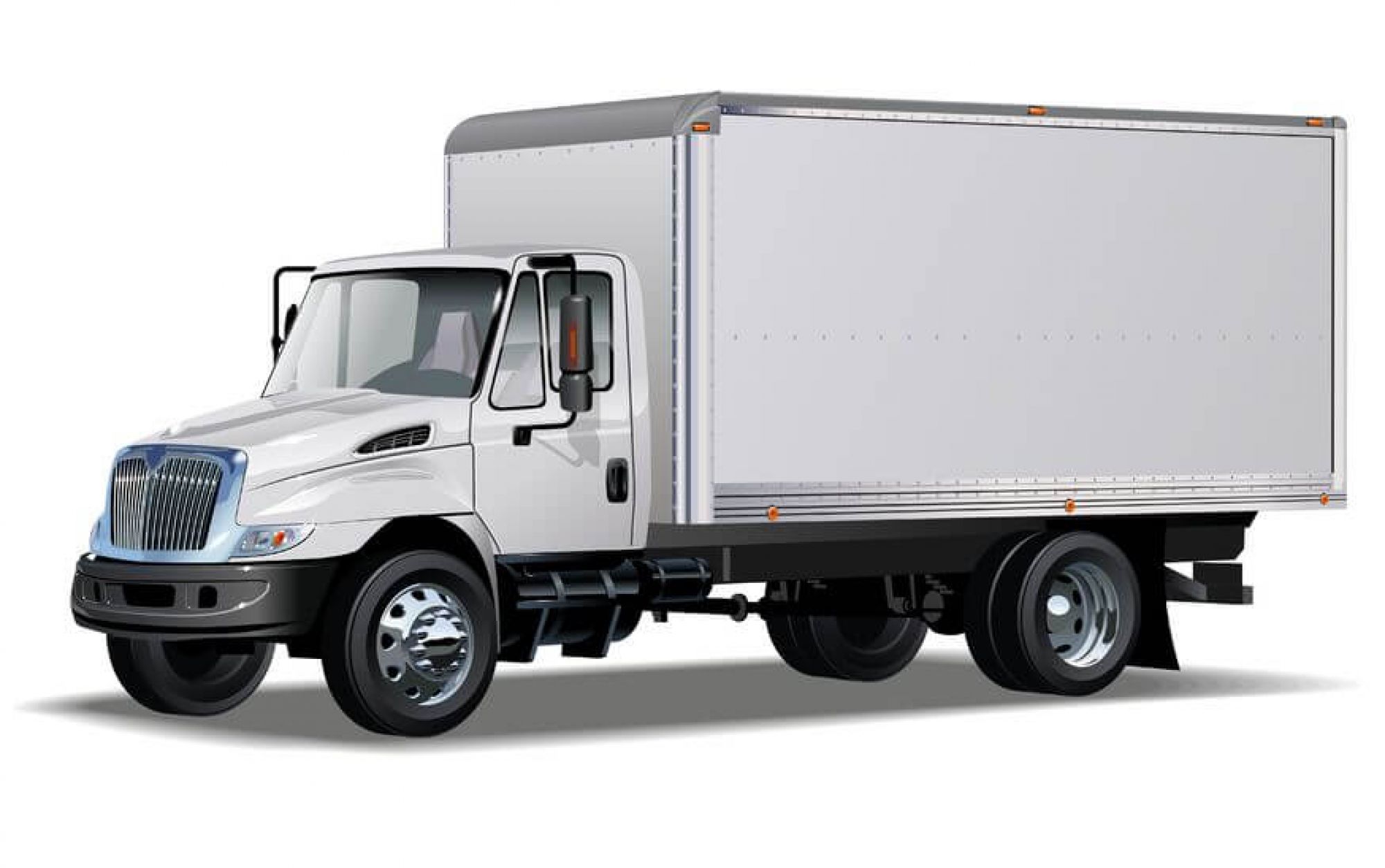
Box trucks—also known as straight trucks, cube vans, or cube trucks—are essential workhorses for logistics, local delivery services, moving companies, and tradespeople. Unlike standard passenger vehicles, commercial box trucks carry unique liability risks due to their size, weight, potential blind spots, and the monetary value of cargo carried inside the enclosed box cargo area.
Commercial box truck insurance is not a single policy. Instead, it is an customized assembly of specific insurance coverages designed to protect the vehicle, driver, third parties, and freight against accident losses, theft, vandalism, and liability claims.
Commercial vehicle policies differentiate heavily based on Gross Vehicle Weight Rating (GVWR):
- Class 3 to Class 5 Box Trucks (10,001 to 19,500 lbs GVWR): Typically include light-to-medium duty trucks such as Ford F-450/F-550 chassis box trucks or Isuzu NPR models. Often operated without a Commercial Driver's License (CDL), depending on state law and towing configuration.
- Class 6 Box Trucks (19,501 to 26,000 lbs GVWR): Medium-duty trucks commonly used for regional freight and local household moving. They sit right at the non-CDL weight limit threshold.
- Class 7 to Class 8 Box Trucks (26,001+ lbs GVWR): Heavy-duty commercial trucks requiring operators to hold a valid CDL.
Understanding these weight classes is vital because insurance carriers price coverage heavily on GVWR. Higher weight ratings mean higher potential kinetic force during a collision, directly driving up primary liability rates.
Core Coverage Components for Box Trucks
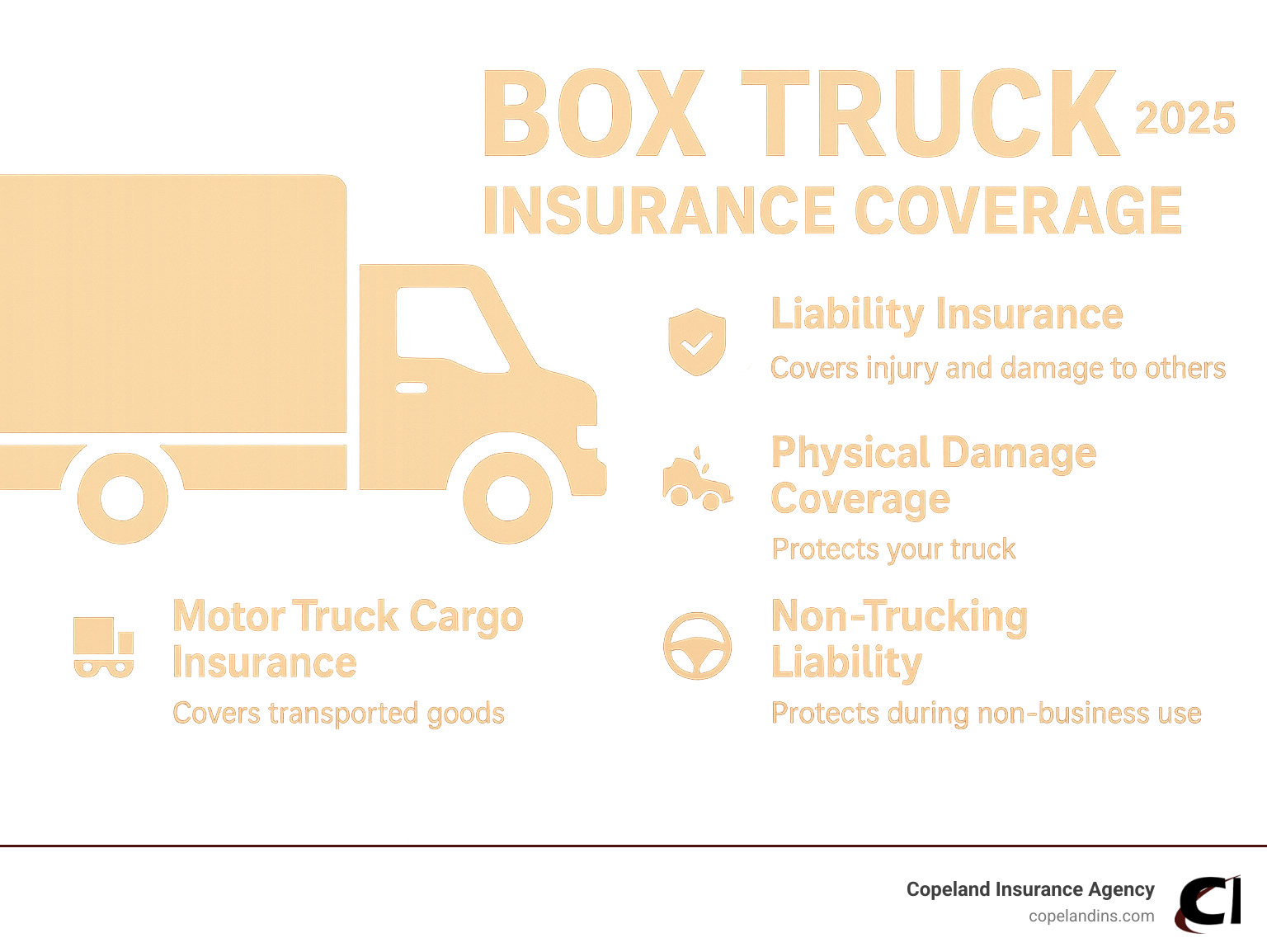
To build a cost-effective commercial box truck policy, operators must evaluate four foundational coverage building blocks.
Commercial Box Truck Policy:
- Primary Liability
- Physical Damage
- Motor Truck Cargo
- General Liability
1. Primary Commercial Auto Liability
Primary liability insurance covers bodily injury and property damage inflicted on third parties when the driver is at fault in an accident. Federal and state laws mandate this coverage.
- Federal Requirements: Under the Federal Motor Carrier Safety Administration (FMCSA regulations, 49 CFR Part 387), interstate commercial motor vehicles weighing over 10,000 lbs GVWR carrying non-hazardous freight must maintain a minimum of $750,000 in public liability coverage.
- Broker & Load Board Standard: Most freight brokers and shipping clients require a minimum of $1,000,000 in Primary Liability coverage before issuing contracts.
2. Physical Damage Coverage
Physical damage insurance protects your capital investment in the box truck itself. It consists of two main elements:
- Collision Insurance: Pays for repairs or cash-value replacement if your box truck collides with another vehicle, guardrail, structure, or rolls over.
- Comprehensive Insurance: Covers damage resulting from non-collision events, including theft, storm damage, fallen trees, vandalism, or striking an animal.
Rates for physical damage are calculated based on the Stated Amount or Actual Cash Value (ACV) of the truck, including specialized equipment like hydraulic lift gates and refrigeration units (reefers).
3. Motor Truck Cargo Insurance
Motor Truck Cargo coverage protects the goods being transported inside the box. If freight is damaged or destroyed due to a collision, fire, or equipment malfunction (such as reefer unit breakdown), cargo coverage reimburses the owner of the goods.
Standard cargo policies range from $50,000 to $100,000 in coverage limits. However, transport contracts for electronics, pharmaceuticals, or high-value retail goods may demand higher limits.
4. Commercial General Liability (CGL)
Commercial General Liability covers business risks that occur outside the actual operation of the motor vehicle on public roads. Examples include:
- A customer tripping over equipment at a delivery site.
- Slip-and-fall injuries occurring inside your warehouse or office.
- Property damage occurring during the manual loading or unloading process.
Key Drivers of Box Truck Insurance Costs
Commercial auto insurance underwriters determine risk levels using specific variables. Controlling these factors directly reduces policy premiums.
Driving History and Motor Vehicle Records (MVR)
Drivers represent the single largest variable in premium pricing. Commercial carriers analyze MVRs for all listed drivers over a 3-to-5-year historical window. Speeding tickets, mobile device violations, or at-fault accidents drastically increase premiums, while driving under the influence (DUI) convictions can render a operator uninsurable in standard markets.
Operating Radius
The physical distance your box trucks travel impacts loss probability:
- Local Radius (Under 50 miles): Lowest rates, as vehicles stay within familiar municipal areas with predictable road networks.
- Intermediate/Regional Radius (50 to 200 miles): Moderate rates, typically involving short highway transit and multi-county deliveries.
- Long-Haul Radius (200+ miles): Highest rates due to prolonged highway speeds, fatigue risk, and exposure to varying weather patterns across state lines.
Cargo Classification and Hazard Level
Transporting low-risk freight like dry paper goods, retail apparel, or unpainted lumber generates lower insurance premiums than hauling hazardous chemicals, flammable materials, heavy machinery, or high-theft electronics.
Commercial Experience (Years in Business)
Insurance underwriters view newly established motor carrier authorities (under 2 years of active DOT authority) as higher risk. New ventures pay higher baseline premiums than established fleets with documented safety records and low loss histories.
Box Truck Insurance Coverage Comparison Matrix
The table below outlines common commercial box truck insurance components, regulatory baselines, average annual costs, and operational roles.
| Coverage Type | Mandatory Status | Standard Industry Limit | Average Annual Cost (Per Truck) | Primary Benefit |
|---|---|---|---|---|
| Primary Auto Liability | Mandatory (DOT/State) | $750,000 – $1,000,000 | $4,500 – $9,500 | Covers third-party bodily injury and property damage claims. |
| Physical Damage | Required if Financed | Actual Cash Value (ACV) | $1,200 – $3,200 | Pays for repairs/replacement of your box truck after collisions, theft, or weather damage. |
| Motor Truck Cargo | Required by Brokers | $50,000 – $100,000 | $600 – $1,800 | Protects client goods carried inside the truck box against loss or damage. |
| Commercial General Liability | Optional / Client Mandated | $1,000,000 Occurrence / $2,000,000 Aggregate | $700 – $1,500 | Protects against off-road business liabilities (e.g., loading dock slip-and-falls). |
| Non-Trucking Liability (Bobtail) | Mandatory for Leased Drivers | $1,000,000 | $400 – $900 | Covers liability when operating the vehicle off-duty or outside permanent lease contracts. |
| Uninsured / Underinsured Motorist | Varies by State | $100,000 – $1,000,000 | $300 – $800 | Pays for your injuries and vehicle damage if hit by an uninsured driver. |
Effective Strategies to Lower Box Truck Insurance Premiums
Lowering your commercial auto insurance expense does not require compromising essential protections. Business operators can implement structured risk management tactics to secure lower rates:
Proactive Cost Reduction Framework:
- Optimize Deductibles: Raise Physical Damage Deductible (e.g., $1,000 to $2,500)
- Fleet Safety Tech: Install Dual-Facing Telematics & Speed Limiters
- Hire Vetted Drivers: Mandate 2+ Years Commercial Experience with Clean MVRs
- Optimize Operating Radius: Restrict Mileage Radius Classifications Strictly to Real Usage
- Annual Carrier Quotes: Compare Specialized Commercial Underwriters Annually
1. Increase Deductibles Strategically
Raising physical damage deductibles from $1,000 to $2,500 or $5,000 directly lowers collision and comprehensive policy costs. Maintain a dedicated cash reserve account to cover higher out-of-pocket costs in the event of an at-fault accident.
2. Implement Telematics and Dashcam Systems
Modern commercial insurers offer discounts for fleets fitted with dual-facing camera systems, GPS tracking, and real-time telematics. Telematics record hard braking, sharp cornering, speeding, and driver fatigue indicators. Providing documented safety data to insurance underwriters can qualify carriers for fleet discounts and defend against false third-party liability claims.
3. Maintain Strict Driver Screening Policies
Establish strict hiring guidelines requiring drivers to be at least 25 years old with at least two years of verifiable commercial vehicle experience. Screen out drivers with recent moving violations or suspension histories.
4. Review Vehicle Stated Values Annually
Vehicles depreciate over time. Ensure your physical damage policy reflects the current market value of your box truck rather than its original purchase price. Overstating your vehicle's value leads to inflated premiums, as claims payouts are capped at the actual cash value (ACV) at the time of loss.
5. Pay Premiums Annually
Insurers apply administrative fees to monthly installment plans. Paying your commercial policy premium upfront in full yields discounts between 5% and 10%.
Common Pitfalls to Avoid When Buying Box Truck Coverage
Improper policy configurations can leave business owners exposed to unpaid claims and regulatory penalties.
Failing to Declare All Drivers
Allowing unlisted drivers to operate a box truck—even temporarily—violates standard policy conditions. If an unlisted driver causes an accident, the insurer can deny physical damage and liability coverage completely, leaving the vehicle owner personally liable for losses.
Misclassifying Vehicle Use or Weight Ratings
Listing a Class 6 box truck as a light-duty vehicle or underreporting annual operational mileage constitutes material misrepresentation. Insurers conduct audits, review logs, and cross-reference state registration data during major claim investigations. Policy misrepresentation often leads to policy cancellation and denied claims.
Omitting Auxiliary Equipment
Standard auto policies only cover factory-installed equipment. Auxiliary additions—such as heavy-duty hydraulic tailgates, refrigeration units (reefers), sleeper berths, or branded vehicle wraps—require specific policy endorsements. Ensure these components are explicitly declared on your certificate of insurance.
Frequently Asked Questions
What is the average cost of box truck insurance per month?
Commercial box truck insurance typically costs between $350 and $900 per month per vehicle for established operators carrying standard liability, cargo, and physical damage limits. New business owners with fresh USDOT authority often face higher rates, ranging from $800 to $1,500 per month depending on location, operating radius, and driver records.
Do I need a Commercial Driver's License (CDL) to insure a box truck?
A CDL is not universally required to insure a box truck. Box trucks with a Gross Vehicle Weight Rating (GVWR) of 26,000 lbs or less can be driven by operators with a valid standard driver's license. However, if the truck has a GVWR of 26,001 lbs or more, or carries hazardous materials requiring placards, drivers must hold a valid CDL. Insurers may offer lower rates for non-CDL trucks driven by experienced CDL holders due to their formal safety training.
What is the difference between Bobtail Insurance and Non-Trucking Liability?
Non-Trucking Liability (NTL) covers an independent operator when using their box truck for personal, non-commercial purposes outside of carrier control. Bobtail Insurance covers a truck driving without an attached cargo trailer, regardless of whether it is on or off duty. Because box trucks feature a fixed cargo body and do not haul separate trailers, independent box truck operators typically require Non-Trucking Liability rather than true Bobtail coverage.
Does standard personal auto insurance cover a box truck used for business?
No. Personal auto insurance policies explicitly exclude commercial operations, heavy vehicles, and cargo transport for compensation. Operating a box truck for business purposes under a personal policy leaves you without coverage and will lead to denied claims in the event of an accident.
How much cargo insurance do I need for a standard delivery business?
Most freight brokers, logistics platforms, and retail shippers demand a minimum of $100,000 in Motor Truck Cargo insurance coverage. High-value freight operations (electronics, pharmaceuticals, luxury furniture) may require $250,000 to $500,000 in cargo limits. Review your shipping contracts to select appropriate limits.
Actionable Next Steps to Secure Coverage
To obtain accurate, cost-effective box truck insurance quotes, follow this structured process:
- Gather Vehicle and Fleet Documents: Collect vehicle identification numbers (VINs), exact Gross Vehicle Weight Ratings (GVWR), current odometer readings, titles, and bills of sale for attached equipment (liftgates, reefer units).
- Compile Driver Information: Collect full legal names, driver's license numbers, states of issuance, dates of birth, and commercial driving histories for all listed drivers.
- Establish Operational Guidelines: Document your projected annual mileage, primary operational cities/states, cargo types, and safety technology policies (telematics, dashcams).
- Obtain Quotes from Commercial Specialists: Request customized quotes from independent brokers who specialize in commercial transportation. Comparing quotes across multiple insurance markets ensures competitive rates tailored to your fleet's needs.