AFA (Air & Space Forces Association) life insurance provides specialized supplemental coverage designed for active-duty members, retirees, veterans, and their families. Underwritten by the New York Life Insurance Company, these plans offer portable term life protection, competitive group rates, and specific provisions for military-connected risks that standard civilian policies may exclude.
The AFA insurance portfolio, often searched for under the acronym AFAA in relation to association-backed coverage, serves as a critical financial bridge for the aerospace and defense community. As of 2026, these programs remain a cornerstone benefit for association members, offering various term lengths and benefit amounts that can be tailored to individual family needs. Unlike many commercial products, AFA life insurance is specifically calibrated to account for the unique career trajectories of military personnel and civil service employees.
The Scope of AFA Life Insurance Coverage in 2026
The primary objective of AFA life insurance is to provide a "supplemental" layer of security. While many members are initially covered by Servicemembers' Group Life Insurance (SGLI) or Veterans' Group Life Insurance (VGLI), these government-backed programs have fixed maximum limits and may not meet the full financial requirements of a family in high-cost-of-living areas or those with significant debt.
AFA’s coverage options fill this gap. In 2026, the association continues to partner with the New York Life Insurance Company, one of the oldest and most financially stable mutual life insurers in the United States. This partnership ensures that claims are backed by significant reserves and a history of reliable payouts. The coverage is categorized into several distinct plans: Term Life, Level Term Life (10 and 20-year), and Senior Term Life.
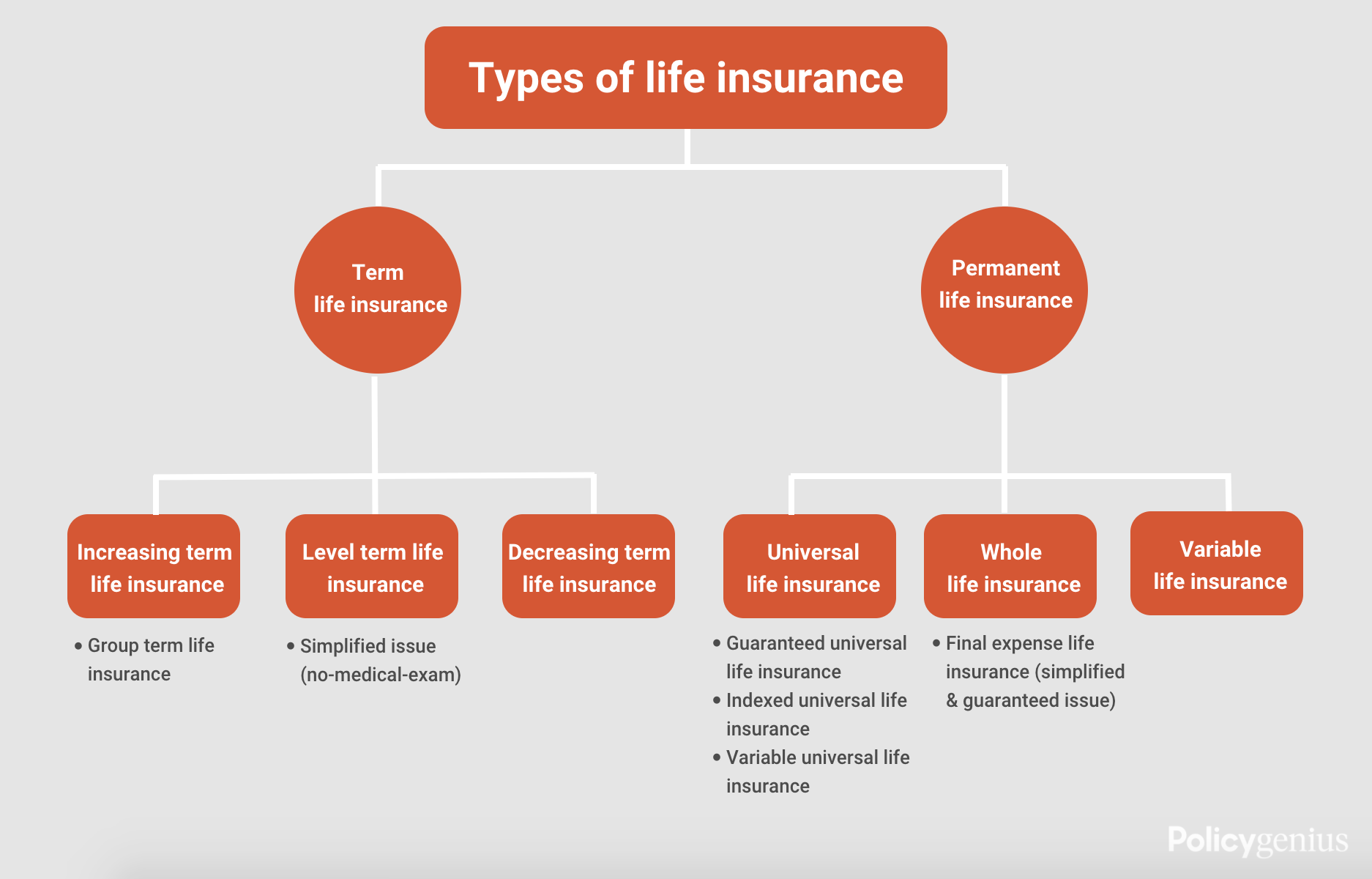
Each of these plans is a term insurance product, meaning it provides coverage for a specific period and does not accumulate cash value. This structure allows the association to keep premiums lower than whole-life alternatives, maximizing the "death benefit per dollar" for the member.
Eligibility Criteria and Membership Requirements
To access AFA life insurance coverage, an individual must first hold a valid membership with the Air & Space Forces Association. Membership is not restricted solely to active-duty Air Force or Space Force personnel; it extends to:
- Active Duty, Guard, and Reserve: Current members of the U.S. Air Force and U.S. Space Force.
- Retirees and Veterans: Those who have honorably served in any branch of the U.S. Armed Forces.
- Civilian Employees: Department of the Air Force civilians.
- Family Members: Spouses and eligible dependents of AFA members are often eligible for their own coverage tiers.
- Cadets and Students: Members of the Air Force ROTC or Civil Air Patrol.
In 2026, membership verification is an automated part of the insurance application process. If a membership lapses, the insurance coverage may be subject to termination or a shift to higher non-member rates, making it essential for policyholders to maintain their AFA standing.
Detailed Breakdown of 2026 Plan Options
1. Standard Term Life Insurance
This is the most flexible plan offered by the association. It is designed for members who need high coverage amounts with the ability to adjust their benefits as their life circumstances change.
- Benefit Amounts: Typically available in increments ranging from $50,000 to over $500,000.
- Age Adjustments: Unlike level term plans, the premiums for standard term life usually increase in five-year age brackets.
- Portability: This plan is fully portable, meaning if you leave the military or change civilian jobs, your coverage continues as long as you pay the premiums and remain an AFA member.
2. 10-Year and 20-Year Level Term Life
Level term insurance is a preferred choice for families looking for long-term budget stability.
- Rate Locks: Your premium is guaranteed to stay the same for the entire 10 or 20-year period. This protects the policyholder from rate hikes as they age or if their health declines.
- Suitability: The 20-year level term is frequently used by young families to cover the duration of a mortgage or the years until children graduate from university.
- Renewal: At the end of the term, members can often renew the coverage, though typically at a higher rate based on their age at the time of renewal.
3. Senior Term Life Insurance
Recognizing that insurance needs don't disappear after retirement, the AFA offers a Senior Term Life plan specifically for members aged 65 to 80.
- Simplified Underwriting: These plans often feature a more streamlined medical questionnaire.
- Final Expenses: The benefit amounts are usually lower (e.g., $5,000 to $50,000), targeted toward covering funeral costs, medical bills, and small remaining debts rather than replacing decades of income.
Key Features and Integrated Benefits
AFA life insurance policies include several "military-friendly" features that distinguish them from standard retail insurance products found in the general civilian market.
No War Exclusion
Historically, one of the most significant advantages of AFA coverage is the absence of a war exclusion clause. Many private life insurance policies will not pay out if the insured dies as a result of an act of war or while deployed in a combat zone. AFA policies are designed with the understanding that members may face these risks, providing peace of mind during deployments.
Accelerated Death Benefit
Included in most AFA plans is a living benefit known as the Accelerated Death Benefit. If a policyholder is diagnosed with a terminal illness (typically defined as having 12-24 months or less to live), they can request a portion of their death benefit while still alive. These funds can be used for experimental treatments, hospice care, or to settle the family’s immediate financial affairs.
Disability Waiver of Premium
If a member becomes totally disabled before a certain age (usually 60), the insurance company may waive the monthly premium payments while the disability continues. This ensures that the life insurance remains in force during a time when the member’s income may be significantly reduced.
The Underwriting Process in 2026
Underwriting is the process by which the insurer, New York Life, evaluates the risk of insuring an applicant. For AFA plans in 2026, the process has become increasingly digitized.
- Application: Completed through the AFA member portal. It requires basic personal data, AFA membership ID, and medical history.
- Medical Inquiry: Depending on the coverage amount and the applicant's age, this may range from a simple health questionnaire to a full paramedical exam (blood draw, physical vitals).
- Simplified Issue: For lower coverage amounts or specific "open enrollment" periods, AFA may offer simplified issue coverage, which skips the physical exam in favor of an electronic health record review.
- Approval and Effective Date: Once approved, the "Certificate of Insurance" is issued. Coverage usually begins on the first day of the month following the approval and the first premium payment.
Cost Factors and Premium Structuring
Premiums for AFA life insurance are determined by several variables. Because these are group plans, the rates are often lower than what an individual could obtain on their own for the same level of risk.
| Plan Type | Typical Age Range | Premium Structure | Best For |
|---|---|---|---|
| Standard Term | 18–60 | Increases every 5 years | Short-term high-limit needs |
| 10-Year Level | 18–65 | Fixed for 10 years | Mid-term debt coverage |
| 20-Year Level | 18–55 | Fixed for 20 years | Mortgage and child-rearing |
| Senior Term | 65–80 | Fixed or Age-Banded | Final expenses and legacy |
Factors that influence the final cost include:
- Smoking Status: Tobacco users pay significantly higher premiums due to the increased risk of respiratory and cardiovascular issues.
- Health History: Pre-existing conditions like diabetes or heart disease may lead to "rated" premiums (higher costs) or a denial of coverage for high-benefit amounts.
- Coverage Amount: Naturally, a $500,000 policy will cost more than a $100,000 policy, though the cost per thousand dollars of coverage often decreases with higher limits.
AFA vs. SGLI and VGLI: A Comparison
Military members often wonder why they should pay for AFA coverage when they have access to government insurance. In 2026, the comparison remains vital for financial planning.
- SGLI (Servicemembers' Group Life Insurance): This is excellent, low-cost coverage for those on active duty. However, it ends shortly after leaving the service. While it can be converted to VGLI, the costs of VGLI can become prohibitively expensive as a veteran ages.
- VGLI (Veterans' Group Life Insurance): Does not require a medical exam if you apply within the initial window after discharge. However, it is a five-year renewable term, meaning the price jumps significantly every five years.
- AFA Life Insurance: Often serves as a cheaper alternative to VGLI for healthy veterans. Because it is medically underwritten (in many cases), healthy individuals can "lock in" lower rates than the "one-size-fits-all" pricing of VGLI. Furthermore, AFA coverage can be started while still on active duty to supplement SGLI.
The Claims Process: What Beneficiaries Need to Know
In the event of a policyholder's death, the beneficiary must contact the AFA Insurance Administrator (currently managed by Mercer). The process generally follows these steps:
- Notification: The beneficiary provides the name, Social Security number, and policy number of the deceased.
- Documentation: A certified copy of the death certificate is required. If the death occurred while the member was on active duty in a combat zone, specific military documentation (such as a DD Form 1300, Report of Casualty) may be requested.
- Review: New York Life reviews the claim to ensure the policy was in force and that the cause of death is covered (most causes are covered after the initial two-year contestability period).
- Payout: Benefits are usually paid out as a lump sum, though some options for structured settlements may exist.
Common Pitfalls and Considerations
While AFA life insurance is a robust product, potential policyholders should be aware of certain limitations:
- Membership Dependency: If you lose interest in the Air & Space Forces Association and stop paying dues, you could jeopardize your insurance eligibility.
- Term Limits: Because these are term policies, there is no "return of premium" or cash value at the end of the term. If you outlive the term (which is the goal), the coverage simply ends unless renewed.
- Underwriting Denials: Unlike SGLI, AFA coverage is not guaranteed. If you have severe health issues, you might be declined or offered a very expensive rate. In such cases, sticking with VGLI (which has no medical underwriting if applied for timely) is often the better strategy.
Frequently Asked Questions
Can I keep my AFA life insurance after I retire from the military?
Yes. One of the primary benefits of AFA life insurance is its portability. As long as you continue to pay your premiums and maintain your AFA membership, the coverage stays with you regardless of your military or employment status. This makes it an ideal supplement to transition from active duty to civilian life.
Does AFA life insurance cover suicide?
Like almost all life insurance policies in 2026, there is typically a two-year contestability period. If the insured commits suicide within the first two years of the policy being in force, the death benefit is usually not paid, although premiums are often returned to the beneficiary. After the two-year mark, suicide is generally covered.
Can my spouse get coverage through AFA?
Yes, the Air & Space Forces Association offers "Spouse Life Insurance" plans. These are often similar in structure to the member plans, allowing the spouse to have their own independent coverage. In many cases, the spouse can maintain this coverage even if the primary member passes away, provided the premiums continue to be paid.
Is the AFA (Air Force Association) the same as AFAA?
While the acronym "AFAA" is sometimes used by mistake or to refer to the Athletics and Fitness Association of America, in the context of military life insurance, users are almost always referring to the AFA (Air & Space Forces Association). The fitness-related AFAA primarily offers professional liability insurance rather than comprehensive life insurance portfolios.
How do I increase my coverage amount later?
To increase your coverage, you generally must go through a "health evidence" process. This involves submitting a new application for the additional amount and potentially undergoing a new medical evaluation. It is often easier to buy the maximum amount you think you will need while you are young and healthy.
Practical Recommendation
For those serving in or retired from the Air or Space Forces, the first step should be a comprehensive review of current coverage. If you are currently relying solely on SGLI, consider adding a 10-year or 20-year AFA Level Term policy to lock in a rate while you are young. This protects against the "price shock" of VGLI later in life.
Before applying, ensure your AFA membership is active and your contact information is updated. If you are a veteran with existing health conditions, compare the AFA underwritten rates against the guaranteed-issue rates of VGLI to ensure you are receiving the best value. For most healthy members, the AFA portfolio offers a superior balance of cost and long-term stability.