Aetna’s footprint in the insurance landscape spans health administration, supplemental coverage, and historic life insurance portfolios that continue to influence policyholders today. Understanding this overview requires exploring corporate evolution, policy management, coverage types, and consumer resources available in 2026.
Navigating the complexities of major insurance providers requires a firm grasp of how corporate restructuring, product integration, and regulatory compliance affect policyholders. When consumers or beneficiaries search for an "aetna american life insurance overview," they are typically attempting to locate legacy records, understand current administrative structures, verify policy benefits, or discern how Aetna’s offerings intersect with broader financial planning. Because large insurance entities frequently undergo acquisitions, name changes, and portfolio realationships, tracing the lineage and current status of a specific policy is essential for successful claims processing, estate planning, and financial management.
This comprehensive guide analyzes the historical background, operational context, product structures, and administrative procedures associated with Aetna's insurance portfolio. By examining policy management protocols, coverage classifications, and practical consumer guidance, policyholders and their beneficiaries can effectively navigate their rights and obligations within the system.
Corporate History and Evolution of Aetna Life Insurance
To understand the current state of Aetna-associated life insurance policies, one must examine the corporate evolution of the organization. Founded in the 19th century, the Aetna Life Insurance Company grew into one of the largest financial and health services institutions in the United States. Over the decades, the corporation expanded through organic growth and strategic acquisitions, issuing various forms of individual life insurance, group life insurance, annuities, and health benefits.
A pivotal turning point in the modern history of Aetna occurred regarding its operational focus and corporate structure. In the late 20th and early 21st centuries, many large insurance conglomerates restructured to separate health insurance operations from traditional individual life and financial services. Aetna notably sold its domestic individual life insurance and annuity business to other financial institutions to concentrate primarily on health care benefits, managed care, and supplemental health products.
Despite these divestitures, many historical life insurance policies issued by Aetna remain active, and the name continues to appear on legacy documents, trusts, and estate portfolios. Furthermore, Aetna's subsequent acquisition by CVS Health in late 2018 integrated the health insurance giant into a massive retail pharmacy and healthcare delivery network. While this modern integration centers on health, pharmacy, and Medicare-related offerings rather than traditional permanent life insurance underwriting, the legacy administration of older life portfolios persists through specialized servicing entities and reinsurers.
Understanding Current Policy Classifications and Servicing
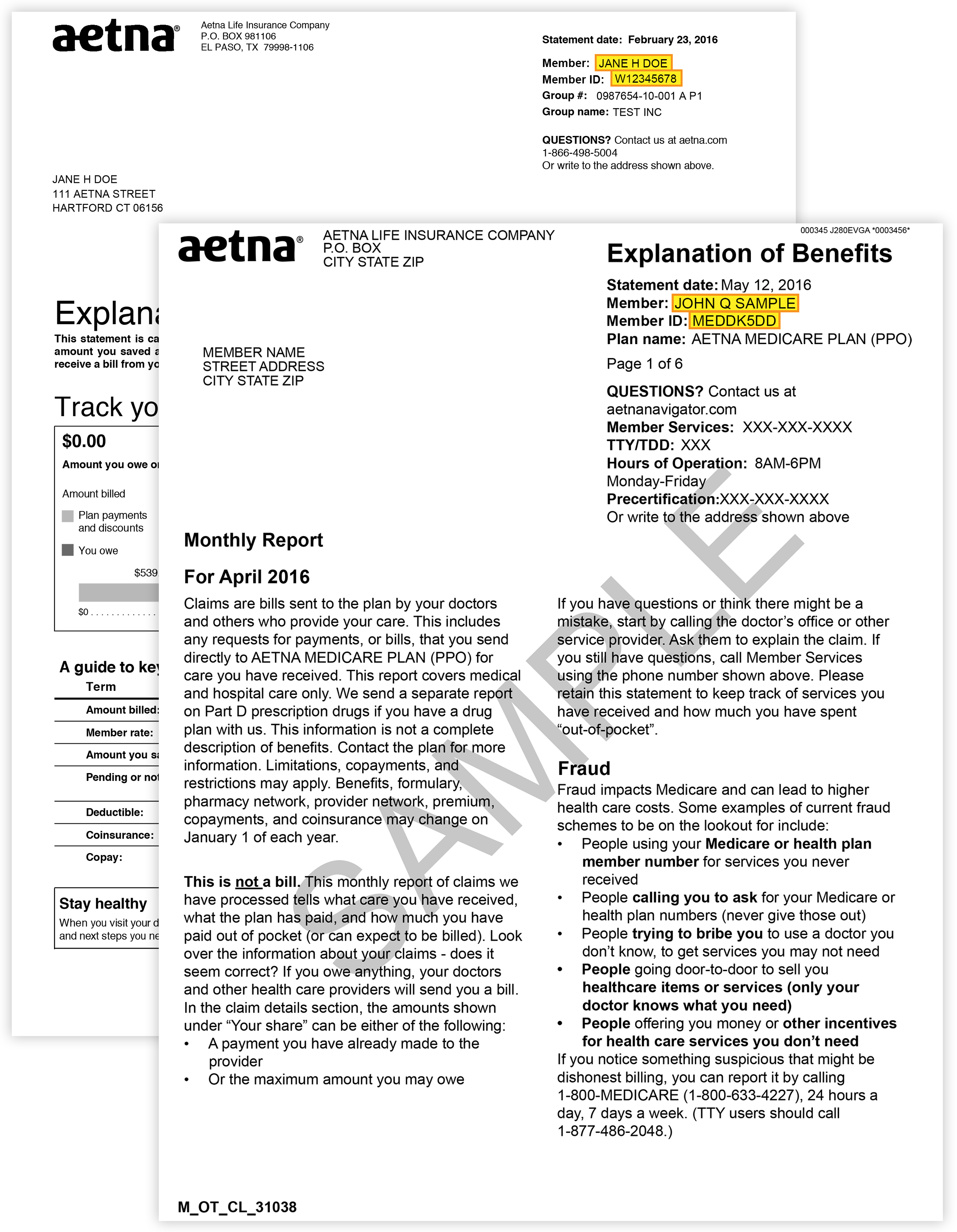
For individuals holding or managing an Aetna-associated life insurance policy, identifying who currently administers the plan is the most critical initial step. Because original corporate units were sold off or spun into separate entities, policy servicing rarely routes through the primary modern CVS Health-Aetna healthcare portals.
Legacy Life Policies and Reinsurance
When Aetna divested its individual life and annuity lines, blocks of policies were typically transferred to other major life insurers via reinsurance agreements or portfolio sales. Consequently, a policy originally purchased under the Aetna brand name may now be serviced by a different corporate entity. Policyholders must examine their physical policy documents, annual statements, or premium notices to confirm the exact servicing administrator.
- Original Underwriter: The company listed on the initial contract execution date, establishing the contractual guarantees.
- Current Servicing Administrator: The company responsible for day-to-day customer service, address changes, premium collection, and claims processing.
- Guaranty Associations: State-level life and health insurance guaranty associations that provide a safety net for policyholders in the event that a servicing insurer becomes insolvent.
Group Life Insurance vs. Individual Life Insurance
It is also vital to distinguish between group life insurance and individual whole or term life products. Aetna remains a prominent name in employer-sponsored group insurance plans, offering group life, disability, and supplemental health benefits to corporate workforces. However, these group products function differently from individual permanent policies:
- Group Term Life: Typically tied to employment, offering a death benefit while active, with specific rules governing portability or conversion upon leaving the employer.
- Voluntary Supplemental Coverage: Additional coverage employees can purchase through payroll deductions, often including accidental death and dismemberment (AD&D) riders.
- Individual Legacy Policies: Older whole life, universal life, or term policies purchased directly by consumers through agents, which are now largely managed by third-party life insurance administration platforms.
| Coverage Type | Primary Mechanism | Servicing Administration | Typical Use Case |
|---|---|---|---|
| Group Term Life | Employer-sponsored benefit package | Modern Aetna / CVS Health employer portals | Basic workforce death benefit protection |
| Voluntary Supplemental | Employee-funded payroll deduction | Specialized group benefits administration | Supplemental financial protection for families |
| Legacy Individual Life | Direct-to-consumer historical contracts | Third-party life insurers / Reinsurance firms | Long-term estate planning, cash-value accumulation |
Managing Claims, Beneficiaries, and Policy Maintenance
Whether dealing with a group policy through an employer or managing a legacy individual contract, policyholders and beneficiaries must adhere to strict administrative protocols to ensure benefits are distributed correctly.
Submitting a Death Claim on an Aetna-Associated Policy
When a policyholder passes away, initiating the claims process requires prompt and accurate documentation. Beneficiaries should avoid unnecessary delays by gathering required materials before contacting customer service.
- Locate the Original Policy Document: Review paperwork to confirm the exact policy number and the current name of the servicing administrator.
- Obtain Certified Death Certificates: Secure multiple official copies from the vital statistics bureau or county health department where the death occurred.
- Complete Claim Forms: Request the specific beneficiary claim packet from the administrative entity currently servicing the policy.
- Submit Supporting Documentation: Return the completed forms, certified death certificates, and any required identification verification via secure channels.
Routine Policy Maintenance and Servicing Tasks
For active policyholders maintaining group coverage or managing legacy contracts, routine administrative upkeep prevents coverage lapses and ensures administrative records remain current.
- Beneficiary Designation Updates: Life events such as marriage, divorce, the birth of children, or the death of a primary beneficiary require immediate updates to beneficiary forms. Primary and contingent beneficiaries should be clearly identified with full legal names and identifying details.
- Address and Contact Changes: Failing to update mailing addresses or email preferences can result in missed premium notices or annual financial reports, potentially leading to unintentional policy lapse.
- Premium Payment Verification: For policies requiring ongoing premium payments, setting up automated clearing house (ACH) transfers or electronic billing safeguards against missed deadlines and grace period expirations.
Financial Considerations and Regulatory Protections
Insurance consumers engaging with legacy portfolios or group benefits operate within a heavily regulated framework designed to protect policyholder rights and ensure financial solvency across the industry.
State Insurance Regulation and Oversight
Insurance companies do not operate in a federal vacuum; they are regulated primarily at the state level by individual departments of insurance (DOIs). Each state's DOI enforces consumer protection laws, reviews rate filings, and monitors the financial reserves of insurers licensed to operate within its borders. If a policyholder encounters a dispute regarding claim denials, administrative delays, or servicing errors, filing a formal complaint with their state’s insurance commissioner is a standard recourse.
Cash Value and Policy Loans in Legacy Contracts
For older permanent life insurance policies originally issued by Aetna and currently managed by successor life insurers, cash-value components function according to their original contract terms. Policyholders should review their annual statements to understand:
- Guaranteed Interest Rates: The minimum rate of return credited to the policy's cash value as mandated by the original contract.
- Outstanding Policy Loans: Borrowing against the cash value reduces the overall death benefit and accumulates interest, which must be managed carefully to prevent policy lapse.
- Surrender Charges: Fees assessed if the policyholder chooses to surrender the contract for its cash surrender value rather than maintaining it to maturity.
Frequently Asked Questions
Who currently services my old Aetna life insurance policy?
Because Aetna divested its individual life insurance business, legacy policies are typically serviced by the financial institution or reinsurer that acquired the portfolio. You must check your most recent policy statement, annual report, or contract documents to find the exact name and contact details of the current administrator.
How do I file a death claim for an Aetna group life insurance policy?
To file a claim for a group life policy, contact the deceased individual's former employer's human resources department or reach out directly to the group benefits administration team. You will need to provide a certified copy of the death certificate and complete the insurer's formal beneficiary claim packet.
Can I still buy an individual life insurance policy from Aetna?
No. Aetna no longer underwrites or sells individual permanent or term life insurance policies directly to consumers. The modern enterprise focuses on health insurance, pharmacy benefits, and supplemental health coverage, while historical individual life portfolios are managed by separate entities.
What should I do if I cannot find my original policy papers?
If physical policy documents are missing, contact the human resources department of the employer that provided the group coverage, or research state insurance department unclaimed property divisions if a policy has matured or lapsed into unclaimed funds. For legacy individual policies, contacting state insurance commissioners or financial regulatory databases may help trace corporate successors.
Are Aetna group life insurance benefits taxable to the beneficiary?
Generally, life insurance death benefits paid out to beneficiaries are received income-tax-free under federal tax laws. However, exceptions can apply depending on interest earnings accumulated after the date of death, employer-provided group term life amounts exceeding specific statutory thresholds, or estate tax considerations. Consult a qualified tax professional for personalized guidance.
Conclusion and Next Actions
Navigating the landscape of Aetna-associated life insurance requires clarity regarding corporate legacy, current administrative servicing, and regulatory protections. Whether you are managing an active group benefit through employment or tracing a historical individual policy, identifying the correct servicing entity is the vital first step. Review your documentation, confirm your beneficiary designations, and reach out directly to the active administrator for your specific policy block to address claims, updates, or coverage inquiries.