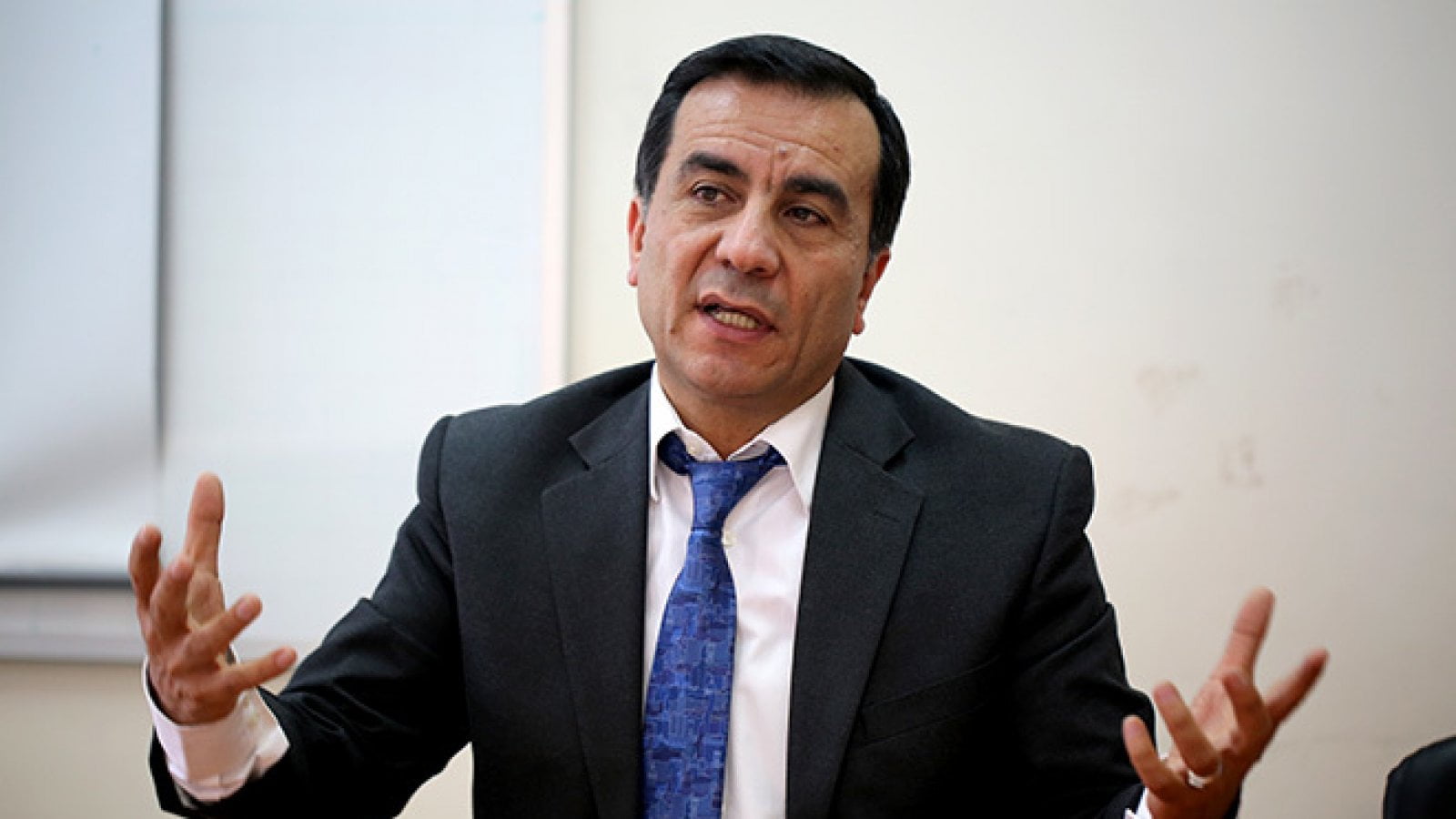
Mahmoud Abbas, widely known by his kunya Abu Mazen, has served as the President of the Palestinian Authority since 2005. As a central figure in Middle Eastern geopolitics for over five decades, public interest regarding his personal financial standing remains high. Determining the net worth of long-serving political figures often involves separating verified financial disclosures from speculative commentary, media-driven estimates, and politically motivated allegations.
Publicly available data regarding the personal wealth of Mahmoud Abbas is limited, as the Palestinian Authority does not publish detailed, independent, or audited personal financial disclosures for its leadership. While various international media outlets and watchdog organizations have periodically published estimates—often citing millions of dollars in assets, diverse investment holdings, or family-linked commercial enterprises—these figures lack the transparency of audited tax returns or public wealth registries found in more formalized Western democratic systems. Consequently, understanding his financial profile requires an examination of political salary structures, historical professional roles, and the nature of public claims versus documented evidence.
The Challenge of Estimating Political Wealth
Analyzing the net worth of a political leader like Abu Mazen is fundamentally different from analyzing the wealth of a corporate executive. For public officials, "net worth" is frequently conflated with the management of state funds or the wealth accumulated by family members, creating a complex intersection of personal finance and political accountability.
In many jurisdictions, independent oversight committees or ethics commissions require annual filings that detail assets, liabilities, and income sources. In the context of the Palestinian Authority, however, the oversight mechanisms for the executive branch are influenced by the unique, protracted nature of the conflict and the resulting lack of a fully functioning parliamentary oversight process in recent years. As a result, claims regarding personal wealth are often disseminated through secondary reporting or political opposition groups rather than through official, verified financial statements.
When evaluating such reports, it is essential to distinguish between:
- Official Salary and Benefits: The standard compensation package afforded to the President of the Palestinian Authority.
- Personal Assets: Real estate, bank holdings, or investments held in his name.
- Family and Associate Assets: Business interests held by immediate family members, which are sometimes erroneously aggregated into personal net worth estimates by critics.
- Allegations and Speculation: Unverified claims published in media outlets that lack supporting documentation.
Historical Professional Context
Abu Mazen’s career is rooted in his role as a founding member of the Fatah movement and his decades of service within the Palestine Liberation Organization (PLO). Before assuming the presidency, he was the first Prime Minister of the Palestinian Authority and served as the chief negotiator for the Oslo Accords.
Unlike private-sector leaders who accumulate wealth through market-driven success, long-term political figures in the Palestinian context have historically relied on state-provided salaries, housing, and diplomatic stipends. The distinction between personal wealth and the administrative resources managed by the PLO or the Palestinian Authority is often blurred in the public consciousness. During the late 20th century, the PLO operated as a large organization managing diverse funds and properties globally, which has led to persistent, albeit often unsubstantiated, speculation about the intermingling of organizational funds and the personal wealth of its leadership.
Evaluating Media Reports and Claims
Over the last two decades, several international publications have attempted to quantify the wealth of high-ranking officials within the Palestinian Authority. These reports have frequently surfaced in the wake of political crises or during cycles of heightened scrutiny regarding the use of international aid.
It is a recurring theme in global political reporting to see "net worth" estimates for figures like Abu Mazen ranging from tens of millions to hundreds of millions of dollars. However, these figures are rarely accompanied by specific documentation, such as bank statements, property titles, or investment portfolios. A key factor in these reports is the inclusion of assets belonging to the wider family, particularly his sons, Yasser and Tareq Abbas. The sons of the President have been involved in various business ventures in the region, including investments in telecommunications, construction, and real estate. Critics often conflate these family business interests with the personal net worth of the President, leading to inflated and often contradictory public estimates.
Comparison of Financial Accountability Systems
To understand why the net worth of specific officials remains a subject of debate, it is helpful to compare the transparency standards of the Palestinian Authority with other governance models.
| Feature | Palestinian Authority (Current) | Standard Democratic Model |
|---|---|---|
| Financial Disclosure | Not public/No mandatory filing | Required Annual Public Filing |
| Oversight Body | Limited/Internalized | Independent Ethics/Auditing Commission |
| Asset Tracking | Informal/Media-led | Tax Records/Public Registries |
| Family Reporting | Non-standardized | Often required (conflict of interest) |
The lack of a centralized, public-facing financial disclosure requirement in the Palestinian Authority prevents the verification of claims regarding the personal wealth of its leaders. In contrast, in systems where officials are required to disclose their assets to an independent body, the public can verify the growth or decline of an individual's wealth over their term in office. In the absence of this, information remains at the level of investigative journalism or unverified political discourse.
The Role of Family Assets in Political Discourse
A significant portion of the public discourse concerning Abu Mazen’s net worth centers on his family’s commercial activities. The intersection of family members in private business and the state’s executive leadership is a common point of tension in many developing and conflict-affected nations.
When media organizations investigate the "wealth of the Palestinian leadership," they often focus on whether government contracts have been awarded to companies affiliated with the President’s family. In many instances, these investigations highlight the potential for conflict of interest. However, identifying a potential conflict is not equivalent to establishing a net worth figure. The media often uses these associations to imply a level of personal wealth that may not actually exist in the possession of the President himself, focusing instead on the family unit’s collective economic footprint.
Addressing Common Questions
1. Does the Palestinian Authority publish the President’s tax returns?
No, the Palestinian Authority does not have a public repository for the tax returns or personal financial statements of its President or other senior cabinet members.
2. Why are there such large discrepancies in net worth estimates?
Estimates vary because they are based on secondary, often politically motivated reports rather than official financial audits. Some estimates include the business assets of extended family members, while others include institutional assets of the PLO, leading to wildly inconsistent numbers.
3. Did Abu Mazen inherit his wealth?
There is no publicly verified record of significant inherited wealth. His career has been almost entirely within the political and diplomatic framework of the PLO and the Palestinian Authority.
4. Are international aid funds used for personal wealth?
Allegations regarding the misappropriation of aid funds for personal enrichment are a frequent subject of international political debate. However, these claims are often linked to larger issues of corruption within the administration rather than specific evidence of personal transfers to the President’s bank accounts.
5. How can citizens verify the wealth of political leaders?
In the absence of official domestic disclosures, verification is generally impossible for the average citizen. Information remains limited to what is disclosed by investigative journalists or leaked through opposition media.
The Importance of Contextualizing Financial Allegations
When encountering sensationalist headlines regarding "secret billions" or vast personal fortunes, readers should apply a high level of critical skepticism. In political environments defined by deep divisions, information is often used as a tool to undermine the legitimacy of leadership.
The primary task for any reader attempting to understand the financial reality is to separate verified facts from partisan rhetoric. Since there is no verifiable data available in 2026 to confirm an exact dollar amount for Abu Mazen’s personal net worth, any figure presented by unauthorized sources should be viewed as speculative. The reality of his financial situation is likely tied more to a state-provided salary and long-term pension expectations than to the vast, liquid, and private wealth often attributed to him in non-vetted reports.
Navigating Future Updates
As the political landscape in the region continues to evolve, calls for greater financial transparency within the Palestinian Authority remain a persistent theme for civil society groups. Should there be future reforms in governance, the implementation of an independent asset declaration system would be the first requirement for achieving a verified understanding of the personal finances of any high-ranking official, including the President.
For those conducting research on this topic, it is advisable to rely on reports from established international organizations that focus on governance and corruption indices, rather than relying on blogs or social media commentary. These organizations, such as Transparency International or regional think tanks, provide the most balanced context regarding the systemic issues of accountability in the region, even when they cannot provide specific, audited numbers for individual wealth.
Final Recommendations for Research
If your objective is to understand the financial management of the Palestinian Authority as a whole, focus your research on annual reports regarding the national budget and international aid audits, which are sometimes made public by the Palestinian Ministry of Finance or international donor bodies like the World Bank. These reports provide a clearer view of how institutional money moves, which is a more measurable and significant indicator of the economic health of the administration than the private, unverified net worth of its individual leaders. By focusing on institutional data, you move away from the realm of speculation and into the realm of structural, macroeconomic analysis.