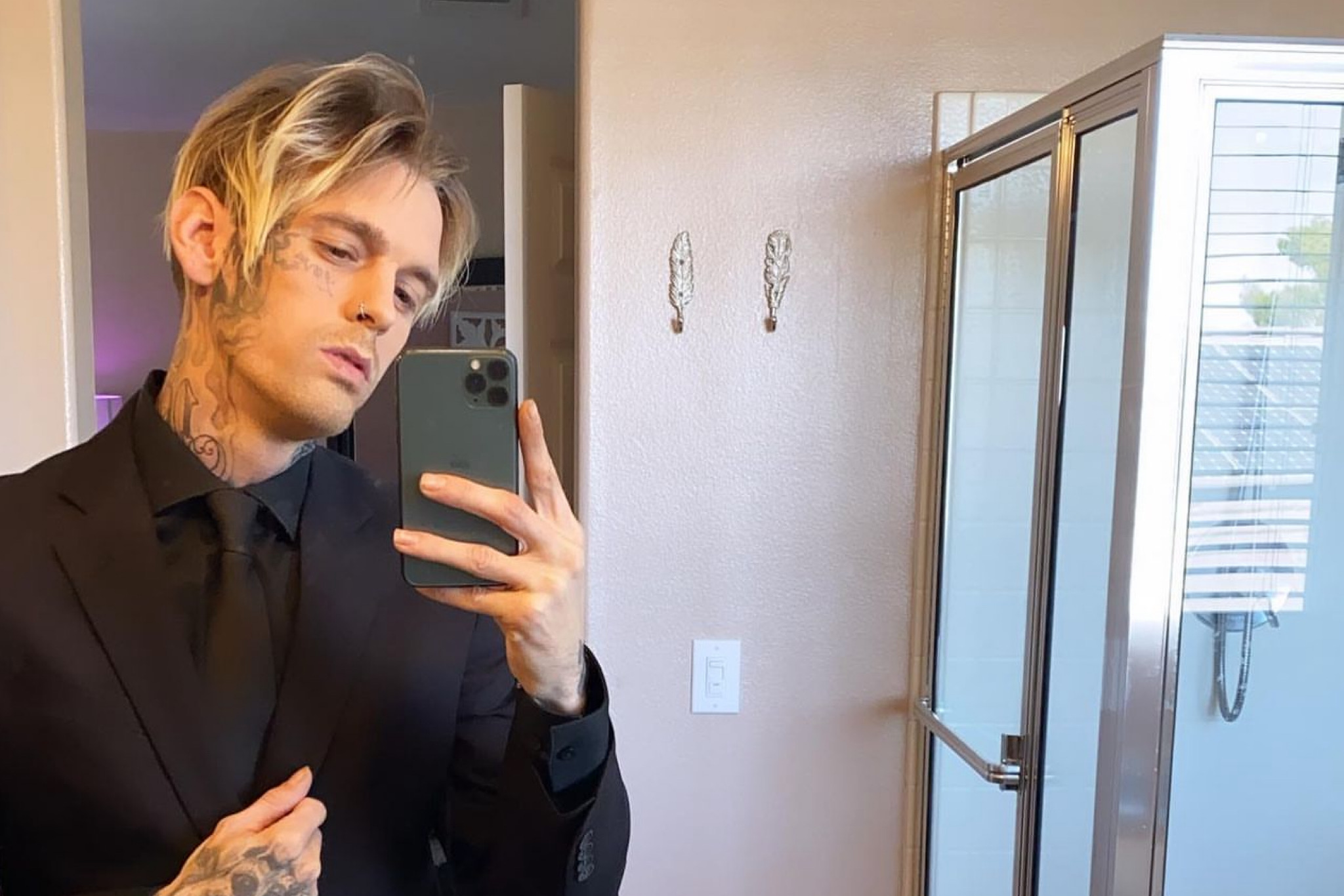
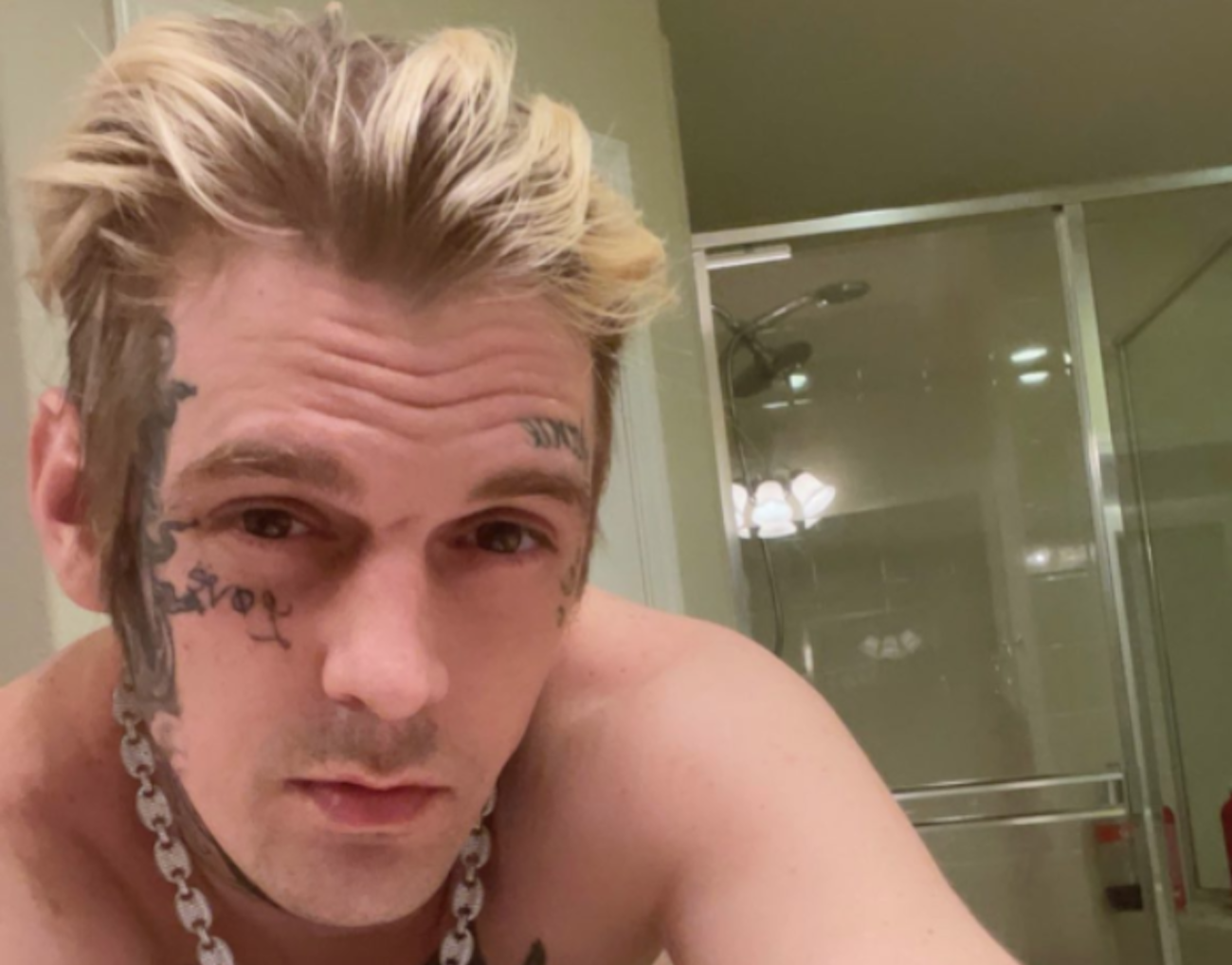
The "Aaron Carter huffing video in context" search query refers to the intense public scrutiny surrounding late pop singer Aaron Carter, particularly videos and live streams that captured erratic behavior, substance use allegations, and struggles with volatile inhalant abuse late in his life.
The public discourse surrounding Aaron Carter's later years is characterized by a complex intersection of early child stardom, severe substance addiction, untreated mental health struggles, and the voyeuristic nature of modern internet culture. To understand the context of these videos, it is necessary to examine Carter's trajectory from a multi-platinum bubblegum pop icon in the late 1990s and early 2000s to an adult battling profound personal demons, often broadcast in real-time to an audience of rubberneckers and concerned fans alike. This examination requires a grounded look at the mechanics of inhalant abuse, the ethics of documenting public relapses, and the broader tragedy of addiction played out under the harsh lens of social media.
The Trajectory of Early Stardom and Public Pressure
To understand how Aaron Carter's life unfolded in the public eye, one must first look at the immense pressures of his formative years. Rising to fame in the late 1990s with hits like "Crush on You" and his multi-platinum sophomore album Aaron Carter (1997), he became a household name and a teenage heartthrob on Nickelodeon and Disney Channel. He toured with his older brother, Nick Carter of the Backstreet Boys, experiencing a level of global exposure that few adolescents are equipped to handle.
Child stardom creates an environment of intense isolation, constant performance demands, and early exposure to the entertainment industry's darker margins. As the music industry shifted in the mid-2000s, Carter's commercial momentum slowed. The transition from a teen idol to an independent adult artist was marked by financial instability, legal troubles, and a series of personal crises that played out across tabloid media and, eventually, social media platforms like Instagram Live, YouTube, and Twitter.
By the time videos featuring erratic behavior or suspected substance use began circulating widely, Carter's life had already become a spectacle. The public consumption of his personal struggles transformed from private rehabilitation efforts into public digital consumption, where followers could tune into live broadcasts that often revealed profound distress.
The Reality of Inhalant Abuse and "Huffing"
A central component of the concern surrounding Carter's later videos involved accusations and visible evidence of inhalant abuse, commonly referred to as "huffing." Inhalants encompass a broad range of everyday household and industrial products—such as compressed air dusters, cleaning solvents, aerosols, and paint thinners—that are inhaled to achieve a rapid, volatile psychoactive high.
Unlike many other substances of abuse, inhalants are inexpensive, legal, and readily accessible, making them particularly dangerous for individuals struggling with severe addiction and limited resources. When an individual inhales these chemicals, volatile solvents enter the lungs rapidly and cross the blood-brain barrier within seconds, causing central nervous system depression.
Medical and Neurological Impacts of Inhalant Abuse
Medical professionals classify inhalant abuse as exceptionally destructive, carrying a high risk of sudden sniffing death syndrome (SSDS), even on a first-time user. Chronic abuse leads to severe neurological damage, cognitive impairment, memory loss, and deterioration of the myelin sheath protecting nerve fibers.
| Aspect of Inhalant Abuse | Clinical Impact & Risks |
|---|---|
| Immediate Effects | Rapid intoxication, slurred speech, euphoria, dizziness, loss of motor coordination, hallucinations. |
| Acute Medical Risks | Asphyxiation, suffocation, cardiac arrhythmias, seizures, and Sudden Sniffing Death Syndrome. |
| Long-Term Damage | Permanent brain damage, peripheral neuropathy, liver and kidney failure, cognitive decline. |
| Behavioral Symptoms | Extreme mood swings, paranoia, erratic public outbursts, rapid physical deterioration. |
When viewers observed Carter holding cans of compressed air (commonly used for cleaning electronics) during live streams, addiction specialists and informed observers recognized the classic behavioral and physical markers of acute inhalant intoxication. These incidents, preserved and shared across digital platforms, became focal points for public alarm.
Social Media as a Stage for Addiction and Distress
The proliferation of live-streaming platforms fundamentally altered how public figures experience addiction and mental health crises. In previous eras, a celebrity's relapse or struggles were captured by paparazzi or reported through print tabloids after the fact. In the digital age, platforms like Instagram and TikTok allow individuals to broadcast directly to thousands of viewers without editorial oversight, filters, or immediate physical intervention.
For Carter, social media functioned as a double-edged sword. It provided a direct revenue stream and a way to connect with loyal fans who had supported him since childhood. However, it also created an unfiltered echo chamber where distressed, intoxicated, or manic broadcasts were captured, recorded, and re-uploaded by third-party channels seeking engagement, click-through traffic, and sensationalism.
The Ethics of Digital Voyeurism
The circulation of videos showing Carter in vulnerable, altered, or distressed states highlights a dark side of internet culture: digital voyeurism. When users encounter a live stream of someone in active addiction or a mental health crisis, the line between concern and exploitation often blurs.
- The Amplification Loop: Clips of erratic behavior are clipped, captioned with sensationalist headlines, and distributed across platforms like YouTube and TikTok.
- The Illusion of Help: Comment sections frequently split between viewers expressing genuine concern and those mocking, trolling, or encouraging erratic behavior for entertainment.
- The Lack of Safeguards: Despite platform policies against self-harm and drug use, live streams often persist long enough for widespread recording and archiving to occur.
Examining the "huffing video" phenomenon requires acknowledging that these digital artifacts are not merely entertainment or tabloid fodder; they are public records of a human being in severe distress, captured within a system that monetizes shock value.
Family Dynamics and Public Interventions
Carter's struggles did not occur in a vacuum; they were intertwined with a complex family history marked by estrangement, public disputes, and well-documented interventions by family members, including his brother Nick Carter and twin sister Angel Carter.
Throughout his adult life, Carter's relationships with his family played out publicly. Interviews on television talk shows, social media feuds, and legal restraining orders were frequently covered by entertainment media. When concerned fans or family members attempted to secure help, those efforts were often complicated by Carter's defensive public statements, denials of substance abuse, and assertions of independence.
Substance use disorders frequently strain familial relationships to a breaking point. In Carter's case, public disagreements often overshadowed private attempts at rehabilitation. When videos showcasing active addiction surfaced, family members were often thrust into the difficult position of addressing public speculation while navigating private grief and boundary-setting.
Rehabilitation Efforts and Public Statements
Despite the persistent cycles of relapse and public concern, Carter made multiple attempts to seek treatment, enter rehabilitation facilities, and address his health. Over the years, he participated in reality television programs and documentary interviews aimed at documenting his path toward sobriety.
In various interviews, Carter discussed his diagnoses, including multiple personality disorder (now recognized as dissociative identity disorder), schizophrenia, acute anxiety, and depression. He frequently spoke about the trauma of early fame, the loss of family members, and the challenges of maintaining sobriety in an environment characterized by constant scrutiny.
However, the narrative of recovery was repeatedly disrupted by subsequent relapses, erratic social media appearances, and physical deterioration. These contradictions—between declarations of being clean and clear evidence of active substance use—frustrated supporters and fueled the cycle of viral videos that characterized his final years.
The Broader Cultural Legacy and Lessons Learned
Aaron Carter passed away on November 5, 2022, at the age of 34 in his home in Lancaster, California. The official cause of death, determined by the Los Angeles County Department of Medical Examiner-Coroner, cited the effects of compressed hydrofluoroalkane and alprazolam (Xanax), confirming that the inhalation of volatile substances played a direct role in his tragic passing.
The re-examination of his final videos in light of his passing shifts the cultural conversation from morbid curiosity to a somber reflection on systemic failures in supporting child stars and individuals with severe co-occurring disorders.
- Child Protection Laws: The conversation surrounding child performers frequently revisits the need for stronger labor laws, psychological support, and financial protections akin to the "Coogan Act," ensuring that minors in the entertainment industry are not exploited.
- Addiction Stigma: Public reactions to Carter's behavior highlight the pervasive stigma surrounding inhalant abuse, which is often dismissed as a "cheap" or "foolish" habit rather than treated as a severe, life-threatening manifestation of addiction.
- Platform Responsibility: The role of social media platforms in hosting, monetizing, and propagating live-streamed substance abuse remains an ongoing ethical debate within digital media regulation.
Frequently Asked Questions
What specific videos are referred to as the Aaron Carter huffing videos?
These refer to various recorded live streams and video clips—primarily from platforms like Instagram Live—where Carter appeared visibly altered, slurring his words, and handling cans of compressed air dusters or other aerosol products, leading viewers and commentators to suspect active inhalant abuse.
Did Aaron Carter ever confirm his substance abuse struggles?
Yes, Carter openly discussed his struggles with addiction, mental health issues, and various rehabilitation stints across multiple interviews, talk shows, and social media appearances throughout his adult life, though he also frequently denied active drug use during periods of public controversy.
What was the official cause of Aaron Carter's death?
The Los Angeles County Medical Examiner ruled his death an accidental drowning in his bathtub, contributed to the effects of inhaling compressed gas (hydrofluoroalkane) and taking alprazolam (Xanax).
Why are inhalants like compressed air dusters so dangerous?
Inhalants deprive the body of oxygen and cause rapid, irregular heartbeats. This can lead to Sudden Sniffing Death Syndrome (SSDS), which can occur even in healthy individuals upon their first time using the substance, alongside permanent neurological and organ damage.
How does public digital voyeurism impact individuals with addiction?
When individuals struggling with severe addiction or mental health crises broadcast their lives on social media, the resulting viral attention, trolling, and lack of real-time intervention can exacerbate distress, isolate the individual, and turn private health crises into public spectacles.
Conclusion and Next Actions
The context surrounding the digital footprint of Aaron Carter's later years is a sobering reminder of the human cost of unaddressed addiction and the compounding pressures of fame. For readers researching this topic, approaching these discussions with empathy and an understanding of substance use disorders helps shift the focus away from sensationalism. If you or someone you know is struggling with substance abuse, mental health challenges, or addiction, confidential help is available. In the United States, the Substance Abuse and Mental Health Services Administration (SAMHSA) National Helpline can be reached at 1-800-662-4357 for 24/7 treatment referral and information services.