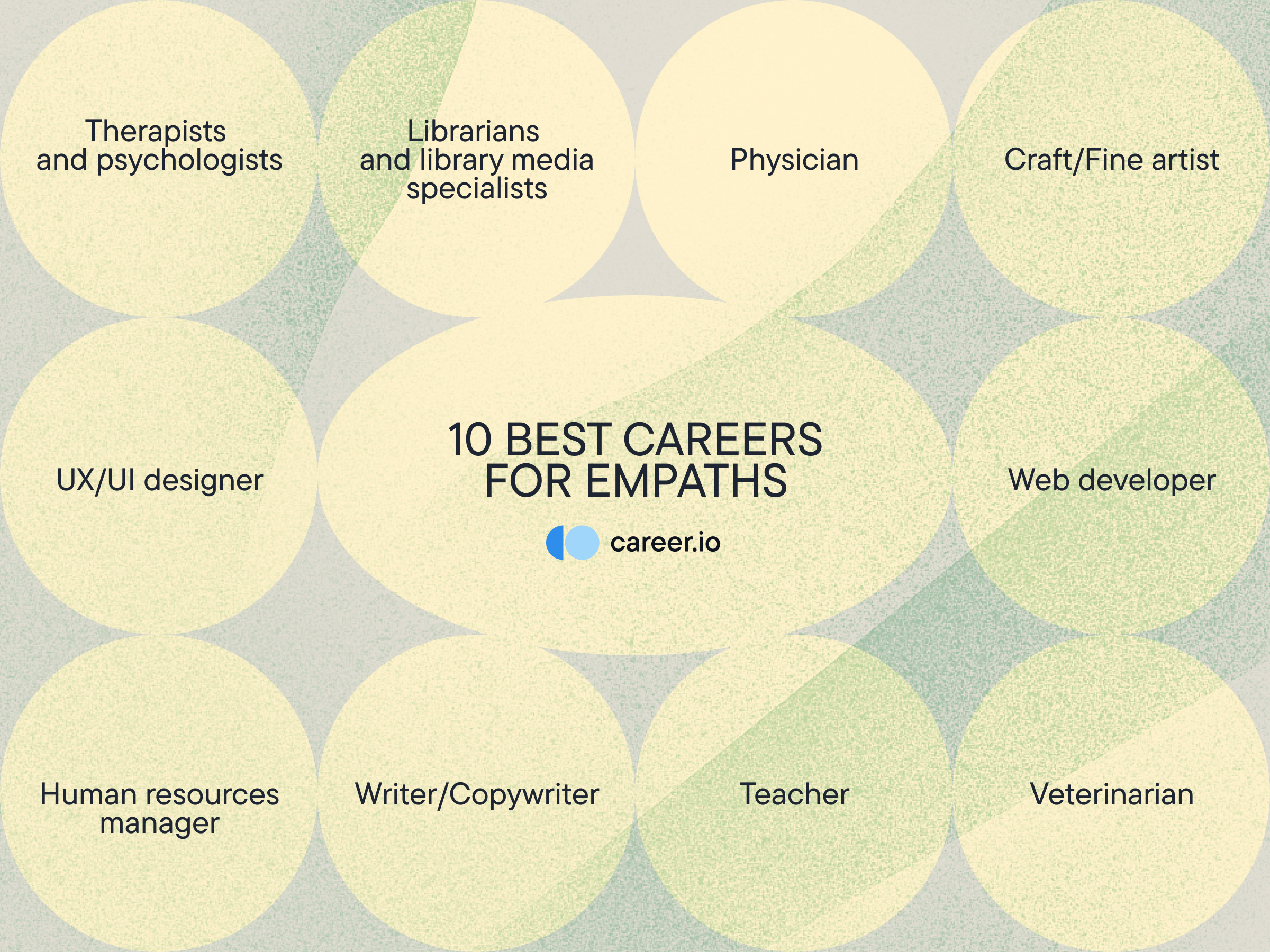
Telecommuting offers professional flexibility, but long-term success depends heavily on aligning your daily tasks, technical environment, and behavioral traits with the right position. Finding a sustainable work-from-home role requires looking beyond the general appeal of skipping a commute to evaluate whether your intrinsic motivation, communication style, and professional background match the specific demands of a remote position.
Evaluating remote career opportunities requires looking at how day-to-day responsibilities translate across a digital workspace. While many corporate roles can technically be performed away from a physical office, certain career paths thrive naturally in decentralized environments because of asynchronous communication norms, objective-driven output measurements, and individualistic workflows.
1. Software Engineer and Developer
Software engineering stands as one of the most mature and seamlessly integrated telecommuting career paths. Because code can be written, reviewed, and deployed from any location with a secure, high-speed internet connection, technology companies were among the earliest adopters of distributed workforces.
Day-to-Day Realities and Technical Demands
A remote software developer spends a significant portion of the workday writing code, debugging applications, and participating in code reviews. Communication usually happens through text-based platforms like Slack or Microsoft Teams, and version control systems like GitHub or GitLab. While meetings do occur—such as daily agile standups or sprint planning sessions—a large percentage of the role involves deep, uninterrupted focus time.
Who This Job Suits Best
- Independent Problem Solvers: Individuals who enjoy diagnosing complex technical puzzles without requiring constant supervision.
- Continuous Learners: Technology stacks evolve rapidly, meaning developers must be comfortable self-teaching new frameworks and paradigms.
- Strong Asynchronous Communicators: People who can write clear, concise documentation and bug reports so teammates in different time zones can understand their progress without a live conversation.
2. Digital Content Writer and Copywriter
Content creation and copywriting have transitioned almost entirely to remote-first models. Agencies, publishers, and corporate marketing departments frequently hire remote writers and freelance contributors to generate articles, whitepapers, email campaigns, and website copy.
Day-to-Day Realities and Technical Demands
Writers research industry trends, interview subject-matter experts via video calls, draft copy according to strict style guides, and revise content based on editorial feedback. Technical requirements are minimal, usually consisting of a reliable word processor, grammar-checking software, and content management systems (CMS) like WordPress.
Who This Job Suits Best
- Self-Motivated Planners: Professionals who can structure their own day to meet firm deadlines without an office manager checking in.
- Curious Learners: Writers who can quickly absorb complex information across diverse industries—from finance to software—and explain it clearly to a general audience.
- Adaptable Stylists: Those who do not take critique personally and can seamlessly adjust their tone to match a brand's specific voice.
3. Data Analyst
Data analysts interpret complex numbers and metrics to help organizations make informed business decisions. Because data is stored in cloud databases and visualization tools are web-based, this profession translates exceptionally well to telecommuting.
Day-to-Day Realities and Technical Demands
Analysts spend their time querying databases using SQL, cleaning datasets in Python or R, and building interactive dashboards using platforms like Tableau or Power BI. Much of the role requires analytical focus, punctuated by meetings with stakeholders to present findings and recommend strategic adjustments.
Who This Job Suits Best
- Detail-Oriented Thinkers: People who naturally spot anomalies, verify data integrity, and care about accuracy.
- Translators of Complexity: Professionals who can take dense statistical findings and explain them simply to non-technical executives or marketing teams.
- Comfort with Ambiguity: Individuals who excel at taking a broad business question (e.g., "Why did customer churn increase last month?") and designing a data-driven approach to answer it.
4. Graphic Designer and UI/UX Designer
Designers create visual assets, brand identities, and digital user interfaces. While design teams once relied heavily on physical brainstorming sessions and large print rooms, modern cloud collaboration tools make fully remote design operations standard.
Day-to-Day Realities and Technical Demands
Remote designers use vector graphics software, prototyping tools like Figma or Adobe XD, and cloud storage to share high-resolution files. They participate in design critiques over video, review user testing data, and iterate on layouts based on stakeholder feedback.
Who This Job Suits Best
- Visual Communicators: People who express ideas clearly through imagery, wireframes, and prototypes rather than relying solely on spoken or written words.
- Feedback-Resilient Creatives: Professionals who view critique as a constructive step toward a better product rather than a personal rejection.
- Organized Asset Managers: Those who can maintain clean folder structures, design systems, and asset libraries that teammates can easily access remotely.
5. Digital Project Manager
Project managers keep cross-functional teams aligned, on schedule, and within budget. In a remote environment, the project manager acts as the central communicative anchor, ensuring that distributed workers do not become siloed.
Day-to-Day Realities and Technical Demands
Remote project managers live inside project tracking software like Jira, Asana, or Trello. They facilitate virtual sprint planning, map out timelines using Gantt charts, unblock team members who are waiting on resources, and report status updates to senior leadership.
Who This Job Suits Best
- Natural Facilitators: Empathetic individuals who listen well, mediate conflicts, and understand how to keep morale high across virtual teams.
- Obsessive Organizers: People who love checking boxes, tracking dependencies, and keeping documents impeccably organized.
- Proactive Communicators: Those who anticipate bottlenecks before they happen and flag risks early rather than waiting for an emergency.
6. Customer Support Specialist
Customer support has shifted dramatically away from noisy, centralized call centers toward distributed, home-based teams. Companies across e-commerce, SaaS, and financial services rely on remote support agents to help users via chat, email, and VoIP phone systems.
Day-to-Day Realities and Technical Demands
Support specialists manage queues of customer inquiries, troubleshoot technical issues using knowledge bases, and log bugs for engineering teams. Technical needs include a stable high-speed internet connection, a quiet workspace, a headset, and proficiency with ticketing platforms like Zendesk or Intercom.
Who This Job Suits Best
- Patient and Empathetic Communicators: Individuals who remain calm, kind, and professional when interacting with frustrated or confused customers.
- Fast Typers and Multitaskers: People who can quickly search internal documentation while maintaining a polite, conversational text dialogue.
- Independent Troubleshooters: Those who enjoy investigating unique technical snags and piecing together solutions.
7. Online Tutor and Instructional Designer
Online education has expanded rapidly, creating sustained demand for remote educators, corporate trainers, and instructional designers who build digital learning curricula.
Day-to-Day Realities and Technical Demands
Instructional designers storyboard e-learning modules using authoring tools like Articulate Storyline, while online tutors conduct live 1-on-1 or group sessions via Zoom or specialized learning management systems (LMS) like Canvas or Blackboard.
Who This Job Suits Best
- Passionate Educators: People who genuinely enjoy breaking down difficult concepts and watching others grasp them.
- Tech-Savvy Instructors: Educators comfortable managing virtual classrooms, breakout rooms, and digital whiteboards smoothly.
- Structured Thinkers: Those who can organize large amounts of information into logical, step-by-step learning modules.
Comparative Overview of Remote Roles
| Job Title | Primary Technical Tools | Core Work Style | Best Suited For |
|---|---|---|---|
| Software Engineer | IDEs, GitHub, Terminal | Asynchronous, deep focus | Independent, analytical problem solvers |
| Digital Content Writer | CMS, Word Processors, Slack | Independent, deadline-driven | Self-motivated, adaptable communicators |
| Data Analyst | SQL, Python, Tableau, Excel | Mixed focus and collaboration | Detail-oriented data translators |
| Graphic / UI-UX Designer | Figma, Adobe Creative Cloud | Visual collaboration, iteration | Feedback-resilient visual thinkers |
| Digital Project Manager | Jira, Asana, Confluence, Zoom | Highly collaborative, communicative | Organized facilitators and planners |
| Customer Support Specialist | Zendesk, Intercom, VoIP Headsets | Queue-based, direct interaction | Patient, empathetic troubleshooters |
| Online Tutor / Instructional Designer | Articulate, Zoom, LMS platforms | Interactive, structured teaching | Passionate, tech-savvy educators |
Frequently Asked Questions
What equipment do I need to start telecommuting?
Most remote positions require a reliable computer, a high-speed broadband internet connection, a secure Wi-Fi router, and a noise-canceling headset for virtual meetings. Specific software requirements depend on the industry; for instance, developers need code editors, while designers require graphics suites. Employers often provide or subsidize necessary hardware.
How do I prove productivity when working remotely?
In remote environments, productivity is measured by output and meeting deadlines rather than hours spent sitting at a desk. Focus on clear documentation, proactive communication, and delivering completed assignments on or ahead of schedule to build trust with management.
Are remote jobs usually full-time employees or freelance contractors?
Remote opportunities exist across both employment models. Tech, support, and project management roles frequently offer full-time W-2 employment with benefits. Conversely, writing, design, and specialized consulting positions often operate on a freelance or contract basis.
How can I avoid burnout while telecommuting?
Burnout often happens when the boundary between work and personal life disappears. To combat this, establish a dedicated physical workspace, set firm clock-out times, take regular breaks away from screens, and step outside for fresh air during the day.
Next Steps for Transitioning to Remote Work
Securing a telecommuting role starts with auditing your current professional skills against the demands of decentralized workplaces. Review your past experience to identify moments where you successfully managed projects independently, communicated clearly through written channels, or delivered results without direct oversight. Update your resume and LinkedIn profile to highlight these asynchronous collaboration skills, and target companies known for established remote-first cultures.